Sybrand van der Zwaag - Böcker
Visar alla böcker från författaren Sybrand van der Zwaag. Handla med fri frakt och snabb leverans.
4 produkter
4 produkter
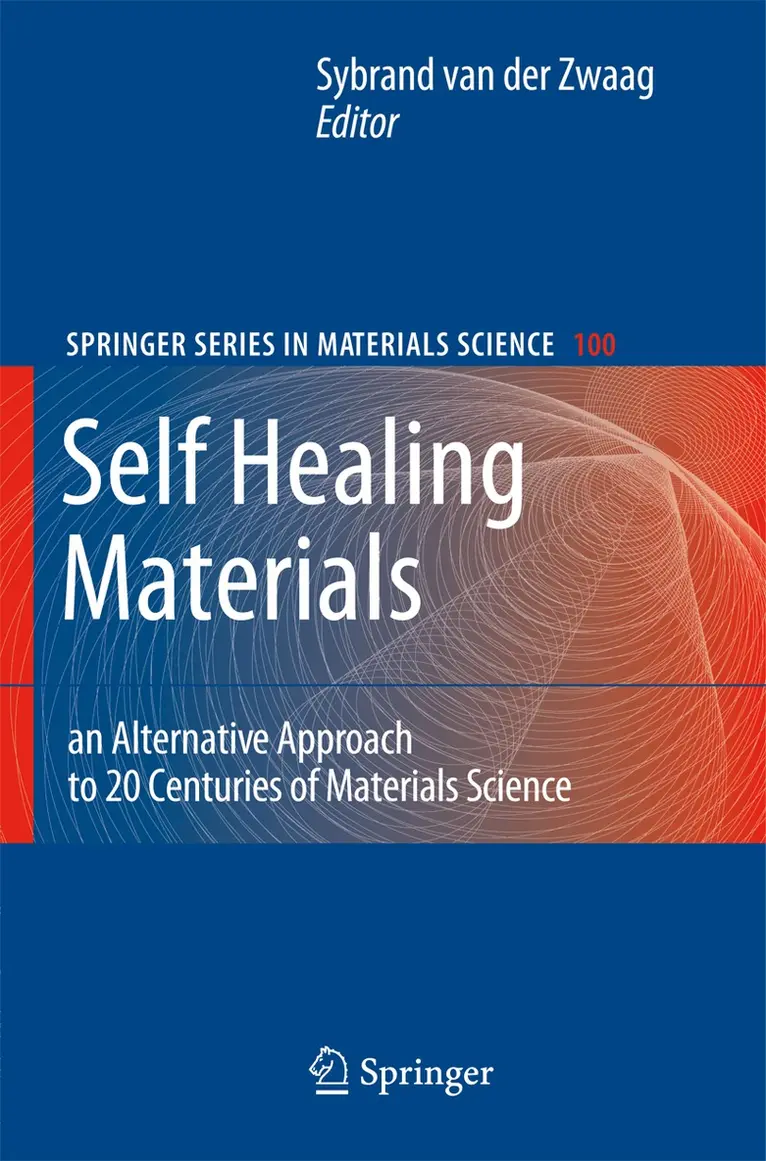
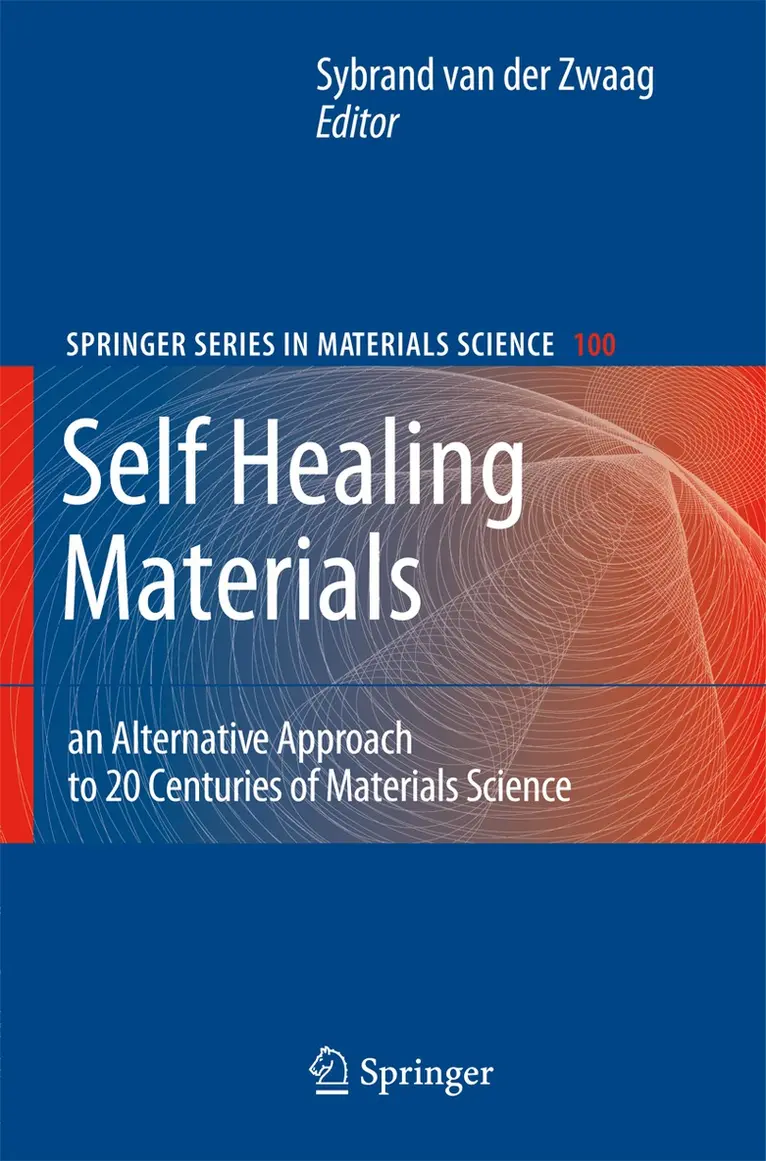
Self Healing Materials
An Alternative Approach to 20 Centuries of Materials Science
Inbunden, Engelska, 2007
1 585 kr
Skickas inom 10-15 vardagar
“As a general principle natural selection is continually trying to economise every part of the organisation. ” That was Charles Darwin, writing over 100 years ago about e- ciency innature. Naturalmaterialsareremarkably ef?cient. Byef?cient wemeanthat they ful?l the complex requirements posed by the way plants and animals function, and that they do so using as little material as possible. Many of these requirements are mechanical in nature: the need to support static and dynamic loads created by the mass of the organism or by wind loading, the need to store and release elastic energy, the need to ?ex through large angles, the need to resist buckling and fracture, and to survive damage. Few optimisation algorithms have been more successful than that of “survival of the ?ttest”. The structural materials of nature exemplify this op- misation; even today, few man-made materials do better than those of nature in the function that they ?ll. And of all the remarkable properties of natural materials, one is truly exceptional – that of the ability for self-repair. One recurring goal of material development has been to emulate the materials of nature. Among these, the most illusive is that of self-repair. In approaching this it is well to be aware of the nature of the differences that separate the structural materials of man and those of nature.
2 111 kr
Skickas inom 10-15 vardagar
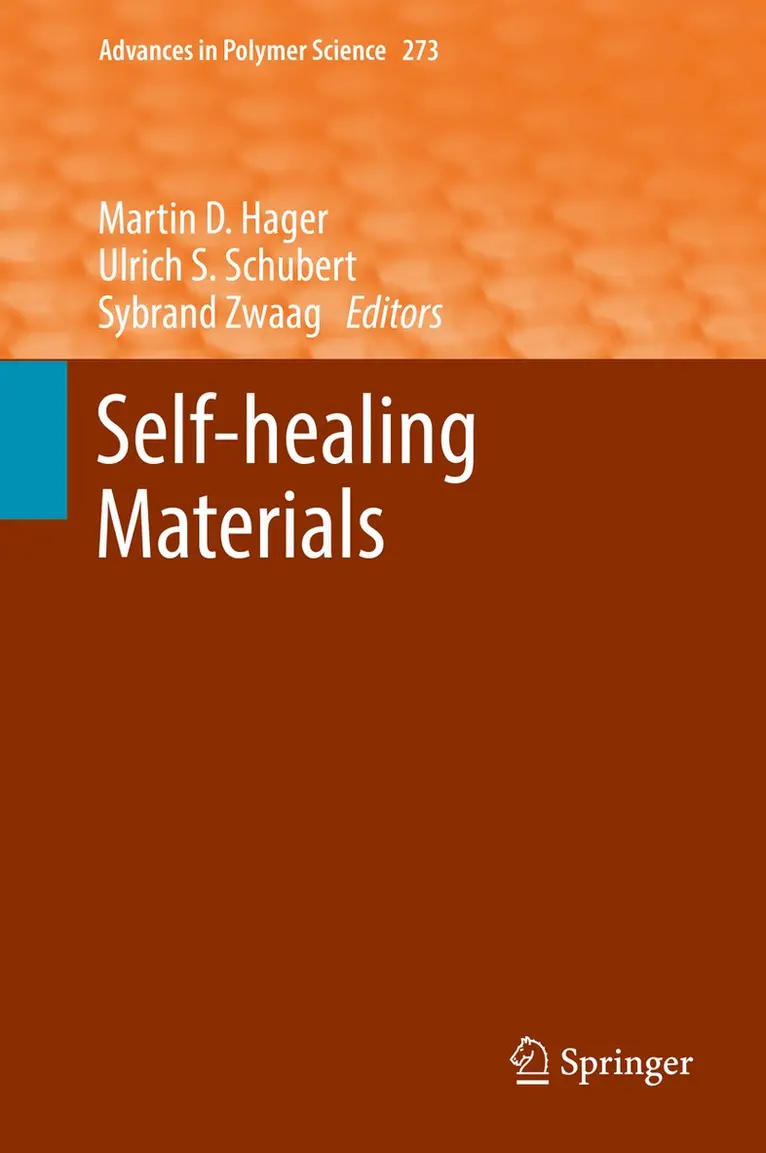
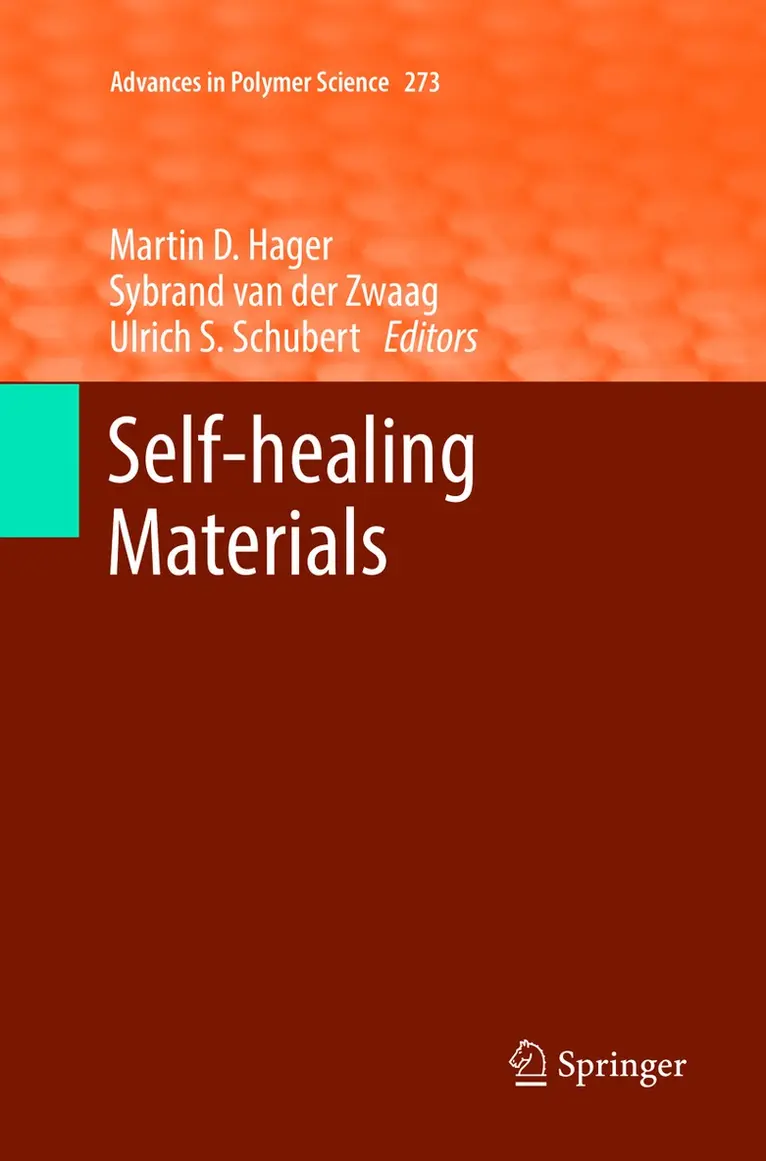
The series Advances in Polymer Science presents critical reviews of the present and future trends in polymer and biopolymer science. It covers all areas of research in polymer and biopolymer science including chemistry, physical chemistry, physics, material science. The thematic volumes are addressed to scientists, whether at universities or in industry, who wish to keep abreast of the important advances in the covered topics. Advances in Polymer Science enjoys a longstanding tradition and good reputation in its community. Each volume is dedicated to a current topic, and each review critically surveys one aspect of that topic, to place it within the context of the volume. The volumes typically summarize the significant developments of the last 5 to 10 years and discuss them critically, presenting selected examples, explaining and illustrating the important principles, and bringing together many important references of primary literature. On that basis, future research directions in thearea can be discussed. Advances in Polymer Science volumes thus are important references for every polymer scientist, as well as for other scientists interested in polymer science - as an introduction to a neighboring field, or as a compilation of detailed information for the specialist. Review articles for the individual volumes are invited by the volume editors. Single contributions can be specially commissioned. Readership: Polymer scientists, or scientists in related fields interested in polymer and biopolymer science, at universities or in industry, graduate students
2 803 kr
Skickas inom 5-8 vardagar
The series Advances in Polymer Science presents critical reviews of the present and future trends in polymer and biopolymer science.
Self Healing Materials
An Alternative Approach to 20 Centuries of Materials Science
Häftad, Engelska, 2016
1 585 kr
Skickas inom 10-15 vardagar
“As a general principle natural selection is continually trying to economise every part of the organisation. ” That was Charles Darwin, writing over 100 years ago about e- ciency innature. Naturalmaterialsareremarkably ef?cient. Byef?cient wemeanthat they ful?l the complex requirements posed by the way plants and animals function, and that they do so using as little material as possible. Many of these requirements are mechanical in nature: the need to support static and dynamic loads created by the mass of the organism or by wind loading, the need to store and release elastic energy, the need to ?ex through large angles, the need to resist buckling and fracture, and to survive damage. Few optimisation algorithms have been more successful than that of “survival of the ?ttest”. The structural materials of nature exemplify this op- misation; even today, few man-made materials do better than those of nature in the function that they ?ll. And of all the remarkable properties of natural materials, one is truly exceptional – that of the ability for self-repair. One recurring goal of material development has been to emulate the materials of nature. Among these, the most illusive is that of self-repair. In approaching this it is well to be aware of the nature of the differences that separate the structural materials of man and those of nature.