Syrianus – författare
Visar alla böcker från författaren Syrianus. Handla med fri frakt och snabb leverans.
10 produkter
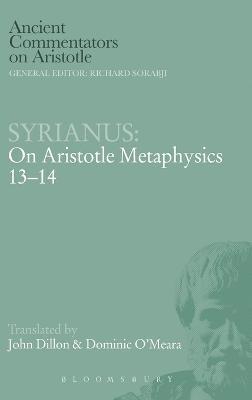
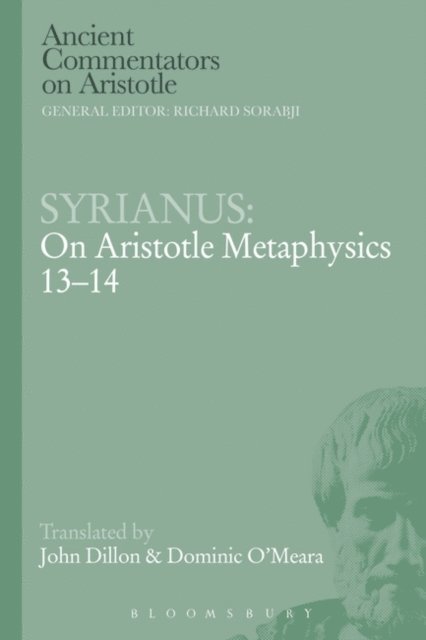
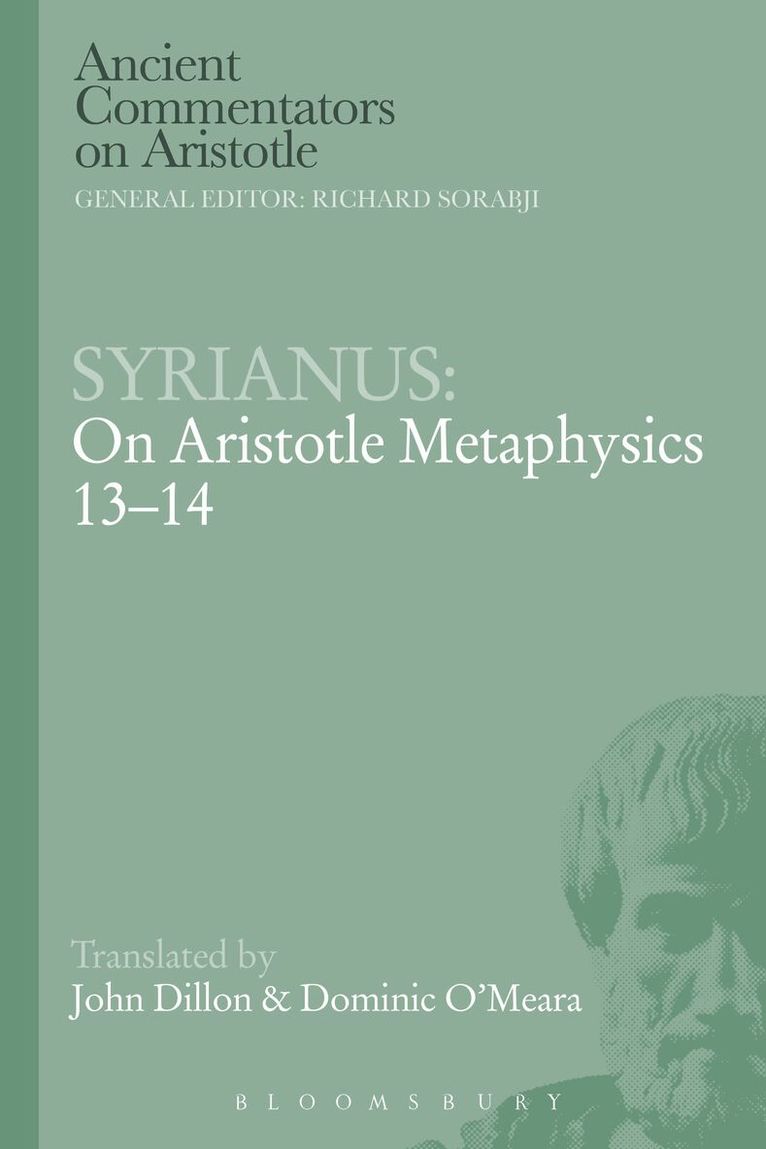
On Aristotle Metaphysics 13-14
Inbunden, 2007
1843 kr
Lägg i varukorg
Until the launch of this series nearly twenty years ago, the 15,000 volumes of the ancient Greek commentators on Aristotle, written mainly between 200 and 600 AD, constituted the largest corpus of extant Greek philosophical writings not translated into English or other European languages. Over 40 …
Syrianus
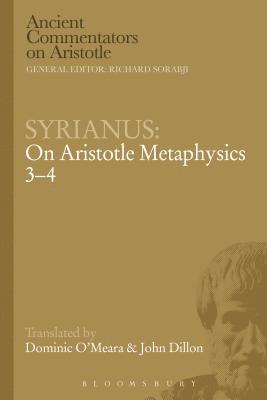
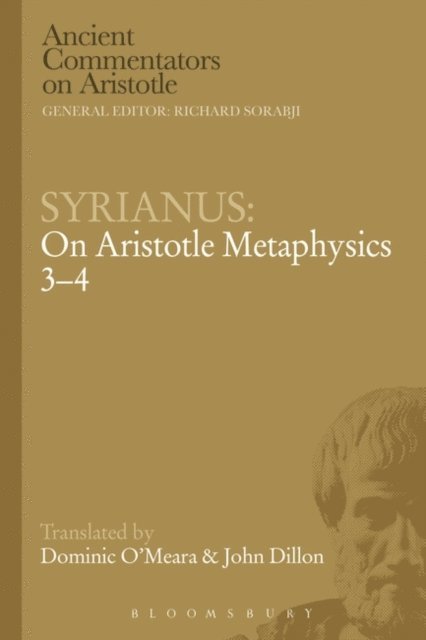
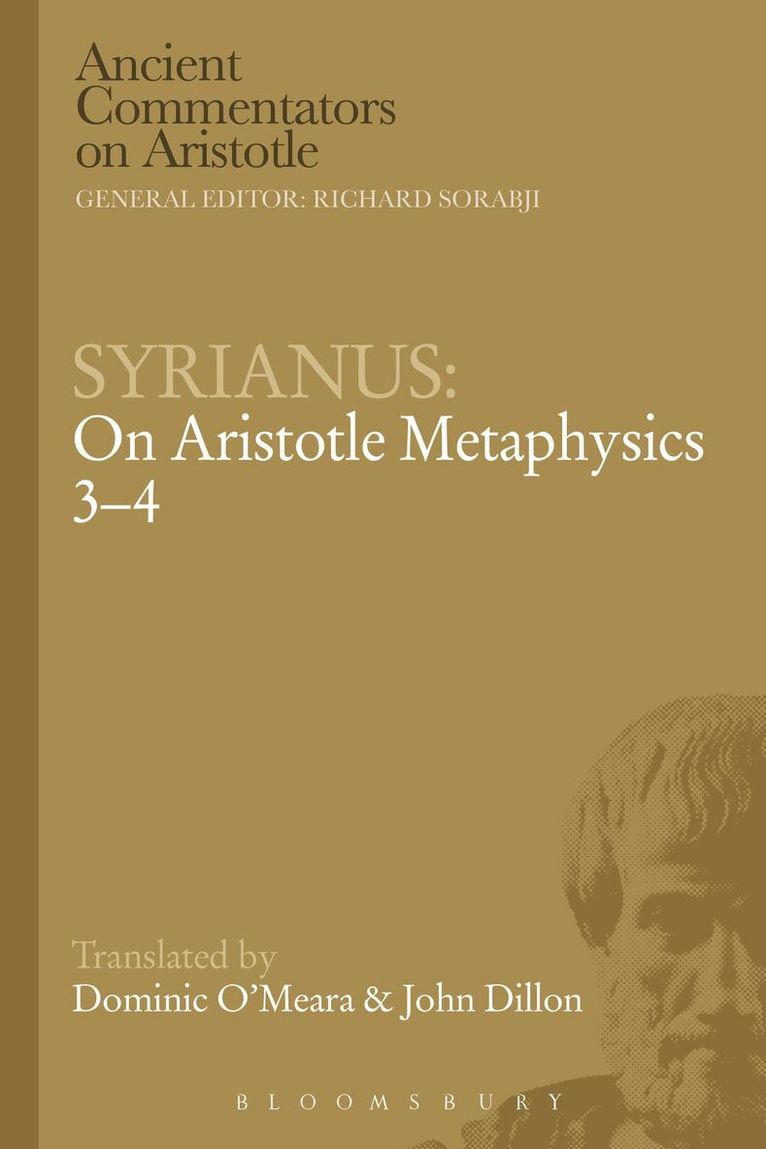
On Aristotle Metaphysics 3-4
Av Syrianus, Dominic J. O'Meara
Inbunden, 2008
2266 kr
Lägg i varukorg
Syrianus, originally from Alexandria, moved to Athens and became the head of the Academy there after the death of Plutarch of Athens. In discussing "Aristotle's 'Metaphysics' 3-4", shows how metaphysics, as a philosophical science, was conceived by the Neoplatonic philosopher of Late Antiquity. The …
Commentaria in Aristotelem Graeca
Av Alexander, Olympiodorus m. fl.
Inbunden, 2022
470 kr
Lägg i varukorg
Syrianus: On Aristotle Metaphysics 13-14
Av Syrianus
E-bok, 2014
595 kr
Lägg i varukorg
Until the launch of this series in 1985, the 15,000 volumes of the ancient Greek commentators on Aristotle, written mainly between 200 and 600 AD, constituted the largest corpus of extant Greek philosophical writings not translated into English or other European languages. Syrianus, originally from …
Syrianus: On Aristotle Metaphysics 3-4
Av Syrianus
E-bok, 2014
608 kr
Lägg i varukorg
Syrianus, originally from Alexandria, moved to Athens and became the head of the Academy there after the death of Plutarch of Athens. This discussion of Aristotle''s Metaphysics 3-4 shows how metaphysics, as a philosophical science, was conceived by the Neoplatonic philosopher of Late Antiquity. …
Syrianus: On Aristotle Metaphysics 13-14
Häftad, 2014
558 kr
Lägg i varukorg
Until the launch of this series in 1985, the 15,000 volumes of the ancient Greek commentators on Aristotle, written mainly between 200 and 600 AD, constituted the largest corpus of extant Greek philosophical writings not translated into English or other European languages. Syrianus, originally from …
Syrianus: On Aristotle Metaphysics 3-4
Häftad, 2014
558 kr
Lägg i varukorg
Syrianus, originally from Alexandria, moved to Athens and became the head of the Academy there after the death of Plutarch of Athens. This discussion of Aristotle's Metaphysics 3-4 shows how metaphysics, as a philosophical science, was conceived by the Neoplatonic philosopher of Late Antiquity. The …