T. Fahy - Böcker
Visar alla böcker från författaren T. Fahy. Handla med fri frakt och snabb leverans.
4 produkter
4 produkter
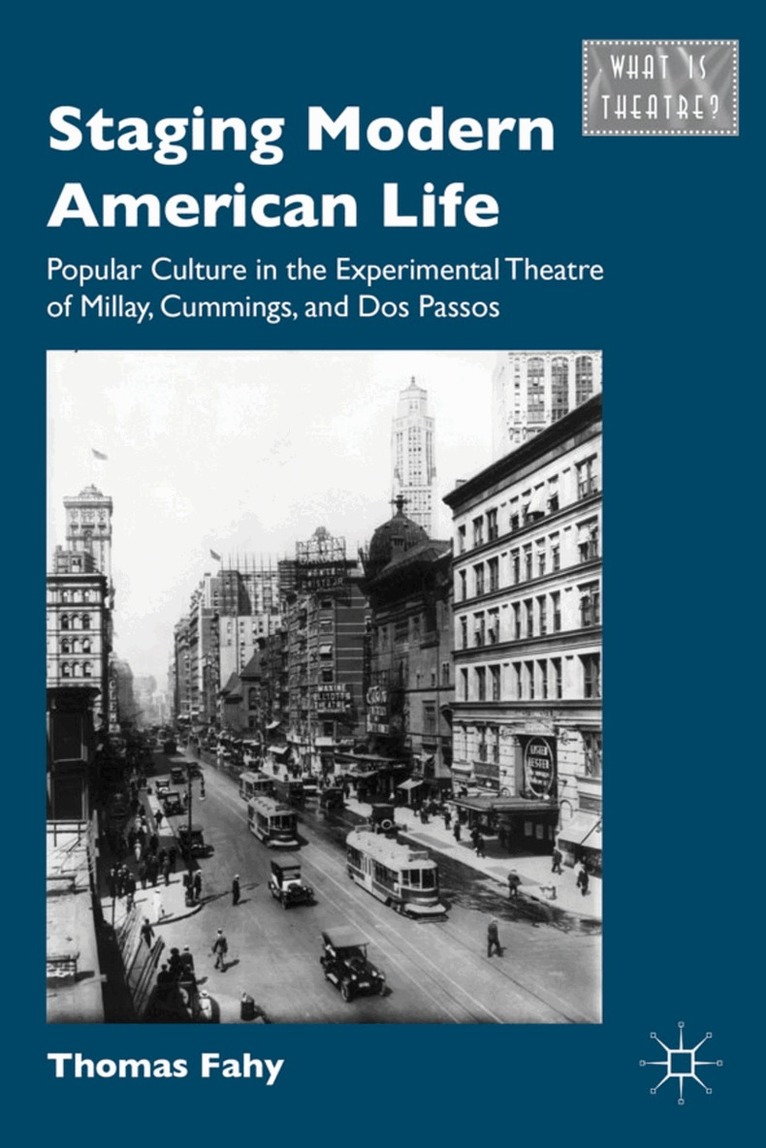
Staging Modern American Life
Popular Culture in the Experimental Theatre of Millay, Cummings, and Dos Passos
Inbunden, Engelska, 2011
564 kr
Skickas inom 10-15 vardagar
Thomas Fahy examines the integration of and challenges to popular culture found in the theatrical works of Millay, Cummings, and Dos Passos, which have largely been marginalized in discussions of theatre history and literary studies, despite offering a hybrid theatre that integrates popular with formal, and mainstream with experimental
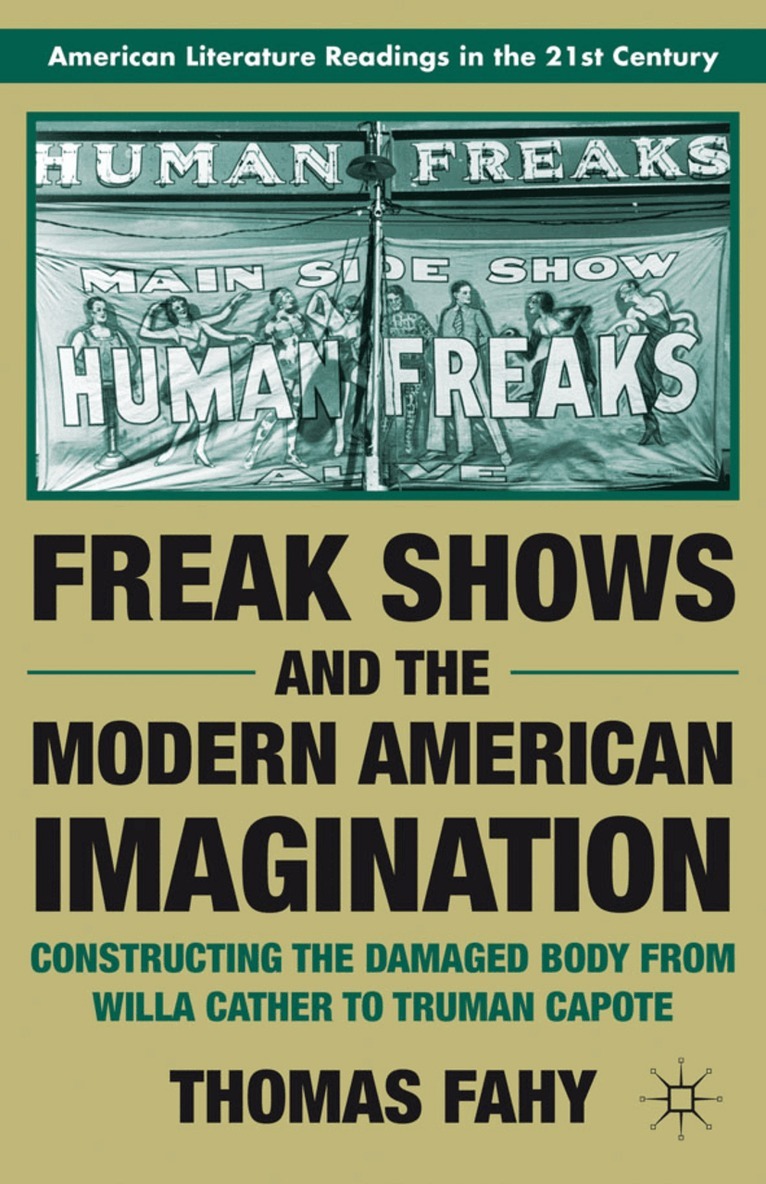
Freak Shows and the Modern American Imagination
Constructing the Damaged Body from Willa Cather to Truman Capote
Häftad, Engelska, 2011
614 kr
Skickas inom 10-15 vardagar
This book examines the artistic use of freak shows between 1900-1950. During this period, the freak show shifted from a highly popular and profitable form of entertainment to a reviled one. But why? And how does this response reflect larger social changes in the United States at the time? Fahy examines this change and how artists responded.
Staging Modern American Life
Popular Culture in the Experimental Theatre of Millay, Cummings, and Dos Passos
Häftad, Engelska, 2011
564 kr
Skickas inom 10-15 vardagar
Thomas Fahy examines the integration of and challenges to popular culture found in the theatrical works of Millay, Cummings, and Dos Passos, which have largely been marginalized in discussions of theatre history and literary studies, despite offering a hybrid theatre that integrates popular with formal, and mainstream with experimental
Freak Shows and the Modern American Imagination
Constructing the Damaged Body from Willa Cather to Truman Capote
Inbunden, Engelska, 2006
614 kr
Skickas inom 10-15 vardagar
This book examines the artistic use of freak shows between 1900-1950. During this period, the freak show shifted from a highly popular and profitable form of entertainment to a reviled one. But why? And how does this response reflect larger social changes in the United States at the time? Fahy examines this change and how artists responded.