T. Givon – författare
Visar alla böcker från författaren T. Givon. Handla med fri frakt och snabb leverans.
6 produkter
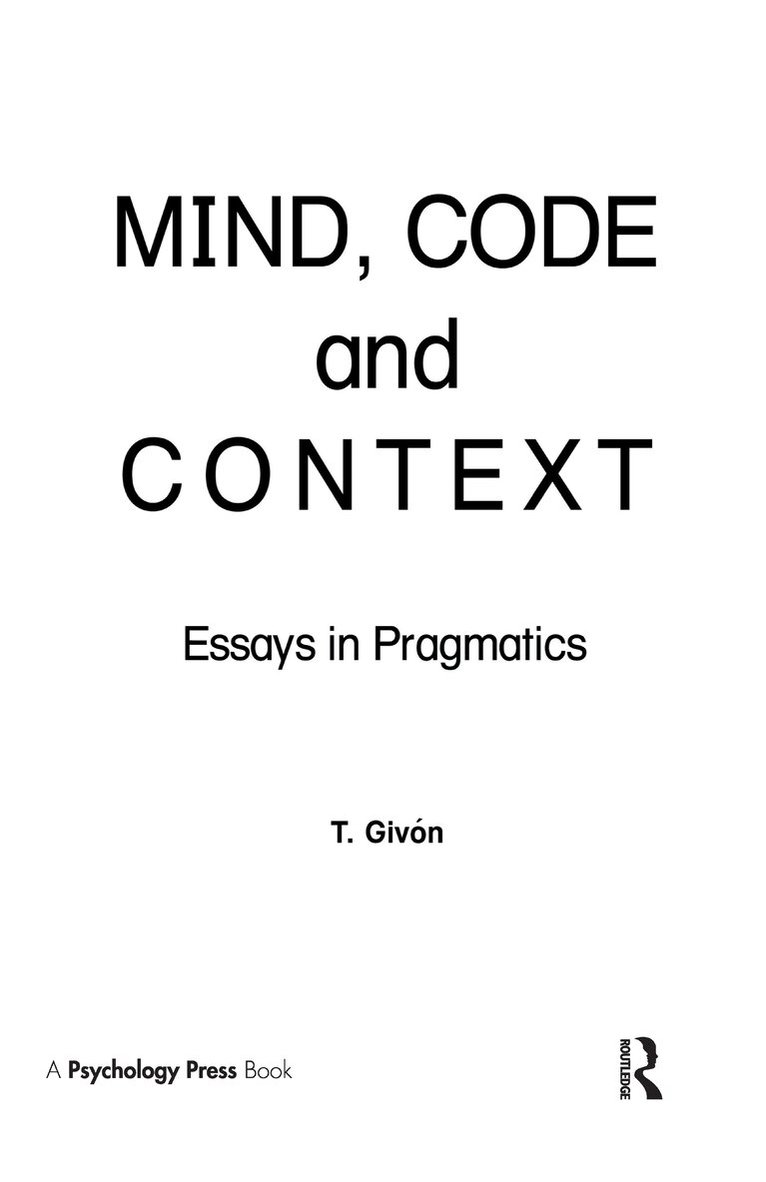
Mind, Code and Context
Essays in Pragmatics
Av T. Givon
Inbunden, 1989
787 kr
Lägg i varukorg
Scholars concerned with the phenomenon of mind have searched through history for a principled yet non-reductionist approach to the study of knowledge, communication, and behavior. Pragmatics has been a recurrent theme in Western epistemology, tracing itself back from pre-Socratic dialectics and …
Mind, Code and Context
Essays in Pragmatics
Av T. Givon
E-bok, 2014
760 kr
Lägg i varukorg
Scholars concerned with the phenomenon of mind have searched through history for a principled yet non-reductionist approach to the study of knowledge, communication, and behavior. Pragmatics has been a recurrent theme in Western epistemology, tracing itself back from pre-Socratic dialectics and …
Mind, Code and Context
Essays in Pragmatics
Av T. Givon
E-bok, 2014
785 kr
Lägg i varukorg
Scholars concerned with the phenomenon of mind have searched through history for a principled yet non-reductionist approach to the study of knowledge, communication, and behavior. Pragmatics has been a recurrent theme in Western epistemology, tracing itself back from pre-Socratic dialectics and …
On the Role of Perceptual Clues in Hebrew Relativization
Av T. Givon
Häftad, 1975
189 kr
Tillfälligt slut
Relativization in Modern Israeli Hebrew is discussed from a number of perspectives. First, it is shown that when the resumptive (anaphoric) pronoun in Hebrew relativization is attracted to the position adjacent to the head noun, the relative subordinator she may be deleted. In other words, the …
Verb Complements and Relative Clauses in Biblical Hebrew
Av T. Givon
Häftad, 1974
178 kr
Tillfälligt slut
A diachronic development in Biblical Hebrew is studied by which the relative subordinating particle becomes also a verb-complement subordinator. It is argued that this development is internally motivated and is not the result of borrowing; and that the development is not the result of simple-minded …
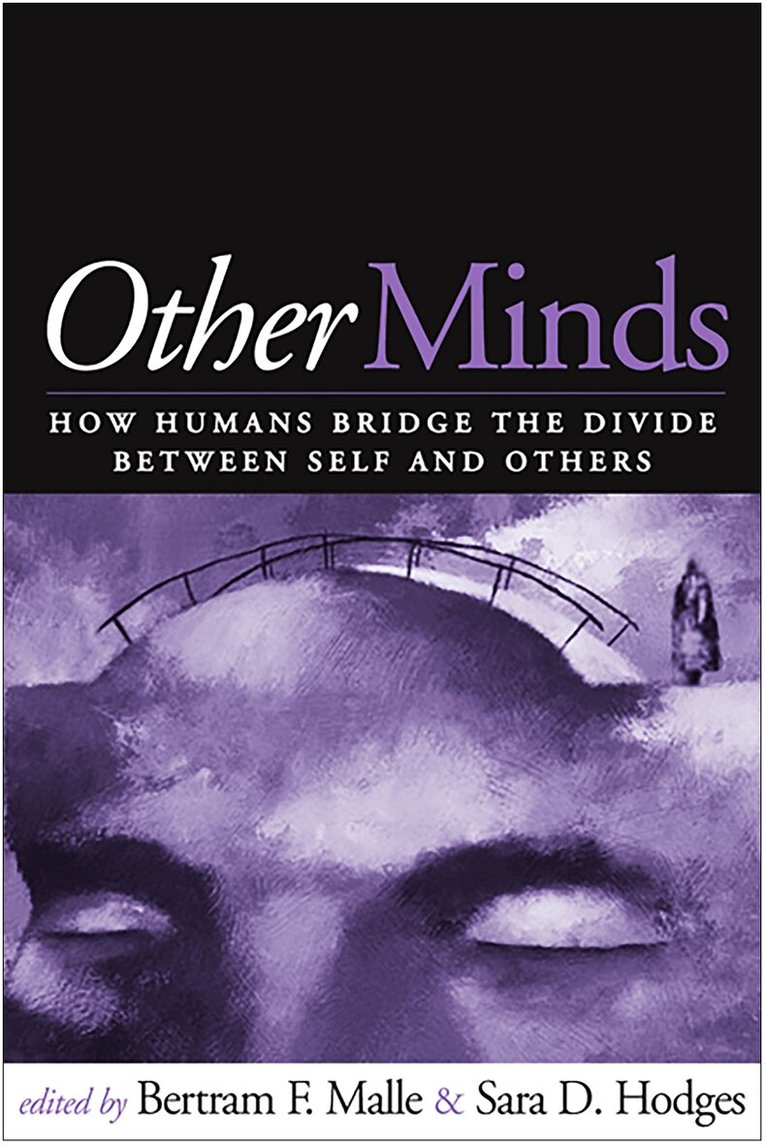
Other Minds
How Humans Bridge the Divide between Self and Others
Av Bertram F. Malle, Sara D. Hodges m. fl.
Häftad, 2007
380 kr
Tillfälligt slut
One of the great challenges of social cognitive science is to understand how we can enter, or read, the minds of others--that is, infer complex mental states such as beliefs, desires, intentions, and emotions. This book brings together leading scholars from psychology, neuroscience, and philosophy …