Takako Takahashi - Böcker
Visar alla böcker från författaren Takako Takahashi. Handla med fri frakt och snabb leverans.
2 produkter
2 produkter
799 kr
Skickas inom 3-6 vardagar
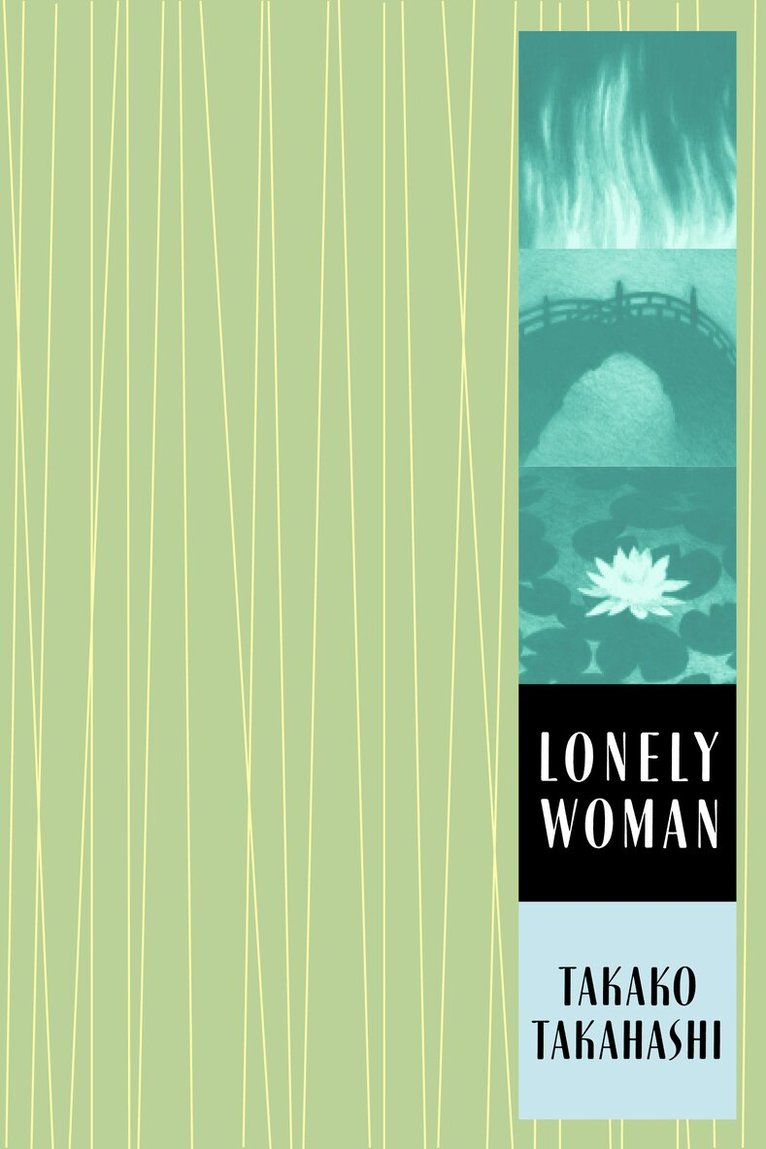
Replete with madwomen, murderers, musicians, and mystics, Lonely Woman dramatically interweaves the lives of five women. It remains Takako Takahashi's most sustained and multifaceted fictional realization of her concept of "loneliness." Her fiction typically features a woman for whom dreams and fantasies, crime, madness, sexual deviance, or occult pursuits serve as a temporary release from her society's definitions of female identity. The combination of surrealist, feminist, and religious themes in Takahashi's work makes it unique among that of modern Japanese women writers. The five individually titled short stories that constitute Lonely Woman are linked by certain characters, themes, and plot elements. In the first story, "Lonely Woman," a series of arson incidents in her neighborhood causes a nihilistic young woman to become fascinated with the psychology of the person who perpetrated the crimes. Her fantasies of the euphoric pleasure of setting a fire heighten her awareness of her own violent tendencies. "The Oracle" portrays a young widow who becomes convinced, through several disturbing dreams, that her late husband was unfaithful to her.She devises a cruel, ritualistic act as a strategy for defusing her sense of helpless rage. In "Foxfire," a store clerk has a series of encounters with sly, seductive youngsters and is revitalized by her discovery of the criminal and sexual impulses that lurk beneath their innocent facades. In "The Suspended Bridge," a bored housewife's passion is rekindled when a man with whom she once had a sadomasochistic relationship reenters her life. "Strange Affinities" recasts crime, madness, and amour fou as catalysts of a process of spiritual enlightenment: an old woman searches for an elusive man who seems to embody the bliss of self-renunciation.
559 kr
Skickas inom 10-15 vardagar
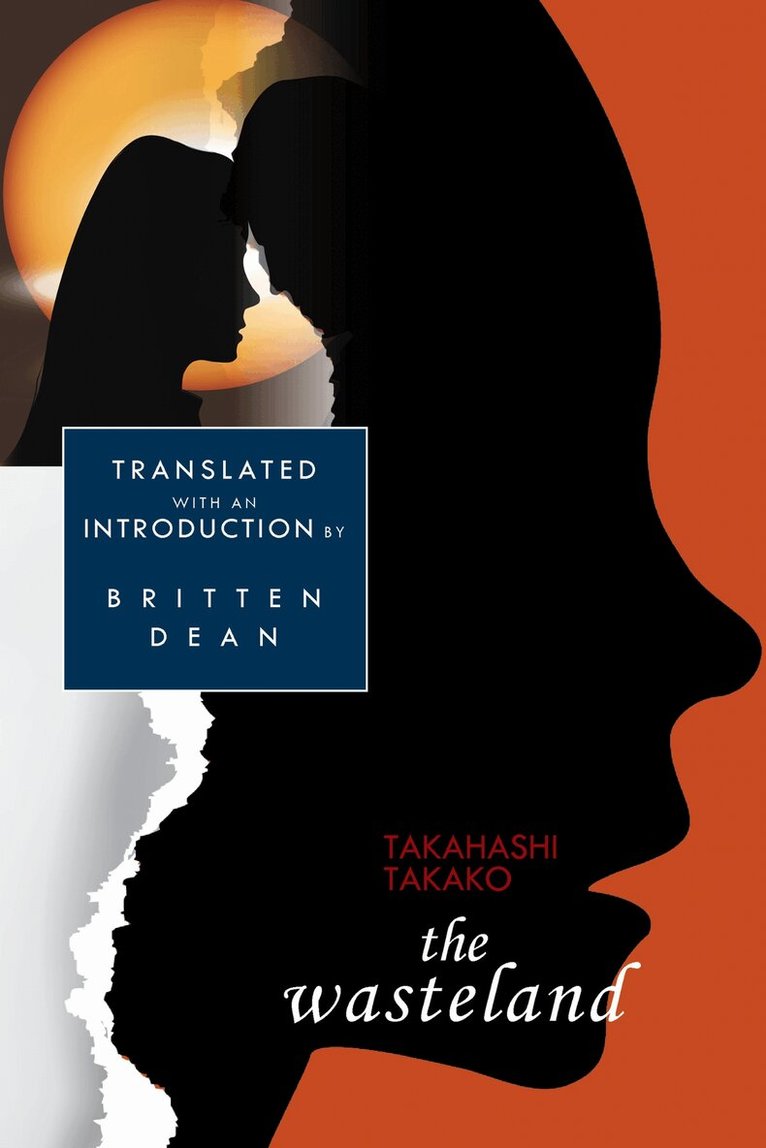
The Wasteland explores the psychology of the modern Japanese woman and her urge to realize an inner self of latent sexuality, long suppressed in Japan's male-dominated society. Nobe Michiko, the novel's narcissistic protagonist, leaves ruined lives in her wake as she pursues her lustful goals. The author, Takahashi Takako (1932–2013) earned bachelor's and master's degrees in French literature at prestigious Kyoto University, a remarkable achievement for a woman in the 1950s. There, she was influenced by the decadent poetry of Charles Baudelaire (1821–1867) and the writings of novelist and Catholic apologist François Mauriac (1885–1970). Christianity and depravity characterize both The Wasteland and many of Takahashi's other works. The novel was first published in 1980 at a time of explosive Japanese economic growth, which, in Takahashi's view, had created in Tokyo a wasteland of immorality and inhumanity. Yet it is a Christian novel, for the author was a devout Roman Catholic (indeed a one-time nun), and the title page epigraph from the Old Testament book of Hosea unmistakably mantles the narrative in a religious message: God is here to help if the wayward would but listen. But, do they listen?