Tanya Harmer – författare
Visar alla böcker från författaren Tanya Harmer. Handla med fri frakt och snabb leverans.
14 produkter
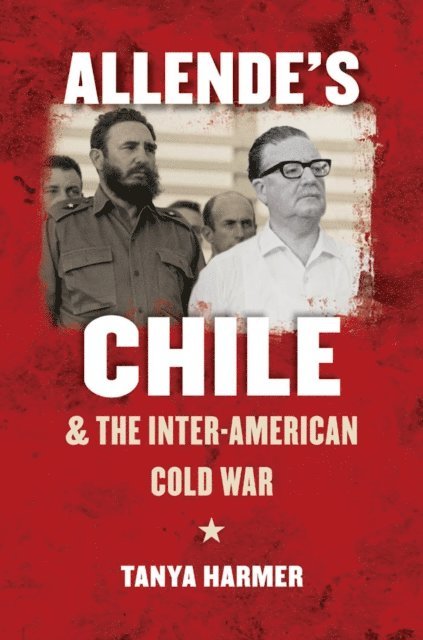
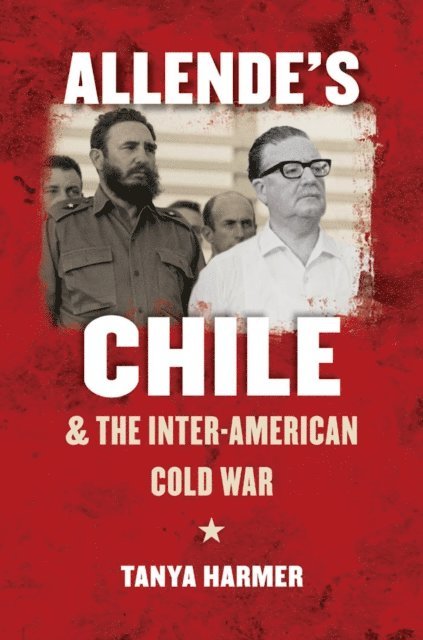
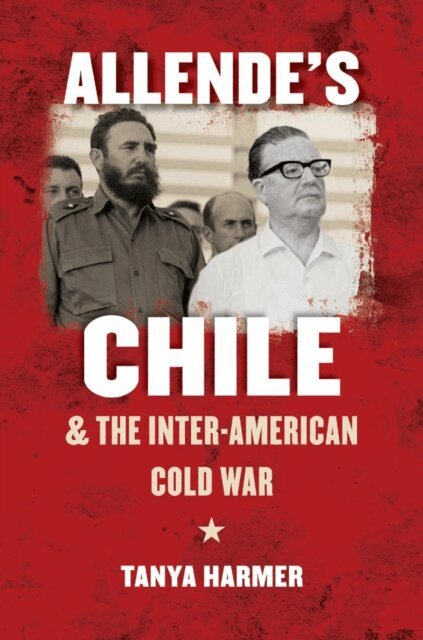
Allende's Chile and the Inter-American Cold War
Av Tanya Harmer
E-bok, 2011
279 kr
Lägg i varukorg
Fidel Castro described Salvador Allende’s democratic election as president of Chile in 1970 as the most important revolutionary triumph in Latin America after the Cuban revolution. Yet celebrations were short lived. In Washington, the Nixon administration vowed to destroy Allende’s left-wing …
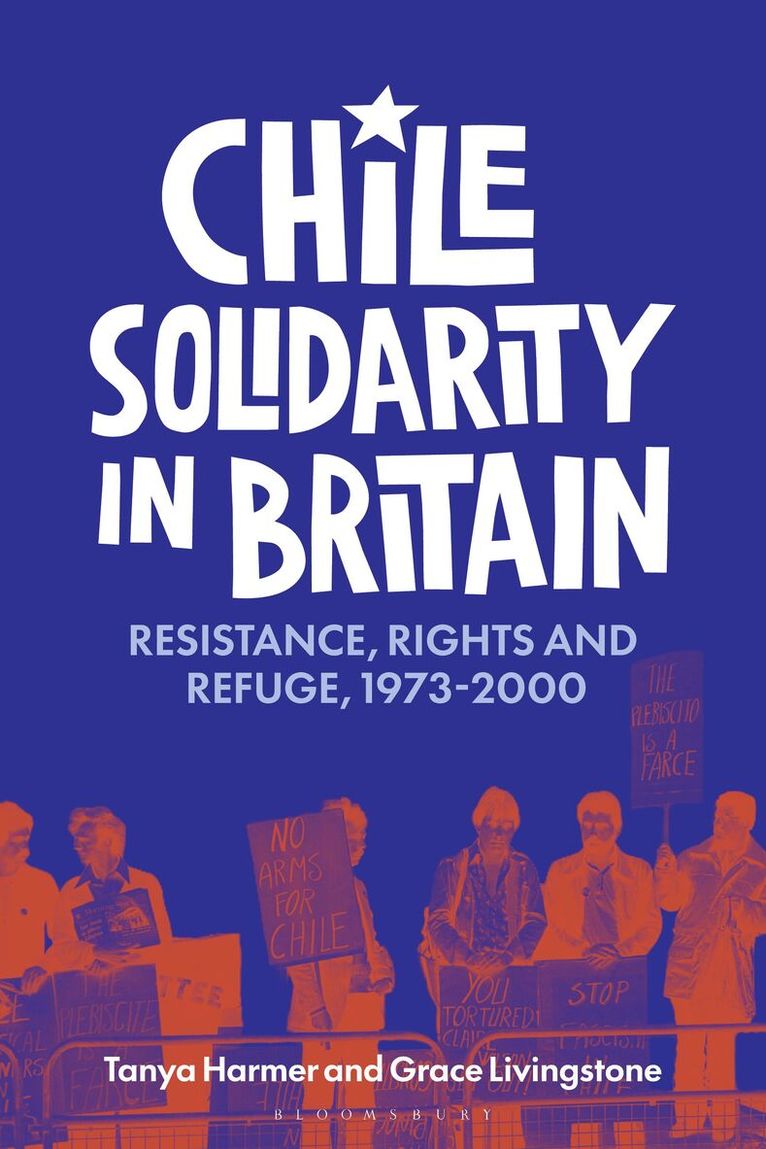
Chile Solidarity in Britain
Resistance, Rights and Refuge, 1973-2000
Av Tanya Harmer, Grace Livingstone
Häftad, 2027
347 kr
Kommande
The Chilean military’s violent overthrow of Salvador Allende’s democratically-elected government sent shock waves around the world and sparked a global solidarity movement. This book traces that international campaign to Britain, where politicians, trade unionists, students, women’s rights …
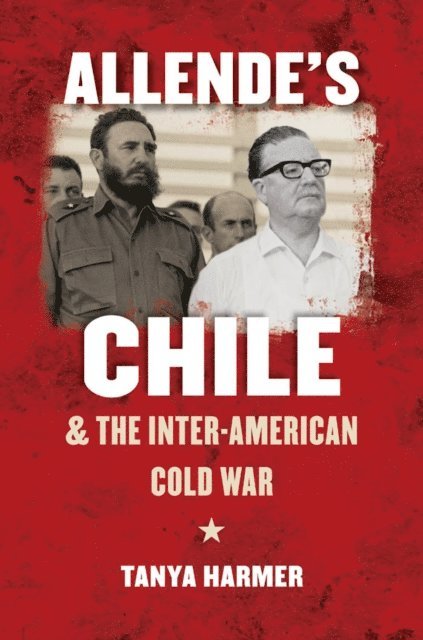
Allende's Chile and the Inter-American Cold War
Av Tanya Harmer
Häftad, 2014
474 kr
Lägg i varukorg
Fidel Castro described Salvador Allende's democratic election as president of Chile in 1970 as the most important revolutionary triumph in Latin America after the Cuban revolution. Yet celebrations were short lived. In Washington, the Nixon administration vowed to destroy Allende's left-wing …
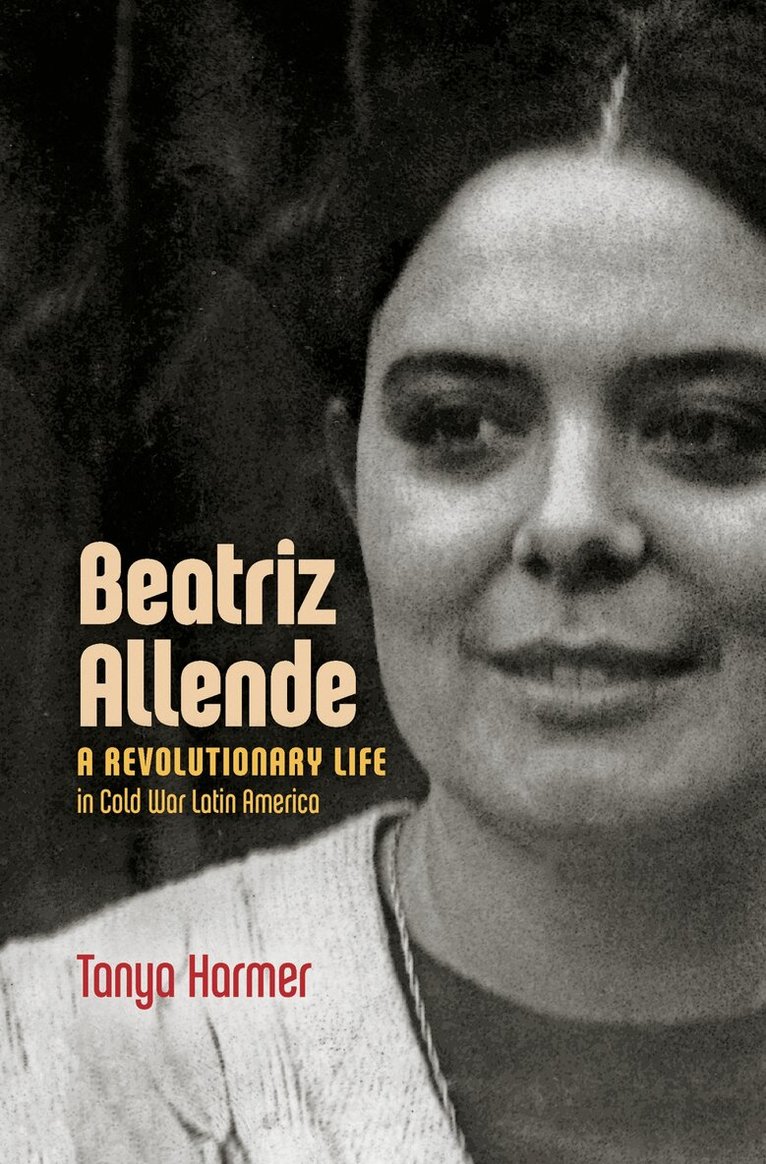
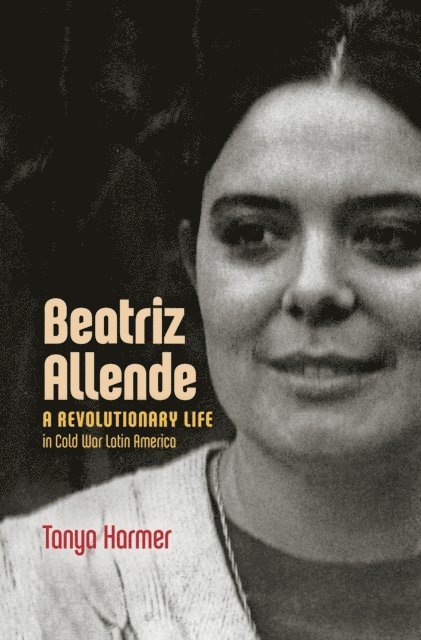
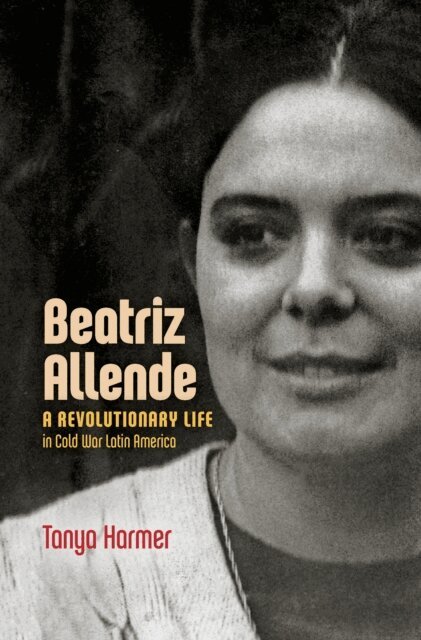
Beatriz Allende
A Revolutionary Life in Cold War Latin America
Av Tanya Harmer
Häftad, 2024
343 kr
Lägg i varukorg
This biography of Beatriz Allende (1942–1977)—revolutionary doctor and daughter of Chile's socialist president, Salvador Allende—portrays what it means to live, love, and fight for change. Inspired by the Cuban Revolution, Beatriz and her generation drove political campaigns, university reform, …
Allende's Chile and the Inter-American Cold War
Av Tanya Harmer
E-bok, 2011
1516 kr
Lägg i varukorg
Fidel Castro described Salvador Allende''s democratic election as president of Chile in 1970 as the most important revolutionary triumph in Latin America after the Cuban revolution. Yet celebrations were short lived. In Washington, the Nixon administration vowed to destroy Allende''s left-wing …
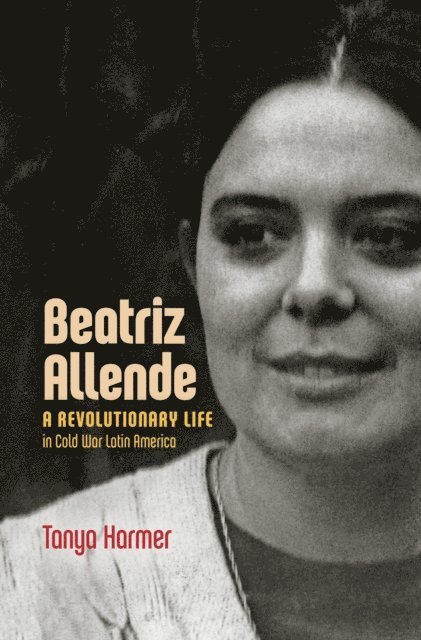
Beatriz Allende
A Revolutionary Life in Cold War Latin America
Av Tanya Harmer
E-bok, 2020
2114 kr
Lägg i varukorg
This biography of Beatriz Allende (1942–1977)—revolutionary doctor and daughter of Chile’s socialist president, Salvador Allende—portrays what it means to live, love, and fight for change. Inspired by the Cuban Revolution, Beatriz and her generation drove political campaigns, university reform, …
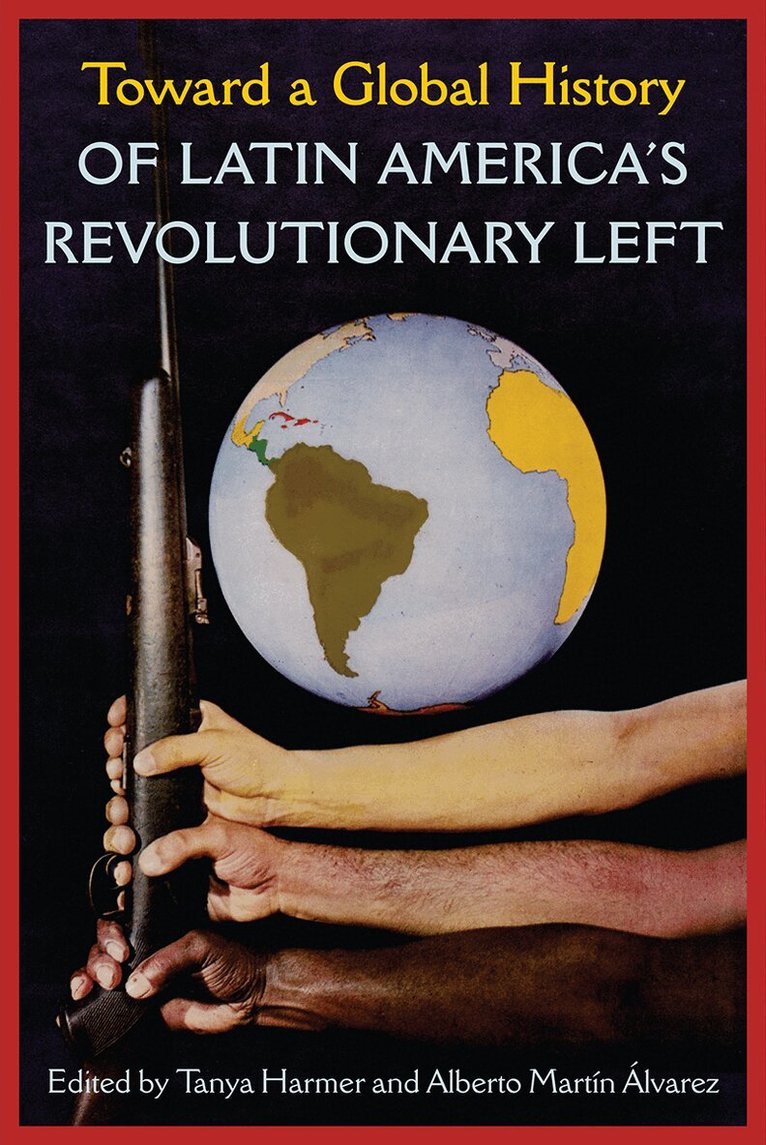
Toward a Global History of Latin America's Revolutionary Left
Av Tanya Harmer, Alberto Martín Alvarez
Inbunden, 2021
1058 kr
Lägg i varukorg
This volume showcases new research on the global reach of Latin American revolutionary movements during the height of the Cold War, mapping out the region's little-known connections with Africa, Asia, and Europe. Toward a Global History of Latin America's Revolutionary Left offers insights into the …
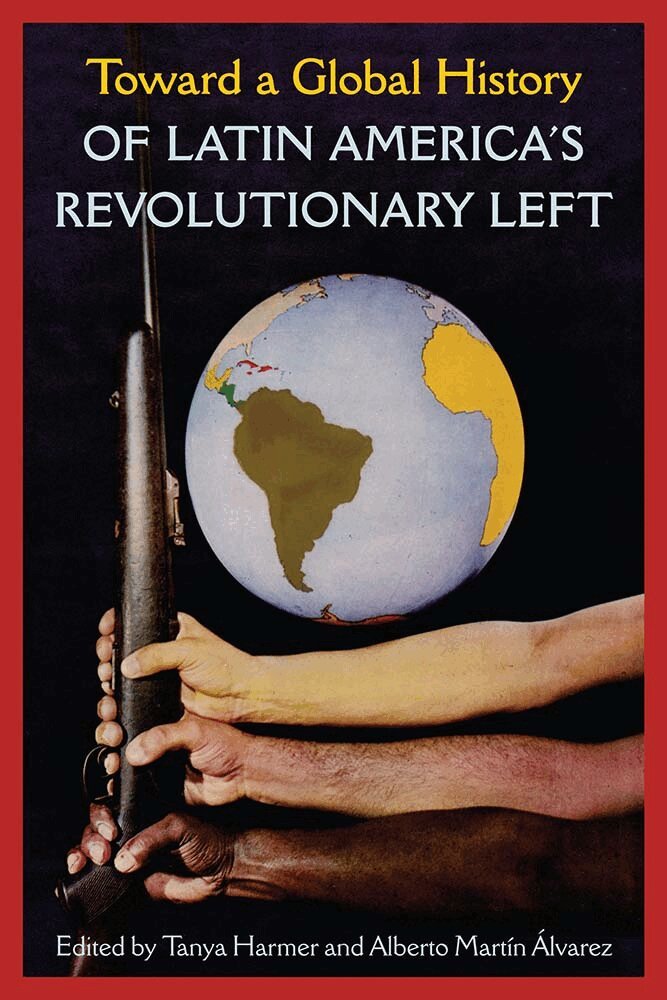
Toward a Global History of Latin America's Revolutionary Left
Av Tanya Harmer, Alberto Martín Álvarez
Häftad, 2025
358 kr
Lägg i varukorg
Exploring the global connections of Latin America's revolutionary movements in the 1960s and 1970sThis volume showcases new research on the global reach of Latin American revolutionary movements during the height of the Cold War, mapping out the region’s little-known connections with Africa, Asia, …
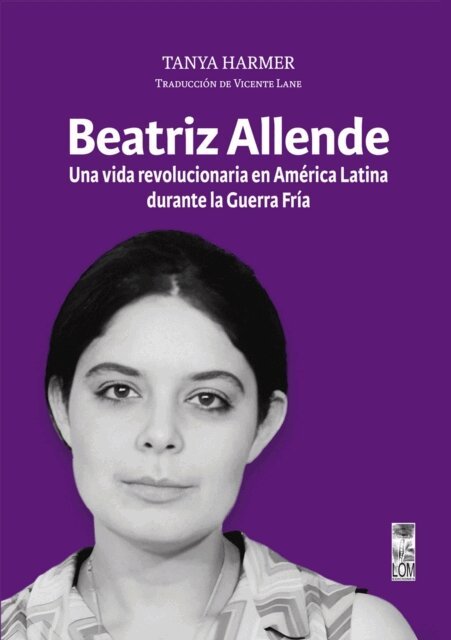
Beatriz Allende
Una vida revolucionaria en Am�rica Latina durante la Guerra Fr�a
Av Tanya Harmer
E-bok, 2025
185 kr
Lägg i varukorg
Beatriz Allende es tambi�n la historia pol�tica m�s amplia de Am�rica Latina en contexto de la Guerra fr�a, la que permite conocer un mundo, una �poca y una generaci�n. Una mujer revolucionaria, como tantas, actores hist�ricos por derecho propio.
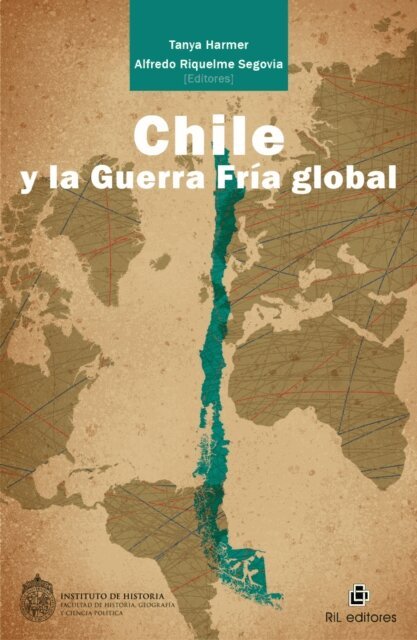
Chile y la Guerra Fría global
Av Alfredo Riquelme Segovia, Tanya Harmer
E-bok, 2024
165 kr
Lägg i varukorg
¿Cuán conectadas están la historia política de Chile y la Guerra Fría global? ¿Qué grado de influencia tienen los procesos mundiales en los hechos que han marcado la historia nacional? ¿Podemos entender lo que ha pasado en Chile como un hecho aislado o simplemente una consecuencia propia de una …
Beatriz Allende
A Revolutionary Life in Cold War Latin America
Av Tanya Harmer
E-bok, 2020
294 kr
Lägg i varukorg
This biography of Beatriz Allende (1942–1977)—revolutionary doctor and daughter of Chile’s socialist president, Salvador Allende—portrays what it means to live, love, and fight for change. Inspired by the Cuban Revolution, Beatriz and her generation drove political campaigns, university reform, …
Beatriz Allende
A Revolutionary Life in Cold War Latin America
Av Tanya Harmer
E-bok, 2020
2114 kr
Lägg i varukorg
This biography of Beatriz Allende (1942–1977)—revolutionary doctor and daughter of Chile’s socialist president, Salvador Allende—portrays what it means to live, love, and fight for change. Inspired by the Cuban Revolution, Beatriz and her generation drove political campaigns, university reform, …
Allende's Chile and the Inter-American Cold War
Av Tanya Harmer
E-bok, 2011
286 kr
Lägg i varukorg
Fidel Castro described Salvador Allende’s democratic election as president of Chile in 1970 as the most important revolutionary triumph in Latin America after the Cuban revolution. Yet celebrations were short lived. In Washington, the Nixon administration vowed to destroy Allende’s left-wing …
Allende's Chile and the Inter-American Cold War
Av Tanya Harmer
E-bok, 2011
1144 kr
Lägg i varukorg
Fidel Castro described Salvador Allende’s democratic election as president of Chile in 1970 as the most important revolutionary triumph in Latin America after the Cuban revolution. Yet celebrations were short lived. In Washington, the Nixon administration vowed to destroy Allende’s left-wing …