Alberto Martín Álvarez - Böcker
Visar alla böcker från författaren Alberto Martín Álvarez. Handla med fri frakt och snabb leverans.
7 produkter
7 produkter
2 305 kr
Skickas inom 10-15 vardagar
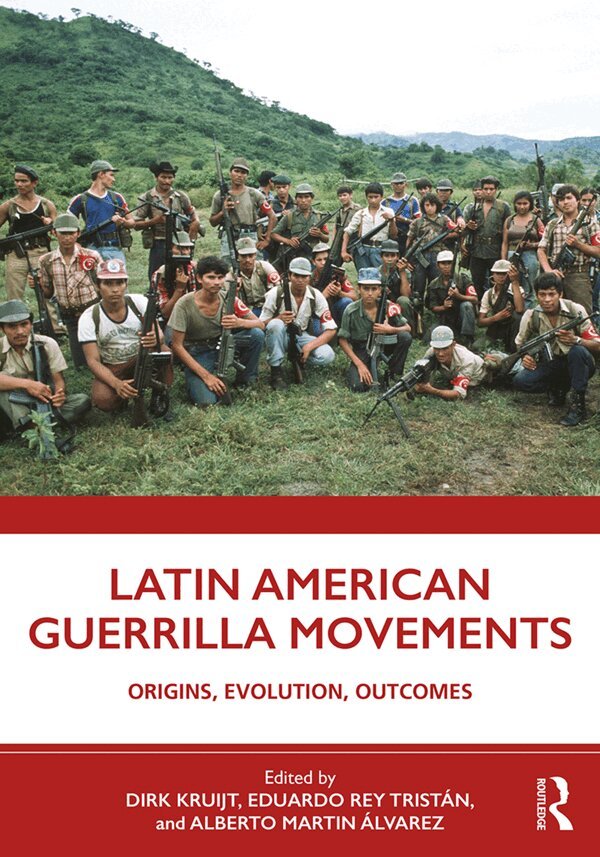
Organized around single country studies embedded in key historical moments, this book introduces students to the shifting and varied guerrilla history of Latin America from the late 1950s to the present. It brings together academics and those directly involved in aspects of the guerrilla movement, to understand each country’s experience with guerrilla warfare and revolutionary activism.The book is divided in four thematic parts after two opening chapters that analyze the tradition of military involvement in Latin American politics and the parallel tradition of insurgency and coup effort against dictatorship. The first two parts examine active guerrilla movements in the 1960s and 1970s with case studies including Bolivia, Nicaragua, Peru, Argentina, Chile and Uruguay. Part 3 is dedicated to the Central American Civil Wars of the 1980s and 1990s in Nicaragua, El Salvador and Guatemala. Part 4 examines specific guerrilla movements which require special attention. Chapters include Colombia’s complicated guerrilla scenery; the rivalling Shining Path and Tupac Amaru guerrillas in Peru; small guerrilla movements in Mexico which were never completely documented; and transnational guerrilla operations in the Southern Cone. The concluding chapter presents a balance of the entire Latin American guerrilla at present.Superbly accessible, while retaining the complexity of Latin American politics, Latin American Guerrilla Movements represents the best historical account of revolutionary movements in the region, which students will find of great use owing to its coverage and insights.
731 kr
Skickas inom 10-15 vardagar
Organized around single country studies embedded in key historical moments, this book introduces students to the shifting and varied guerrilla history of Latin America from the late 1950s to the present. It brings together academics and those directly involved in aspects of the guerrilla movement, to understand each country’s experience with guerrilla warfare and revolutionary activism.The book is divided in four thematic parts after two opening chapters that analyze the tradition of military involvement in Latin American politics and the parallel tradition of insurgency and coup effort against dictatorship. The first two parts examine active guerrilla movements in the 1960s and 1970s with case studies including Bolivia, Nicaragua, Peru, Argentina, Chile and Uruguay. Part 3 is dedicated to the Central American Civil Wars of the 1980s and 1990s in Nicaragua, El Salvador and Guatemala. Part 4 examines specific guerrilla movements which require special attention. Chapters include Colombia’s complicated guerrilla scenery; the rivalling Shining Path and Tupac Amaru guerrillas in Peru; small guerrilla movements in Mexico which were never completely documented; and transnational guerrilla operations in the Southern Cone. The concluding chapter presents a balance of the entire Latin American guerrilla at present.Superbly accessible, while retaining the complexity of Latin American politics, Latin American Guerrilla Movements represents the best historical account of revolutionary movements in the region, which students will find of great use owing to its coverage and insights.
2 306 kr
Skickas inom 10-15 vardagar
Leading figures and rising stars in the field present the first contribution explaining the transnational nature of the revolutionary violence of the New Left. Focusing on the processes of dissemination of ideologies and mobilization of ideas and repertoires of action among the revolutionary organizations of the New Left in Latin America, Europe, and the United States, this book contributes to our understanding of the dynamics of the New Left wave and, at the same time, helps explain the "why" of the emergence of very similar armed leftist groups in vastly different geographical and political contexts.
690 kr
Skickas inom 10-15 vardagar
Leading figures and rising stars in the field present the first contribution explaining the transnational nature of the revolutionary violence of the New Left. Focusing on the processes of dissemination of ideologies and mobilization of ideas and repertoires of action among the revolutionary organizations of the New Left in Latin America, Europe, and the United States, this book contributes to our understanding of the dynamics of the New Left wave and, at the same time, helps explain the "why" of the emergence of very similar armed leftist groups in vastly different geographical and political contexts.
994 kr
Skickas inom 10-15 vardagar
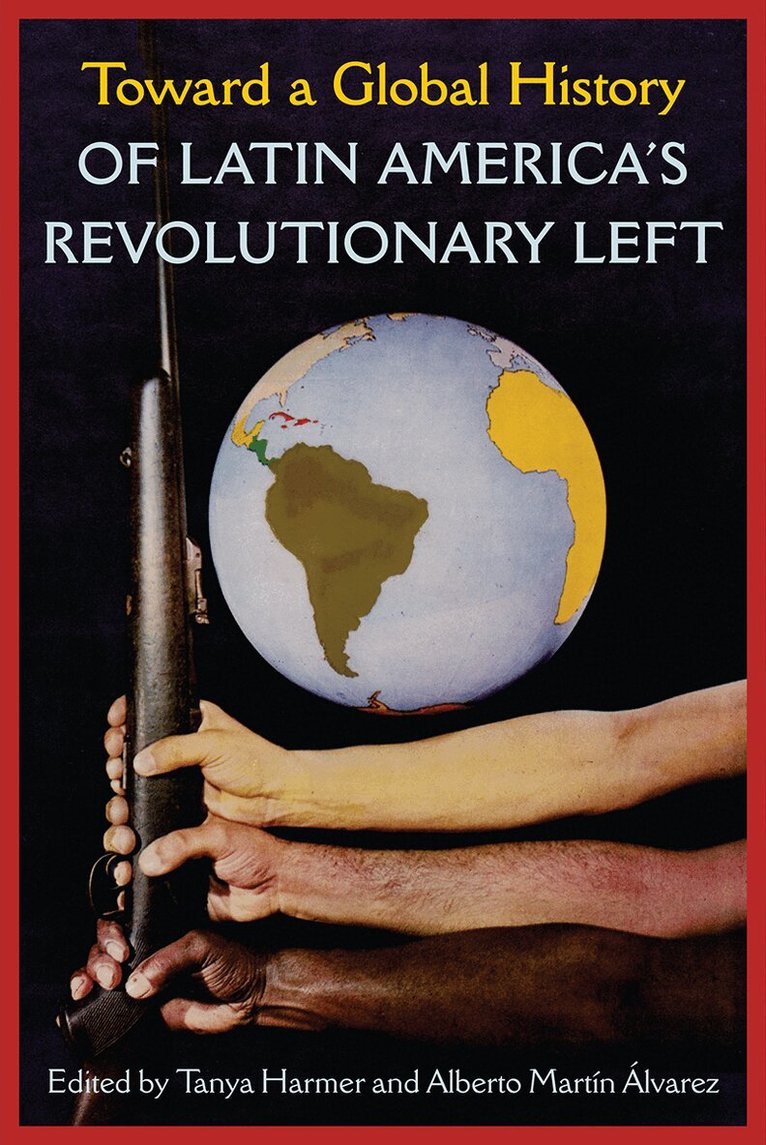
This volume showcases new research on the global reach of Latin American revolutionary movements during the height of the Cold War, mapping out the region's little-known connections with Africa, Asia, and Europe. Toward a Global History of Latin America's Revolutionary Left offers insights into the effect of international collaboration on the identities, ideologies, strategies, and survival of organizers and groups.Featuring contributions from historians working in six different countries, this collection includes chapters on Cuba's hosting of the 1966 Tricontinental Conference that brought revolutionary movements together; Czechoslovakian intelligence's logistical support for revolutionaries; the Brazilian Left's search for recognition in Cuba and China; the central role played by European publishing houses in disseminating news from Latin America; Italian support for Brazilian guerrillainsurgents; Spanish ties with Nicaragua's revolution; and the solidarity of European networks with Guatemala's Guerrilla Army of the Poor.Through its expansive geographical perspectives, this volume positions Latin America as a significant force on the international stage of the 1960s and 70s. It sets a new research agenda that will guide future study on leftist movements, transnational networks, and Cold War history in the region.
336 kr
Skickas inom 10-15 vardagar
Exploring the global connections of Latin America's revolutionary movements in the 1960s and 1970sThis volume showcases new research on the global reach of Latin American revolutionary movements during the height of the Cold War, mapping out the region’s little-known connections with Africa, Asia, and Europe. Toward a Global History of Latin America’s Revolutionary Left offers insights into the effect of international collaboration on the identities, ideologies, strategies, and survival of organizers and groups. Featuring contributions from historians working in six different countries, this collection includes chapters on Cuba’s hosting of the 1966 Tricontinental Conference that brought revolutionary movements together; Czechoslovakian intelligence’s logistical support for revolutionaries; the Brazilian Left’s search for recognition in Cuba and China; the central role played by European publishing houses in disseminating news from Latin America; Italian support for Brazilian guerrilla insurgents; Spanish ties with Nicaragua’s revolution; and the solidarity of European networks with Guatemala’s Guerrilla Army of the Poor. Through its expansive geographical perspectives, this volume positions Latin America as a significant force on the international stage of the 1960s and 1970s. It sets a new research agenda that will guide future study on leftist movements, transnational networks, and Cold War history in the region. Contributors: José Manuel Ágreda Portero Van Gosse James G. Hershberg Gerardo Leibner Blanca Mar León Eduardo Rey Tristán Arturo Taracena Arriola Michal Zourek
Del 4 - Explosive Politics
Building the Radical Identity
The Diffusion of the Ideological Framework of the New Left
Häftad, Engelska, 2022
434 kr
Skickas inom 5-8 vardagar
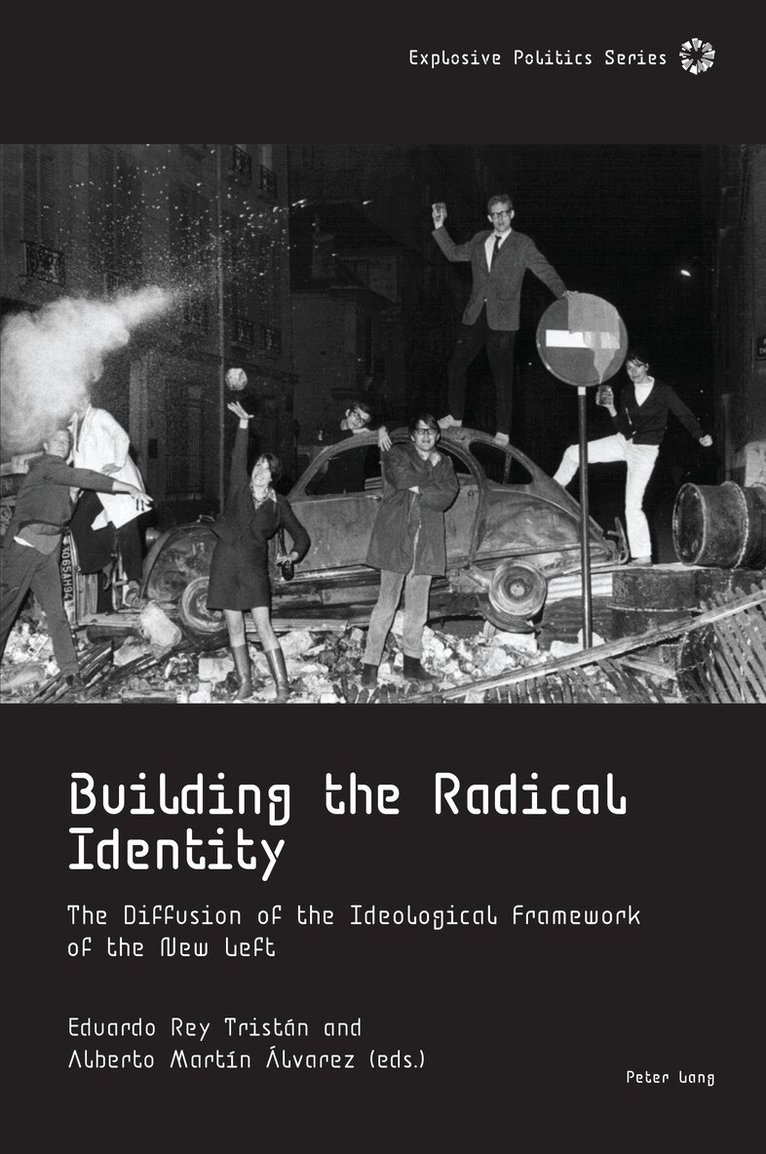
The New Left was a broad, heterogeneous, transnational, anti-systemic movement of movements which pursued the radical transformation of power structures during the 1960s and the early 1970s. Its activists opposed all forms of oppression – class, racial, gender and so forth – and strove for the redistribution of power on a global scale. Their ideas fuelled the intense cycles of protest of the period and allowed for symbolically connecting movements all over the world.This book reconstructs the dissemination of the characteristic ideas and traits of the New Left by analysing its most prominent magazines and journals. Through the analysis of US, European and Latin American publications, it reveals how the ideological framework of the New Left was conceived and disseminated by a series of critical communities of activists and intellectuals who communicated and debated across borders. The result of the joint efforts of a group of eminent specialists and young scholars from seven different countries, this pioneering work contributes valuable empirical evidence to the study of the processes of intellectual change occurring throughout the twentieth century.