Tara Zahra - Böcker
Visar alla böcker från författaren Tara Zahra. Handla med fri frakt och snabb leverans.
10 produkter
10 produkter
381 kr
Skickas
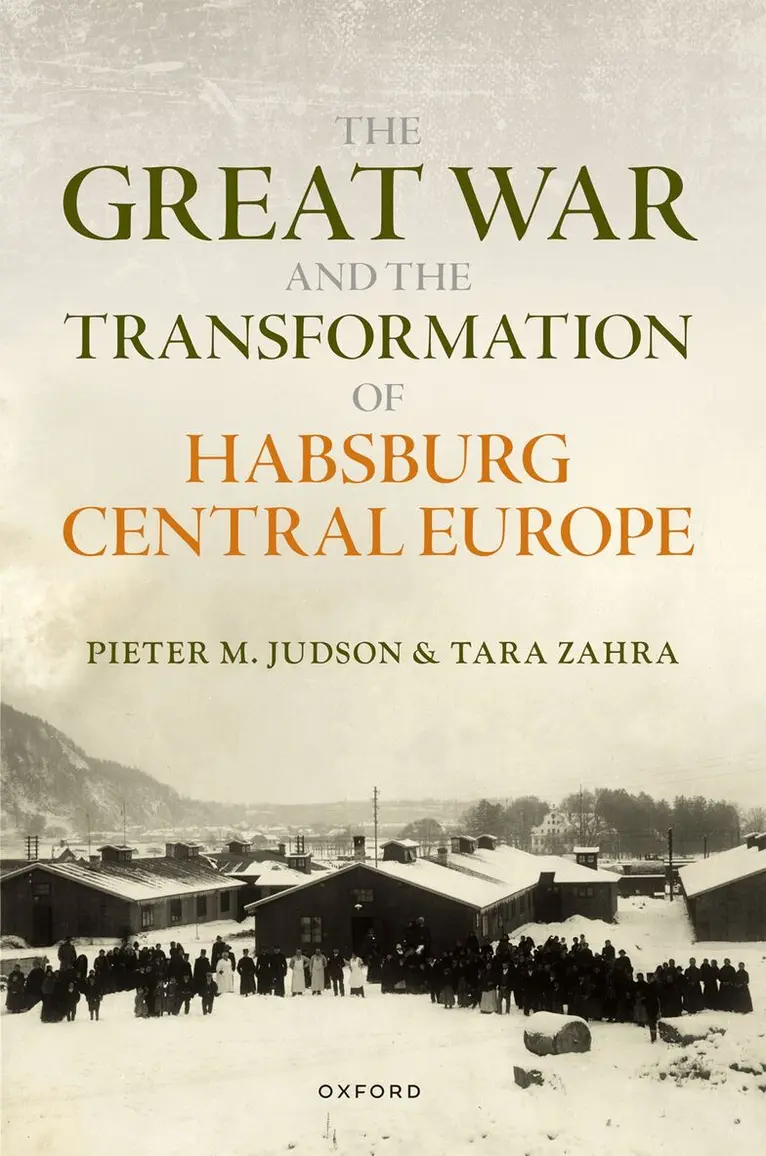
The world's eyes were on Austria-Hungary on June 28, 1914. But both inside and outside of Austria, few could imagine the dramatic consequences of the events in Sarajevo. The popular shock and anger that greeted the assassination did not mean war was a likely or necessary outcome - or, moreover, that the Monarchy itself was destined to disintegrate. The Great War and the Transformation of Habsburg Central Europe examines how the First World War transformed the multinational Austro-Hungarian Monarchy into a fractured landscape of mistrust, scarcity, and dissolution and laid the foundation for the new postwar world. The outcome of the war is not, it argues, evidence of the inherent fragility of multinational polities, and Austria-Hungary was not inevitably doomed to collapse on the eve of the war. Instead, it contends that the Habsburg state laid the groundwork for its own dissolution by turning on its citizens. By imposing military rule, suspending civil rights, fostering suspicions among its citizens based on the languages they spoke, and failing to secure enough food to feed the population, the Habsburg state both created new and exacerbated existing regional, local, religious, and national antagonisms. Over time, severe hardships on the home front, in occupied territories, and in refugee and prisoner-of-war camps spurred widespread resentment and eroded loyalty to the monarchy. But even as the empire frayed, the war inspired innovative institutions, social welfare measures, and new understandings of citizenship that continued to influence postwar Europe.By analyzing these experiences at multiple scales - local, imperial, and international - award-winning historians Pieter Judson and Tara Zahra here reframe the history of the late Habsburg Monarchy. Taking a deliberately broad chronology, they demonstrate that the war can no longer be treated as a mere postscript to Austria-Hungary's biography. Instead, the war was a constitutive factor in the Empire's dissolution, in the domestic relations that structured society in the successor states, and in the birth of the new world order institutionalized by the Paris Peace Conferences. Both the experience and outcome of the First World War in the Habsburg Monarchy held implications that extended far beyond its borders, and beyond the lives of its forty-eight million citizens.
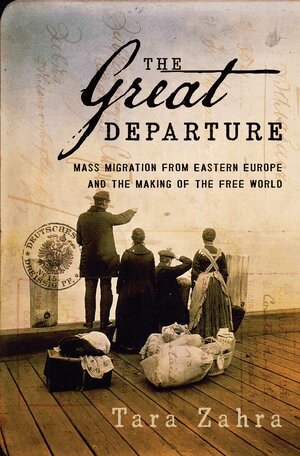
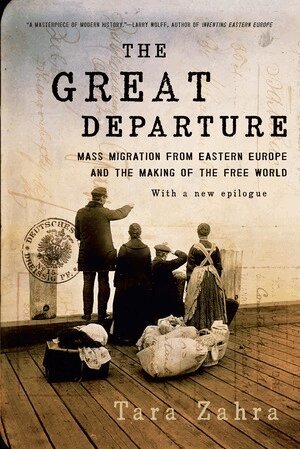
Great Departure
Mass Migration from Eastern Europe and the Making of the Free World
Inbunden, Engelska, 2016
266 kr
Skickas inom 7-10 vardagar
Between 1846 and 1940, more than 50 million Europeans moved to the Americas, irrevocably changing both their new lands and the ones they left behind. Their immigration fostered an idea of the “land of the free” and yet more than a third returned home again. In a ground-breaking study, Tara Zahra explores the deeper story of this movement of people.As villages emptied, some blamed traffickers in human labour. Others saw opportunity: to seed colonies like the Polish community in Argentina or to reshape their populations by encouraging the emigration of minorities. These precedents would shape the Holocaust, the closing of the Iron Curtain and tragedies of ethnic cleansing while also forming notions of social solidarity, human rights and freedom.
Great Departure
Mass Migration from Eastern Europe and the Making of the Free World
Häftad, Engelska, 2017
186 kr
Skickas inom 7-10 vardagar
Between 1846 and 1940, more than 50 million Europeans moved to the Americas, irrevocably changing both their new lands and the ones they left behind. Their immigration fostered an idea of the “land of the free” and yet more than a third returned home again. In a ground-breaking study, Tara Zahra explores the deeper story of this movement of people.As villages emptied, some blamed traffickers in human labour. Others saw opportunity: to seed colonies like the Polish community in Argentina or to reshape their populations by encouraging the emigration of minorities. These precedents would shape the Holocaust, the closing of the Iron Curtain and tragedies of ethnic cleansing while also forming notions of social solidarity, human rights and freedom.
320 kr
Skickas inom 7-10 vardagar
Before the First World War, enthusiasm for a borderless world reached its height. International travel, migration, trade and progressive projects on matters ranging from women’s rights to world peace reached a crescendo. Yet in the same breath, an undercurrent of reaction was growing, one that would surge ahead with the outbreak of war and its aftermath.In Against the World, a sweeping and ambitious work of history, acclaimed scholar Tara Zahra examines how nationalism, rather than internationalism, came to ensnare world politics in the early twentieth century. The air went out of the globalist balloon with the First World War as quotas were put on immigration and tariffs on trade, not only in the United States but across Europe, where war and disease led to mass societal upheaval. The “Spanish flu” heightened anxieties about porous national boundaries. The global impact of the 1929 economic crash and the Great Depression amplified a quest for food security in Europe and economic autonomy worldwide. Demands for relief from the instability and inequality linked to globalisation forged democracies and dictatorships alike, from Gandhi’s India to America’s New Deal and Hitler’s Third Reich. Immigration restrictions, racially constituted notions of citizenship, anti-Semitism, and violent outbursts of hatred of the “other” became the norm—coming to genocidal fruition in the Second World War.Millions across the political spectrum sought refuge from the imagined and real threats of the global economy in ways strikingly reminiscent of our contemporary political moment: new movements emerged focused on homegrown and local foods, domestically produced clothing and other goods and back-to-the-land communities. Rich with astonishing detail gleaned from Zahra’s unparalleled archival research in five languages, Against the World is a poignant and thorough exhumation of the popular sources of resistance to globalization. With anti-globalism a major tenet of today’s extremist agendas, Zahra's arrestingly clearsighted and wide-angled account is essential reading to grapple with our divided present.
286 kr
Skickas inom 10-15 vardagar
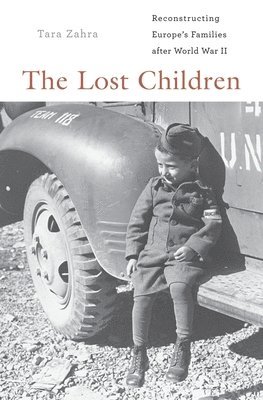
During the Second World War, an unprecedented number of families were torn apart. As the Nazi empire crumbled, millions roamed the continent in search of their loved ones. The Lost Children tells the story of these families, and of the struggle to determine their fate. We see how the reconstruction of families quickly became synonymous with the survival of European civilization itself. Even as Allied officials and humanitarian organizations proclaimed a new era of individualist and internationalist values, Tara Zahra demonstrates that they defined the “best interests” of children in nationalist terms. Sovereign nations and families were seen as the key to the psychological rehabilitation of traumatized individuals and the peace and stability of Europe.Based on original research in German, French, Czech, Polish, and American archives, The Lost Children is a heartbreaking and mesmerizing story. It brings together the histories of eastern and western Europe, and traces the efforts of everyone—from Jewish Holocaust survivors to German refugees, from Communist officials to American social workers—to rebuild the lives of displaced children. It reveals that many seemingly timeless ideals of the family were actually conceived in the concentration camps, orphanages, and refugee camps of the Second World War, and shows how the process of reconstruction shaped Cold War ideologies and ideas about childhood and national identity. This riveting tale of families destroyed by war reverberates in the lost children of today’s wars and in the compelling issues of international adoption, human rights and humanitarianism, and refugee policies.
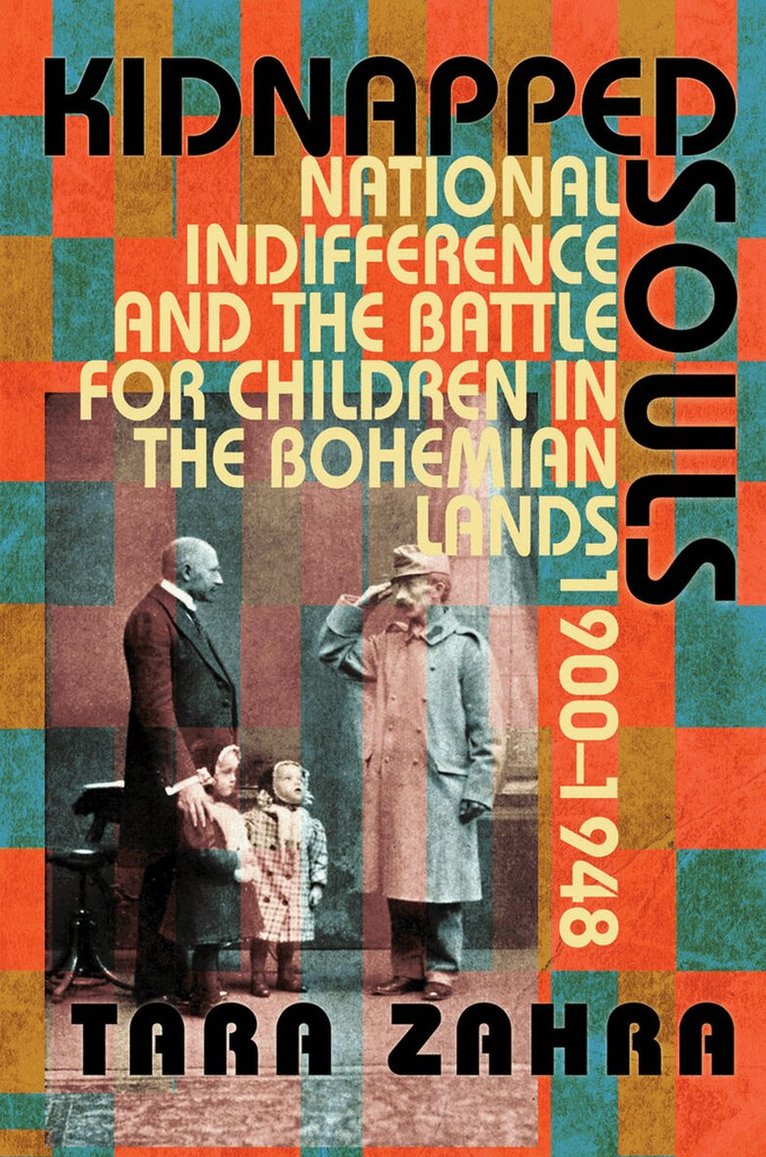
Kidnapped Souls
National Indifference and the Battle for Children in the Bohemian Lands, 1900–1948
Inbunden, Engelska, 2008
597 kr
Skickas inom 10-15 vardagar
Throughout the nineteenth and into the early decades of the twentieth century, it was common for rural and working-class parents in the Czech-German borderlands to ensure that their children were bilingual by sending them to live with families who spoke the "other" language. As nationalism became a more potent force in Central Europe, however, such practices troubled pro-German and pro-Czech activists, who feared that the children born to their nation could literally be "lost" or "kidnapped" from the national community through such experiences and, more generally, by parents who were either flexible about national belonging or altogether indifferent to it. Highlighting this indifference to nationalism—and concerns about such apathy among nationalists—Kidnapped Souls offers a surprising new perspective on Central European politics and society in the first half of the twentieth century.Drawing on Austrian, Czech, and German archives, Tara Zahra shows how nationalists in the Bohemian Lands worked to forge political cultures in which children belonged more rightfully to the national collective than to their parents. Through their educational and social activism to fix the boundaries of nation and family, Zahra finds, Czech and German nationalists reveal the set of beliefs they shared about children, family, democracy, minority rights, and the relationship between the individual and the collective. Zahra shows that by 1939 a vigorous tradition of Czech-German nationalist competition over children had created cultures that would shape the policies of the Nazi occupation and the Czech response to it. The book's concluding chapter weighs the prehistory and consequences of the postwar expulsion of German families from the Bohemian Lands.Kidnapped Souls is a significant contribution to our understanding of the genealogy of modern nationalism in Central Europe and a groundbreaking exploration of the ways in which children have been the objects of political contestation when national communities have sought to shape, or to reshape, their futures.
Kidnapped Souls
National Indifference and the Battle for Children in the Bohemian Lands, 1900–1948
Häftad, Engelska, 2011
377 kr
Skickas inom 10-15 vardagar
Throughout the nineteenth and into the early decades of the twentieth century, it was common for rural and working-class parents in the Czech-German borderlands to ensure that their children were bilingual by sending them to live with families who spoke the "other" language. As nationalism became a more potent force in Central Europe, however, such practices troubled pro-German and pro-Czech activists, who feared that the children born to their nation could literally be "lost" or "kidnapped" from the national community through such experiences and, more generally, by parents who were either flexible about national belonging or altogether indifferent to it. Highlighting this indifference to nationalism—and concerns about such apathy among nationalists—Kidnapped Souls offers a surprising new perspective on Central European politics and society in the first half of the twentieth century.Drawing on Austrian, Czech, and German archives, Tara Zahra shows how nationalists in the Bohemian Lands worked to forge political cultures in which children belonged more rightfully to the national collective than to their parents. Through their educational and social activism to fix the boundaries of nation and family, Zahra finds, Czech and German nationalists reveal the set of beliefs they shared about children, family, democracy, minority rights, and the relationship between the individual and the collective. Zahra shows that by 1939 a vigorous tradition of Czech-German nationalist competition over children had created cultures that would shape the policies of the Nazi occupation and the Czech response to it. The book's concluding chapter weighs the prehistory and consequences of the postwar expulsion of German families from the Bohemian Lands.Kidnapped Souls is a significant contribution to our understanding of the genealogy of modern nationalism in Central Europe and a groundbreaking exploration of the ways in which children have been the objects of political contestation when national communities have sought to shape, or to reshape, their futures.
172 kr
Skickas inom 7-10 vardagar
Before the First World War, enthusiasm for a borderless world reached its height. International travel, migration, trade and progressive projects on matters ranging from women’s rights to world peace reached a crescendo. Yet in the same breath, an undercurrent of reaction was growing, one that would surge ahead with the outbreak of war and its aftermath.In Against the World, a sweeping and ambitious work of history, acclaimed scholar Tara Zahra examines how nationalism, rather than internationalism, came to ensnare world politics in the early twentieth century. The air went out of the globalist balloon with the First World War as quotas were put on immigration and tariffs on trade, not only in the United States but across Europe, where war and disease led to mass societal upheaval. The “Spanish flu” heightened anxieties about porous national boundaries. The global impact of the 1929 economic crash and the Great Depression amplified a quest for food security in Europe and economic autonomy worldwide. Demands for relief from the instability and inequality linked to globalisation forged democracies and dictatorships alike, from Gandhi’s India to America’s New Deal and Hitler’s Third Reich. Immigration restrictions, racially constituted notions of citizenship, anti-Semitism and violent outbursts of hatred of the “other” became the norm—coming to genocidal fruition in the Second World War.Millions across the political spectrum sought refuge from the imagined and real threats of the global economy in ways strikingly reminiscent of our contemporary political moment: new movements emerged focused on homegrown and local foods, domestically produced Hardbacking and other goods, and back-to-the-land communities. Rich with astonishing detail gleaned from Zahra’s unparalleled archival research in five languages, Against the World is a poignant and thorough exhumation of the popular sources of resistance to globalisation. With anti-globalism a major tenet of today’s extremist agendas, Zahra's arrestingly clearsighted and wide-angled account is essential reading to grapple with our divided present.
432 kr
Skickas inom 10-15 vardagar
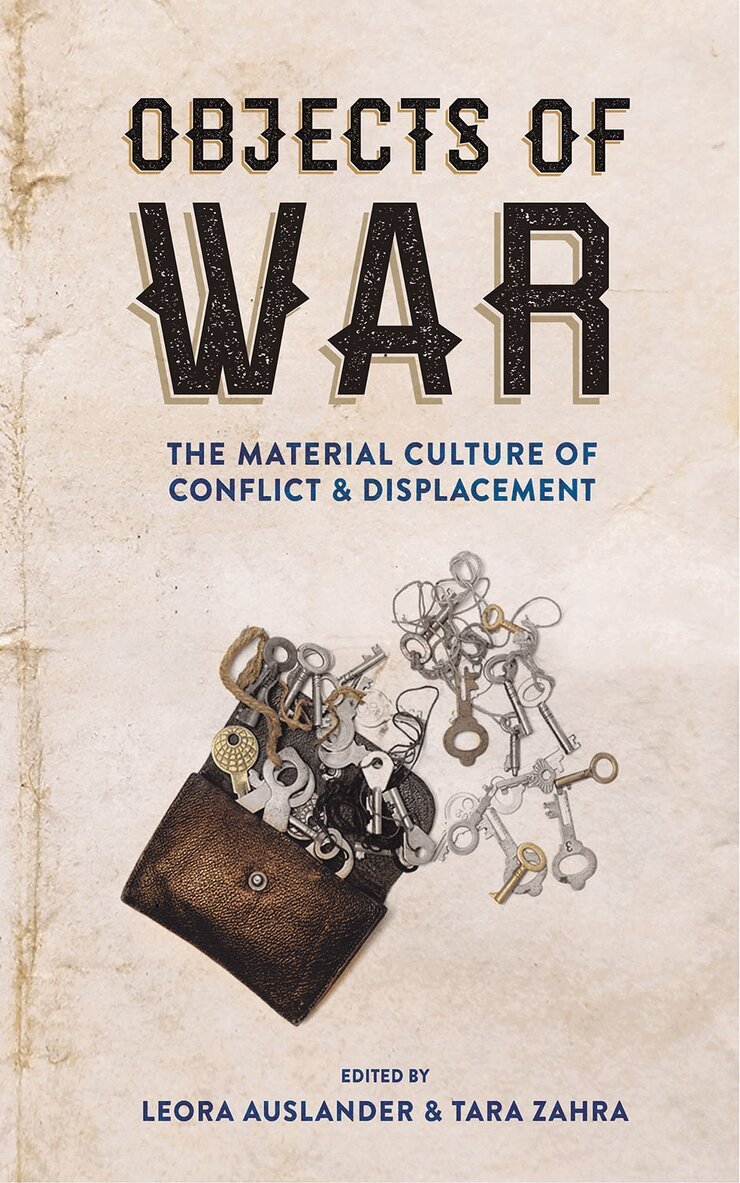
The book, Objects of War, illuminates the ways in which people have used things to grapple with the social, cultural, and psychological upheavals wrought by war and forced displacement.â• Utah Public RadioHistorians have become increasingly interested in material culture as both a category of analysis and as a teaching tool. And yet the profession tends to be suspicious of things; words are its stock-in-trade. What new insights can historians gain about the past by thinking about things? A central object (and consequence) of modern warfare is the radical destruction and transformation of the material world. And yet we know little about the role of material culture in the history of war and forced displacement: objects carried in flight; objects stolen on battlefields; objects expropriated, reappropriated, and remembered.Objects of War illuminates the ways in which people have used things to grapple with the social, cultural, and psychological upheavals wrought by war and forced displacement. Chapters consider theft and pillaging as strategies of conquest; soldiers' relationships with their weapons; and the use of clothing and domestic goods by prisoners of war, extermination camp inmates, freed people, and refugees to make claims and to create a kind of normalcy.While studies of migration and material culture have proliferated in recent years, as have histories of the Napoleonic, colonial, World Wars, and postcolonial wars, few have focused on the movement of people and things in times of war across two centuries. This focus, in combination with a broad temporal canvas, serves historians and others well as they seek to push beyond the written word.Contributors:Noah Benninga, Sandra H. Dudley, Bonnie Effros, Cathleen M. Giustino, Alice Goff, Gerdien Jonker, Aubrey Pomerance, Iris Rachamimov, Brandon M. Schechter, Jeffrey Wallen, and Sarah Jones Weicksel
380 kr
Skickas inom 3-6 vardagar