
Teresa Decrescenzo – författare
Visar alla böcker från författaren Teresa Decrescenzo. Handla med fri frakt och snabb leverans.
4 produkter
4 produkter

959 kr
Tillfälligt slut
The closet takes its toll on its dwellers through their experiences of isolation, fear, paranoia, potentially increased internalized homophobia, and dissonance between role and identity; yet many people in the helping professions do not feel that it is desirable or even appropriate to disclose their sexual orientation to those receiving help. Gay and Lesbian Professionals in the Closet explores the different positions people take on this provocative issue, the arguments they use to support their positions, and why the issue may not be as clear-cut as it sometimes seems.While complex sociopsychological factors, cultural values and influences, and legal issues keep many gays, lesbians, and bisexuals in the closet, closeted practice may have its advantages. A closeted practitioner, whether case manager, counselor, psychotherapist, physician, or minister, can bring understanding and insight to practice with homosexual clients and their families, as well as lend substantial support to openly gay and lesbian helping professionals. Yet, as Gay and Lesbian Professionals in the Closet reveals, being closeted can compromise your integrity, as well as that of your clients, and the benefits of being out will likely outweigh those of being closeted. Being out will help readers:counteract stereotypes of gays and lesbians allow you to serve as a role model improve the quality of care offered by traditionally homophobic, or homo-ignorant, institutions and employees contribute to the establishment of affirming services and environments for both yourself and your clients stop segregating your sexual life from the rest of your life attain credibility with your clients not feed repression through silenceAs Gay and Lesbian Professionals in the Closet will show readers, it is always important to consider patients’needs and each work setting before coming out, but gay, lesbian, and bisexual social service providers should make decisions on a case-by-case basis, not avoid being out altogether. Being open in the workplace will remind caregivers, clients, and coworkers of the exemplary citizenship and service gays, lesbians, and bisexuals are capable of offering. Think again whether the closet carries protective cover from discrimination or tacit endorsement of homophobia.
336 kr
Tillfälligt slut
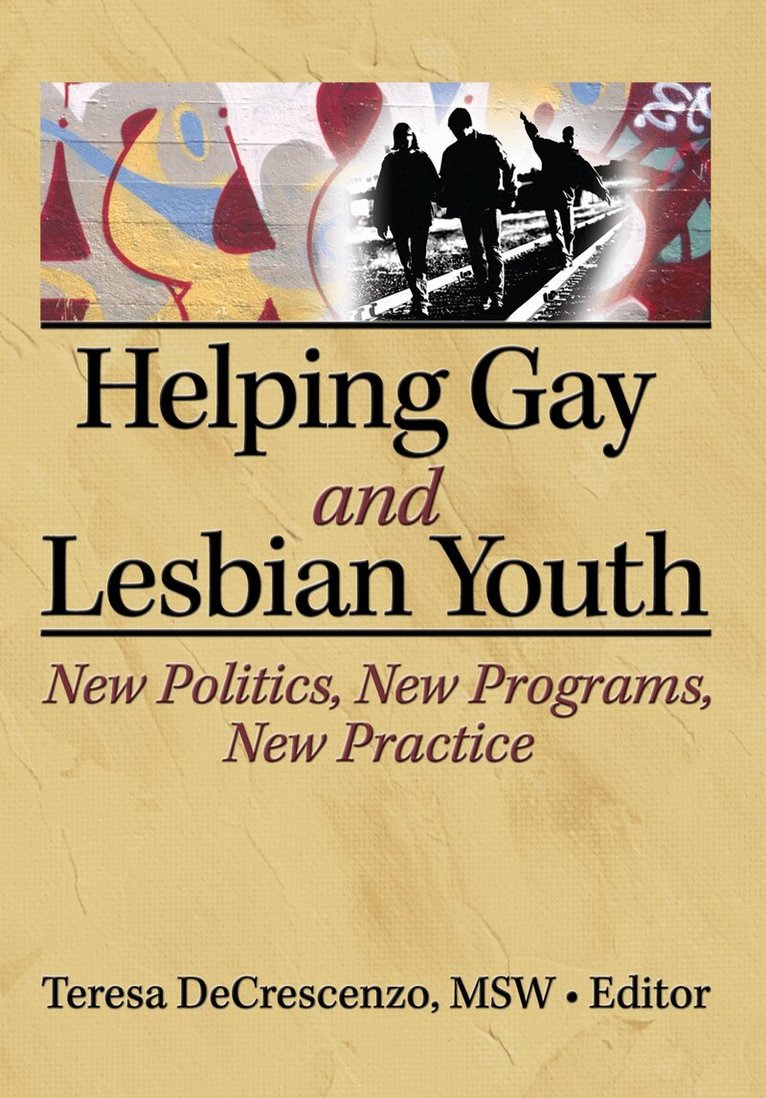
This pioneering book brings together for the first time the most up-to-date information and thought on gay and lesbian youth in America. Gay adolescents need much more attention than they have been getting from social service providers, and social workers have an ethical obligation to try to meet the service needs of this population. Helping Gay and Lesbian Youth is rich with insight into how gay and lesbian adolescents develop and learn to cope with the problems attendant on growing up different. Shedding new light on this previously underdefined and underserved population, the book addresses social policy issues as well as practical, hands-on counseling issues, and presents a state-of-the-art look at the literature to date. As gay and lesbian youth come out at younger and younger ages, it will be necessary for agencies to do more long-range planning as to how best to meet these adolescents’different needs. Helping Gay and Lesbian Youth alerts agencies that not only are these youth among their target population, but they require special services. Throughout this book, readers can see the importance of long-range planning to meet the service delivery needs of gay adolescents and also the merits of recruiting more gay and lesbian staff to help in policy development and program design.Specific topics related to gay and lesbian adolescents that the book addresses are:legal issues--analyzes the feasibility of minor youth to become empowered through the court and legal systems suicide--challenges previously held beliefs about the suicidality of this group and calls for funding for major research in this area social policy--traces the history of policies typically guiding actions on behalf of gay and lesbian youth and offers guidelines for significant changes in the policy arena development--traces the developmental stages of gay and lesbian youth to navigate adulthood successfully service organizations--lays out models for developing programs throughout the country HIV--assesses levels of risk of HIV infection for this population and describes ways to avoid itReadership should be widespread and varied and include parents trying to understand their gay child; counselors who work with families, children, or adolescents; youth workers and child care staff; foster parents; individuals working in group homes, residential treatment centers, and psychiatric hospitals; and instructors and students in counseling, social work, psychology, child development, and law.

652 kr
Skickas inom 10-15 vardagar
The closet takes its toll on its dwellers through their experiences of isolation, fear, paranoia, potentially increased internalized homophobia, and dissonance between role and identity; yet many people in the helping professions do not feel that it is desirable or even appropriate to disclose their sexual orientation to those receiving help. Gay and Lesbian Professionals in the Closet explores the different positions people take on this provocative issue, the arguments they use to support their positions, and why the issue may not be as clear-cut as it sometimes seems.While complex sociopsychological factors, cultural values and influences, and legal issues keep many gays, lesbians, and bisexuals in the closet, closeted practice may have its advantages. A closeted practitioner, whether case manager, counselor, psychotherapist, physician, or minister, can bring understanding and insight to practice with homosexual clients and their families, as well as lend substantial support to openly gay and lesbian helping professionals. Yet, as Gay and Lesbian Professionals in the Closet reveals, being closeted can compromise your integrity, as well as that of your clients, and the benefits of being out will likely outweigh those of being closeted. Being out will help readers:counteract stereotypes of gays and lesbians allow you to serve as a role model improve the quality of care offered by traditionally homophobic, or homo-ignorant, institutions and employees contribute to the establishment of affirming services and environments for both yourself and your clients stop segregating your sexual life from the rest of your life attain credibility with your clients not feed repression through silenceAs Gay and Lesbian Professionals in the Closet will show readers, it is always important to consider patients’needs and each work setting before coming out, but gay, lesbian, and bisexual social service providers should make decisions on a case-by-case basis, not avoid being out altogether. Being open in the workplace will remind caregivers, clients, and coworkers of the exemplary citizenship and service gays, lesbians, and bisexuals are capable of offering. Think again whether the closet carries protective cover from discrimination or tacit endorsement of homophobia.
1 307 kr
Skickas inom 10-15 vardagar
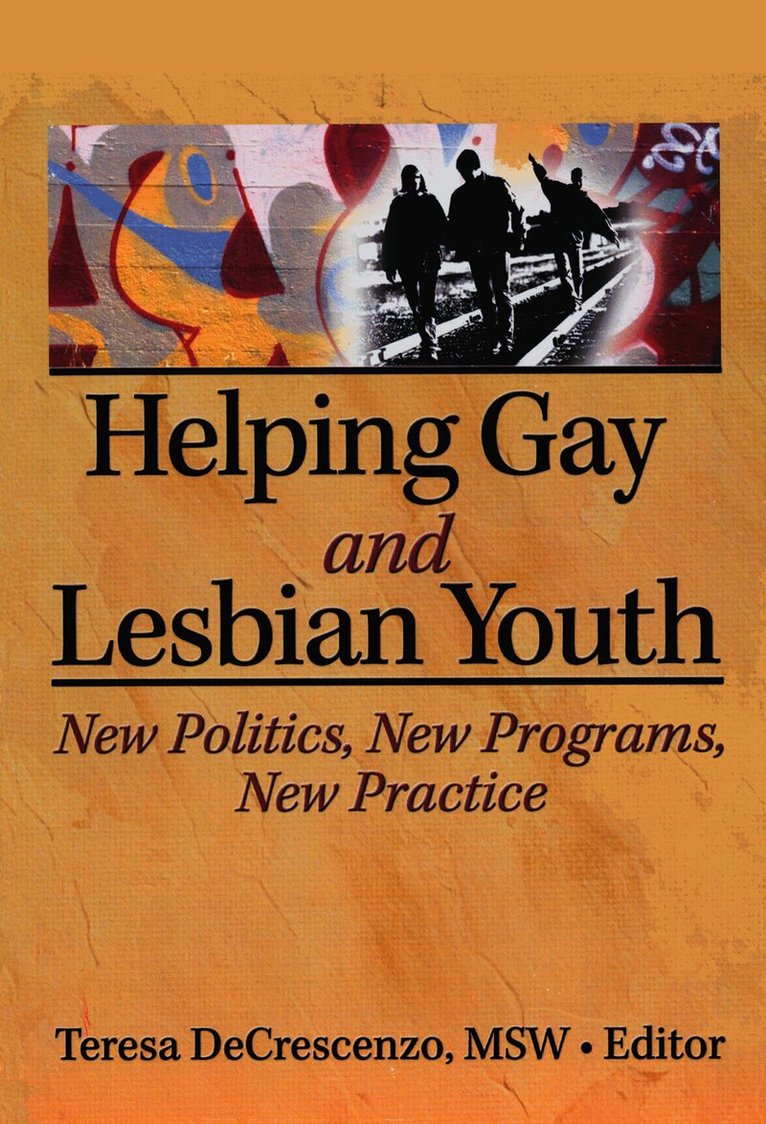
This pioneering book brings together for the first time the most up-to-date information and thought on gay and lesbian youth in America. Gay adolescents need much more attention than they have been getting from social service providers, and social workers have an ethical obligation to try to meet the service needs of this population. Helping Gay and Lesbian Youth is rich with insight into how gay and lesbian adolescents develop and learn to cope with the problems attendant on growing up different. Shedding new light on this previously underdefined and underserved population, the book addresses social policy issues as well as practical, hands-on counseling issues, and presents a state-of-the-art look at the literature to date. As gay and lesbian youth come out at younger and younger ages, it will be necessary for agencies to do more long-range planning as to how best to meet these adolescents’different needs. Helping Gay and Lesbian Youth alerts agencies that not only are these youth among their target population, but they require special services. Throughout this book, readers can see the importance of long-range planning to meet the service delivery needs of gay adolescents and also the merits of recruiting more gay and lesbian staff to help in policy development and program design.Specific topics related to gay and lesbian adolescents that the book addresses are:legal issues--analyzes the feasibility of minor youth to become empowered through the court and legal systems suicide--challenges previously held beliefs about the suicidality of this group and calls for funding for major research in this area social policy--traces the history of policies typically guiding actions on behalf of gay and lesbian youth and offers guidelines for significant changes in the policy arena development--traces the developmental stages of gay and lesbian youth to navigate adulthood successfully service organizations--lays out models for developing programs throughout the country HIV--assesses levels of risk of HIV infection for this population and describes ways to avoid itReadership should be widespread and varied and include parents trying to understand their gay child; counselors who work with families, children, or adolescents; youth workers and child care staff; foster parents; individuals working in group homes, residential treatment centers, and psychiatric hospitals; and instructors and students in counseling, social work, psychology, child development, and law.