Terezita Romo - Böcker
Visar alla böcker från författaren Terezita Romo. Handla med fri frakt och snabb leverans.
4 produkter
4 produkter
467 kr
Skickas inom 7-10 vardagar
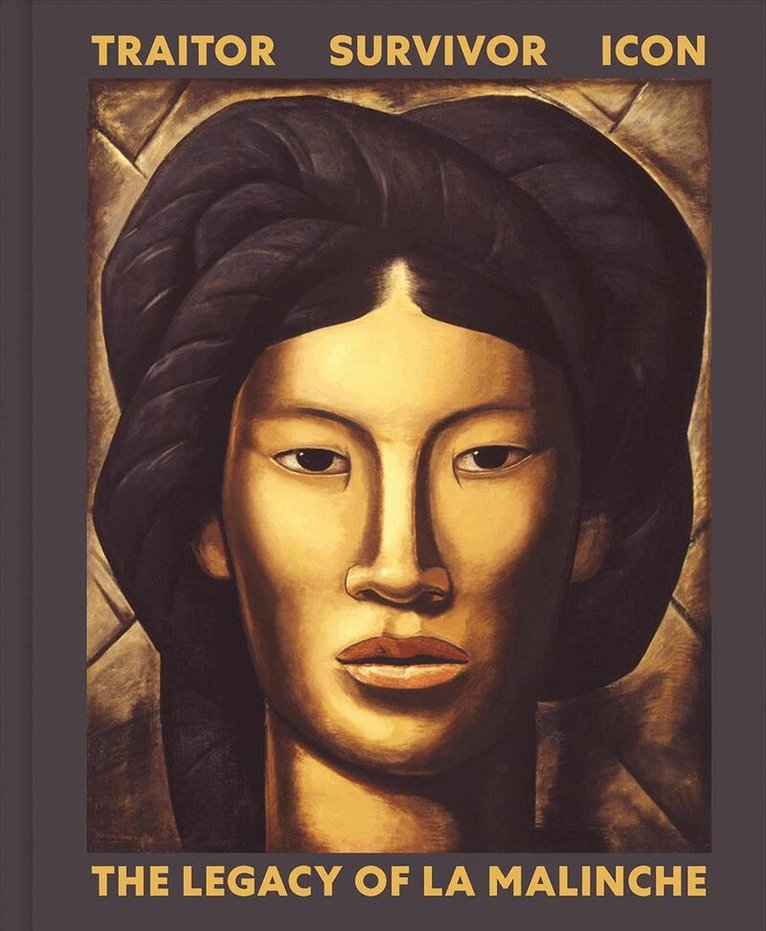
The first major visual and cultural exploration of the legacy of La Malinche, simultaneously reviled as a traitor to her people and hailed as the mother of Mexico “Malinche herself comes through. She is not an idea or a myth but a person. And she is ablaze with life.”—Angelica Aboulhosn, Humanities An enslaved Indigenous girl who became Hernán Cortés’s interpreter and cultural translator, Malinche stood at center stage in one of the most significant events of modern history. Linguistically gifted, she played a key role in the transactions, negotiations, and conflicts between the Spanish and the Indigenous populations of Mexico that shaped the course of global politics for centuries to come. As mother to Cortés’s firstborn son, she became the symbolic progenitor of a modern Mexican nation and a heroine to Chicana and Mexicana artists. Traitor, Survivor, Icon is the first major publication to present a comprehensive visual exploration of Malinche’s enduring impact on communities living on both sides of the US-Mexico border. Five hundred years after her death, her image and legacy remain relevant to conversations around female empowerment, indigeneity, and national identity throughout the Americas. This book establishes and examines her symbolic import and the ways in which artists, scholars, and activists have appropriated her image to interpret and express their own experiences and agendas, from the 1500s through today. Published in association with the Denver Art Museum Exhibition Schedule: Denver Art Museum(February 6–May 8, 2022) Albuquerque Museum(June 11–September 4, 2022) San Antonio Museum of Art(October 14, 2022–January 8, 2023)
517 kr
Skickas inom 7-10 vardagar
A groundbreaking look at how Chicano graphic artists and their collaborators have used their work to imagine and sustain identities and political viewpoints during the past half centuryThe 1960s witnessed the rise of the Chicano civil rights movement, or El Movimiento, and marked a new way of being a person of Mexican descent in the United States. To call oneself Chicano—a formerly derogatory term—became a political and cultural statement, and Chicano graphic artists asserted this identity through their printmaking and activism. ¡Printing the Revolution! explores the remarkable legacy of Chicano graphic arts relative to major social movements, the way these artists and their cross-cultural collaborators advanced printmaking methods, and the medium’s unique role in shaping critical debates about U.S. identity and history.From satire and portraiture to politicized pop, this volume examines how artists created visually captivating graphics that catalyzed audiences. Posters and prints announced labor strikes and cultural events, highlighted the plight of political prisoners, schooled viewers in Third World liberation movements, and, most significantly, challenged the invisibility of Mexican Americans in U.S. society. While screen printing was the dominant mode of printmaking during the civil rights era, this book considers how artists have embraced a wide range of techniques and strategies, from installation art to shareable digital graphics. This book shows how artists have used and continue to use graphic arts as a means to engage the public, address social justice concerns, and wrestle with shifting notions of the term Chicano.Lavishly illustrated and featuring three double gatefolds, ¡Printing the Revolution! presents a vibrant look at the past, present, and future of an essential aspect of Chicano art.Exhibition ScheduleSmithsonian American Art Museum, Washington, DCMay 14–August 8, 2021Published in association with the Smithsonian American Art Museum, Washington, DC
1 430 kr
Skickas inom 10-15 vardagar
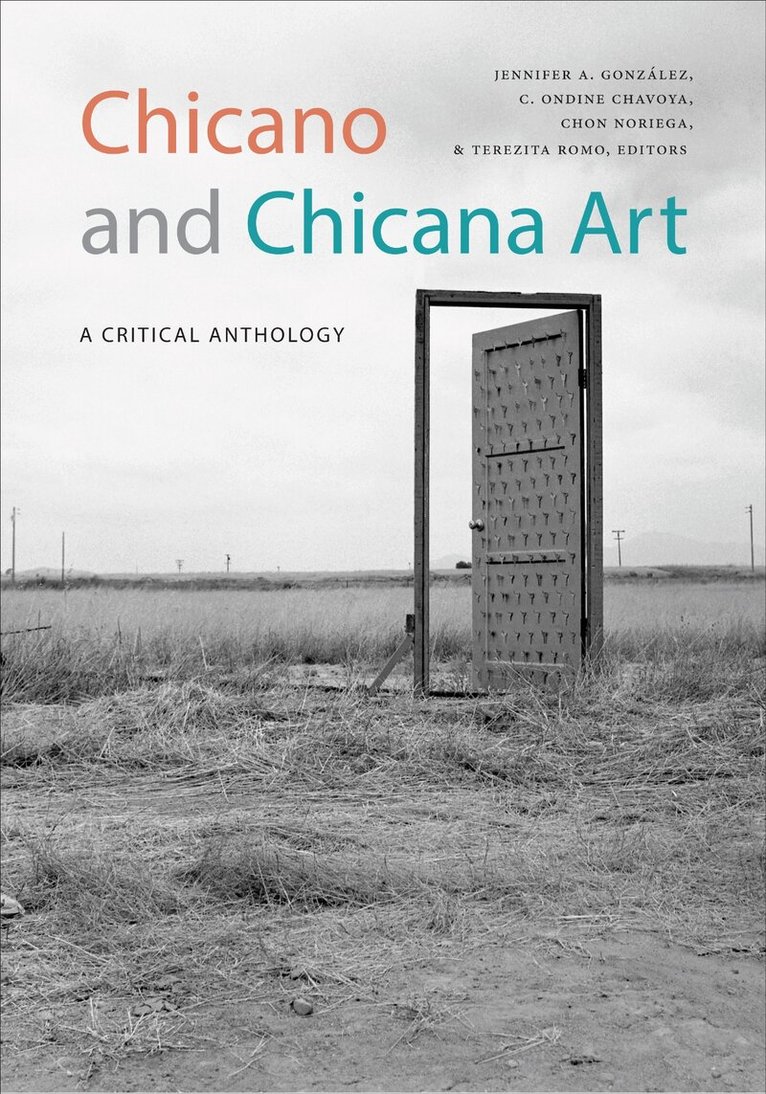
This anthology provides an overview of the history and theory of Chicano/a art from the 1960s to the present, emphasizing the debates and vocabularies that have played key roles in its conceptualization. In Chicano and Chicana Art-which includes many of Chicano/a art's landmark and foundational texts and manifestos-artists, curators, and cultural critics trace the development of Chicano/a art from its early role in the Chicano civil rights movement to its mainstream acceptance in American art institutions. Throughout this teaching-oriented volume they address a number of themes, including the politics of border life, public art practices such as posters and murals, and feminist and queer artists' figurations of Chicano/a bodies. They also chart the multiple cultural and artistic influences-from American graffiti and Mexican pre-Columbian spirituality to pop art and modernism-that have informed Chicano/a art's practice.Contributors. Carlos Almaraz, David Avalos, Judith F. Baca, Raye Bemis, Jo-Anne Berelowitz, Elizabeth Blair, Chaz BojÓroquez, Philip Brookman, Mel Casas, C. Ondine Chavoya, Karen Mary Davalos, Rupert GarcÍa, Alicia Gaspar de Alba, Shifra Goldman, Jennifer A. GonzÁlez, Rita Gonzalez, Robb HernÁndez, Juan Felipe Herrera, Louis Hock, Nancy L. Kelker, Philip Kennicott, Josh Kun, Asta Kuusinen, Gilberto “Magu” LujÁn, Amelia Malagamba-Ansotegui, Amalia Mesa-Bains, Dylan Miner, Malaquias Montoya, Judithe HernÁndez de Neikrug, Chon Noriega, Joseph Palis, Laura Elisa PÉrez, Peter Plagens, Catherine RamÍrez, Matthew Reilly, James Rojas, Terezita Romo, Ralph Rugoff, Lezlie Salkowitz-Montoya, Marcos Sanchez-Tranquilino, Cylena Simonds, Elizabeth Sisco, John Tagg, Roberto Tejada, RubÉn Trejo, Gabriela Valdivia, TomÁs Ybarra-Frausto, Victor Zamudio-Taylor
377 kr
Skickas inom 10-15 vardagar
This anthology provides an overview of the history and theory of Chicano/a art from the 1960s to the present, emphasizing the debates and vocabularies that have played key roles in its conceptualization. In Chicano and Chicana Art-which includes many of Chicano/a art's landmark and foundational texts and manifestos-artists, curators, and cultural critics trace the development of Chicano/a art from its early role in the Chicano civil rights movement to its mainstream acceptance in American art institutions. Throughout this teaching-oriented volume they address a number of themes, including the politics of border life, public art practices such as posters and murals, and feminist and queer artists' figurations of Chicano/a bodies. They also chart the multiple cultural and artistic influences-from American graffiti and Mexican pre-Columbian spirituality to pop art and modernism-that have informed Chicano/a art's practice.Contributors. Carlos Almaraz, David Avalos, Judith F. Baca, Raye Bemis, Jo-Anne Berelowitz, Elizabeth Blair, Chaz BojÓroquez, Philip Brookman, Mel Casas, C. Ondine Chavoya, Karen Mary Davalos, Rupert GarcÍa, Alicia Gaspar de Alba, Shifra Goldman, Jennifer A. GonzÁlez, Rita Gonzalez, Robb HernÁndez, Juan Felipe Herrera, Louis Hock, Nancy L. Kelker, Philip Kennicott, Josh Kun, Asta Kuusinen, Gilberto “Magu” LujÁn, Amelia Malagamba-Ansotegui, Amalia Mesa-Bains, Dylan Miner, Malaquias Montoya, Judithe HernÁndez de Neikrug, Chon Noriega, Joseph Palis, Laura Elisa PÉrez, Peter Plagens, Catherine RamÍrez, Matthew Reilly, James Rojas, Terezita Romo, Ralph Rugoff, Lezlie Salkowitz-Montoya, Marcos Sanchez-Tranquilino, Cylena Simonds, Elizabeth Sisco, John Tagg, Roberto Tejada, RubÉn Trejo, Gabriela Valdivia, TomÁs Ybarra-Frausto, Victor Zamudio-Taylor