Terri L. Snyder – författare
Visar alla böcker från författaren Terri L. Snyder. Handla med fri frakt och snabb leverans.
9 produkter
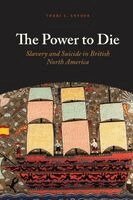
Power to Die
Slavery and Suicide in British North America
Häftad, 2026
346 kr
Lägg i varukorg
The history of slavery in early America is a history of suicide. On ships crossing the Atlantic, enslaved men and women refused to eat or leaped into the ocean. They strangled or hanged themselves. They tore open their own throats. In America, they jumped into rivers or out of windows, or even ran …
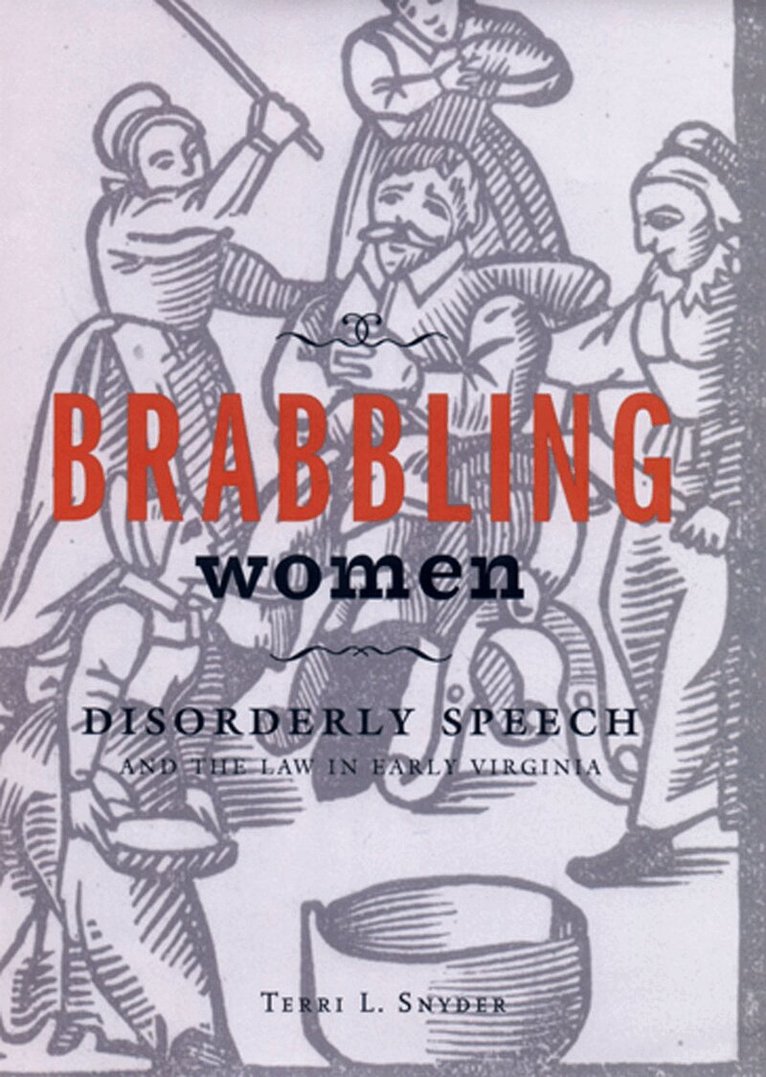
Brabbling Women
Disorderly Speech and the Law in Early Virginia
Inbunden, 2003
764 kr
Lägg i varukorg
Brabbling Women takes its title from a 1662 law enacted by Virginia's burgesses, which was intended to offer relief to the "poore husbands" forced into defamation suits because their "brabling" wives had slandered or scandalized their neighbors. To quell such episodes of female misrule, lawmakers …
Brabbling Women
Disorderly Speech and the Law in Early Virginia
Häftad, 2014
458 kr
Lägg i varukorg
Brabbling Women takes its title from a 1662 law enacted by Virginia's burgesses, which was intended to offer relief to the "poore husbands" forced into defamation suits because their "brabling" wives had slandered or scandalized their neighbors. To quell such episodes of female misrule, lawmakers …
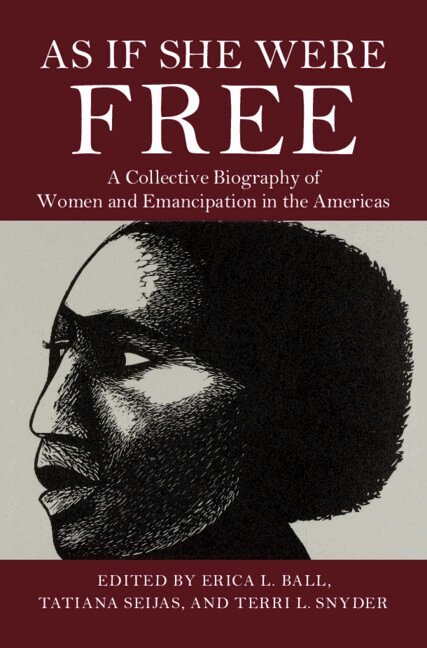
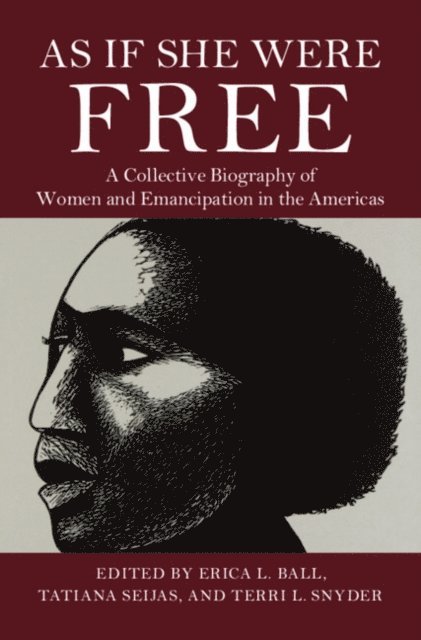
As If She Were Free
A Collective Biography of Women and Emancipation in the Americas
Av Erica L. Ball, Tatiana Seijas m. fl.
Inbunden, 2020
1493 kr
Lägg i varukorg
As If She Were Free brings together the biographies of twenty-four women of African descent to reveal how enslaved and recently freed women sought, imagined, and found freedom from the sixteenth through the nineteenth centuries in the Americas. Our biographical approach allows readers to view large …
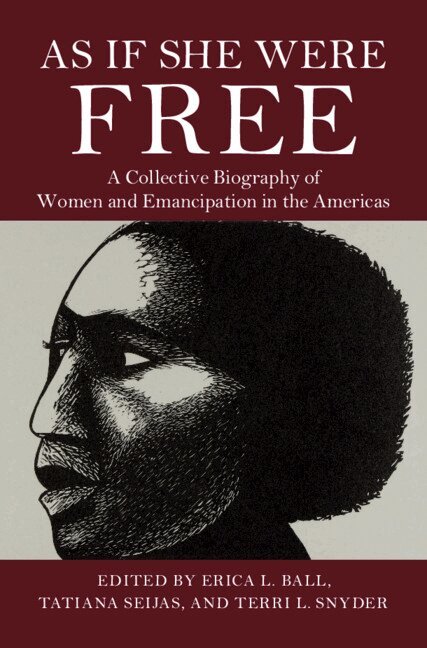
As If She Were Free
A Collective Biography of Women and Emancipation in the Americas
Av Terri L. Snyder, Tatiana Seijas m. fl.
E-bok, 2020
437 kr
Lägg i varukorg
As If She Were Free brings together the biographies of twenty-four women of African descent to reveal how enslaved and recently freed women sought, imagined, and found freedom from the sixteenth through the nineteenth centuries in the Americas. Our biographical approach allows readers to view large …
As If She Were Free
A Collective Biography of Women and Emancipation in the Americas
Av Erica L. Ball, Tatiana Seijas m. fl.
Häftad, 2020
442 kr
Lägg i varukorg
As If She Were Free brings together the biographies of twenty-four women of African descent to reveal how enslaved and recently freed women sought, imagined, and found freedom from the sixteenth through the nineteenth centuries in the Americas. Our biographical approach allows readers to view large …
Ölüm Beni Bulana Dek
Av Terri L. Snyder, Terri L. Snyder
Häftad, 2026
204 kr
Lägg i varukorg
Kendi Cinayetini Çözmeye Çalışan Genç Bir Kadının Nefes Kesici Hikâyesi!WoodStock’ın en varlıklı ailelerinden birinin kızı olan 27 yaşındaki Jet Mason, hayatını hep erteleyerek yaşamıştır. Ancak artık sandığı kadar zamanı olmadığını öğrenir.Cadılar Bayramı gecesi uğradığı vahşi saldırı Jet’in …
Profesör Do'nun Göz Kliniği
Av Terri L. Snyder, Terri L. Snyder
Häftad, 2025
187 kr
Lägg i varukorg
Bazen tıpkı gözlerimiz gibi ruhumuz da zayıf düşer. Kalbimizi iyileştirecek bir yere ihtiyaç duyarız. Dolunay Göz Kliniği tam da böyle bir yer. Ruhunuzun kilosunu da rengini de size söylüyor.Ama tedavinin elbette bir bedeli var.Bir karga, bir ayna ve dolunayın ışığı altında hem gözleri hem kalpleri …
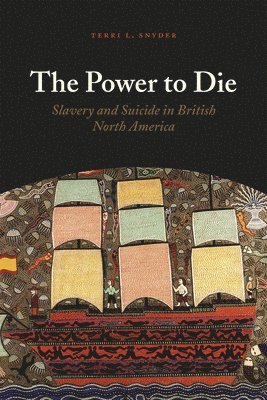
Power to Die
Slavery and Suicide in British North America
Inbunden, 2015
463 kr
Tillfälligt slut
The history of slavery in early America is a history of suicide. On ships crossing the Atlantic, enslaved men and women refused to eat or leaped into the ocean. They strangled or hanged themselves. They tore open their own throats. In America, they jumped into rivers or out of windows, or even ran …