Terry S. Reynolds – författare
Visar alla böcker från författaren Terry S. Reynolds. Handla med fri frakt och snabb leverans.
5 produkter
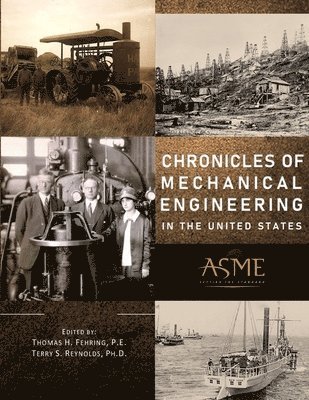
Chronicles of Mechanical Engineering in the United States
Av Thomas Fehring, Terry S. Reynolds m. fl.
Häftad, 2021
487 kr
Lägg i varukorg
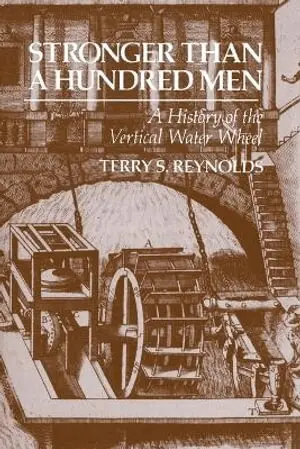
Stronger than a Hundred Men
A History of the Vertical Water Wheel
Häftad, 2003
487 kr
Lägg i varukorg
Like many apparently simple devices, the vertical water wheel has been around for so long that it is taken for granted. Yet this "picturesque artifact" was for centuries man's primary mechanical source of power and was the foundation upon which mills and other industries developed. Stronger than a …
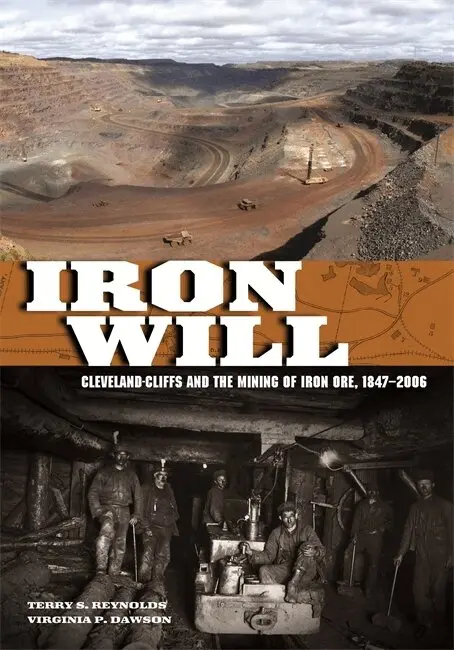
Iron Will
Cleveland-Cliffs and the Mining of Iron Ore, 1847-2006
Av Virginia P. Dawson, Terry S. Reynolds
E-bok, 2011
394 kr
Lägg i varukorg
The history of Cleveland-Cliffs, a company that played a key role in iron mining development in the Lake Superior region. In Iron Will: Cleveland-Cliffs and the Mining of Iron Ore, 1847-–2006, Terry S. Reynolds and Virginia P. Dawson tell the story of Cleveland-Cliffs, the only surviving …
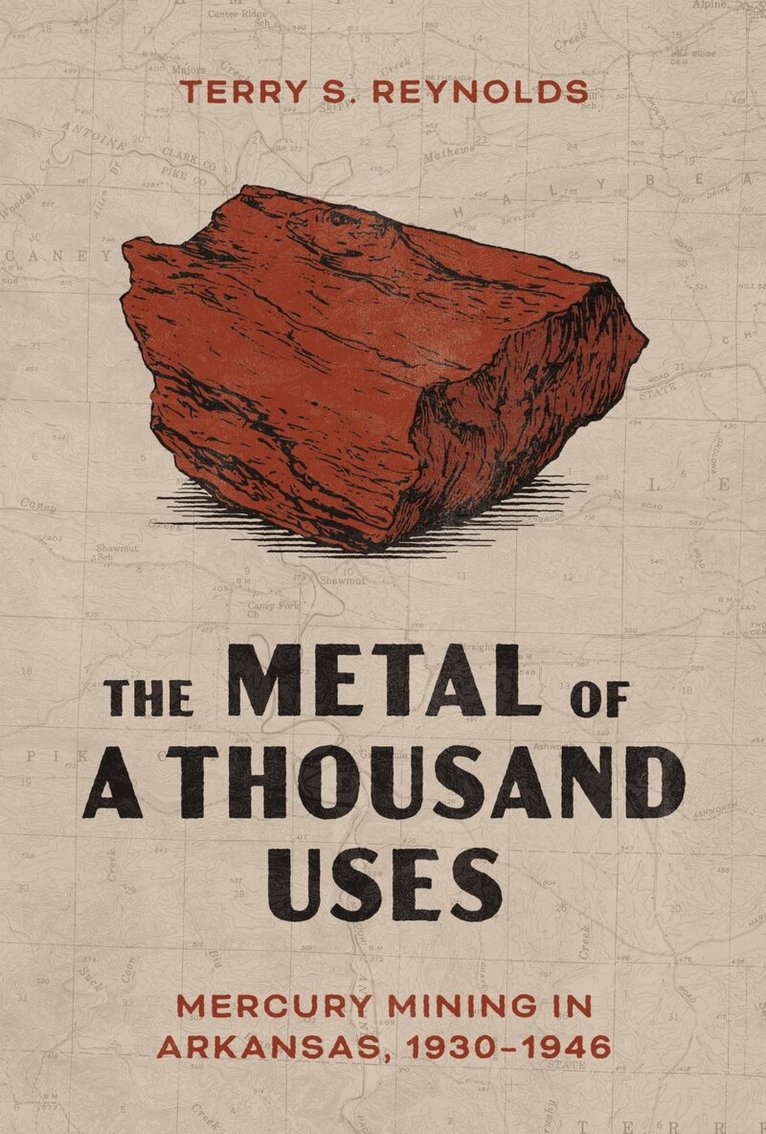
Metal of a Thousand Uses
Mercury Mining in Arkansas, 1930-1946
Häftad, 2026
487 kr
Lägg i varukorg
In 1930, a remote corner of southwest Arkansas witnessed the discovery of cinnabar, the ore from which mercury is extracted. Upon the arrival of "the metal of a thousand uses," a wave of hope and ambition swept through the foothills of the Ouachita Mountains as mercury mining promised economic …