Therese Davis – författare
Visar alla böcker från författaren Therese Davis. Handla med fri frakt och snabb leverans.
5 produkter
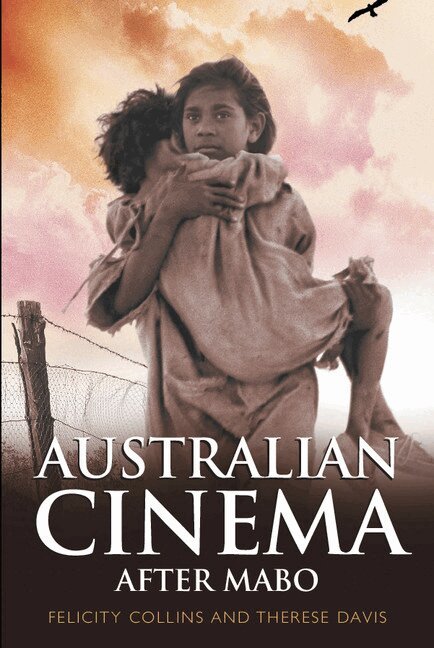
Australian Cinema After Mabo
Av Felicity Collins, Therese Davis
Häftad, 2004
638 kr
Lägg i varukorg
Australian Cinema after Mabo is a comprehensive 2005 study of Australian national cinema in the 1990s. Using the 1992 Mabo decision as a starting point, it looks at how the Mabo decision, where the founding doctrine of terra nullius was overruled, has destabilised the way Australians relate to the …
Australian Cinema After Mabo
Av Felicity Collins, Therese Davis
Inbunden, 2004
1313 kr
Lägg i varukorg
Australian Cinema after Mabo is a comprehensive 2005 study of Australian national cinema in the 1990s. Using the 1992 Mabo decision as a starting point, it looks at how the Mabo decision, where the founding doctrine of terra nullius was overruled, has destabilised the way Australians relate to the …
Indigenous Filmmaking
A New Wave in Australia and Beyond
Av Therese Davis, Romaine Moreton
Inbunden, 2020
887 kr
Kommande
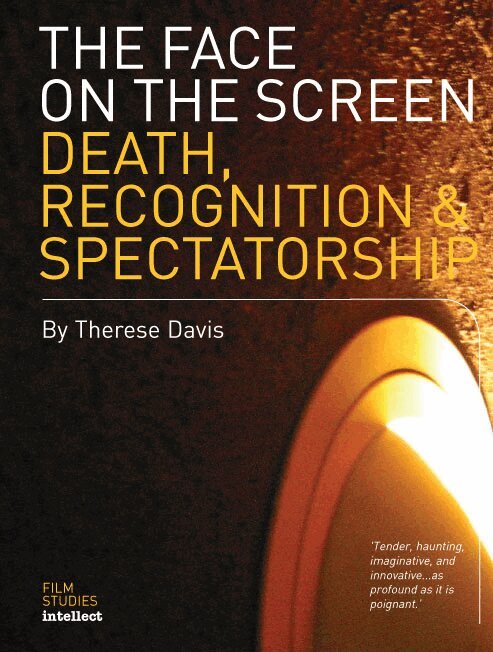
Face on the Screen
Death, Recognition & Spectatorship
Häftad, 2003
487 kr
Lägg i varukorg
There was a time in screen culture when the facial close-up was a spectacular and mysterious image…The constant bombardment of the super-enlarged, computer-enhanced faces of advertising, the endless 'talking heads' of television and the ever-changing array of film stars' faces have reduced the face …
Face on the Screen
Questions of Death, Recognition and Public Memory
E-bok, 2004
504 kr
Lägg i varukorg
There was a time is screen culture when the facial close-up was a spectacular and mysterious image… The constant bombardment of the super-enlarged, computer-enhanced faces of advertising, the endless ''talking heads'' of television and the ever-changing array of film stars'' faces have reduced the …