Therese Nilsson – författare
Visar alla böcker från författaren Therese Nilsson. Handla med fri frakt och snabb leverans.
6 produkter
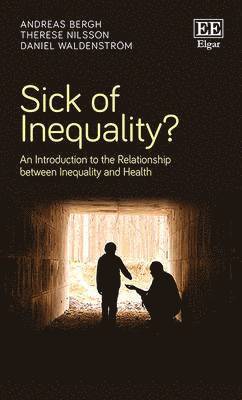
Sick of Inequality?
An Introduction to the Relationship between Inequality and Health
Av Andreas Bergh, Therese Nilsson m. fl.
Inbunden, 2016
1546 kr
Lägg i varukorg
There is a clear trend in rich countries that, despite rising incomes and living standards, the gap between rich and poor is widening. What does this mean for our health? Does increasing income inequality affect outcomes such as obesity, life expectancy and subjective well-being? Are rich and poor …
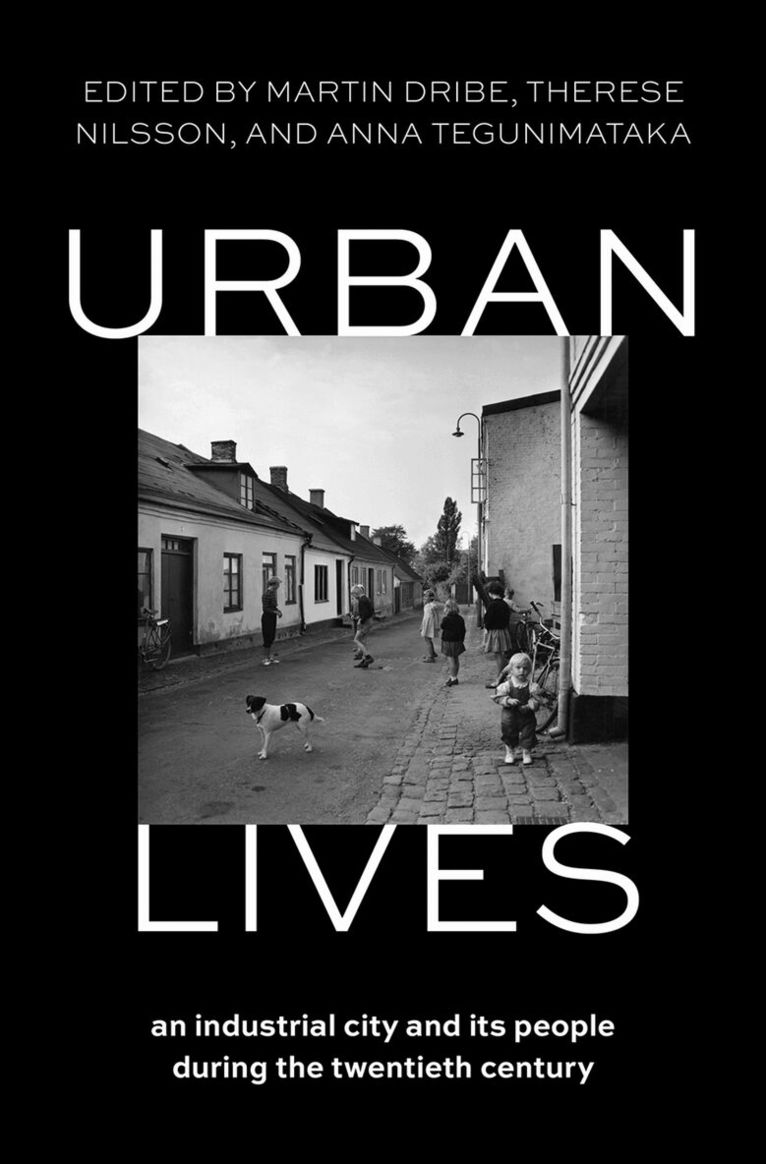
Urban Lives
An Industrial City and Its People During the Twentieth Century
Av Martin Dribe, Therese Nilsson m. fl.
Inbunden, 2024
1211 kr
Lägg i varukorg
This is an open access title available under the terms of a CC BY-NC-ND 4.0 International license. It is free to read at Oxford Academic and offered as a free PDF download from OUP and selected open access locations.The past 200 years have witnessed revolutionary changes in living conditions for …
Urban Lives
An Industrial City and Its People During the Twentieth Century
Av Anna Tegunimataka, Therese Nilsson m. fl.
E-bok, 2024
1228 kr
Lägg i varukorg
This is an open access title available under the terms of a CC BY-NC-ND 4.0 International license. It is free to read at Oxford Academic and offered as a free PDF download from OUP and selected open access locations. The past 200 years have witnessed revolutionary changes in living conditions for …
Urban Lives
An Industrial City and Its People During the Twentieth Century
Av Anna Tegunimataka, Therese Nilsson m. fl.
E-bok, 2024
1227 kr
Lägg i varukorg
This is an open access title available under the terms of a CC BY-NC-ND 4.0 International license. It is free to read at Oxford Academic and offered as a free PDF download from OUP and selected open access locations. The past 200 years have witnessed revolutionary changes in living conditions for …
Sick of Inequality?
An Introduction to the Relationship between Inequality and Health
Av Daniel Waldenstrom, Therese Nilsson m. fl.
E-bok, 2016
404 kr
Lägg i varukorg
There is a clear trend in rich countries that, despite rising incomes and living standards, the gap between rich and poor is widening. What does this mean for our health? Does increasing income inequality affect outcomes such as obesity, life expectancy and subjective well-being? Are rich and poor …
Sick of Inequality?
An Introduction to the Relationship between Inequality and Health
Av Andreas Bergh, Therese Nilsson m. fl.
Häftad, 2017
412 kr
Lägg i varukorg
There is a clear trend in rich countries that, despite rising incomes and living standards, the gap between rich and poor is widening. What does this mean for our health? Does increasing income inequality affect outcomes such as obesity, life expectancy and subjective well-being? Are rich and poor …