429 kr
Martin Dribe – författare
- Häftad, Svenska, 2022Metodkunskaper är nödvändiga för att både skriva, läsa och förstå vetenskaplig text. För att kunna få fram och ta del av information i historiska källor krävs både kvalitativa och kvantitativa metoder av olika slag. Den här grundboken har därför ett brett anslag och presenterar ett flertal praktiska tillvägagångssätt inom historiska studier.Boken har tre delar. I den första behandlas de inledande faserna av en historisk studie, med kapitel om undersökningsdesign och källkritik. Den andra delen har en kvalitativ inriktning och samlar kapitel om textanalys, begreppshistoria, diskursanalys, bild som källa och muntlig historia. I den tredje delen är fokus kvantitativt och här tar författarna upp beskrivande statistik, korrelations- och regressionsanalys, kollektivbiografi och korrespondensanalys samt rumslig metod.Metod - guide för historiska studier är avsedd för studenter i humanistiska och samhällsvetenskapliga ämnen med historisk inriktning vid universitet och högskolor. I denna utökade upplaga har samtliga kapitel uppdaterats.
- Häftad, Svenska, 2026
431 kr
Skickas
Boken är ett unikt nationellt projekt genom dess representation av författare från samtliga svenska lärosäten som undervisar i ekonomisk historia på alla utbildningsnivåer. Bokens 25 författare är också aktiva forskare och bidragen bygger på en stor samlad erfarenhet av aktuell svensk och internationell forskning inom ämnet.Vad är ekonomisk historia? är en introducerande lärobok i ekonomisk historia som syftar till att väcka nyfikenhet för ämnet, samt visa på dess möjligheter som akademisk disciplin och tillämpad samhällsvetenskap. Boken visar hur ekonomisk-historiska perspektiv, teorier och metoder kan användas för att analysera olika utvecklingsförlopp med avgörande betydelse för samhällsutvecklingen då som nu.Genom att använda olika verktyg ur de historiska och ekonomiska verktygslådorna vänder och vrider forskare inom ekonomisk historia på begrepp som tillväxt, industrialisering, resursfördelning, kapital och arbete. På detta sätt bidrar ämnet till vår förståelse av mänsklighetens långa historia, samtidigt som det också bidrar med nya perspektiv på vår egen samtid.Vad är ekonomisk historia? består av 13 kapitel, de tre första kapitlen behandlar ämnets historia, teorier och metoder. De därpå följande kapitlen lyfter ett urval av de frågor som ekonomhistoriker arbetar med. Boken vänder sig främst till universitets- och högskolestudenter på grundläggande nivå och fungerar utmärkt som en introduktion till ämnet. - Del 2020 - RJ:s årsbok
Den industrialiserade staden (RJ:s årsbox 2020. Staden)
Häftad, Svenska, 202029 kr
Skickas
Staden representeras inte sällan av de stora metropolerna, men i detta häfte vänder vi blicken mot den lilla staden, mot Sveriges alla små och medelstora industrialiserade städer, där industrier kommit och gått och därmed påverkat och förändrat städerna och de som bott där. I detta häfte låter Martin Dribe och Patrick Svensson Landskrona utgöra fonden för sin exposé över den industrialiserade svenska 1900-talsstaden och dess utmaningar. Det är en miljö många av oss känner igen: fabriken där nästan alla jobbade, folkparken och torget. Det är socialdemokratiska arbetarkommuner och simhallar, ökande arbetslöshet, minskad befolkning och kommunens kamp för att överleva övergången till kunskapssamhälle och en alltmer global värld.
Martin Dribe är professor i ekonomisk historia vid Lunds universitet och föreståndare för Centrum för ekonomisk demografi. Hans forskning handlar om samspelet mellan befolkning och ekonomi i ett historiskt perspektiv, från början av 1800-talet fram till i dag. Han leder för närvarande forskningsprogrammet "En industristads uppgång och fall: Landskrona befolkningsstudie", finansierat av RJ.
Patrick Svensson är professor i agrarhistoria vid Sveriges lantbruksuniversitet i Uppsala och affilierad forskare vid Centrum för ekonomisk demografi i Lund. Han forskar om stora samhällsomvandlingar och deras ekonomiska och sociala effekter, främst utifrån 1700- och 1800-talets agrara och industriella revolutioner. Han har även lett ett större forskningsprojekt kring ojämlikheten i Sverige 1750 1900.
Stiftelsen Riksbankens Jubileumsfond (RJ) publicerar sedan 2008 en årsbok. Ambitionen med årsböckerna är att ge en bild av kvaliteten och bredden i dagens forskning inom humaniora och samhällsvetenskap. Varje bok behandlar ett övergripande tema med utgångspunkt i den forskning stiftelsen stödjer. År 2020 består årsboken av sex häften, essäer på temat Staden, som tillsammans utgör en årsbox. Den industrialiserade staden är femte häftet i boxen.
- E-bokPDF, Engelska, 2005
2 751 kr
Läs direkt efter köp
Why did Europe experience industrialisation and modern economic growth before China, India or Japan? This is one of the most fundamental questions in Economic History and one that has provoked intense debate. The main concern of this book is to determine when the gap in living standards between the East and the West emerged. The established view, dating back to Adam Smith, is that the gap emerged long before the Industrial Revolution, perhaps thousands of years ago.While this view has been called into question - and many of the explanations for it greatly undermined - the issue demands much more empirical research than has yet been undertaken. How did the standard of living in Europe and Asia compare in the seventeenth and eighteenth centuries? The present bookproposes an answer by considering evidence of three sorts. The first is economic, focusing on income, food production, wages, and prices. The second is demographic, comparing heights, life expectancy and other demographic indicators. The third combines the economic and demographic by investigating the demographic vulnerability to short-term economic stress.The contributions show the highly complex and diverse pattern of the standard of living in the pre-industrial period. The general picture emerging is not one of a great divergence between East and West, but instead one of considerable similarities. These similarities not only pertain to economic aspects of standard of living but also to demography and the sensitivity to economic fluctuations. In addition to these similarities, there were also pronounced regional differences within the East andwithin the West - regional differences that in many cases were larger than the average differences between Europe and Asia. This clearly highlights the importance of analysing several dimensions of the standard of living, as well as the danger of neglecting regional, social, and household specificdifferences when assessing the level of well-being in the past. - Inbunden, Engelska, 2024
1 173 kr
Skickas inom 5-8 vardagar
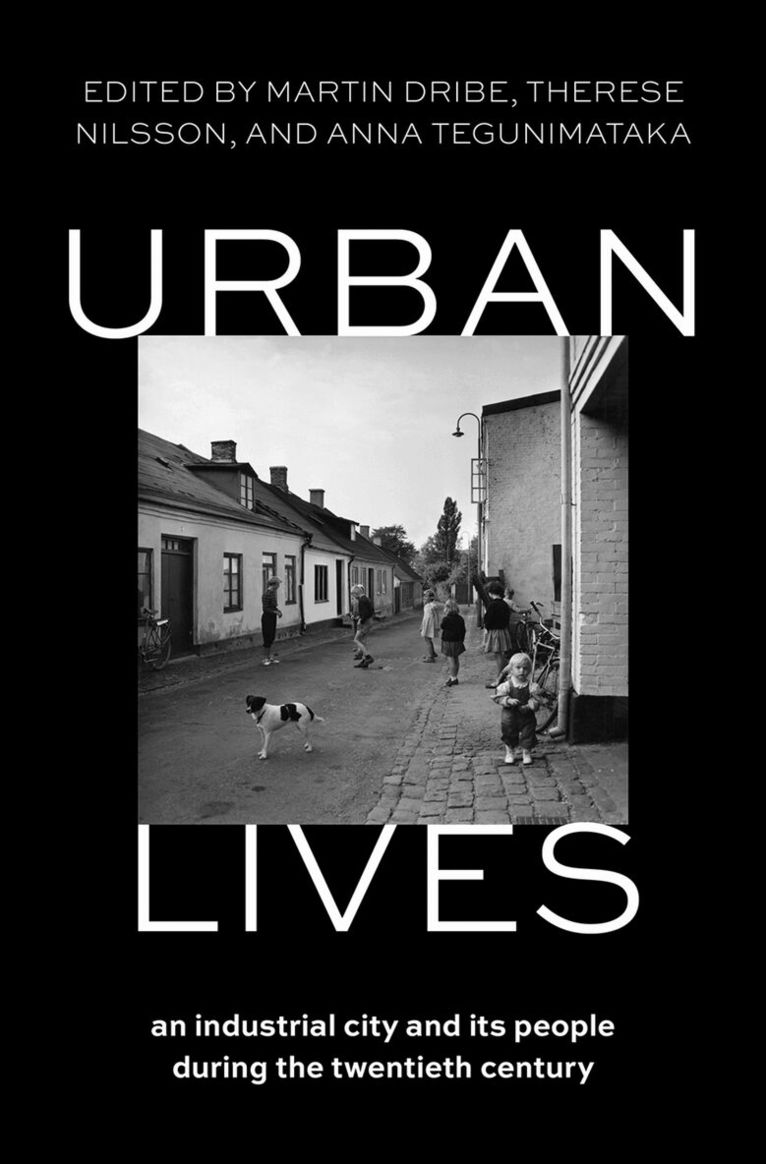
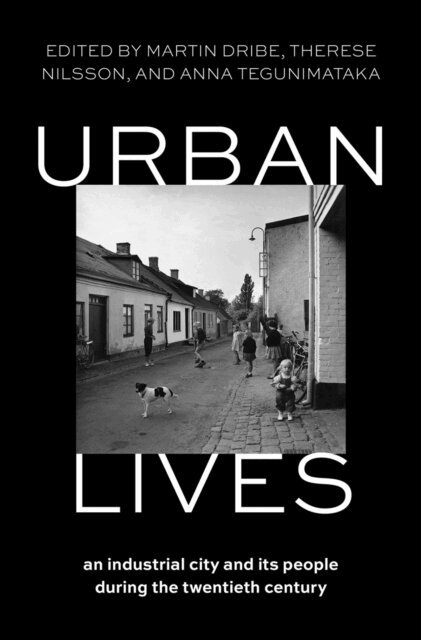
This is an open access title available under the terms of a CC BY-NC-ND 4.0 International license. It is free to read at Oxford Academic and offered as a free PDF download from OUP and selected open access locations.The past 200 years have witnessed revolutionary changes in living conditions for most people in the Global North. While the broad outline of these processes is well known through extensive research at the macro level, we still know very little about their micro-level foundations, largely due to the lack of appropriate data in most countries. Through the lens of a Swedish industrial city, Landskrona, Urban Lives looks at economic and demographic change at the micro level of individuals and families to understand the societal transformations that profoundly changed people's lives during the twentieth century. These societal transformations--coinciding with industrialization, post-industrialization, and the emergence and culmination of the welfare state--encompassed groundbreaking advancements in living standards, a relocation of rural populations to urban hubs, and significant alterations in the fabric of everyday working life. Including an original data infrastructure, the book follows individuals and families in Landskrona across generations, and situates them in these broader social, institutional, and environmental contexts. Each chapter provides novel insights into the micro-level foundations of long term economic-demographic processes, and covers important research questions related to health, family, migration, and residential segregation. Original and comprehensive, Urban Lives offers an examination of twentieth-century demographic, social, and economic history, illustrating how personal choices and behavior were shaped by social transformation. - E-bokPDF, Engelska, 2024
1 189 kr
Läs direkt efter köp
This is an open access title available under the terms of a CC BY-NC-ND 4.0 International license. It is free to read at Oxford Academic and offered as a free PDF download from OUP and selected open access locations. The past 200 years have witnessed revolutionary changes in living conditions for most people in the Global North. While the broad outline of these processes is well known through extensive research at the macro level, we still know very little about their micro-level foundations, largely due to the lack of appropriate data in most countries. Through the lens of a Swedish industrial city, Landskrona, Urban Lives looks at economic and demographic change at the micro level of individuals and families to understand the societal transformations that profoundly changed people's lives during the twentieth century. These societal transformations--coinciding with industrialization, post-industrialization, and the emergence and culmination of the welfare state--encompassed groundbreaking advancements in living standards, a relocation of rural populations to urban hubs, and significant alterations in the fabric of everyday working life. Including an original data infrastructure, the book follows individuals and families in Landskrona across generations, and situates them in these broader social, institutional, and environmental contexts. Each chapter provides novel insights into the micro-level foundations of long term economic-demographic processes, and covers important research questions related to health, family, migration, and residential segregation. Original and comprehensive, Urban Lives offers an examination of twentieth-century demographic, social, and economic history, illustrating how personal choices and behavior were shaped by social transformation. - Inbunden, Engelska, 2005
4 852 kr
Skickas inom 5-8 vardagar
Why did Europe experience industrialisation and modern economic growth before China, India or Japan? This is one of the most fundamental questions in Economic History and one that has provoked intense debate. The main concern of this book is to determine when the gap in living standards between the East and the West emerged. The established view, dating back to Adam Smith, is that the gap emerged long before the Industrial Revolution, perhaps thousands of years ago. While this view has been called into question - and many of the explanations for it greatly undermined - the issue demands much more empirical research than has yet been undertaken. How did the standard of living in Europe and Asia compare in the seventeenth and eighteenth centuries? The present book proposes an answer by considering evidence of three sorts. The first is economic, focusing on income, food production, wages, and prices. The second is demographic, comparing heights, life expectancy and other demographic indicators. The third combines the economic and demographic by investigating the demographic vulnerability to short-term economic stress.The contributions show the highly complex and diverse pattern of the standard of living in the pre-industrial period. The general picture emerging is not one of a great divergence between East and West, but instead one of considerable similarities. These similarities not only pertain to economic aspects of standard of living but also to demography and the sensitivity to economic fluctuations. In addition to these similarities, there were also pronounced regional differences within the East and within the West - regional differences that in many cases were larger than the average differences between Europe and Asia. This clearly highlights the importance of analysing several dimensions of the standard of living, as well as the danger of neglecting regional, social, and household specific differences when assessing the level of well-being in the past. - Häftad, Svenska, 2023
147 kr
Skickas inom 5-8 vardagar
Forskningsprogrammet En industristads uppgång och fall: Landskrona befolkningsstudie tilldelades anslag av Stiftelsen Riksbankens Jubileumsfond 2016. Inom programmet har forskare med bakgrund i nationalekonomi, historia, ekonomisk historia, demografi, sociologi och geografi samarbetat kring forskningsfrågor som rör ekonomisk demografi, det vill säga samspelet mellan ekonomi och befolkning, i ett långsiktigt historiskt perspektiv. Navet i samarbetet har varit uppbyggnaden av en historisk befolkningsdatabas. Den innehåller uppgifter för perioden 1813-1967, som sedan länkats till moderna registerdata för perioden 1968-2015.