Thomas D. Hamm – författare
Visar alla böcker från författaren Thomas D. Hamm. Handla med fri frakt och snabb leverans.
10 produkter
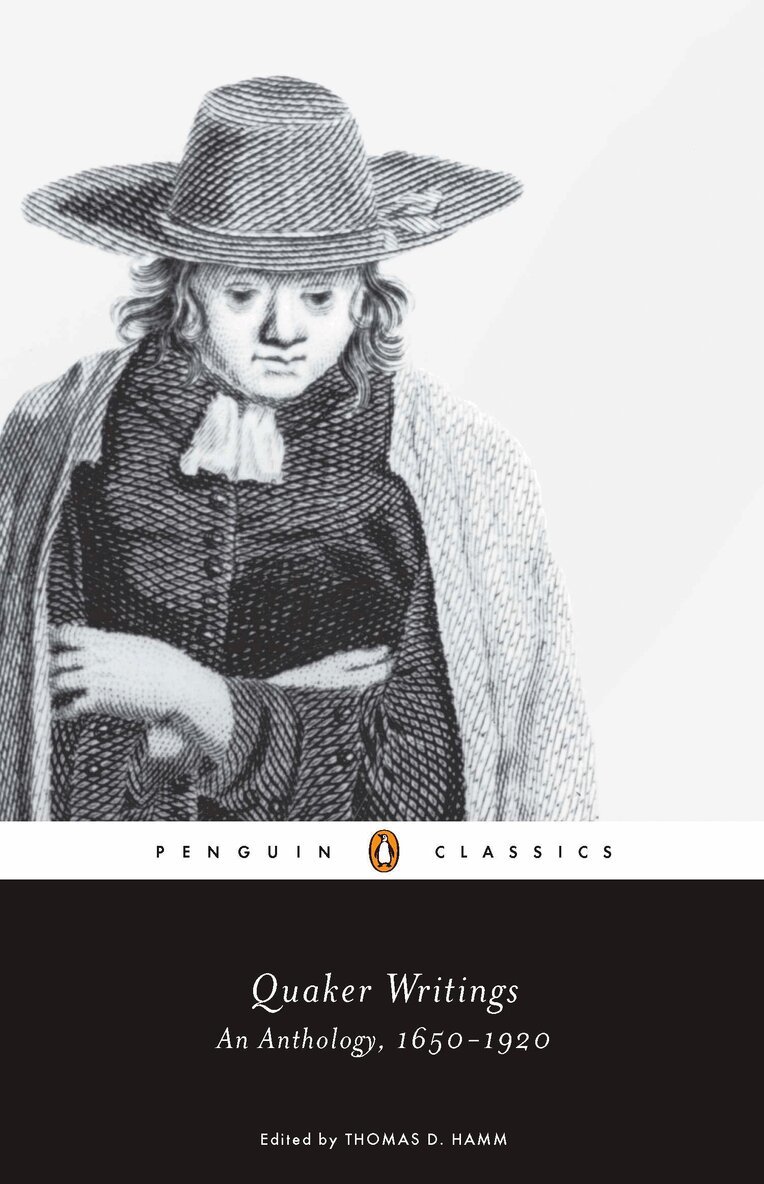
Quaker Writings
An Anthology, 1650-1920
Häftad, 2011
231 kr
Lägg i varukorg
This is an illuminating collection of work by members of the Religious Society of Friends. Covering nearly three centuries of religious development, this comprehensive anthology brings together writings from prominent Friends that illustrate the development of Quakerism, show the nature of Quaker …
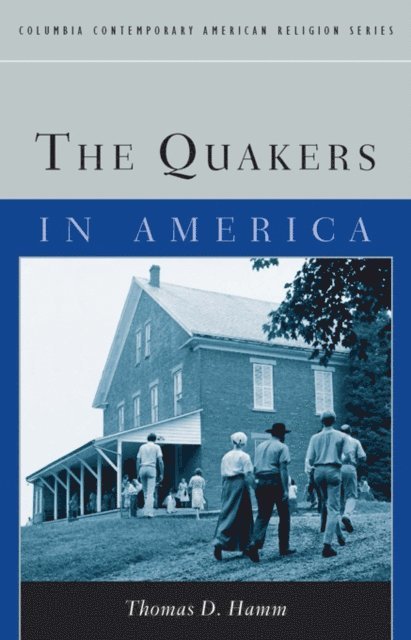
Quakers in America
E-bok, 2003
450 kr
Lägg i varukorg
The Quakers in America is a multifaceted history of the Religious Society of Friends and a fascinating study of its culture and controversies today. Lively vignettes of Conservative, Evangelical, Friends General Conference, and Friends United meetings illuminate basic Quaker theology and reflect …
Transformation of American Quakerism
Orthodox Friends, 1800-1907
Häftad, 1988
219 kr
Lägg i varukorg
"Hamm has simply produced the best book on Quaker history in recent years." —Quaker History" . . . will stand as one of the most important works in the field." —American Historical Review
Quaker Writings
An Anthology, 1650-1920
E-bok, 2011
156 kr
Lägg i varukorg
An illuminating collection of work by members of the Religious Society of Friends. Covering nearly three centuries of religious development, this comprehensive anthology brings together writings from prominent Friends that illustrate the development of Quakerism, show the nature of Quaker spiritual …
Minutes of the Dartmouth, Massachusetts, Monthly Meeting of Friends, 1619-1785 Volume 1
Men's Minutes: 1699-1762
Inbunden, 2023
864 kr
Lägg i varukorg
Minutes of the Dartmouth, Massachusetts, Monthly Meeting of Friends, 1619-1785 Volume 2
Men's Minutes, 1762-1785, Women's Minutes, 1699-1782
Inbunden, 2023
808 kr
Lägg i varukorg
Liberal Quakerism in America in the Long Nineteenth Century, 1790-1920
Häftad, 2020
2335 kr
Lägg i varukorg
Thomas D. Hamm (Earlham College) argues that a self-conscious, liberal Quakerism emerged in North America between 1790 and 1920. It had three characteristics. The first was a commitment to liberty of conscience. The second was pronounced doubts about orthodox beliefs, such as the divinity of …