Thomas Denenberg - Böcker
Visar alla böcker från författaren Thomas Denenberg. Handla med fri frakt och snabb leverans.
3 produkter
3 produkter
406 kr
Skickas inom 7-10 vardagar
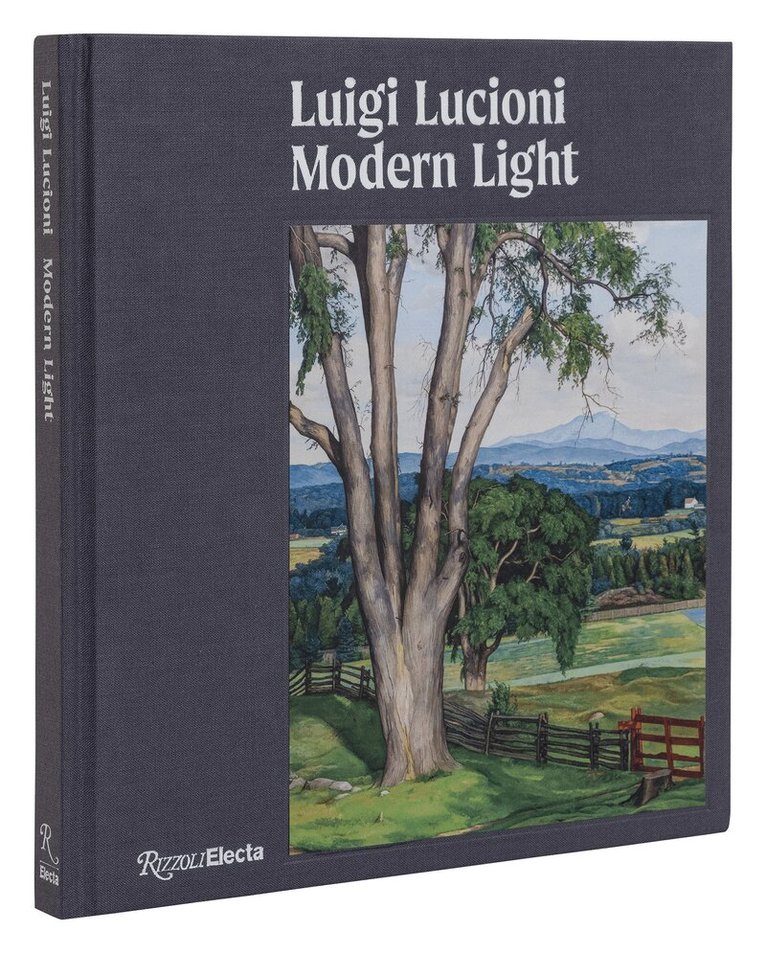
This first comprehensive survey of the life and work of Luigi Lucioni (1900 1988) places him in the context of fellow Regionalist painters Grant Wood, Charles Sheeler, and Maxfield Parrish. Lucioni is known for meticulously rendered still lifes, landscapes, and arresting portraits drawn from his close-knit circle of queer New York artists and cultural figures, including Paul Cadmus, Jared French, George Platt Lynes, and Lincoln Kirstein. In the early 1930s, Lucioni discovered Vermont, whose landscapes reminded him of northern Italy. It was there that he met Electra Havemeyer Webb, who was to become his single most important patron. For more than 50 years, the New York City based artist spent every summer painting landscapes of trees, barns, and buildings in Vermont with sharply observed realism and a cool, precise style. Key scholars examine Lucioni s oeuvre, materials, techniques, and his role in American modernism.
426 kr
Skickas inom 7-10 vardagar
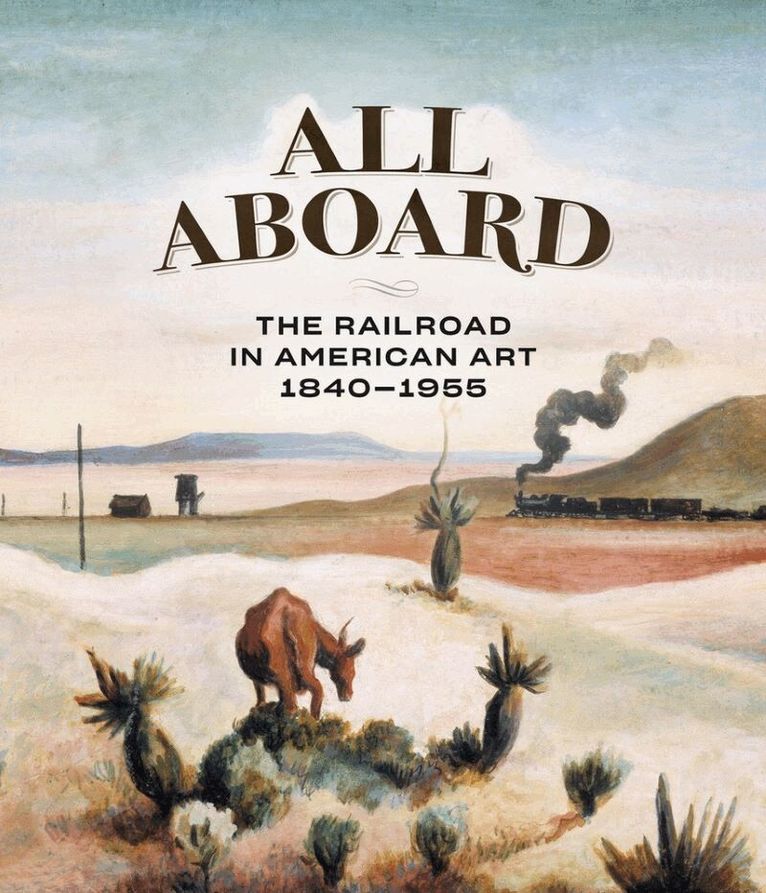
All Aboard is a ground-breaking book. Presented thematically the authors cover the environmental impact of the railroad both on the flora and fauna, and on the social landscape; the role of the railroad on the western expansion of the USA, and the lasting and hugely detrimental impact of this on Native American populations. A wide array of comparative images includes archival and historic views, other related artworks and ephemera, as well as a railroad map.In the early years of the nineteenth century artists including Thomas Cole and George Inness, of the Hudson River School, feared the impact of the railroad on the natural landscape; later artists were inspired by the newly opened-up landscapes of the West, including Albert Bierstadt and Theodore Kaufmann; others like Edward Hopper, Jacob Lawrence, Reginald Marsh, George Bellows, and John Sloan, were fascinated by movement of freight and people across the railroad network. Ben Shahn, Tomas Hart Benton, and Joe Jones's portrayals of railroad workers become emblems of the very backbone of America on which the country's social and industrial expansion was built.Such industrial expansion is captured in the dramatic views of Pittsburgh and mid-west industry in paintings by Otto Kuhler, George Luks, and Charles Sheeler. And finally, there are a raft of artists for whom the railroad was both at the heart of a great new machine age, celebrated in paintings by Georgia O'Keeffe, John Marin, Joseph Stella, and Charles Goeller, but also the creator of a more lonely and alienated urban industrial world, most strongly captured in Edward Hopper's railroad landscapes.
389 kr
Kommande
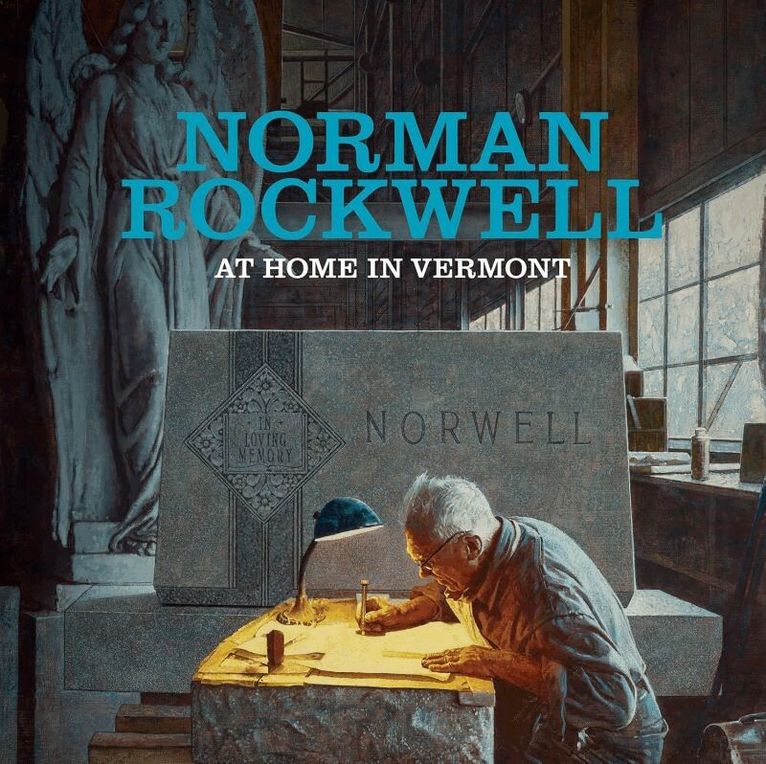
Inthese works, Rockwell offered a nation battered by the Great Depression andWorld War II a reassuring image of American life: orderly, self-reliant, andpicturesque. Through paintings and illustrations, Rockwell captured not simplyscenes of New England life, but a deeply rooted ethos-one in which democraticcommunity, moral clarity, and quiet individualism flourished.Thisbook, and the accompanying exhibition, situates Rockwell's Vermont years withina broader creative milieu, highlighting the Arlington artist circle thatincluded John Atherton (1900-1952), and Gene Pelham (1909-2004)- all informallyenticed to Arlington, Vermont. Together, they helped define a cultural momentin which Vermont was mythologized as democracy's granite-strong refuge. EvenRockwell's orchestrated friendship with Anna Mary "Grandma" Moses (1860-1961)was part of a wider crafting of New England as both authentic andmarketable-where artists and audiences alike found a form of moral anchorage.Featuringtwo newly acquired Rockwell paintings to Shelburne Museum celebrating Vermont'sgranite industry-long regarded as the state's "backbone"-Norman Rockwell: AtHome in Vermont examines not only the imagery but the carefulmythmaking that made Vermont central to Rockwell's enduring vision ofAmerica. Today, Rockwell's work is housed in major museums across thecountry, a testament to his profound influence as an artist.