Thomas E. Skidmore – författare
Visar alla böcker från författaren Thomas E. Skidmore. Handla med fri frakt och snabb leverans.
12 produkter
Brazil
Five Centuries of Change
Av James Green, Thomas E. Skidmore
Häftad, 2021
984 kr
Lägg i varukorg
Revised for its third edition, Brazil: Five Centuries of Change vividly traces the development of Brazil over the last 500 years.
Brazil
Five Centuries of Change
Av Thomas E. Skidmore, James Green
E-bok, 2021
594 kr
Lägg i varukorg
Revised for its third edition, Brazil: Five Centuries of Change vividly traces the development of Brazil over the last 500 years.
Politics of Military Rule in Brazil, 1964-1985
E-bok, 1990
638 kr
Lägg i varukorg
The largest and most important country in Latin America, Brazil was the first to succumb to the military coups that struck that region in the 1960s and the early 1970s. In this authoritative study, Thomas E. Skidmore, one of America''s leading experts on Latin America and, in particular, on Brazil, …
The Politics of Military Rule in Brazil, 1964-1985
Häftad, 1993
989 kr
Lägg i varukorg
The largest and most important country in Latin America, Brazil was the first to succumb to the military coups that struck that region in the 1960s and the early 1970s. In this authoritative study, Thomas E. Skidmore, one of America's leading experts on Latin America and, in particular, on Brazil, …
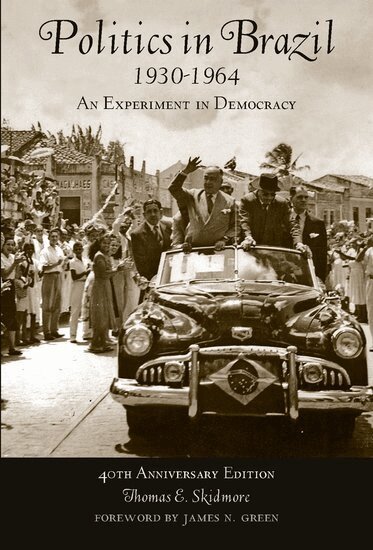
Politics in Brazil, 1930 - 1964
An Experiment in Democracy - 40th Anniversary Edition
Häftad, 2007
808 kr
Lägg i varukorg
A thorough study of Brazilian politics from 1930 to 1964, this book begins with Getulio Vargas' fifteen-year-rule - the latter part of which was a virtual dictatorship - and traces the following years of economic difficulty and political turbulenece, culminating in the explosive coup d'etat that …
Politics of Military Rule in Brazil, 1964-1985
E-bok, 1990
718 kr
Lägg i varukorg
The largest and most important country in Latin America, Brazil was the first to succumb to the military coups that struck that region in the 1960s and the early 1970s. In this authoritative study, Thomas E. Skidmore, one of America''s leading experts on Latin America and, in particular, on Brazil, …
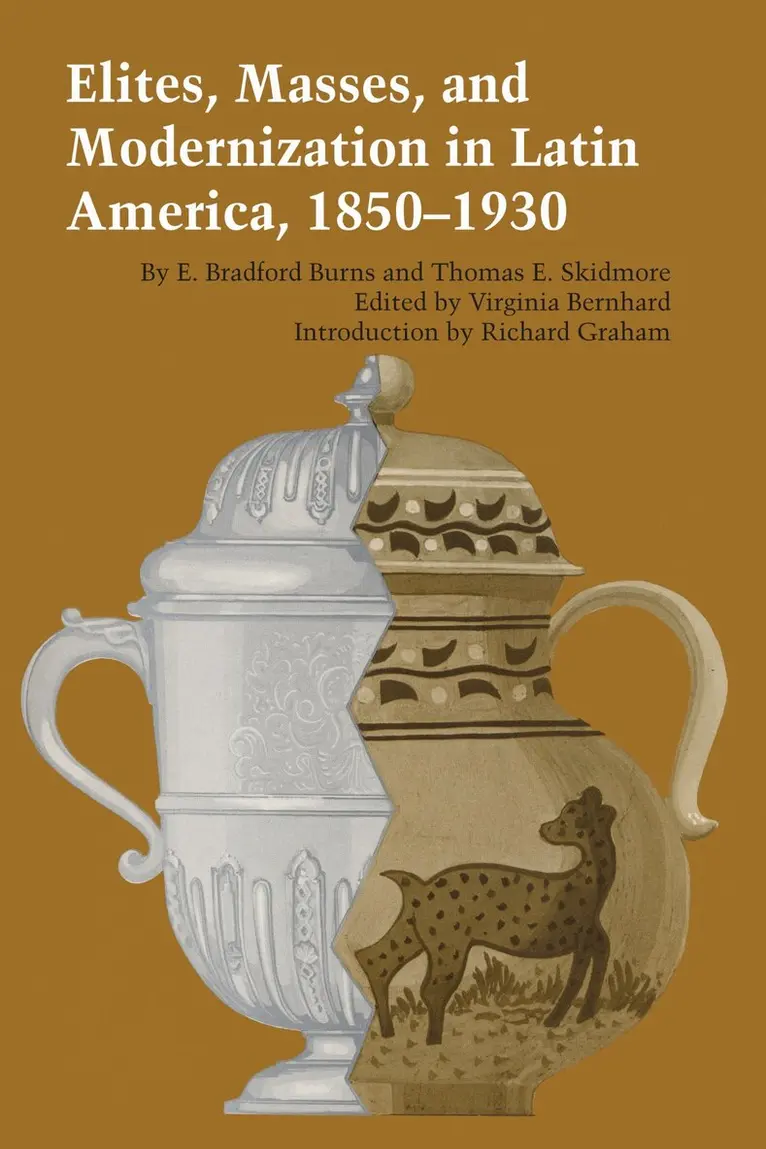
Elites, Masses, and Modernization in Latin America, 1850–1930
Av E. Bradford Burns, Thomas E. Skidmore m. fl.
Häftad, 1979
225 kr
Lägg i varukorg
The interactions between the elites and the lower classes of Latin America are explored from the divergent perspectives of three eminent historians in this volume. The result is a counterbalance of viewpoints on the urban and the rural, the rich and the poor, and the Europeanized and the …
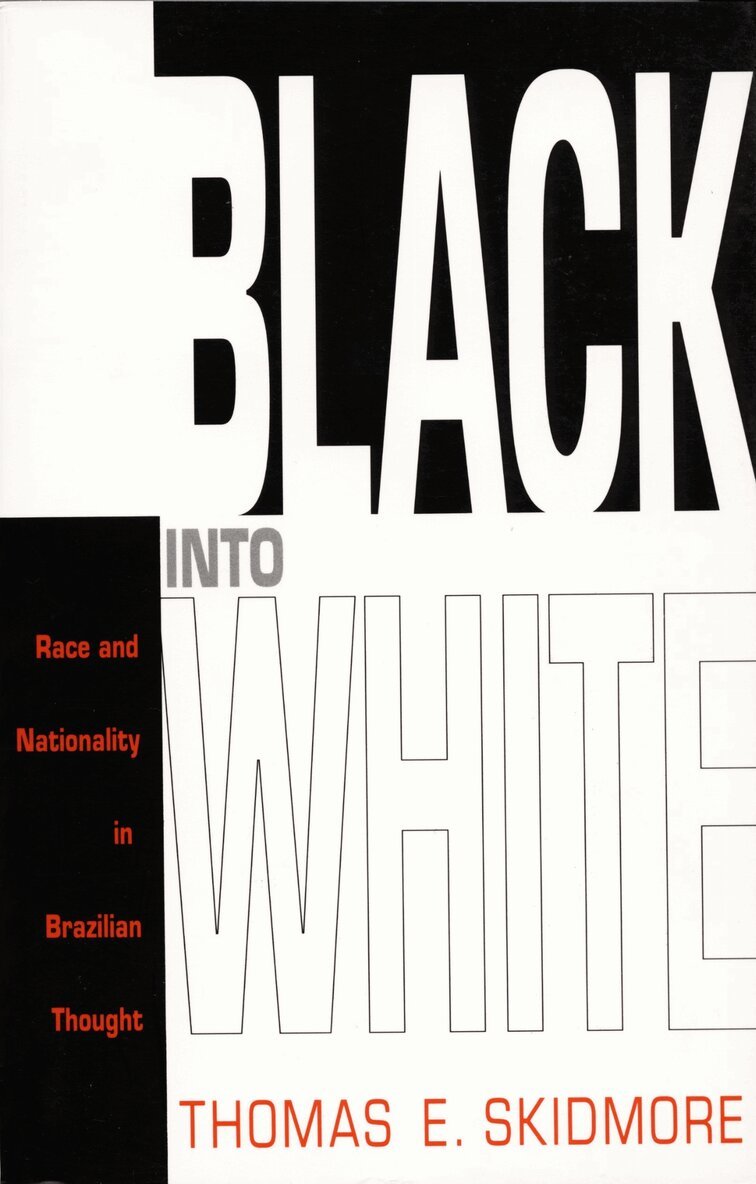
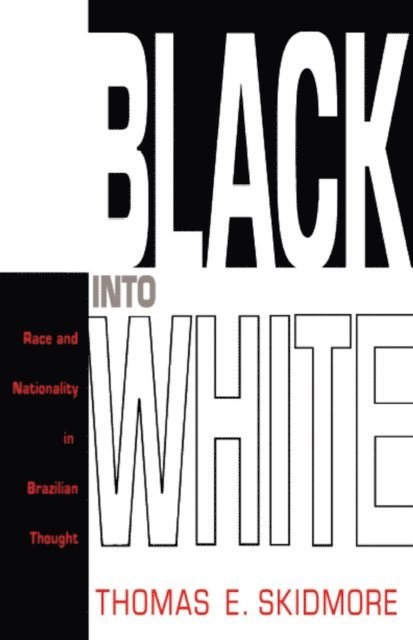
Black Into White
Race and Nationality in Brazilian Thought
Häftad, 1992
563 kr
Lägg i varukorg
Published to wide acclaim in 1974, Thomas E. Skidmore's intellectual history of Brazilian racial ideology has become a classic in the field. Available for the first time in paperback, this edition has been updated to include a new preface and bibliography that surveys recent scholarship in the …
Black into White
Race and Nationality in Brazilian Thought
E-bok, 1992
570 kr
Lägg i varukorg
Published to wide acclaim in 1974, Thomas E. Skidmore''s intellectual history of Brazilian racial ideology has become a classic in the field. Available for the first time in paperback, this edition has been updated to include a new preface and bibliography that surveys recent scholarship in the …
Rights of man to Property! Being a Proposition to Make it Equal Among the Adults of the Present Generation, and to Provide for its Equal Transmission to Every Individual of Each Succeeding Generation on Arriving at the age of Maturity
Av Thomas E Skidmore, Alexander Ming
Inbunden, 2022
441 kr
Lägg i varukorg
Rights of man to Property! Being a Proposition to Make it Equal Among the Adults of the Present Generation, and to Provide for its Equal Transmission to Every Individual of Each Succeeding Generation on Arriving at the age of Maturity
Av Thomas E Skidmore, Alexander Ming
Häftad, 2022
323 kr
Lägg i varukorg