Thomas Hurka – författare
Visar alla böcker från författaren Thomas Hurka. Handla med fri frakt och snabb leverans.
23 produkter
Det bästa i livet
Av Thomas Hurka
Häftad, 2025
228 kr
Lägg i varukorg
Hur lever man det bästa livet? Vad skulle det innehålla? Kan vem som helst leva ett sånt liv? I så fall – lever du det livet? Det här är några av de frågor som den framstående kanadensiske filosofen Thomas Hurka ställer sig i denna bok. Svaren formulerar han med hjälp av både klassiska tänkare som …
Spårvagnsproblemens mysterier
Av Frances Kamm, Judith Thomson m. fl.
Häftad, 2026
225 kr
Lägg i varukorg
Spårvagnsproblemet – tankeexperimentet som Philippa Foot formulerade på 1960-talet och som Judith Thomson namngav på 1970-talet – vad ska man egentligen säga om det? Vad handlar det om och kan vi lära oss något av det? I "Spårvagnsproblemens mysterier" får vi några exempel på det bästa tänkandet …
The Best Things in Life
A Guide to What Really Matters
Av Thomas Hurka
Häftad, 2015
222 kr
Lägg i varukorg
For centuries, philosophers, theologians, moralists, and ordinary people have asked: How should we live? What makes for a good life? In The Best Things in Life, distinguished philosopher Thomas Hurka takes a fresh look at these perennial questions as they arise for us now in the 21st century. …
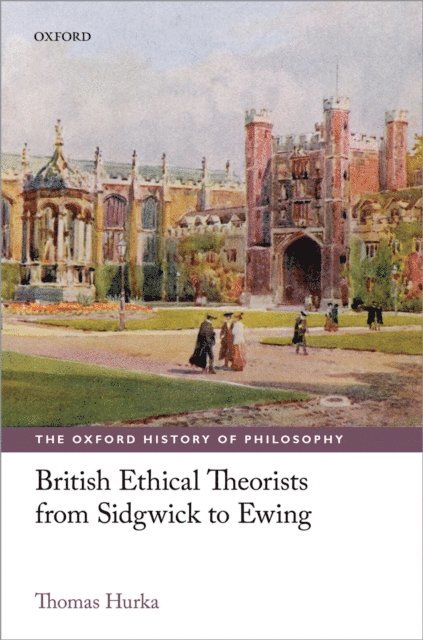
British Ethical Theorists from Sidgwick to Ewing
Av Thomas Hurka
E-bok, 2014
399 kr
Lägg i varukorg
Thomas Hurka presents the first full historical study of an important strand in the development of modern moral philosophy. His subject is a series of British ethical theorists from the late nineteenth century to the mid-twentieth century, who shared key assumptions that made them a unified and …
British Ethical Theorists from Sidgwick to Ewing
Av Thomas Hurka
E-bok, 2014
399 kr
Lägg i varukorg
Thomas Hurka presents the first full historical study of an important strand in the development of modern moral philosophy. His subject is a series of British ethical theorists from the late nineteenth century to the mid-twentieth century, who shared key assumptions that made them a unified and …
Underivative Duty
British Moral Philosophers from Sidgwick to Ewing
Av Thomas Hurka
E-bok, 2011
972 kr
Lägg i varukorg
These ten new essays by leading contemporary philosophers constitute the first collective study of a group of British moral philosophers active between the 1870s and 1950s, including Henry Sidgwick, Hastings Rashdall, G.E. Moore, H.A. Prichard, W.D. Ross, and A.C. Ewing. The essays help recover the …
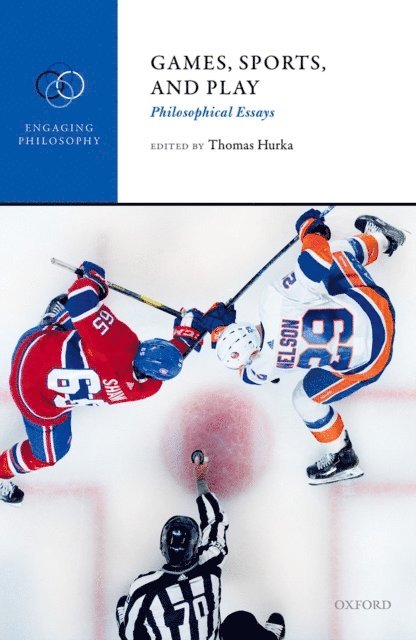
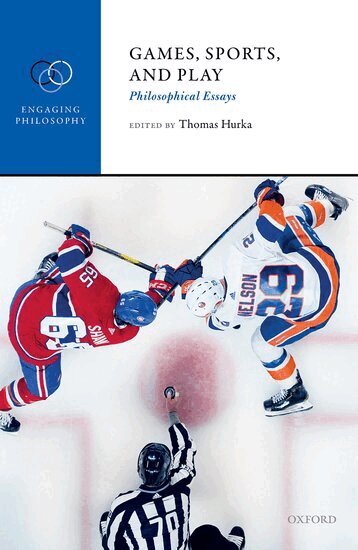
Games, Sports, and Play
Philosophical Essays
Av Thomas Hurka
E-bok, 2019
1100 kr
Lägg i varukorg
This volume presents new philosophical essays on a topic that''s been neglected in most recent philosophy: games, sports, and play. Some contributions address conceptual questions about what games and sports have in common and that distinguishes them from other activities; here many take their …
Games, Sports, and Play
Philosophical Essays
Av Thomas Hurka
E-bok, 2019
1100 kr
Lägg i varukorg
This volume presents new philosophical essays on a topic that''s been neglected in most recent philosophy: games, sports, and play. Some contributions address conceptual questions about what games and sports have in common and that distinguishes them from other activities; here many take their …
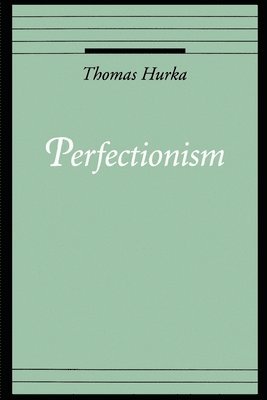
Perfectionism
Av Thomas Hurka
Häftad, 1996
940 kr
Lägg i varukorg
Perfectionism is one of the great moralities of the Western tradition. It holds that certain states of humans, such as knowledge, achievement, and friendship, are good apart from any pleasure they may bring, and that the morally right act is always the one that most promotes these states. Defined …
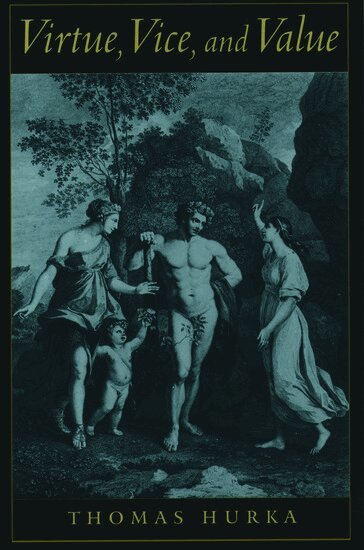
Virtue, Vice, and Value
Av Thomas Hurka
Häftad, 2003
1306 kr
Lägg i varukorg
What are virtue and vice, and how do they relate to other moral properties such as goodness and rightness? Thomas Hurka defends a distinctive perfectionist view according to which the virtues are higher-level intrinsic goods, ones that involve morally appropriate attitudes to other, independent …
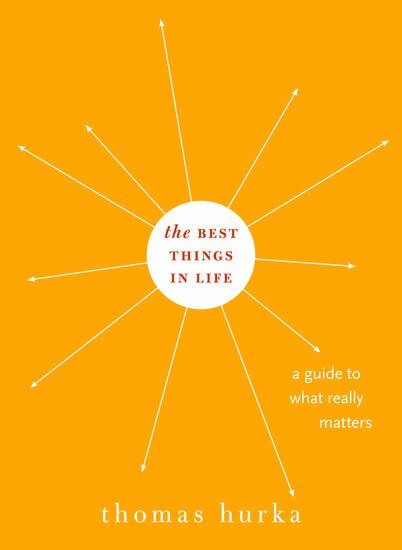
The Best Things in Life
A Guide to What Really Matters
Av Thomas Hurka
Inbunden, 2011
285 kr
Lägg i varukorg
For centuries, philosophers, theologians, moralists, and ordinary people have asked: How should we live? What makes for a good life? In The Best Things in Life, distinguished philosopher Thomas Hurka takes a fresh look at these perennial questions as they arise for us now in the 21st century. …
Virtue, Vice, and Value
Av Thomas Hurka
E-bok, 2000
929 kr
Lägg i varukorg
What are virtue and vice, and how do they relate to other moral properties such as goodness and rightness? Thomas Hurka defends a distinctive perfectionist view according to which the virtues are higher-level intrinsic goods, ones that involve morally appropriate attitudes to other, independent …
Games, Sports, and Play
Philosophical Essays
Av Thomas Hurka
Inbunden, 2019
1207 kr
Lägg i varukorg
This volume presents new philosophical essays on a topic that's been neglected in most recent philosophy: games, sports, and play. Some contributions address conceptual questions about what games and sports have in common and that distinguishes them from other activities; here many take their start …
British Ethical Theorists from Sidgwick to Ewing
Av Thomas Hurka
Häftad, 2018
478 kr
Lägg i varukorg
Thomas Hurka presents the first full historical study of an important strand in the development of modern moral philosophy. His subject is a series of British ethical theorists from the late nineteenth century to the mid-twentieth century, who shared key assumptions that made them a unified and …
British Ethical Theorists from Sidgwick to Ewing
Av Thomas Hurka
Inbunden, 2014
1449 kr
Lägg i varukorg
Thomas Hurka presents the first full historical study of an important strand in the development of modern moral philosophy. His subject is a series of British ethical theorists from the late nineteenth century to the mid-twentieth century, who shared key assumptions that made them a unified and …
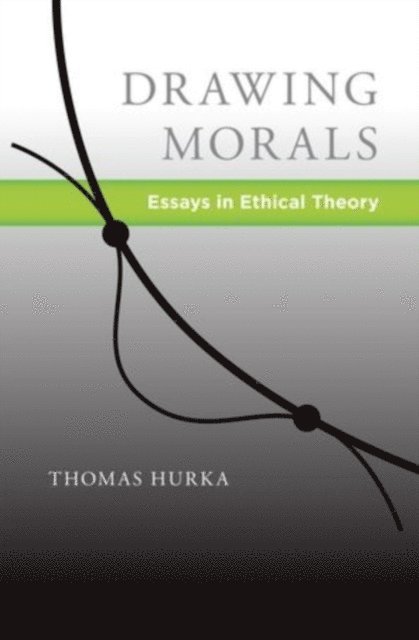
Drawing Morals
Essays in Ethical Theory
Av Thomas Hurka
E-bok, 2011
972 kr
Lägg i varukorg
This volume contains selected essays in moral and political philosophy by Thomas Hurka. The essays address a wide variety of topics, from the well-rounded life and the value of playing games to proportionality in war and the ethics of nationalism. They also share a common aim: to illuminate the …
Underivative Duty
British Moral Philosophers from Sidgwick to Ewing
Av Thomas Hurka
Inbunden, 2011
1688 kr
Lägg i varukorg
These ten new essays by leading contemporary philosophers constitute the first collective study of a group of British moral philosophers active between the 1870s and 1950s, including Henry Sidgwick, Hastings Rashdall, G.E. Moore, H.A. Prichard, W.D. Ross, and A.C. Ewing. The essays help recover the …
Best Things in Life
A Guide to What Really Matters
Av Thomas Hurka
E-bok, 2010
98 kr
Lägg i varukorg
For centuries, philosophers, theologians, moralists, and ordinary people have asked: How should we live? What makes for a good life? In The Best Things in Life , distinguished philosopher Thomas Hurka takes a fresh look at these perennial questions as they arise for us now in the 21st century. …
Drawing Morals
Essays in Ethical Theory
Av Thomas Hurka
Inbunden, 2011
1682 kr
Lägg i varukorg
This volume contains selected essays in moral and political philosophy by Thomas Hurka. The essays address a wide variety of topics, from the well-rounded life and the value of playing games to proportionality in war and the ethics of nationalism. They also share a common aim: to illuminate the …
Best Things in Life
A Guide to What Really Matters
Av Thomas Hurka
E-bok, 2010
98 kr
Lägg i varukorg
For centuries, philosophers, theologians, moralists, and ordinary people have asked: How should we live? What makes for a good life? In The Best Things in Life , distinguished philosopher Thomas Hurka takes a fresh look at these perennial questions as they arise for us now in the 21st century. …
Drawing Morals
Essays in Ethical Theory
Av Thomas Hurka
E-bok, 2011
972 kr
Lägg i varukorg
This volume contains selected essays in moral and political philosophy by Thomas Hurka. The essays address a wide variety of topics, from the well-rounded life and the value of playing games to proportionality in war and the ethics of nationalism. They also share a common aim: to illuminate the …
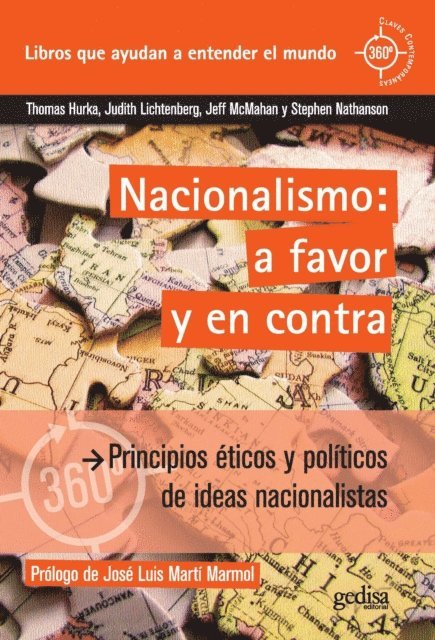
Nacionalismo: a favor y en contra
Av Stephen Nathanson, Judith Lichtenberg m. fl.
E-bok, 2014
68 kr
Lägg i varukorg
A lo largo de los últimos siglos, los movimientos nacionalistas han dejado una indiscutible huella política en nuestra historia reciente. Los argumentos a favor o en su contra han movilizado emociones y polarizado posturas. Su auge también acompaña a un proceso de globalización que ha cuestionado …
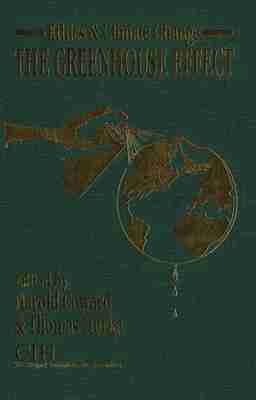
Ethics and Climate Change
The Greenhouse Effect
Av Harold Coward, Thomas Hurka
Häftad, 1993
467 kr
Tillfälligt slut
Faced with the prospect of global warming, the anticipated rapid rise in global air temperatures due to the release of gases into the atmosphere, we have two choices of how to respond: adaptation or avoidance. With adaptation we keep burning fossil fuels, let global temperatures rise and make …