• Fri frakt över 249 kr
  • •
  • Snabba leveranser
  • •
  • Billiga böcker
Kundservice

Du är på sajten för privatpersoner.

Företag, bibliotek eller offentlig verksamhet?

Du handlar på classic.bokus.com, där alla dina funktioner finns intakta.
Till classic.bokus.com
Bokus logotyp. Gå till startsidan.
  • Erbjudanden
  • Student
  • Topplistor
  • Barn & ungdom
  • Bokus Play
  • E-böcker
  • Ljudböcker
  • Pocketböcker
  • Spel och pussel

5% studentrabatt – använd koden KURSBOK27 →

Sidfot

Mina sidor

    Hjälp

    • Kundservice
    • Vanliga frågor och svar
    • Frakt och leverans
    • Retur vid ångerrätt
    • Reklamera vara
    • Betalning
    • Köpvillkor
    • Allmänna villkor
    • Information om webbplatsens tillgänglighet

    Om Bokus

    • Om oss
    • Pressrum
    • För studenter
    • För företag
    • För bibliotek och offentlig verksamhet
    • För leverantörer
    • Hållbarhet

    Populärt

    • Aktuella erbjudanden
    • Presentkort
    • Studentlitteratur
    • Nya böcker
    • Topplistor
    • Signerade böcker
    • Engelska böcker

    Inspiration

    • Boktips
    • BookTok
    • Barnbokskaraktärer
    • Populära författare
    Logotyp för Bokus
    Följ oss på Facebook (extern länk)Följ oss på Instagram (extern länk)Följ oss på YouTube (extern länk)Följ oss på TikTok (extern länk)
    bokus @ CookiesAnpassa cookiesIntegritetspolicyKöpvillkor
    Till Citymail hemsida (extern länk)Till Budbee hemsida (extern länk)Till Postnord hemsida (extern länk)Till Schenker hemsida (extern länk)Till Early Bird hemsida (extern länk)Till Walleys hemsida (extern länk)
    1. Filosofi och religion
    2. Filosofi
    3. Filosofiska discipliner

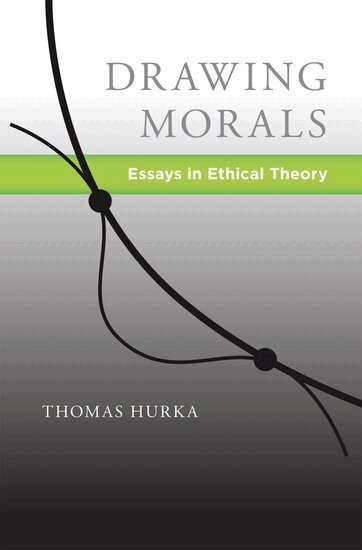
    Drawing Morals

    Essays in Ethical Theory

    AvThomas Hurka

    Inbunden, Engelska, 2011

    Del i serien Oxford Moral Theory

    1 616 kr

    Beställningsvara. Skickas inom 3-6 vardagar. Fri frakt över 249 kr.

    Fler format och utgåvor

    E-bok

    852 kr

    E-bok

    852 kr

    Beskrivning

    This volume contains selected essays in moral and political philosophy by Thomas Hurka. The essays address a wide variety of topics, from the well-rounded life and the value of playing games to proportionality in war and the ethics of nationalism. They also share a common aim: to illuminate the surprising richness and subtlety of our everyday moral thought by revealing its underlying structure, which they often do by representing that structure on graphs. More specifically, the essays all give what the first in the volume calls "structural" as against "foundational" analyses of moral views. Eschewing the grander ambition of grounding our ideas about, say, virtue or desert in claims that use different concepts and concern some other, allegedly more fundamental topic, they examine these ideas in their own right and with close attention to their details. As well as illuminating their individual topics, the essays illustrate the insights this structural method can yield.

    Produktinformation

    • Utgivningsdatum:2011-08-11
    • Mått:156 x 234 x 20 mm
    • Vikt:621 g
    • Format:Inbunden
    • Språk:Engelska
    • Serie:Oxford Moral Theory
    • Antal sidor:288
    • Förlag:OUP USA
    • ISBN:9780199743094

    Utforska kategorier

    • Filosofiska discipliner inom Filosofi och religion

    Mer om författaren

    Thomas Hurka is Jackman Distinguished Professor of Philosophical Studies at the University of Toronto. He is the author of Perfectionism, Principles: Short Essays on Ethics, Virtue, Vice, and Value, and The Best Things in Life, as well as of many articles in moral and political philosophy. For two years he wrote a philosophy column for the Globe and Mail newspaper.

    Recensioner i media

    One should hope and expect that intriguing puzzles emerge from a collection of essays like this. Perhaps the most important moral to be drawn from Drawing Morals is that Hurka's structural method and the insights he explores will continue to engender further philosophizing.

    Innehållsförteckning

    • Preface ; Acknowledgements ; Introduction ; I. Methodology ; 1 Normative Ethics: Back to the Future ; II. Comparing and Combining Goods ; 2 Value and Population Size ; 3 The Well-Rounded Life ; 4 Monism, Pluralism, and Rational Regret ; 5 How Great a Good is Virtue? ; 6 Two Kinds of Organic Unity ; 7 Asymmetries in Value ; III. Individual Goods ; 8 Why Value Autonomy? ; 9 Desert: Holistic and Individualistic ; 10 Virtuous Act, Virtuous Disposition ; 11 Games and the Good ; IV. Principles of Right ; 12 Rights and Capital Punishment ; 13 Two Kinds of Satisficing ; 14 The Justification of National Partiality ; 15 Proportionality in the Morality of War