Thomas Leatherman – författare
Visar alla böcker från författaren Thomas Leatherman. Handla med fri frakt och snabb leverans.
5 produkter
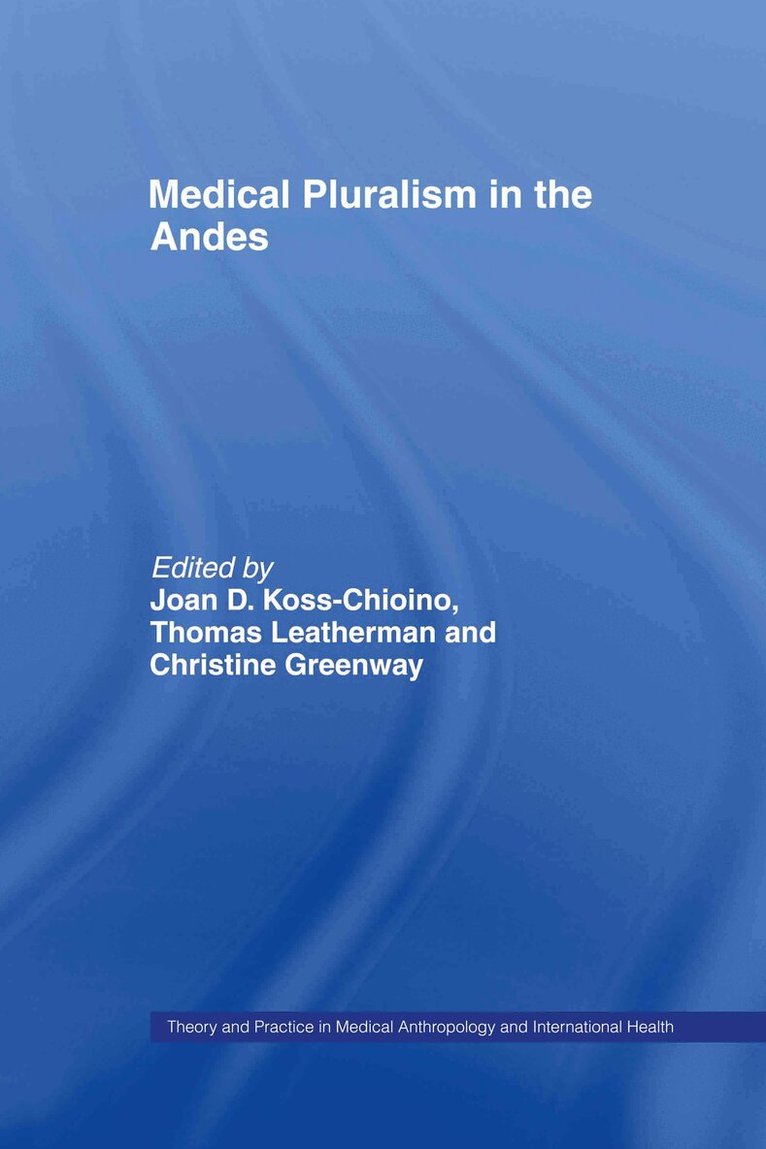
Medical Pluralism in the Andes
Av Christine Greenway, Joan D. Koss-Chioino m. fl.
Inbunden, 2002
2512 kr
Lägg i varukorg
Medical Pluralism in the Andes is the first major collection of anthropological approaches to health in the Andes for over twenty years. Written in tribute to Libbet Crandon Malamuds pioneering work on Andean medicine, this readable, extensively illustrated and instructive book reflects the …
Medical Pluralism in the Andes
Av Christine Greenway, Joan D. Koss-Chioino m. fl.
Häftad, 2002
1070 kr
Lägg i varukorg
Medical Pluralism in the Andes is the first major collection of anthropological approaches to health in the Andes for over twenty years. Written in tribute to Libbet Crandon Malamuds pioneering work on Andean medicine, this readable, extensively illustrated and instructive book reflects the …
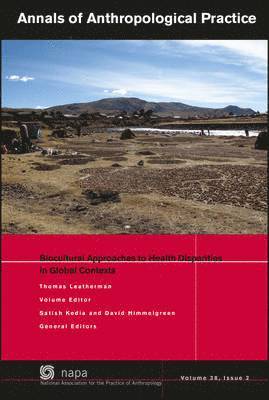
Biocultural Approaches to Health Disparities in Global Contexts
Av Thomas Leatherman, David Himmelgreen m. fl.
Häftad, 2015
320 kr
Lägg i varukorg
The study of health disparities has emerged as an important theme in public health and the social sciences, and efforts to eliminate health disparities are a major thrust of governments and nongovernmental organizations in the US and abroad. Initially, much work focused on identifying disparities …
Medical Pluralism in the Andes
Av Thomas Leatherman, Joan D. Koss-Chioino m. fl.
E-bok, 2003
1302 kr
Lägg i varukorg
A highly readable anthropology of everyday life in the Andes as well as health issues Written in tribute to the pioneering work of Libbet Crandon-Malamud on medicine in the Andes and features personal and academic responses to her life and work
Medical Pluralism in the Andes
Av Thomas Leatherman, Joan D. Koss-Chioino m. fl.
E-bok, 2003
1302 kr
Lägg i varukorg
A highly readable anthropology of everyday life in the Andes as well as health issues Written in tribute to the pioneering work of Libbet Crandon-Malamud on medicine in the Andes and features personal and academic responses to her life and work