Thomas Weaver – författare
Visar alla böcker från författaren Thomas Weaver. Handla med fri frakt och snabb leverans.
16 produkter
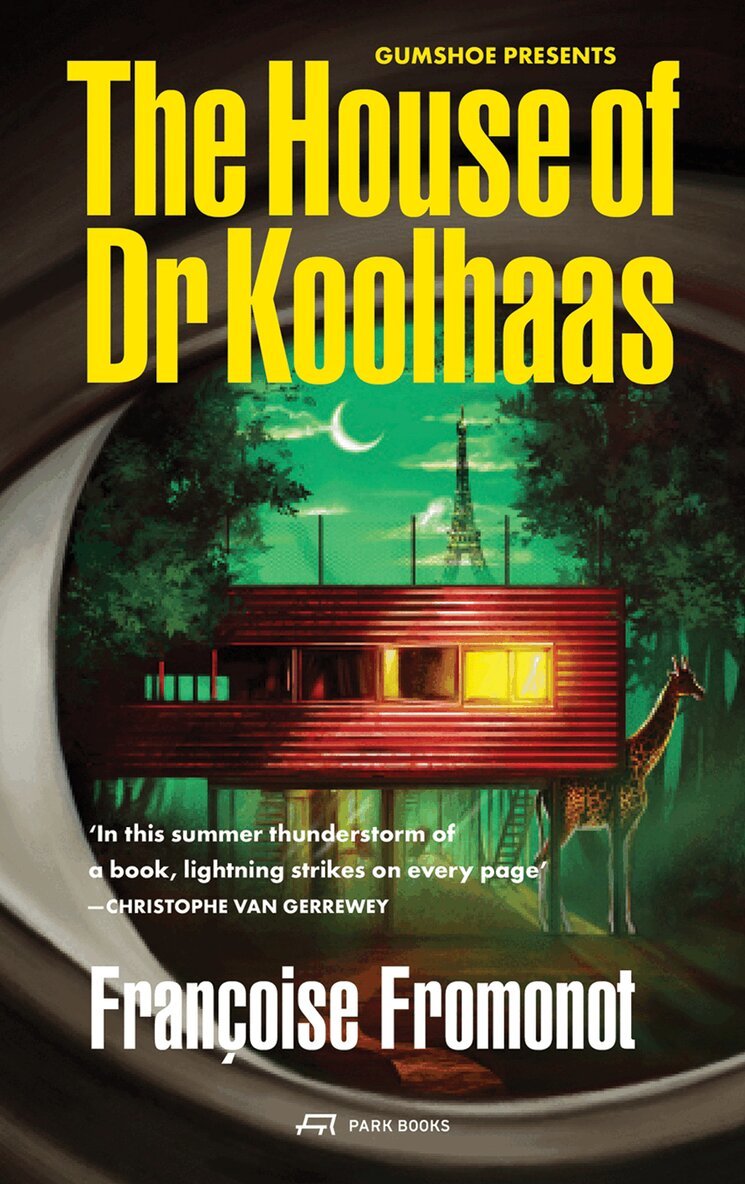
House of Doctor Koolhaas
Av Françoise Fromonot, Thomas Weaver
Häftad, 2025
198 kr
Lägg i varukorg
Gumshoe is new series of architectural books, introducing a new approach to the writing of architectural history. It returns the focus of architectural discourse back onto buildings, in a style and form that is original and scholarly but also easy and enjoyable to read. It emulates the detective …
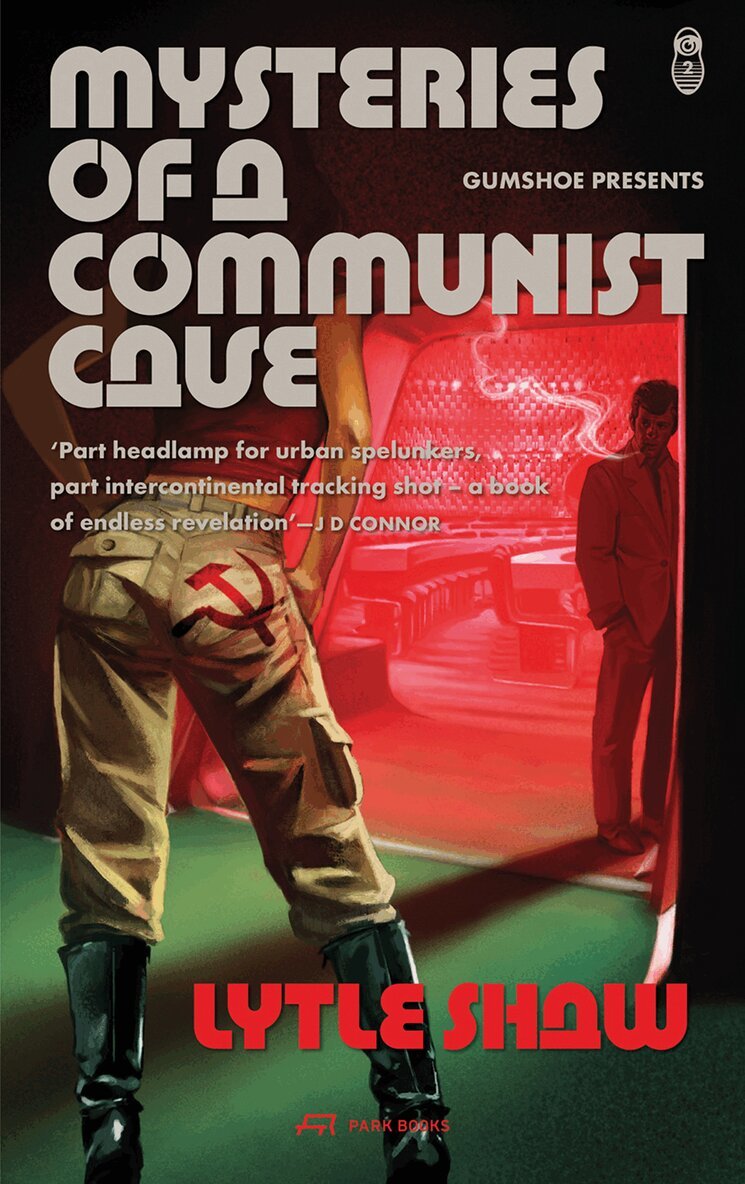
Mysteries of a Communist Cave
Av Lytle Shaw, Thomas Weaver m. fl.
Häftad, 2026
196 kr
Lägg i varukorg
Gumshoe is a new series of architectural books that introduces an original approach to the writing of architectural history. Emulating the detective novel, the focus is on actual buildings rather than on speculative designs and theories. The style and form is fresh and scholarly but also easy and …
Our Time Is Now 3
E-bok, 2010
29 kr
Lägg i varukorg
Tommy and Mary desperately wanted to experience their fantasies, all the variations and extremes of sex, but the conventions and moralities of the time held them back. The war was coming relentlessly closer, threatening everything, but surely their lust was too strong for even that to hold them …
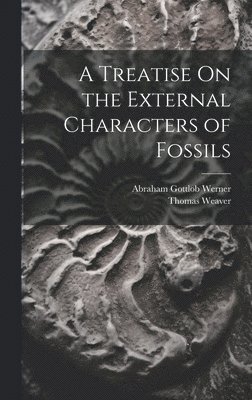
Treatise On the External Characters of Fossils
Av Abraham Gottlob Werner, Thomas Weaver
Inbunden, 2023
514 kr
Lägg i varukorg
Treatise On the External Characters of Fossils
Av Abraham Gottlob Werner, Thomas Weaver
Häftad, 2023
388 kr
Lägg i varukorg
A Treatise on the External Characters of Fossils. Translated from the German ... by T. Weaver.
Av Abraham Gottlob Werner, Thomas Weaver
Häftad, 2011
302 kr
Lägg i varukorg
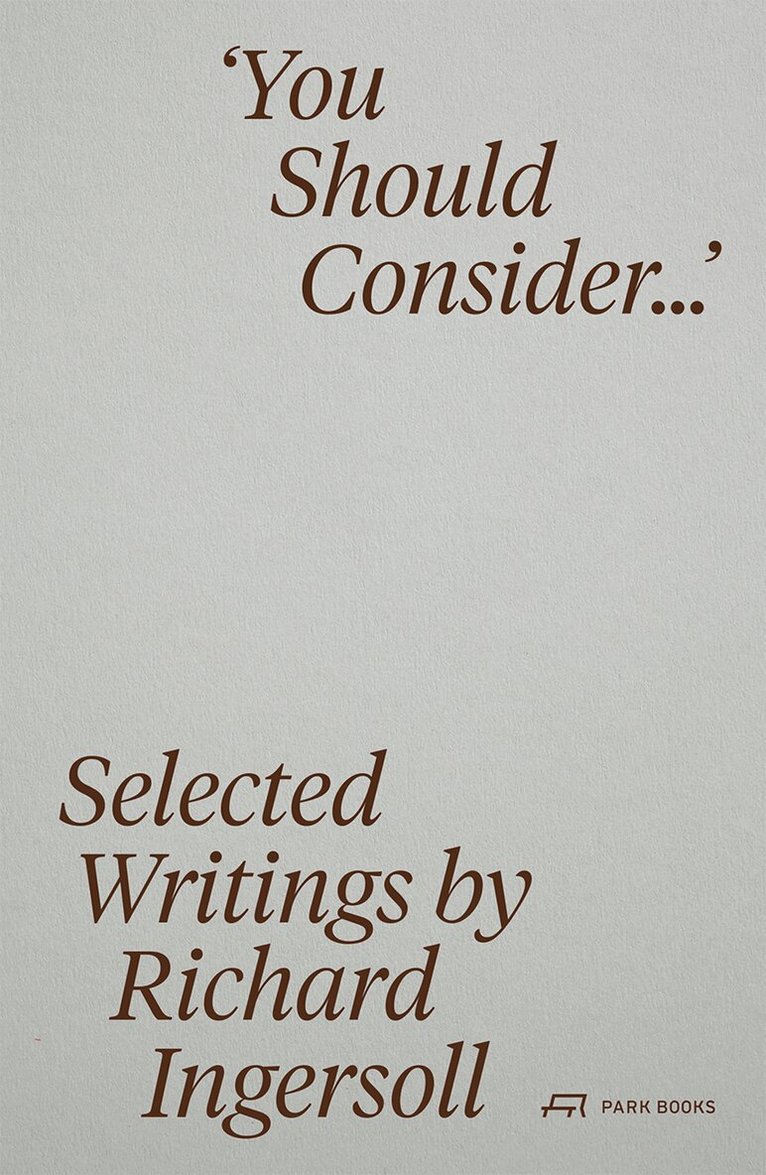
You Should Consider…
Selected Writings by Richard Ingersoll
Av Richard Ingersoll, Thomas Weaver
Häftad, 2026
434 kr
Kommande
You Should Consider… brings together texts by American architecture critic Richard Ingersoll (1949–2021) from five decades, published in magazines such as Domus, Arquitectura Viva, and Lotus: critiques of key buildings and personalities, and reflections on topics and trends in architecture since …
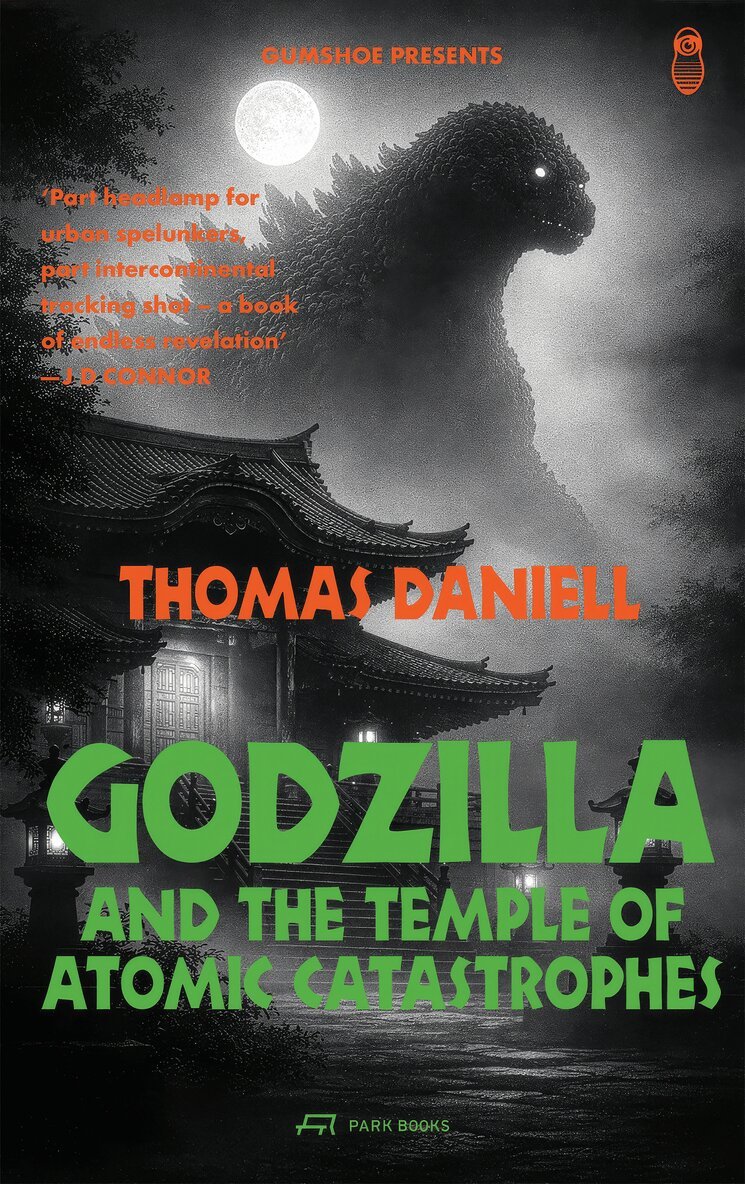
Godzilla and the Temple of Atomic Catastrophes
Av Thomas Daniell, Thomas Weaver m. fl.
Häftad, 2026
196 kr
Kommande
The Temple of Atomic Catastrophes was designed in 1955 by Japanese architect Seiichi Shirai (1905–83). Although never built, the memorial has become a touchstone in debates about Japanese monuments, tradition, and culture. Shirai’s temple design is one of the few architectural works to explicitly …
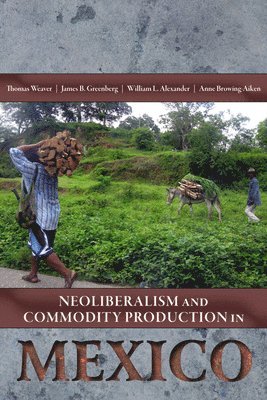
Neoliberalism and Commodity Production in Mexico
Av Thomas Weaver, James B. Greenberg m. fl.
Inbunden, 2012
709 kr
Tillfälligt slut
This book details the impact of neo-liberal practice on the production and exchange of basic resources in working-class communities in Mexico. Using anthropological investigations and a market-driven approach, contributors explain how uneven policies have undermined constitutional protections and …