Timothy A. Kohler – författare
Visar alla böcker från författaren Timothy A. Kohler. Handla med fri frakt och snabb leverans.
9 produkter
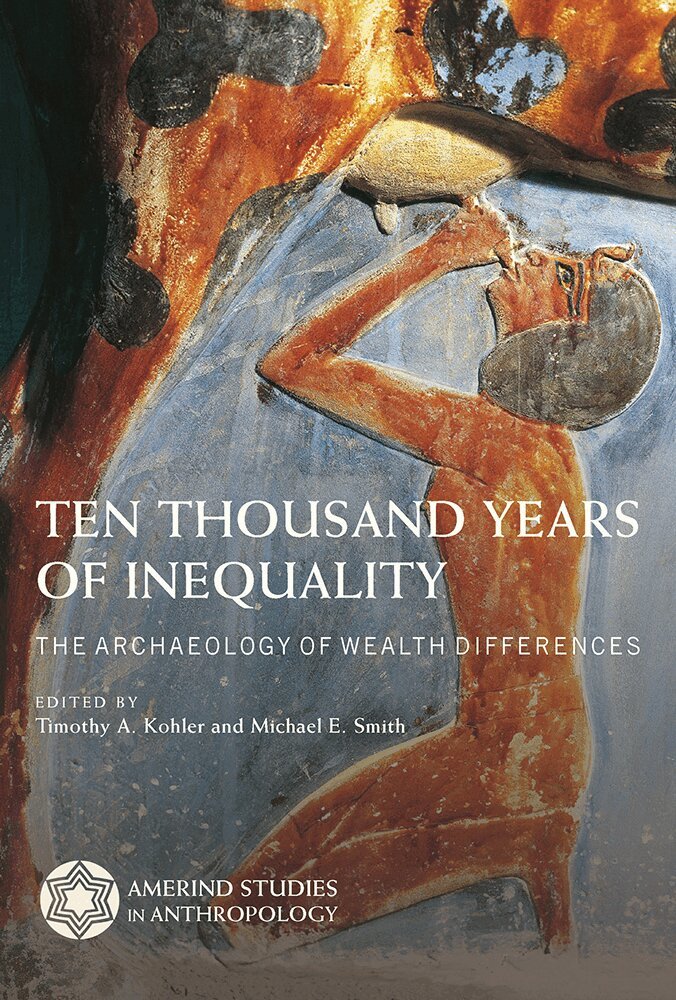
Ten Thousand Years of Inequality
The Archaeology of Wealth Differences
Av Timothy A. Kohler, Michael E. Smith
Häftad, 2019
454 kr
Lägg i varukorg
Is wealth inequality a universal feature of human societies, or did early peoples live an egalitarian existence? How did inequality develop before the modern era? Did inequalities in wealth increase as people settled into a way of life dominated by farming and herding? Why in general do such …
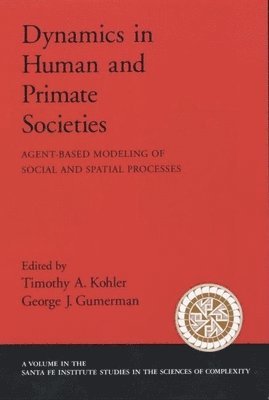
Dynamics of Human and Primate Societies
Agent-Based Modeling of Social and Spatial Processes
Av Timothy A. Kohler, George J. Gummerman
Häftad, 2000
1943 kr
Lägg i varukorg
As part of the SFI series, this book presents the most up-to-date research in the study of human and primate societies, presenting recent advances in software and algorithms for modelling societies. It also addresses case studies that have applied agent-based modelling approaches in archaeology, …
Dynamics in Human and Primate Societies
Agent-Based Modeling of Social and Spatial Processes
Av George G. Gumerman, Timothy A. Kohler
E-bok, 2000
1265 kr
Lägg i varukorg
As part of the SFI series, this book presents the most up-to-date research in the study of human and primate societies, presenting recent advances in software and algorithms for modeling societies. It also addresses case studies that have applied agent-based modeling approaches in archaeology, …
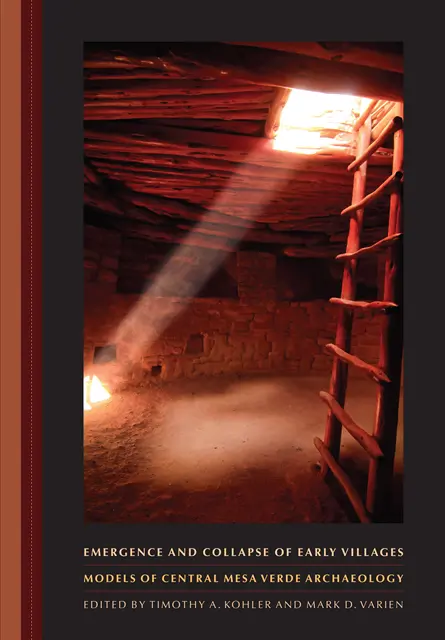
Emergence and Collapse of Early Villages
Models of Central Mesa Verde Archaeology
Av Mark D. Varien, Timothy A. Kohler
E-bok, 2012
1035 kr
Lägg i varukorg
Ancestral Pueblo farmers encountered the deep, well watered, and productive soils of the central Mesa Verde region of Southwest Colorado around A.D. 600, and within two centuries built some of the largest villages known up to that time in the U.S. Southwest. But one hundred years later, those …
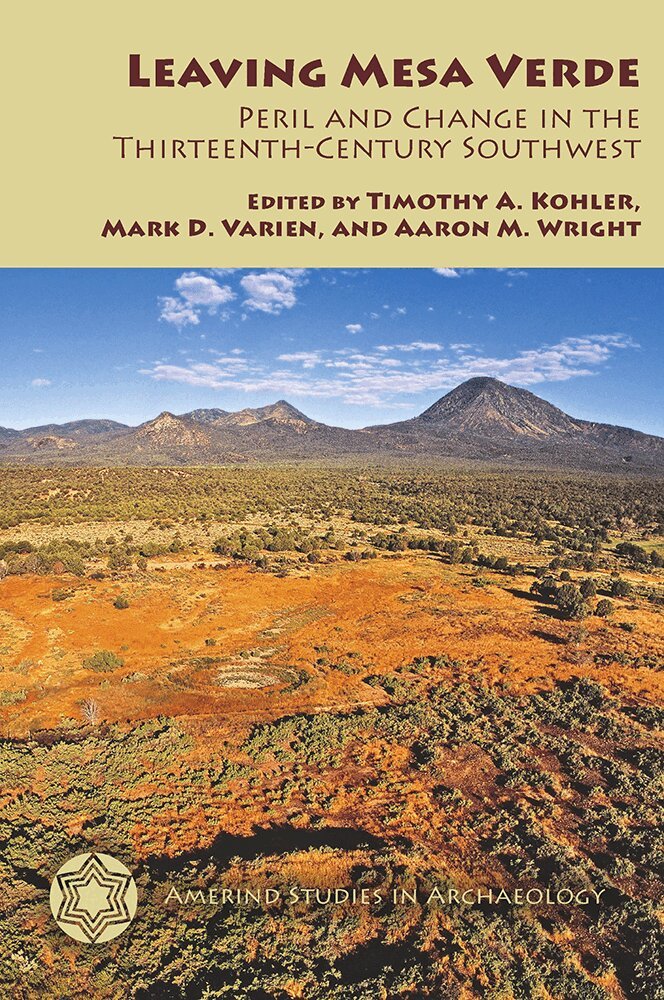
Leaving Mesa Verde
Peril and Change in the Thirteenth-Century Southwest
Av Timothy a. Kohler, Mark D. Varien m. fl.
Häftad, 2012
454 kr
Lägg i varukorg
It is one of the great mysteries in the archaeology of the Americas: the depopulation of the northern Southwest in the late thirteenth-century AD. Considering the numbers of people affected, the distances moved, the permanence of the departures, the severity of the surrounding conditions, and the …
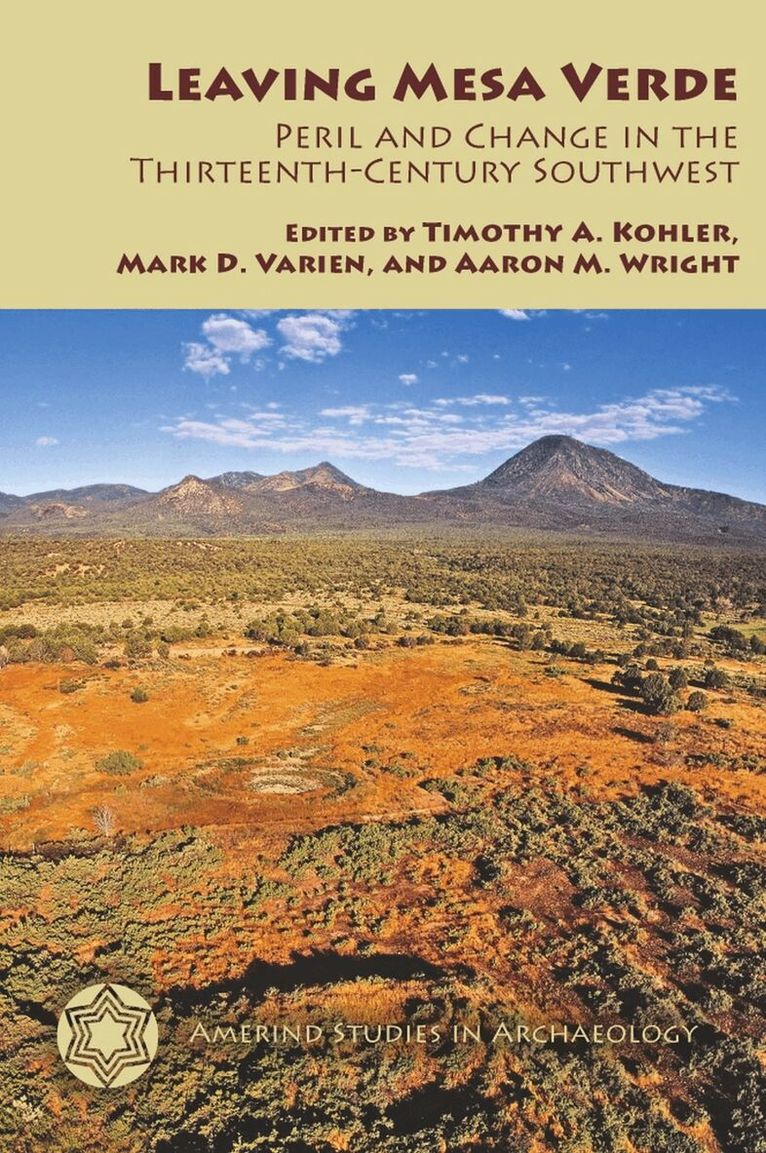
Leaving Mesa Verde
Peril and Change in Teh Thirteenth-Century Southwest
Av Timothy A. Kohler, Mark D. Varien m. fl.
Inbunden, 2010
1188 kr
Lägg i varukorg
One of the great mysteries in the archaeology of the Americas: the depopulation of the northern Southwest in the late thirteenth-century is considered here with contributions from 15 scientists with access to new paleoenvironmental data. In this volume models are used to provide insights into the …
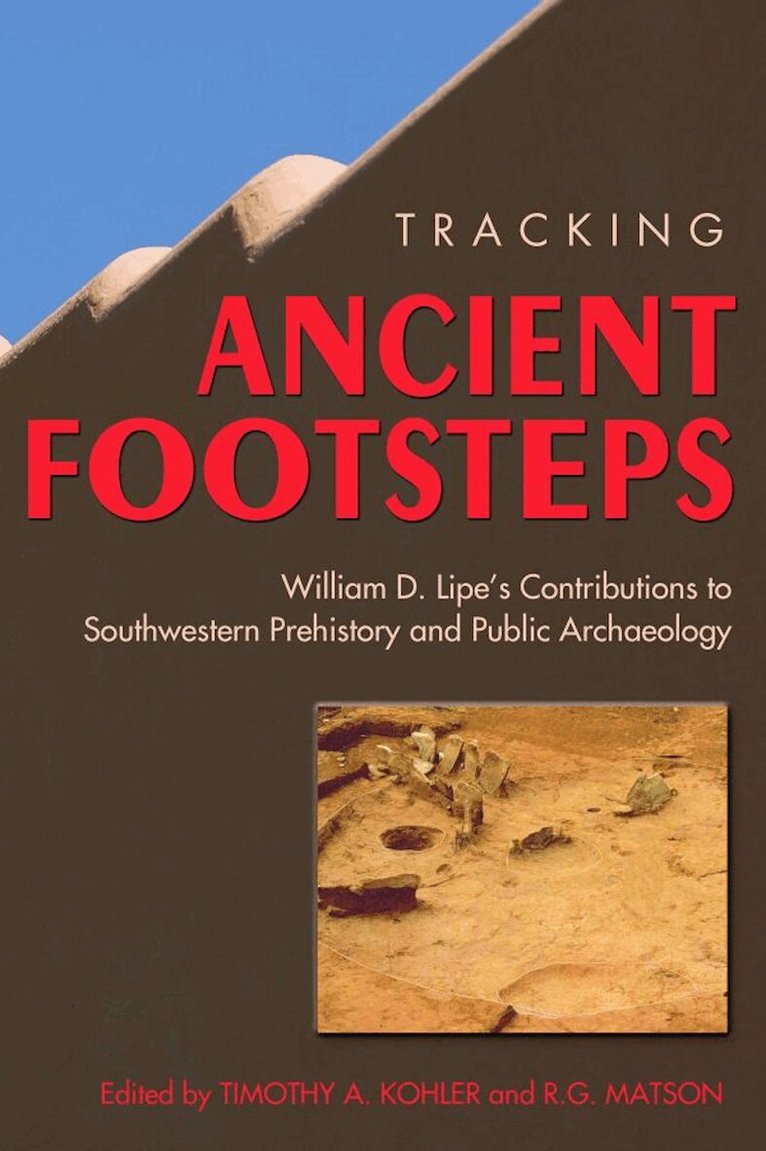
Tracking Ancient Footsteps
William D. Lipe's Contributions to Southwestern Prehistory and Public Archaeology
Av Don D. Fowler, Phil R. Geib m. fl.
Häftad, 2006
260 kr
Lägg i varukorg
Tracking Ancient Footsteps celebrates William D. Lipe's five-decade career in Southwestern and conservation archaeology. From the arid expanses of Glen Canyon, the Red Rock Plateau, and Cedar Mesa in Utah, to the relatively lush Dolores Valley and Mesa Verde regions of Colorado, Lipe participated …
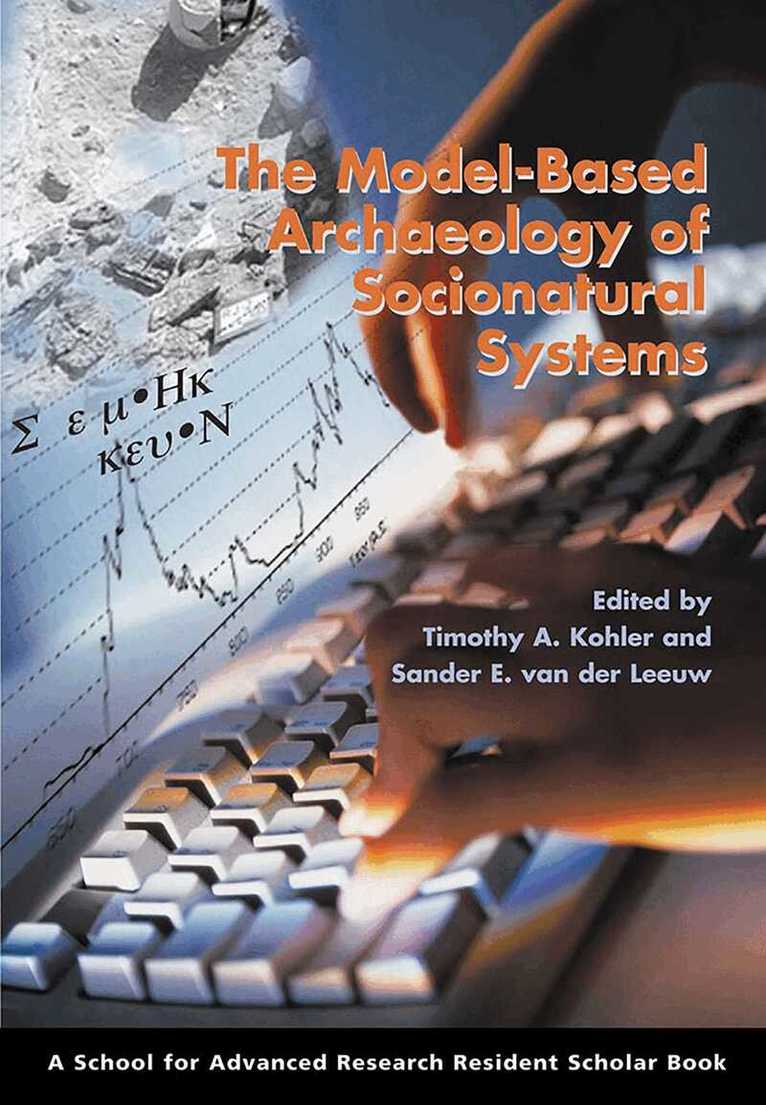
Model-Based Archaeology of Socionatural Systems
Av Timothy Kohler, Timothy A. Kohler
Häftad, 2007
436 kr
Lägg i varukorg
How should archaeologists and other social scientists tackle the big and little questions about change in socionatural systems? Although fieldwork is certainly the place to start, it alone is not enough to answer troublesome "how" or "why" questions. To make sense of what they find in the field, …
Dynamics of Human and Primate Societies
Agent-based Modeling of Social and Spatial Processes
Av Timothy A. Kohler, George J. Gummerman m. fl.
Häftad, 2000
743 kr
Tillfälligt slut
As part of the SFI series, this book presents the most up-to-date research in the study of human and primate societies, presenting recent advances in software and algorithms for modelling societies. It also addresses case studies that have applied agent-based modelling approaches in archaeology, …