Timothy Day – författare
Visar alla böcker från författaren Timothy Day. Handla med fri frakt och snabb leverans.
6 produkter
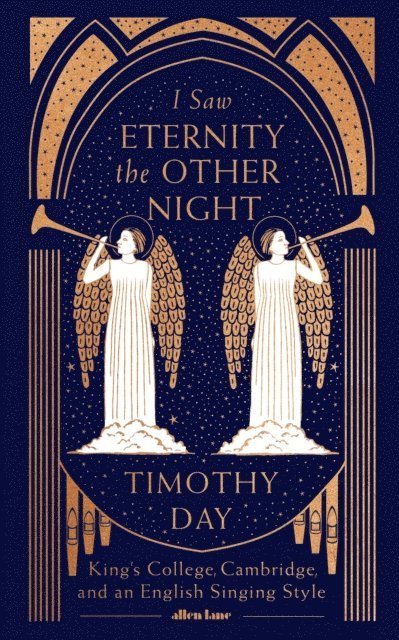
I Saw Eternity the Other Night
King's College, Cambridge, and an English Singing Style
Av Timothy Day
E-bok, 2018
125 kr
Lägg i varukorg
The sound of the choir of King's College, Cambridge - its voices perfectly blended, its emotions restrained, its impact sublime - has become famous all over the world, and for many, the distillation of a particular kind of Englishness. This is especially so at Christmas time, with the broadcast of …
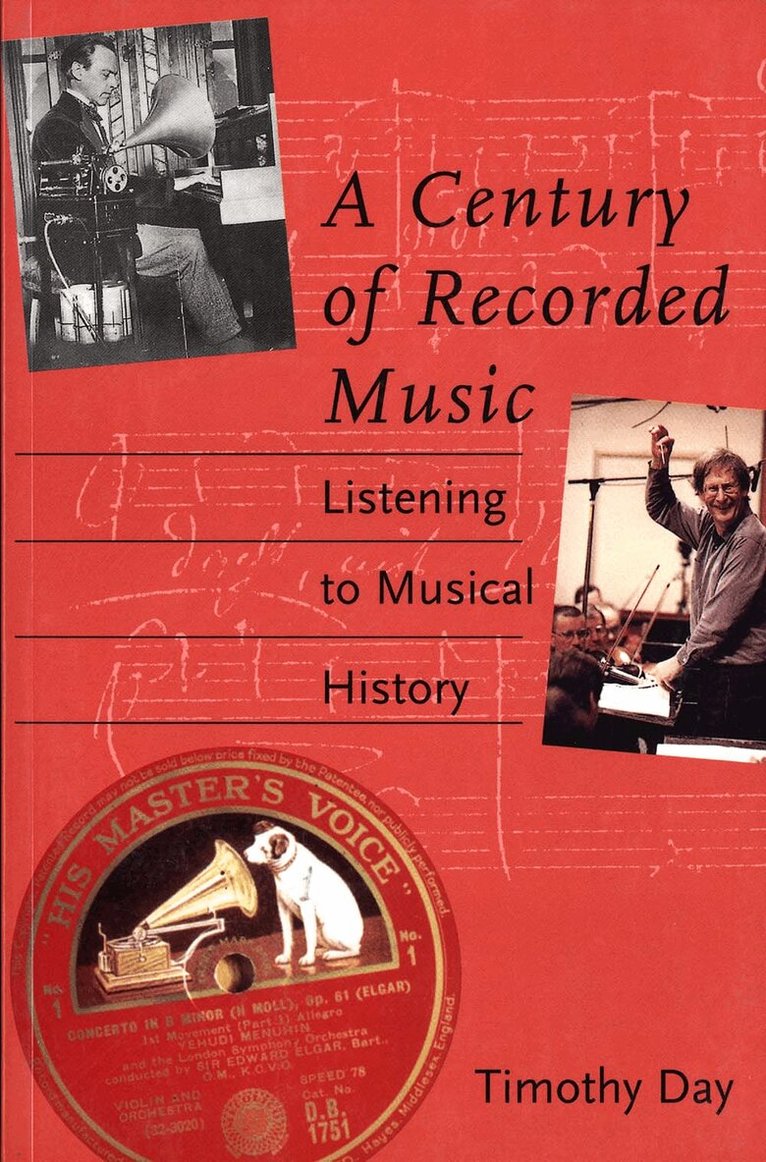
Century of Recorded Music
Listening to Musical History
Av Timothy Day
Häftad, 2002
563 kr
Lägg i varukorg
A century of recording has fundamentally changed our experience of music—the way we listen to it and the way it is performed. This highly engaging book is the first thorough exploration of the impact of recording technology upon the art of music. Timothy Day chronicles the developments in recording …
Shakespeare and the Evolution of the Human Umwelt
Adapt, Interpret, Mutate
Av Timothy Day
Häftad, 2023
793 kr
Lägg i varukorg
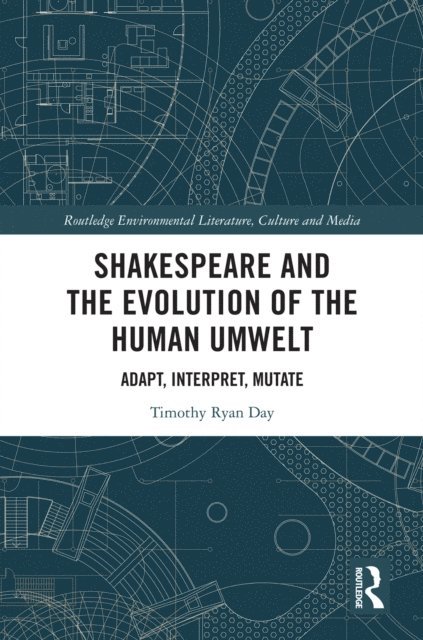
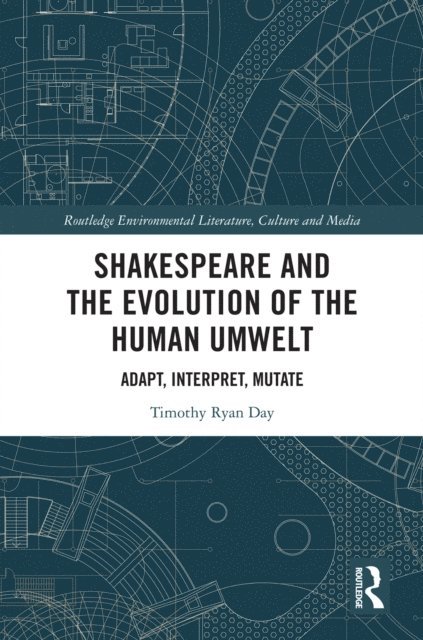
Shakespeare and the Evolution of the Human Umwelt brings together research on Shakespeare, biosemiotics, ecocriticism, epigenetics and actor network theory as it explores the space between nature and narrative in an effort to understand how human bodies are stories told in the emergent language of …
Shakespeare and the Evolution of the Human Umwelt
Adapt, Interpret, Mutate
Av Timothy Day
Inbunden, 2021
2879 kr
Lägg i varukorg
Shakespeare and the Evolution of the Human Umwelt brings together research on Shakespeare, biosemiotics, ecocriticism, epigenetics and actor network theory as it explores the space between nature and narrative in an effort to understand how human bodies are stories told in the emergent language of …
Shakespeare and the Evolution of the Human Umwelt
Adapt, Interpret, Mutate
Av Timothy Day
E-bok, 2021
916 kr
Lägg i varukorg
Shakespeare and the Evolution of the Human Umwelt brings together research on Shakespeare, biosemiotics, ecocriticism, epigenetics and actor network theory as it explores the space between nature and narrative in an effort to understand how human bodies are stories told in the emergent language of …
Shakespeare and the Evolution of the Human Umwelt
Adapt, Interpret, Mutate
Av Timothy Day
E-bok, 2021
936 kr
Lägg i varukorg
Shakespeare and the Evolution of the Human Umwelt brings together research on Shakespeare, biosemiotics, ecocriticism, epigenetics and actor network theory as it explores the space between nature and narrative in an effort to understand how human bodies are stories told in the emergent language of …