Tine Van Osselaer – författare
Visar alla böcker från författaren Tine Van Osselaer. Handla med fri frakt och snabb leverans.
7 produkter
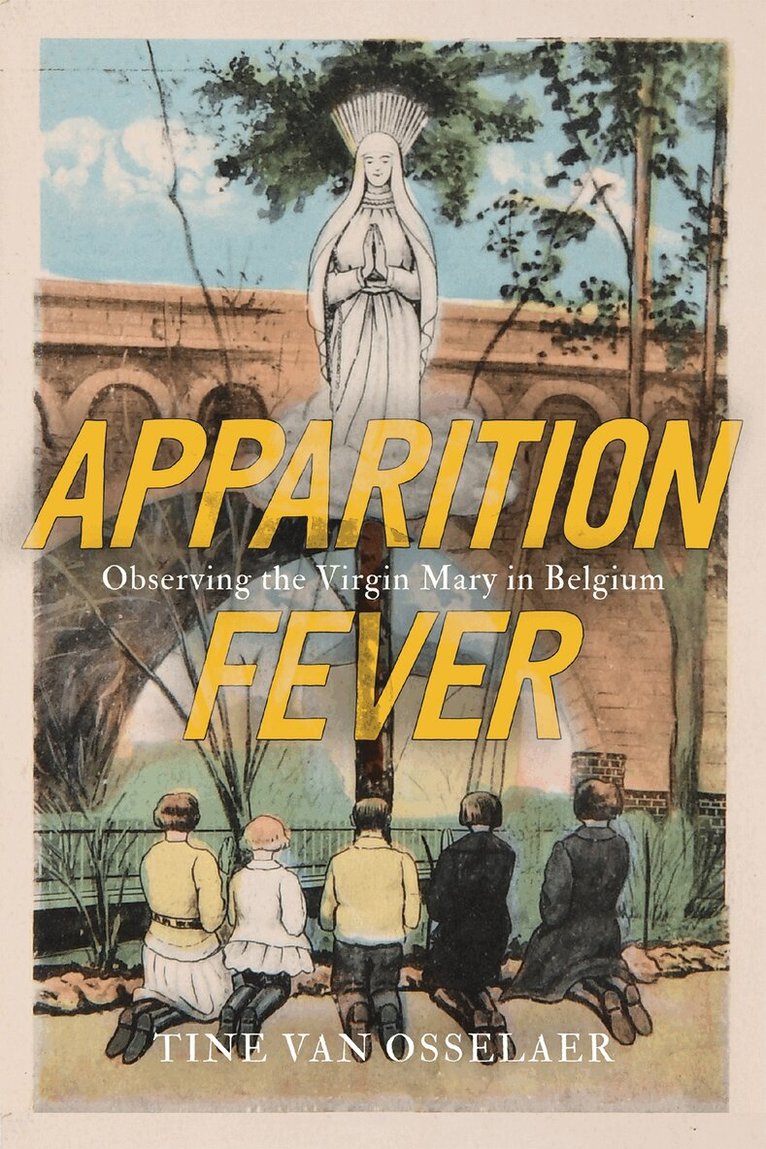
Apparition Fever
Observing the Virgin Mary in Belgium
Häftad, 2025
442 kr
Lägg i varukorg
In the early 1930s, a wave of Marian apparitions – cases in which visionaries reported seeing and receiving messages from the Virgin Mary – swept over Belgium. With over forty apparition sites and hundreds of visionaries, the Belgian apparitions, often attended by crowds of onlookers, were …
Apparition Fever
Observing the Virgin Mary in Belgium
E-bok, 2025
442 kr
Lägg i varukorg
In the early 1930s, a wave of Marian apparitions – cases in which visionaries reported seeing and receiving messages from the Virgin Mary – swept over Belgium. With over forty apparition sites and hundreds of visionaries, the Belgian apparitions, often attended by crowds of onlookers, were …
Apparition Fever
Observing the Virgin Mary in Belgium
E-bok, 2025
442 kr
Lägg i varukorg
In the early 1930s, a wave of Marian apparitions – cases in which visionaries reported seeing and receiving messages from the Virgin Mary – swept over Belgium. With over forty apparition sites and hundreds of visionaries, the Belgian apparitions, often attended by crowds of onlookers, were …
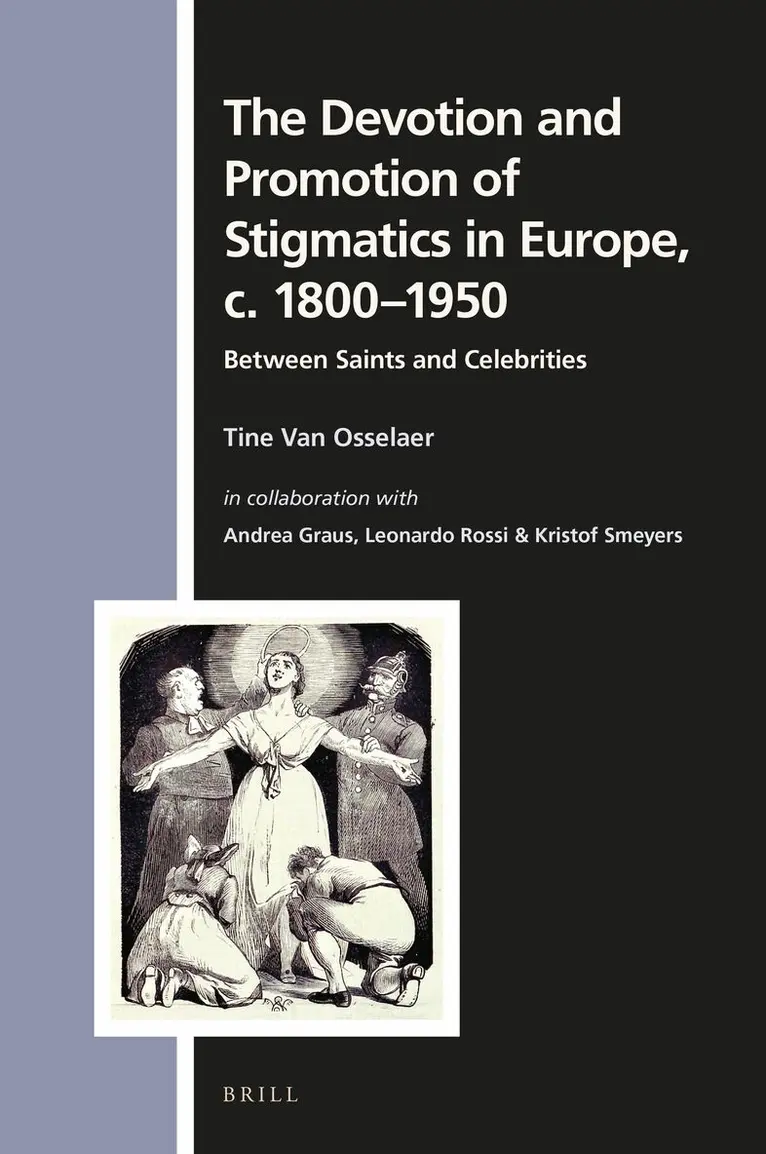
Devotion and Promotion of Stigmatics in Europe, c. 1800–1950
Between Saints and Celebrities
Av Tine Van Osselaer, Andrea Graus m. fl.
Inbunden, 2020
3769 kr
Lägg i varukorg
In the nineteenth century a new type of mystic emerged in Catholic Europe. While cases of stigmatisation had been reported since the thirteenth century, this era witnessed the development of the ‘stigmatic’: young women who attracted widespread interest thanks to the appearance of physical …
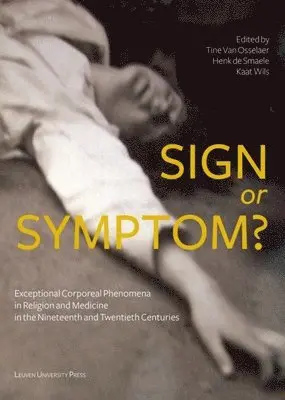
Sign or Symptom?
Exceptional Corporeal Phenomena in Religion and Medicine in the 19th and 20th Centuries
Av Tine van Osselaer, Henk De Smaele m. fl.
Häftad, 2017
1030 kr
Lägg i varukorg
Described as 'the hand of God', as 'pathological' or even as 'a clever trick', exceptional corporeal phenomena such as miraculous cures, stigmata, and incorrupt corpses have triggered heated debates in the past. Depending on their definition as either 'supernatural', 'psycho-somatic' or …
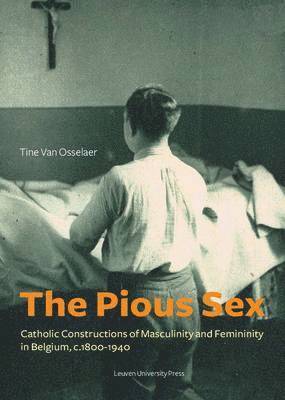
Pious Sex
Catholic Constructions of Masculinity and Femininity in Belgium, c. 1800–1940
Häftad, 2013
633 kr
Tillfälligt slut
The construction of gender in Belgian CatholicismAlthough women were called the ‘pious sex’ much earlier, it was during the nineteenth century, when the differences between men and women were being made more explicit, that an intense bond between women and religion was developed. Religiosity was …
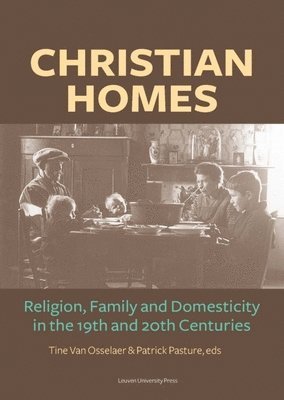
Christian Homes
Religion, Family and Domesticity in the 19th and 20th Centuries
Av Tine Van Osselaer, Patrick Pasture
Häftad, 2014
507 kr
Tillfälligt slut
Christian ideas on family, religion, and the home in the nineteenth and twentieth centuries The cult of domesticity has often been linked to the privatization of religion and the idealisation of the motherly ideal of the ‘angel in the house’. This book revisits the Christian home of the nineteenth …