Tisa Wenger – författare
Visar alla böcker från författaren Tisa Wenger. Handla med fri frakt och snabb leverans.
14 produkter
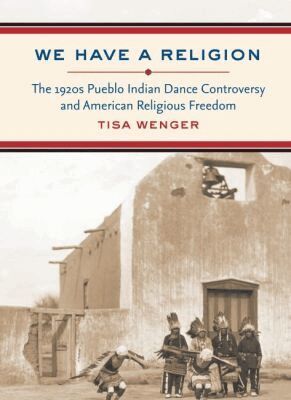
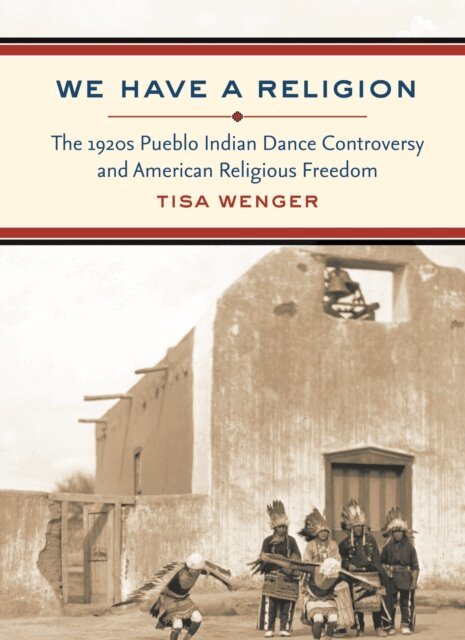
We Have a Religion
The 1920s Pueblo Indian Dance Controversy and American Religious Freedom
Av Tisa Wenger
Häftad, 2009
445 kr
Lägg i varukorg
How do we define 'religion'? For Native Americans, religious freedom has been an elusive goal. From nineteenth-century bans on indigenous ceremonial practices to twenty-first-century legal battles over sacred lands, peyote use, and hunting practices, the U.S. government has often acted as if Indian …
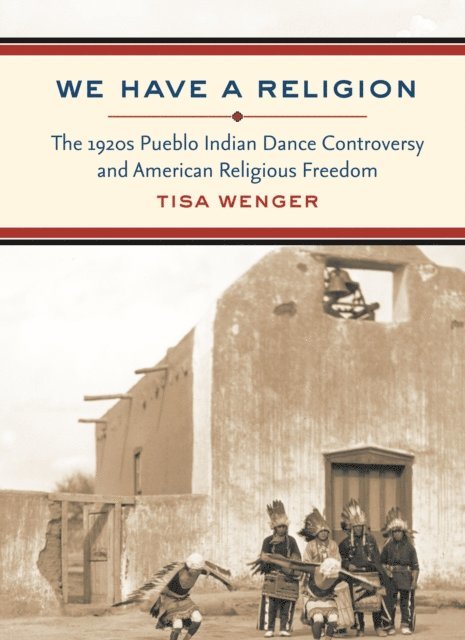
We Have a Religion
The 1920s Pueblo Indian Dance Controversy and American Religious Freedom
Av Tisa Wenger
E-bok, 2009
441 kr
Lägg i varukorg
For Native Americans, religious freedom has been an elusive goal. From nineteenth-century bans on indigenous ceremonial practices to twenty-first-century legal battles over sacred lands, peyote use, and hunting practices, the U.S. government has often acted as if Indian traditions were somehow not …
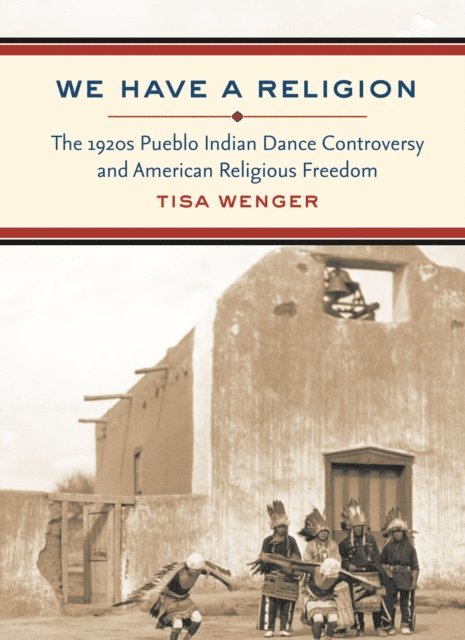
We Have a Religion
The 1920s Pueblo Indian Dance Controversy and American Religious Freedom
Av Tisa Wenger
E-bok, 2009
1714 kr
Lägg i varukorg
For Native Americans, religious freedom has been an elusive goal. From nineteenth-century bans on indigenous ceremonial practices to twenty-first-century legal battles over sacred lands, peyote use, and hunting practices, the U.S. government has often acted as if Indian traditions were somehow not …
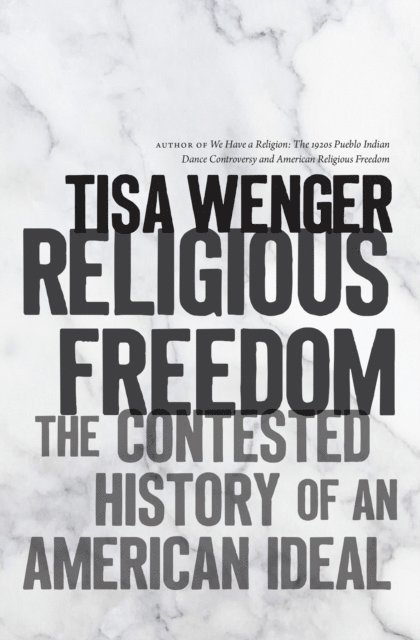
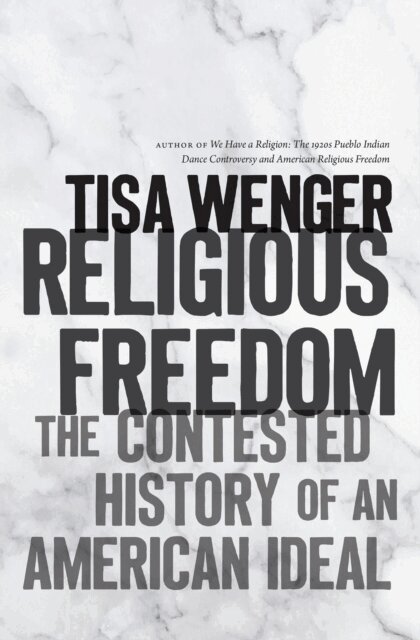
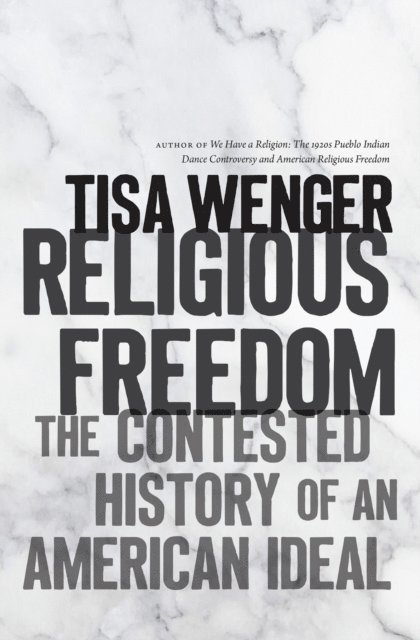
Religious Freedom
The Contested History of an American Ideal
Av Tisa Wenger
E-bok, 2017
508 kr
Lägg i varukorg
Religious freedom is so often presented as a timeless American ideal and an inalienable right, appearing fully formed at the founding of the United States. That is simply not so, Tisa Wenger contends in this sweeping and brilliantly argued book. Instead, American ideas about religious freedom were …
Religious Freedom
The Contested History of an American Ideal
Av Tisa Wenger
E-bok, 2017
2338 kr
Lägg i varukorg
Religious freedom is so often presented as a timeless American ideal and an inalienable right, appearing fully formed at the founding of the United States. That is simply not so, Tisa Wenger contends in this sweeping and brilliantly argued book. Instead, American ideas about religious freedom were …
Religious Freedom
The Contested History of an American Ideal
Av Tisa Wenger
Häftad, 2020
401 kr
Lägg i varukorg
Religious freedom is so often presented as a timeless American ideal and an inalienable right, appearing fully formed at the founding of the United States. That is simply not so, Tisa Wenger contends in this sweeping and brilliantly argued book. Instead, American ideas about religious freedom were …
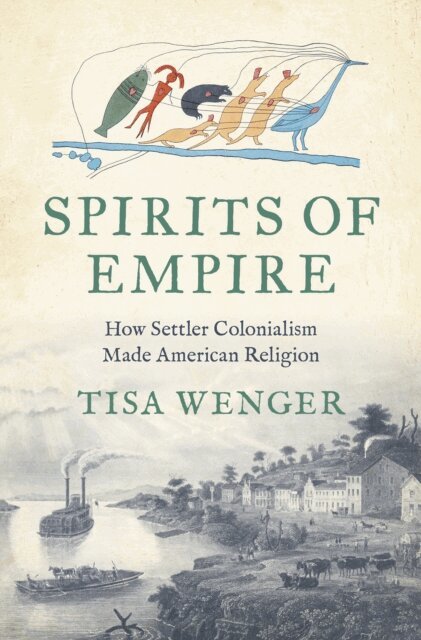
Spirits of Empire
How Settler Colonialism Made American Religion
Av Tisa Wenger
Inbunden, 2026
398 kr
Lägg i varukorg
The Declaration of Independence depicted Native Americans as bloodthirsty savages, and from its founding the United States aimed to expand westward by seizing Indigenous lands. While white settlers saw these conquests as victories for “true religion,” native people invoked the spirits in their own …
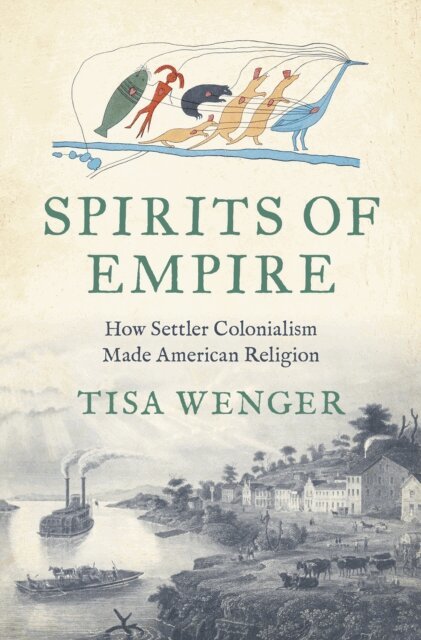
Spirits of Empire
How Settler Colonialism Made American Religion
Av Tisa Wenger
E-bok, 2026
2292 kr
Lägg i varukorg
The Declaration of Independence depicted Native Americans as bloodthirsty savages, and from its founding the United States aimed to expand westward by seizing Indigenous lands. While white settlers saw these conquests as victories for true religion, native people invoked the spirits in their own …
Spirits of Empire
How Settler Colonialism Made American Religion
Av Tisa Wenger
E-bok, 2026
2292 kr
Lägg i varukorg
The Declaration of Independence depicted Native Americans as bloodthirsty savages, and from its founding the United States aimed to expand westward by seizing Indigenous lands. While white settlers saw these conquests as victories for true religion, native people invoked the spirits in their own …
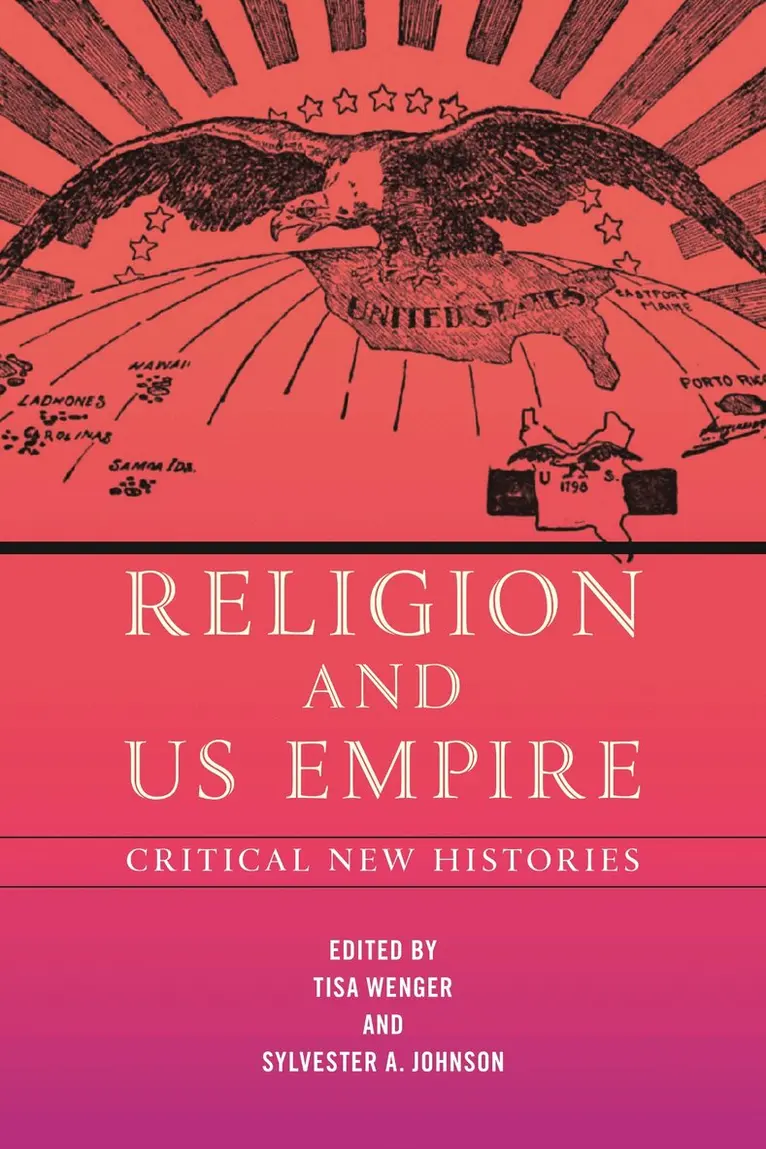
Religion and US Empire
Critical New Histories
Av Tisa Wenger, Sylvester A. Johnson
Inbunden, 2022
1123 kr
Lägg i varukorg
Shows how American forms of religion and empire developed in tandem, shaping and reshaping each other over the course of American historyThe United States has been an empire since the time of its founding, and this empire is inextricably intertwined with American religion. Religion and US Empire …
Religion and US Empire
Critical New Histories
Av Tisa Wenger, Sylvester A. Johnson
Häftad, 2022
337 kr
Lägg i varukorg
Shows how American forms of religion and empire developed in tandem, shaping and reshaping each other over the course of American historyThe United States has been an empire since the time of its founding, and this empire is inextricably intertwined with American religion. Religion and US Empire …
Religious Freedom
The Contested History of an American Ideal
Av Tisa Wenger
E-bok, 2017
347 kr
Lägg i varukorg
Religious freedom is so often presented as a timeless American ideal and an inalienable right, appearing fully formed at the founding of the United States. That is simply not so, Tisa Wenger contends in this sweeping and brilliantly argued book. Instead, American ideas about religious freedom were …
Religious Freedom
The Contested History of an American Ideal
Av Tisa Wenger
E-bok, 2017
2338 kr
Lägg i varukorg
Religious freedom is so often presented as a timeless American ideal and an inalienable right, appearing fully formed at the founding of the United States. That is simply not so, Tisa Wenger contends in this sweeping and brilliantly argued book. Instead, American ideas about religious freedom were …
We Have a Religion
The 1920s Pueblo Indian Dance Controversy and American Religious Freedom
Av Tisa Wenger
E-bok, 2009
450 kr
Lägg i varukorg
For Native Americans, religious freedom has been an elusive goal. From nineteenth-century bans on indigenous ceremonial practices to twenty-first-century legal battles over sacred lands, peyote use, and hunting practices, the U.S. government has often acted as if Indian traditions were somehow not …