• Fri frakt över 249 kr
  • •
  • Snabba leveranser
  • •
  • Billiga böcker
Kundservice

Du är på sajten för privatpersoner.

Företag, bibliotek eller offentlig verksamhet?

Du handlar på classic.bokus.com, där alla dina funktioner finns intakta.
Till classic.bokus.com
Bokus logotyp. Gå till startsidan.
  • Erbjudanden
  • Nyheter
  • Student
  • Topplistor
  • Barn & ungdom
  • Bokus Play
  • E-böcker
  • Pocketböcker
  • Spel & pussel

10% rabatt på allt med kod NYSTART10 →

Sidfot

Mina sidor

    Hjälp

    • Kundservice
    • Vanliga frågor och svar
    • Frakt och leverans
    • Retur vid ångerrätt
    • Reklamera vara
    • Betalning
    • Köpvillkor
    • Allmänna villkor
    • Information om webbplatsens tillgänglighet

    Om Bokus

    • Om oss
    • Pressrum
    • För studenter
    • För företag
    • För bibliotek och offentlig verksamhet
    • För leverantörer
    • Hållbarhet

    Populärt

    • Aktuella erbjudanden
    • Presentkort
    • Studentlitteratur
    • Nya böcker
    • Topplistor
    • Signerade böcker
    • Engelska böcker

    Inspiration

    • Boktips
    • BookTok
    • Populära bokserier
    • Barnbokskaraktärer
    • Populära författare
    Logotyp för Bokus
    Följ oss på Facebook (extern länk)Följ oss på Instagram (extern länk)Följ oss på YouTube (extern länk)Följ oss på TikTok (extern länk)
    bokus @ CookiesAnpassa cookiesIntegritetspolicyKöpvillkor
    Till Citymail hemsida (extern länk)Till Budbee hemsida (extern länk)Till Postnord hemsida (extern länk)Till Schenker hemsida (extern länk)Till Early Bird hemsida (extern länk)Till Walleys hemsida (extern länk)
    1. Filosofi och religion
    2. Religion och tro
    3. Religion: allmänt

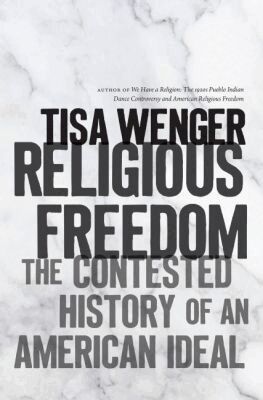
    Religious Freedom

    The Contested History of an American Ideal

    AvTisa Wenger

    Häftad, Engelska, 2020

    396 kr

    Beställningsvara. Skickas inom 10-15 vardagar. Fri frakt över 249 kr.

    Fler format och utgåvor

    E-bok

    503 kr

    E-bok

    2 264 kr

    E-bok

    336 kr

    E-bok

    2 264 kr

    Beskrivning

    Religious freedom is so often presented as a timeless American ideal and an inalienable right, appearing fully formed at the founding of the United States. That is simply not so, Tisa Wenger contends in this sweeping and brilliantly argued book. Instead, American ideas about religious freedom were continually reinvented through a vibrant national discourse--Wenger calls it "religious freedom talk--that cannot possibly be separated from the evolving politics of race and empire." More often than not, Wenger demonstrates, religious freedom talk worked to privilege the dominant white Christian population. At the same time, a diverse array of minority groups at home and colonized people abroad invoked and reinterpreted this ideal to defend themselves and their ways of life. In so doing they posed sharp challenges to the racial and religious exclusions of American life. People of almost every religious stripe have argued, debated, negotiated, and brought into being an ideal called American religious freedom, subtly transforming their own identities and traditions in the process. In a post-9/11 world, Wenger reflects, public attention to religious freedom and its implications is as consequential as it has ever been.

    Produktinformation

    • Utgivningsdatum:2020-08-01
    • Mått:155 x 233 x 17 mm
    • Vikt:464 g
    • Format:Häftad
    • Språk:Engelska
    • Antal sidor:312
    • Förlag:The University of North Carolina Press
    • ISBN:9781469661605

    Utforska kategorier

    • Religion: allmänt inom Filosofi och religion
    • Diskriminering och rättvisa inom Samhälle och politik
    • Amerikas historia inom Historia och arkeologi

    Mer om författaren

    Tisa Wenger, associate professor of American religious history at Yale University, is the author of We Have a Religion: The 1920s Pueblo Indian Dance Controversy and American Religious Freedom.

    Recensioner i media

    “Wenger's close attention to intersecting forms of collective identification is a welcome corrective to popular views of religious freedom as a distinctive right exercised by individuals who seek to opt out of social obligations.”- Journal of Social History“Wenger has produced an excellent, provocative book with a compelling argument. It serves as a valuable and insightful analysis of how the U.S. government, the United States' imperial subjects, and different groups of Americans have all claimed religious freedom in order to justify and defend their actions.”- Pacific Historical Review“A breakthrough study that . . . disturbs comfortable myths . . . [Wenger's] insights are highly relevant to an age in which religious freedom is once again claimed to support exemptions from anti-discrimination laws, as in the Masterpiece Cakeshop case currently pending in the Supreme Court.--Sarah Barrringer Gordon, Jotwell: The Journal of Things We Like (Lots)“Tisa Wenger's Religious Freedom is so compelling that I wish there was more of it.”- Reading Religion“A convincing and illuminating book about a little-studied facet of American religious history.”- Publishers Weekly“Its sustained commitment to seeing race, religion, and empire as essential—and essentially intertwined—categories in American history marks it as among the most interesting and most urgent works in American religion today.”- Journal of the American Academy of Religion“Wenger asks: What are Americans really talking about when they talk about religious freedom? In part, they are invoking one of the United States's 'signal contributions to the larger causes of liberty and democracy around the world.' Equally relevant is the inverse of that question: What are Americans not talking about when we talk about religious freedom? That is, what concerns and issues are typically masked by religious freedom discourse? Race and empire—terms that do not harmonize quite as well with the American Dream—are often just below the surface of national conversations about religious freedom, Wenger finds."- Los Angeles Review of Books“By mapping the racial and ethnic politics underpinning principles of religious freedom in public debates, public policy, and legal opinions, Wenger offers a compelling and noteworthy study of the philosophical and practical 'uses and abuses' of religious freedom.”- Journal of Church and State"Rigorously constructed and argued. It should change the way historians think about how the ideal of religious freedom has evolved in the United States and functioned in relation to the inescapable American hierarchies of race and empire.”- Journal of American History“Remarkably successful . . . explores an understudied chapter in the definition and deployment of religious freedom ideology and expands its study to a broad and engaging collection of individuals and communities.”- Journal of the History of Ideas