Tofigh Maboudi - Böcker
Visar alla böcker från författaren Tofigh Maboudi. Handla med fri frakt och snabb leverans.
4 produkter
4 produkter
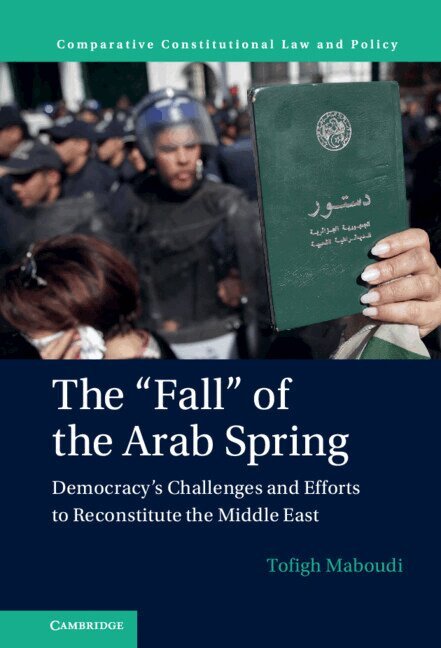
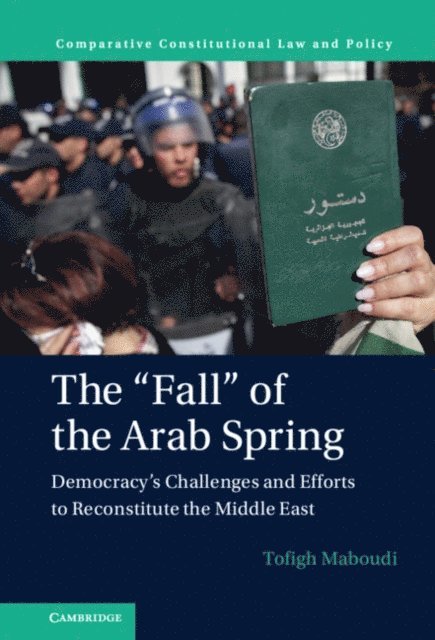
The 'Fall' of the Arab Spring
Democracy's Challenges and Efforts to Reconstitute the Middle East
Häftad, Engelska, 2024
285 kr
Skickas inom 7-10 vardagar
Constitutional bargains are seen as cornerstones of democratic transitions in much of the world. Yet very few studies have theorized about the link between constitution-making and democratization. Shifting the focus on democratization away from autocratic regime break down, this book considers the importance of inclusive constitution-building for democratization. In this pathbreaking volume, Tofigh Maboudi draws on a decade of research on the Arab Spring to explain when and how constitutional bargains facilitate (or hinder) democratization. Here, he argues that constitutional negotiations have a higher prospect of success in establishing democracy if they resolve societal, ideological, and political ills. Emphasizing the importance of constitution-making processes, Maboudi shows that constitutions can resolve these problems best through participatory and inclusive processes. Above all, The 'Fall' of the Arab Spring demonstrates that civil society is the all-important link that connects constitutional bargaining processes to democratization.
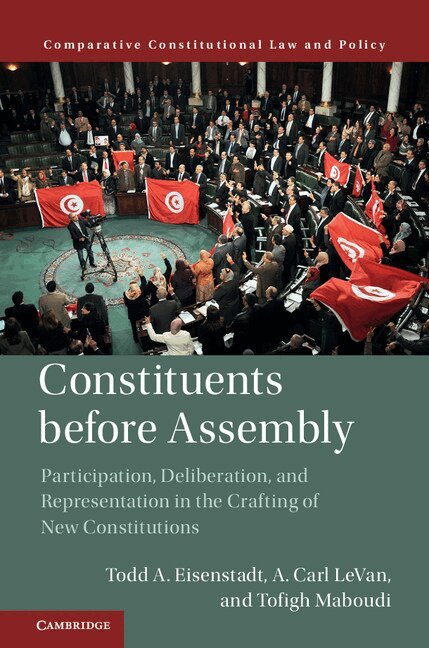
Constituents Before Assembly
Participation, Deliberation, and Representation in the Crafting of New Constitutions
Inbunden, Engelska, 2017
1 266 kr
Skickas inom 7-10 vardagar
Under what circumstances do new constitutions improve a nation's level of democracy? Between 1974 and 2014, democracy increased in seventy-seven countries following the adoption of a new constitution, but it decreased or stayed the same in forty-seven others. This book demonstrates that increased participation in the forming of constitutions positively impacts levels of democracy. It is discovered that the degree of citizen participation at the 'convening stage' of constitution-making has a strong effect on levels of democracy. This finding defies the common theory that levels of democracy result from the content of constitutions, and instead lends support to 'deliberative' theories of democracy. Patterns of constitutions are then compared, differentiating imposed and popular constitution-making processes, using case studies from Chile, Nigeria, Gambia, and Venezuela to illustrate the dynamics specific to imposed constitution-making, and case studies from Colombia, Ecuador, Egypt, and Tunisia to illustrate the specific dynamics of popular constitution-making.
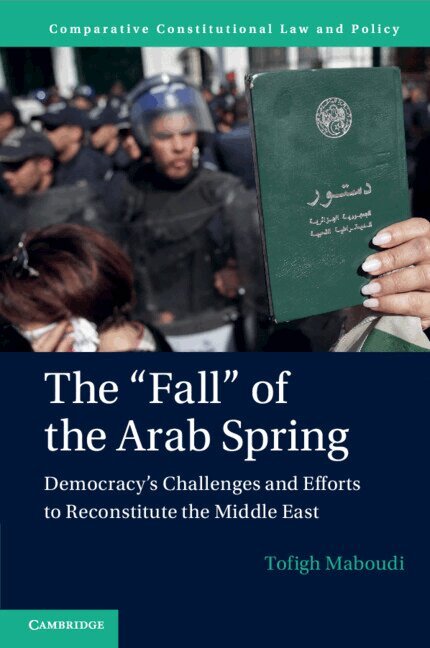
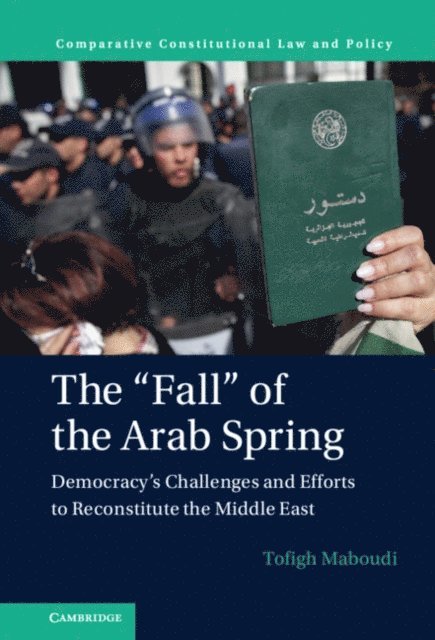
The 'Fall' of the Arab Spring
Democracy's Challenges and Efforts to Reconstitute the Middle East
Inbunden, Engelska, 2022
1 266 kr
Skickas inom 7-10 vardagar
Constitutional bargains are seen as cornerstones of democratic transitions in much of the world. Yet very few studies have theorized about the link between constitution-making and democratization. Shifting the focus on democratization away from autocratic regime break down, this book considers the importance of inclusive constitution-building for democratization. In this pathbreaking volume, Tofigh Maboudi draws on a decade of research on the Arab Spring to explain when and how constitutional bargains facilitate (or hinder) democratization. Here, he argues that constitutional negotiations have a higher prospect of success in establishing democracy if they resolve societal, ideological, and political ills. Emphasizing the importance of constitution-making processes, Maboudi shows that constitutions can resolve these problems best through participatory and inclusive processes. Above all, The 'Fall' of the Arab Spring demonstrates that civil society is the all-important link that connects constitutional bargaining processes to democratization.
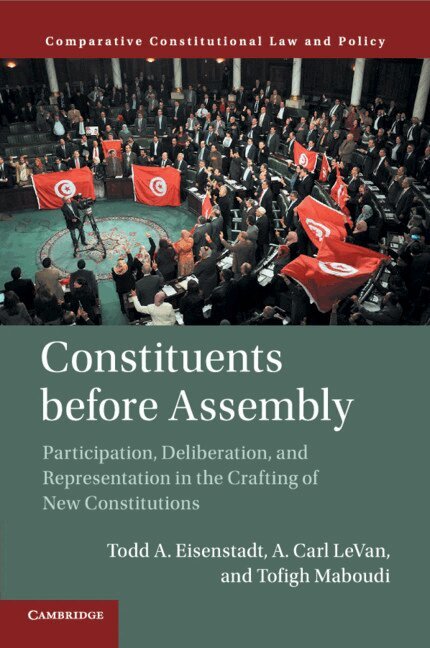
Constituents Before Assembly
Participation, Deliberation, and Representation in the Crafting of New Constitutions
Häftad, Engelska, 2018
394 kr
Skickas inom 7-10 vardagar
Under what circumstances do new constitutions improve a nation's level of democracy? Between 1974 and 2014, democracy increased in seventy-seven countries following the adoption of a new constitution, but it decreased or stayed the same in forty-seven others. This book demonstrates that increased participation in the forming of constitutions positively impacts levels of democracy. It is discovered that the degree of citizen participation at the 'convening stage' of constitution-making has a strong effect on levels of democracy. This finding defies the common theory that levels of democracy result from the content of constitutions, and instead lends support to 'deliberative' theories of democracy. Patterns of constitutions are then compared, differentiating imposed and popular constitution-making processes, using case studies from Chile, Nigeria, Gambia, and Venezuela to illustrate the dynamics specific to imposed constitution-making, and case studies from Colombia, Ecuador, Egypt, and Tunisia to illustrate the specific dynamics of popular constitution-making.