Tom Hulme - Böcker
Visar alla böcker från författaren Tom Hulme. Handla med fri frakt och snabb leverans.
5 produkter
5 produkter
2 369 kr
Skickas inom 10-15 vardagar
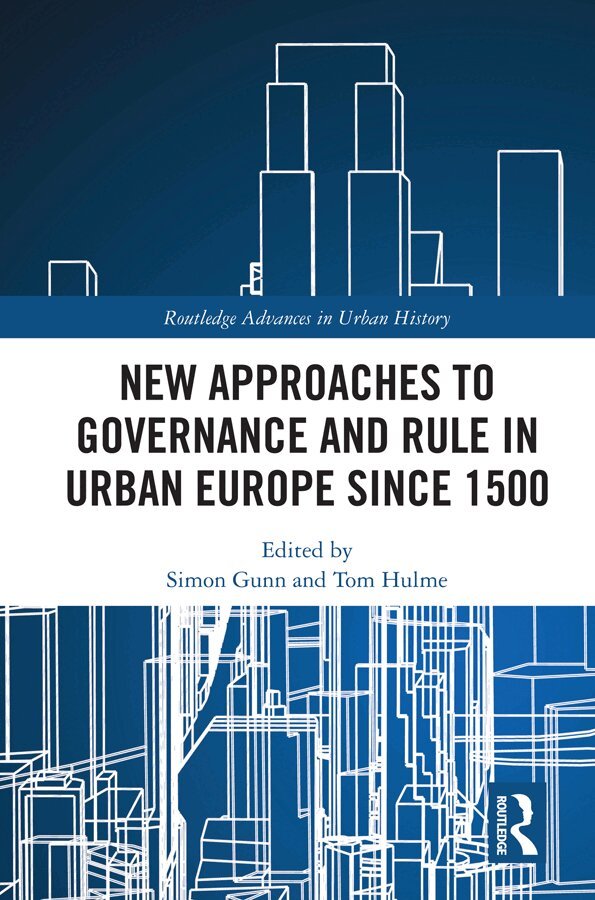
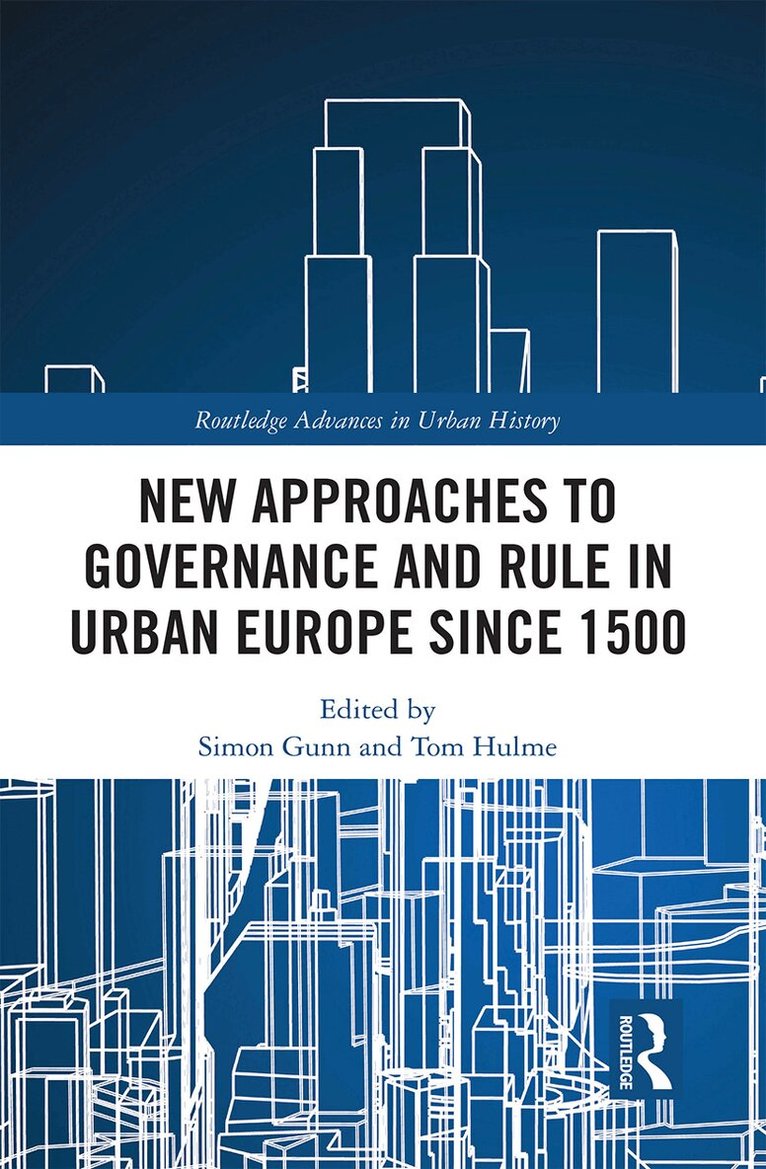
Urban power and politics are topics of abiding interest for students of the city. This exciting collection of essays explores how Europe’s cities have been governed across the last 500 years. Taken as a whole, it provides a unique historical overview of urban politics in early modern and modern Europe. At the same time, it guides the reader through the variety of ways in which power and governance are currently understood by historians and new directions in the subject. The essays are wide-ranging, covering Europe from Scandinavia to the Mediterranean, Russia to Ireland, between 1500 and the twentieth century. Each chapter employs a specific case-study to illuminate a way of examining how power worked in regard to topics such as women, popular culture or urban elites. A variety of approaches are deployed, including the study of ritual and performance, morality and conduct, governmentality and the state, infrastructure and the individual.Reflecting the state of the art in European urban history, the book is essential reading for anyone interested in the study of urban politics and government. It represents a fresh take on a rich subject and will stimulate a new generation of historical studies of power and the city.
Del 102 - Royal Historical Society Studies in History New Series
After the Shock City
Urban Culture and the Making of Modern Citizenship
Inbunden, Engelska, 2019
824 kr
Skickas inom 7-10 vardagar
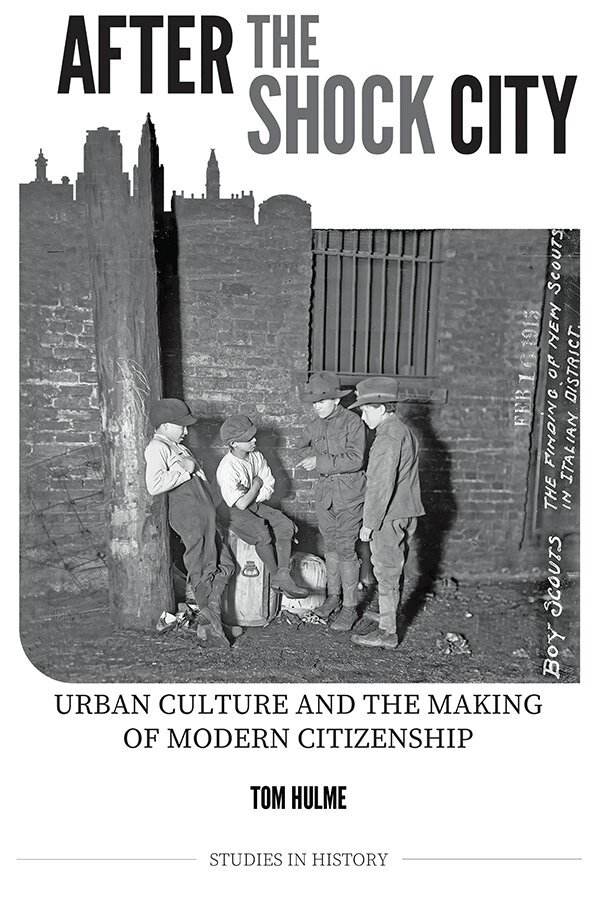
A comparative and trans-national study of urban culture in Britain and the United States from the late nineteenth to the twentieth centuryUsing the industrial cities of Manchester and Chicago as case studies, this book traces the idea of "citizenship" across different areas of local life in the first half of the twentieth century - from philosophy and festivals to historical re-enactment and public housing. Coalitions of voluntary associations, municipal government and local elites lambasted modern urban culture as the cause of social disintegration. But rather than simply decanting the population to new and smaller settlements they tried to re-imagine a reformed city as a place that could foster loyal and healthy communities. Celebrating civic progress in the period since the "shock city" of the nineteenth century,they sought to create a sense of local pride that could bracket growing class and racial tensions. The diverse individuals, groups and communities of the city reacted in different ways to this message. Some were happy to gather under the identity of one civic banner. Others, held back by discriminatory structures of society, chose to shape their own idea of citizenship - one that looked far beyond the city for a sense of belonging and rights.Historians have tended to emphasise the rise of national identity, state centralisation and popular patriotism at the expense of distinctive local identities, municipal autonomy and expressions of civic pride. This book aims to redress the imbalance, demonstrating how local ideas of belonging could still exert a powerful hold on the making of modern citizenship. TOM HULME is a lecturer in the School of History, Anthropology, Philosophy and Politics, Queen's University Belfast.
649 kr
Skickas inom 10-15 vardagar
Urban power and politics are topics of abiding interest for students of the city. This exciting collection of essays explores how Europe’s cities have been governed across the last 500 years. Taken as a whole, it provides a unique historical overview of urban politics in early modern and modern Europe. At the same time, it guides the reader through the variety of ways in which power and governance are currently understood by historians and new directions in the subject. The essays are wide-ranging, covering Europe from Scandinavia to the Mediterranean, Russia to Ireland, between 1500 and the twentieth century. Each chapter employs a specific case-study to illuminate a way of examining how power worked in regard to topics such as women, popular culture or urban elites. A variety of approaches are deployed, including the study of ritual and performance, morality and conduct, governmentality and the state, infrastructure and the individual.Reflecting the state of the art in European urban history, the book is essential reading for anyone interested in the study of urban politics and government. It represents a fresh take on a rich subject and will stimulate a new generation of historical studies of power and the city.
1 563 kr
Skickas inom 10-15 vardagar
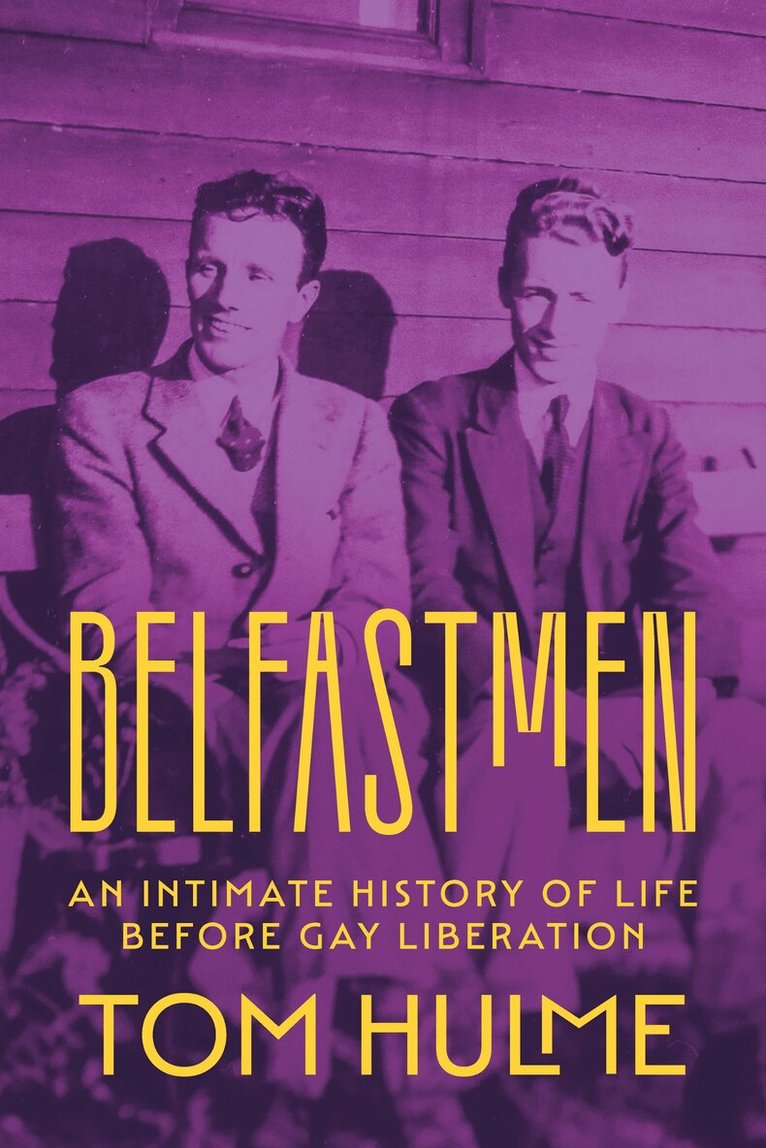
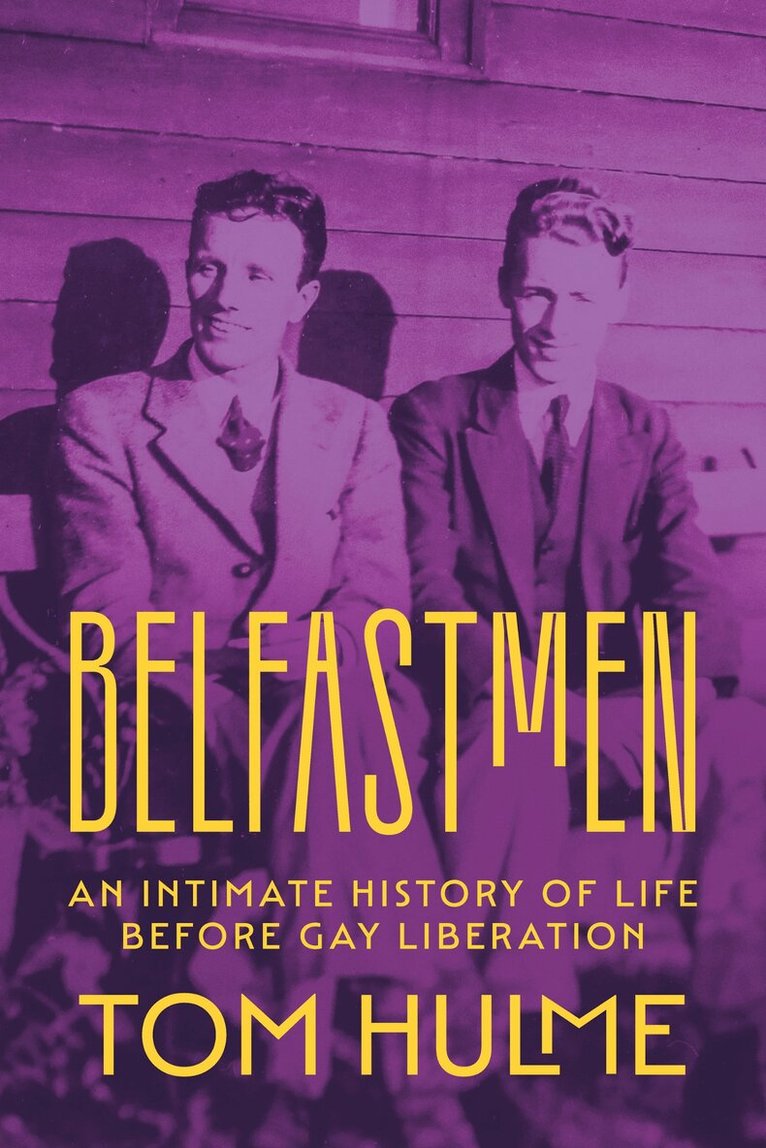
Belfastmen reconstructs the everyday experiences of queer men in a region infamous for its recent history of intolerance, violence, and religious homophobia to show how queer lives before the gay rights movement were not only possible but also rich, exciting, and fulfilling. Irish churches and governmental authorities found the topic of sex between men unmentionable and imagined such vice as a problem only found in decadent and degenerate societies abroad. Belfastmen shows how this tacit ignorance and public silence paradoxically enabled male queerness to flourish with only rare exposure, condemnation, or regulation.Tom Hulme traces the intimate lives of men across time, space, and self-understanding: their meeting places, their sexual and romantic relationships, the scientific and social models of desire they used to define themselves, and the responses to them from families, neighborhoods, and the law. From Belfast's industrial boom in the late nineteenth century to the social transformations accompanying WWII, Belfastmen reveals how homosexuality finally emerged as a recognized social problem in the 1950s. Only then did Northern Ireland start to transform into the expressively homophobic society of the more recent past.
296 kr
Skickas inom 10-15 vardagar
Belfastmen reconstructs the everyday experiences of queer men in a region infamous for its recent history of intolerance, violence, and religious homophobia to show how queer lives before the gay rights movement were not only possible but also rich, exciting, and fulfilling. Irish churches and governmental authorities found the topic of sex between men unmentionable and imagined such vice as a problem only found in decadent and degenerate societies abroad. Belfastmen shows how this tacit ignorance and public silence paradoxically enabled male queerness to flourish with only rare exposure, condemnation, or regulation.Tom Hulme traces the intimate lives of men across time, space, and self-understanding: their meeting places, their sexual and romantic relationships, the scientific and social models of desire they used to define themselves, and the responses to them from families, neighborhoods, and the law. From Belfast's industrial boom in the late nineteenth century to the social transformations accompanying WWII, Belfastmen reveals how homosexuality finally emerged as a recognized social problem in the 1950s. Only then did Northern Ireland start to transform into the expressively homophobic society of the more recent past.