Tom Lodge - Böcker
Visar alla böcker från författaren Tom Lodge. Handla med fri frakt och snabb leverans.
8 produkter
8 produkter
334 kr
Skickas inom 5-8 vardagar
232 kr
Skickas inom 7-10 vardagar
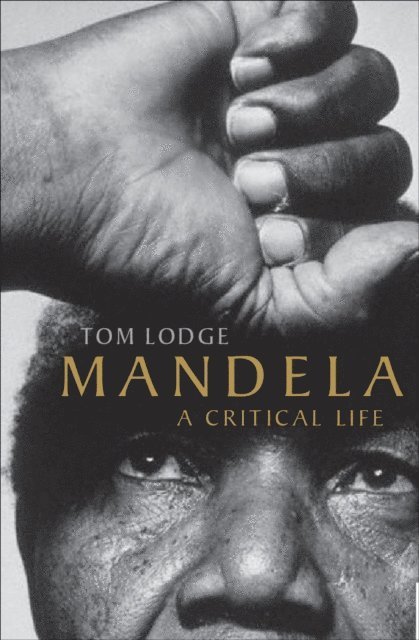
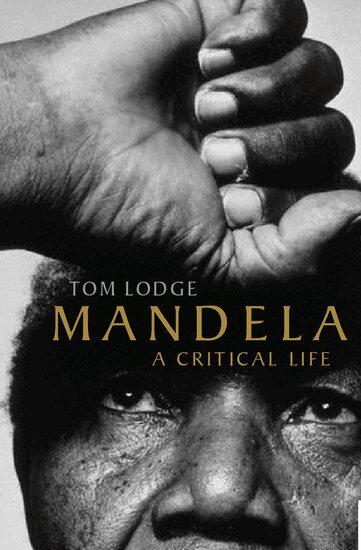
Nelson Mandela, the first African politician to acquire a world following, remains in the 21st century an iconic figure. But what are the sources of his almost mythic appeal? And to what extent did Mandela self-consciously create the status of political hero that he now enjoys? This new and highly revealing biography examines these questions in detail for the first time. Drawing on a range of original sources, it presents a host of fresh insights about the shaping of Mandela's personality and public persona, from his childhood days and early activism, through his long years of imprisonment, to his presidency of the new South Africa. Throughout, Lodge emphasizes the crucial interplay between Mandela's public career and his personal or private world, showing how his heroic status was a product both of his leading position within the anti-apartheid movement and his own deliberate efforts to supply a form of quasi-messianic leadership for that movement. And as Lodge shows, Mandela's huge international appeal is a compelling and unusual cocktail. Of the sacred and the secular. Of traditional African values and global media savvy. And of human vulnerablilty, interwoven with the grand narrrative of liberation.
254 kr
Skickas inom 5-8 vardagar
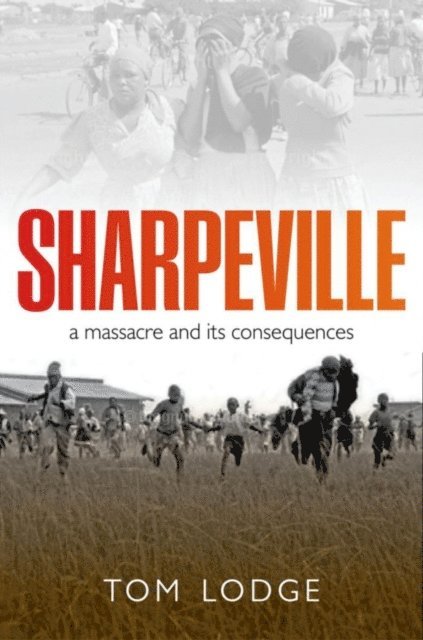
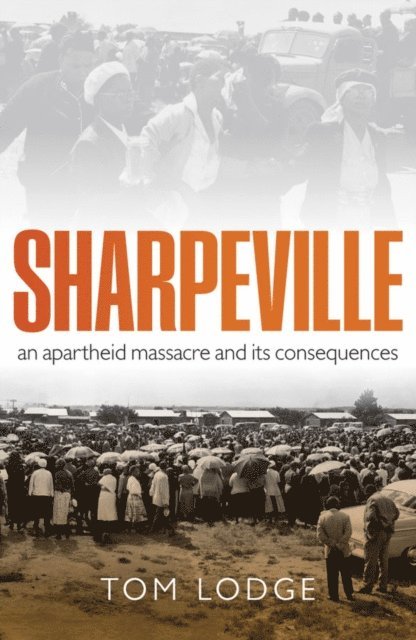
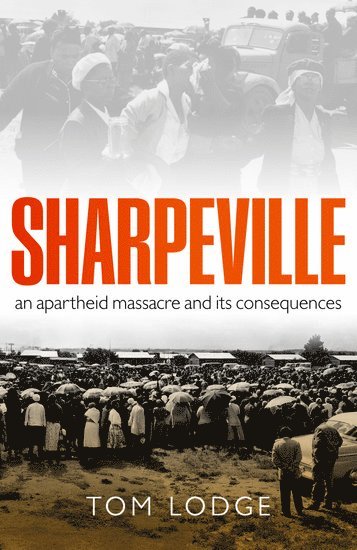
On 21 March 1960 several hundred black Africans were injured and 69 killed when South African police opened fire on demonstrators in the township of Sharpeville, protesting against the Apartheid regime's racist 'pass' laws. The Sharpeville Massacre, as the event has become known, signalled the start of armed resistance in South Africa, and prompted worldwide condemnation of South Africa's Apartheid policies. The events at Sharpeville deeply affected the attitudes of both black and white in South Africa and provided a major stimulus to the development of an international 'Anti-Apartheid' movement. In Sharpeville, Tom Lodge explains how and why the Massacre occurred, looking at the social and political background to the events of March 1960, as well as the sequence of events that prompted the shootings themselves. He then broadens his focus to explain the long-term consequences of Sharpeville, explaining how it affected South African politics over the following decades, both domestically and also in the country's relationship with the rest of the world.
382 kr
Kommande
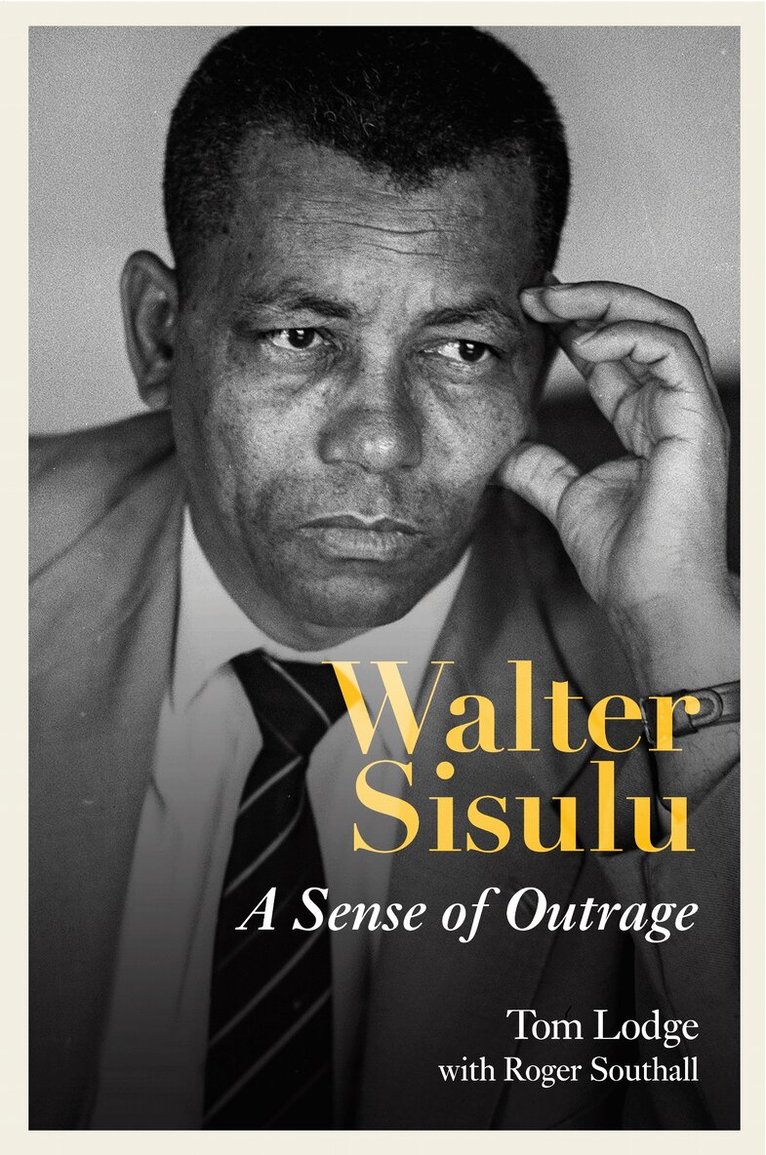
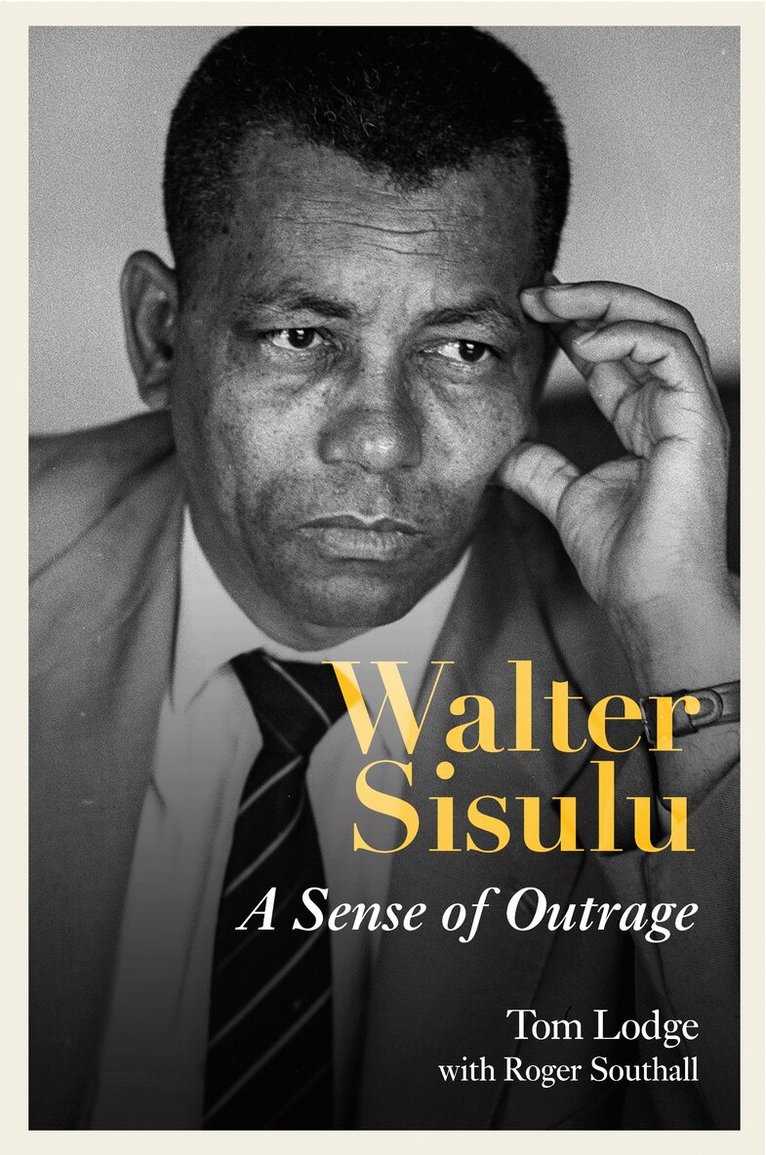
Although hailed, alongside Nelson Mandela and Oliver Tambo, as one of the African National Congress’s holy trinity, Walter Sisulu has remained a relatively neglected figure in the historiography of the struggle for liberation in South Africa. Modest and unassuming, Sisulu was always content to stay in the background in a way that has long belied his importance. This nuanced and highly original biography, drafted by political historian Tom Lodge before his untimely death, provides a powerful corrective.Lodge describes Sisulu as an exceptional organizer, the most influential planner of the ANC’s mass campaigning during the 1950s, a principled but undoctrinaire communist, and like Mandela, an advocate of the necessity of armed struggle. He also served as the careful navigator of the ambiguous relationship between the ANC and Umkhonto we Sizwe, and Lodge details how Sisulu, with his exceptional grasp of the subtleties of fact and law, confounded the prosecution as he sat in the dock in the Rivonia trial. Sentenced to life imprisonment with his fellow defendants, Sisulu became a calming influence amid the divisive ideological debates that took place on Robben Island, as well as a constant source of strength and support to Mandela. After his 1989 release from jail-ahead of Mandela-he again demonstrated his prowess as the chief organizer of the ANC as it reestablished itself ahead of the 1994 elections.Sociologist Roger Southall stepped in to complete Lodge’s detailed analysis of Sisulu’s commitment and contribution to South African freedom, an encomium that Walter Sisulu richly deserves.
1 331 kr
Kommande
Although hailed, alongside Nelson Mandela and Oliver Tambo, as one of the African National Congress’s holy trinity, Walter Sisulu has remained a relatively neglected figure in the historiography of the struggle for liberation in South Africa. Modest and unassuming, Sisulu was always content to stay in the background in a way that has long belied his importance. This nuanced and highly original biography, drafted by political historian Tom Lodge before his untimely death, provides a powerful corrective.Lodge describes Sisulu as an exceptional organizer, the most influential planner of the ANC’s mass campaigning during the 1950s, a principled but undoctrinaire communist, and like Mandela, an advocate of the necessity of armed struggle. He also served as the careful navigator of the ambiguous relationship between the ANC and Umkhonto we Sizwe, and Lodge details how Sisulu, with his exceptional grasp of the subtleties of fact and law, confounded the prosecution as he sat in the dock in the Rivonia trial. Sentenced to life imprisonment with his fellow defendants, Sisulu became a calming influence amid the divisive ideological debates that took place on Robben Island, as well as a constant source of strength and support to Mandela. After his 1989 release from jail-ahead of Mandela-he again demonstrated his prowess as the chief organizer of the ANC as it reestablished itself ahead of the 1994 elections.Sociologist Roger Southall stepped in to complete Lodge’s detailed analysis of Sisulu’s commitment and contribution to South African freedom, an encomium that Walter Sisulu richly deserves.
339 kr
Skickas inom 10-15 vardagar
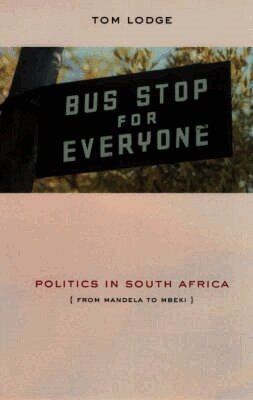
Analysis of South African politics under the administration of Mandela and MbekiThis insightful study, now completely revised and in its second edition, examines the pattern of politics that has emerged in South Africa under the Mandela and Mbeki administrations. In considering the changes brought about in power relations in the country since 1994, the book looks at, among other things, the shape of regional and local politics; land reform; the Truth and Reconciliation Commission; and the extent of political corruption. Further chapters consider the future prospects of South African democracy and provide assessments of both Nelson Mandela and his successor as President, Thabo Mbeki. This well-informed and crisply written introduction will appeal to both students of contemporary politics and general readers interested in the new democracy.North America: Indiana U Press; South Africa: David Philip(NAB)
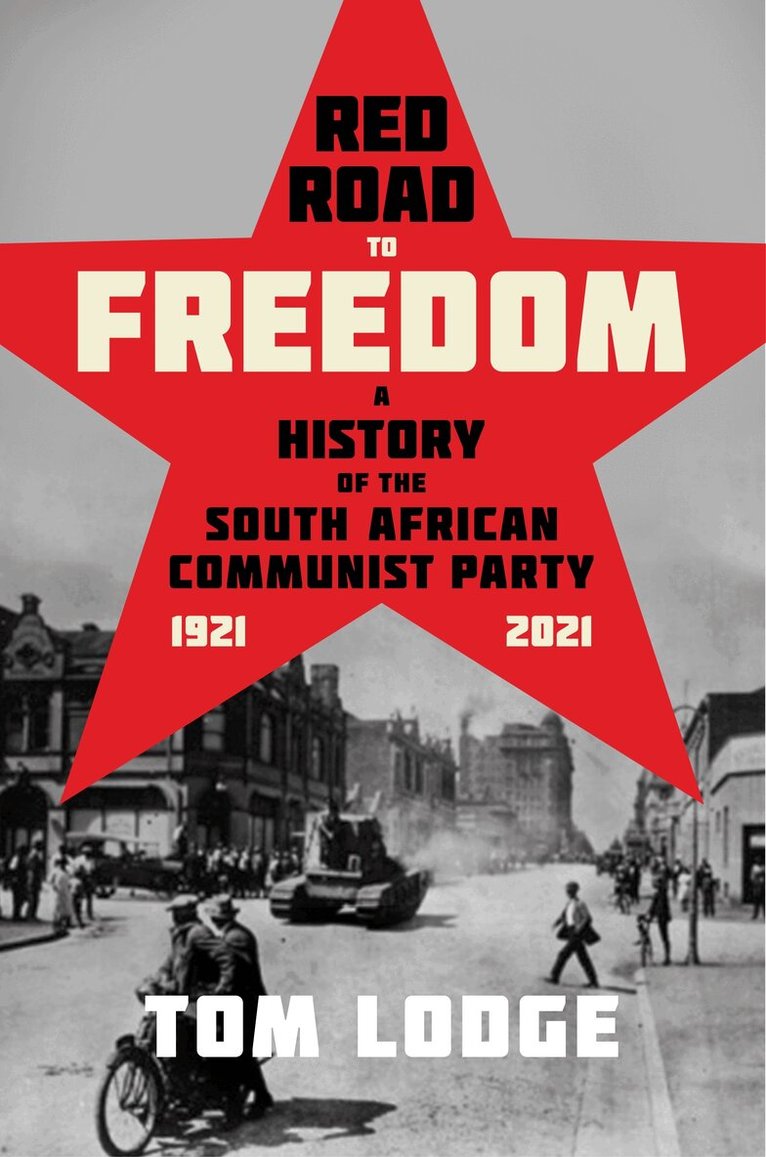
Red Road to Freedom
A History of the South African Communist Party 1921 – 2021
Inbunden, Engelska, 2022
2 003 kr
Skickas inom 7-10 vardagar
Longlisted for South Africa's 2022 Sunday Times Non-fiction Award Definitive and gripping narrative history of the Communist Party of South Africa.Renowned historian Tom Lodge has written an immensely readable and compelling sweep of history, spanning continents and the last hundred years, producing the first comprehensive account of the South African Communist Party in all its intricacies. Taking the story back to the party's pre-history in the early 20th century reveals that it was shaped by a range of socialist traditions and that their influence persisted and were decisive. The party's engagement in popular front politics after 1935 has been largely uncharted: this book supplies fresh detail. In the 1940s the author shows how the party became a key actor in the formation of black working-class politics, and hitherto unused archival materials as well as the insights from an increasingly candid genre of autobiographies make possible a much fuller picture of the secret party of 1952 to 1965. Despite its concealment and tiny numbers, its intellectual impact on black South African mainstream politics was considerable. On the exile period, the author examines the activities of the party's recruits and more informal following inside South Africa, as well as the scope and nature of its broader influence. In 1990, a year in which global politics would change fundamentally, South African communists would return to South Africa to begin the work of reconstructing their party as a legal organisation. Throughout its history, the party had been inspired and supported by the reality of existing socialism, state systems embracing half of Europe and Asia, in which the ruling group was at least notionally committed to the building of communist societies. With the fall of Eastern European regimes and the fragmentation of the Soviet Union, one key set of material foundations for the party's programmatic beliefs crumbled and its most important international alliances in the global socialist community in Eastern Europe and Russia would end. Finally, Lodge brings the story up to date, assessing the degree to which communists both inside and outside government have shaped and influenced policy in successive ANC-led administrations, particularly during the popular resistance to apartheid during the 1950s, which was underpinned by the party's systematic organisation in the localities that supplied the ANC with its strongest bases.Jacana: Africa, India
631 kr
Skickas inom 7-10 vardagar
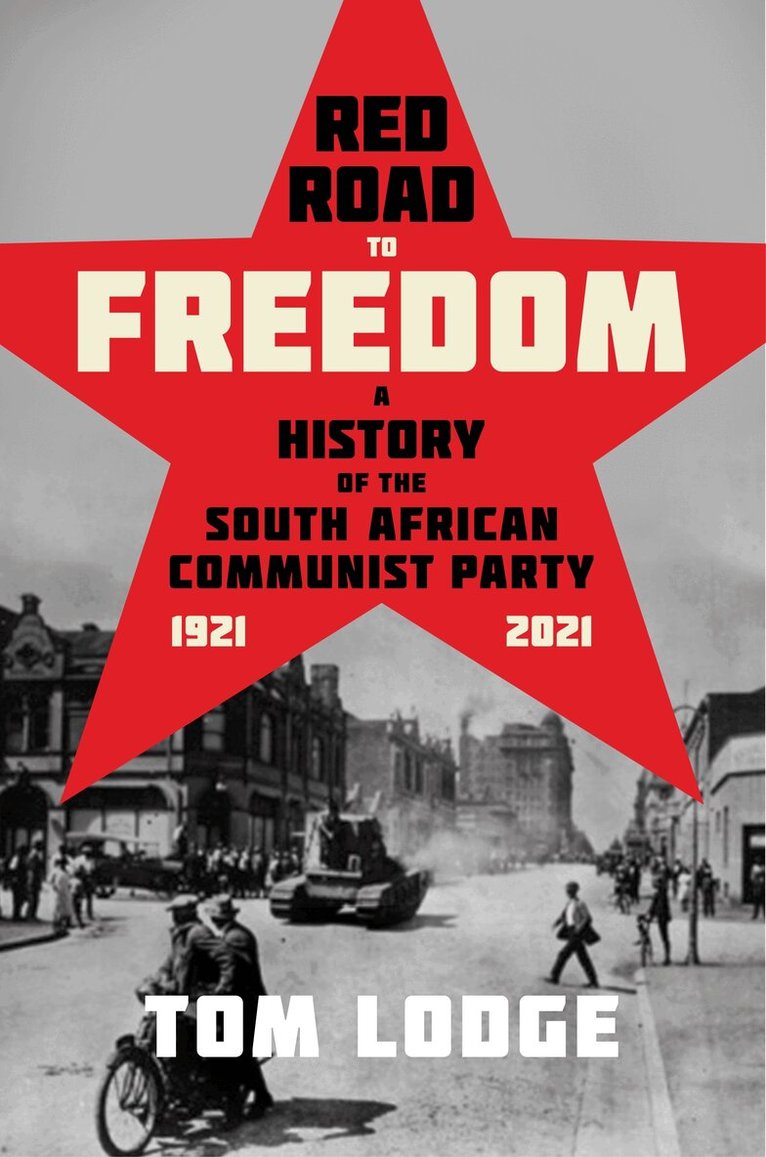
Longlisted for South Africa's 2022 Sunday Times Non-fiction Award Definitive and gripping narrative history of the Communist Party of South Africa.Renowned historian Tom Lodge has written an immensely readable and compelling sweep of history, spanning continents and the last hundred years, producing the first comprehensive account of the South African Communist Party in all its intricacies. Taking the story back to the party's pre-history in the early 20th century reveals that it was shaped by a range of socialist traditions and that their influence persisted and were decisive. The party's engagement in popular front politics after 1935 has been largely uncharted: this book supplies fresh detail. In the 1940s the author shows how the party became a key actor in the formation of black working-class politics, and hitherto unused archival materials as well as the insights from an increasingly candid genre of autobiographies make possible a much fuller picture of the secret party of 1952 to 1965. Despite its concealment and tiny numbers, its intellectual impact on black South African mainstream politics was considerable. On the exile period, the author examines the activities of the party's recruits and more informal following inside South Africa, as well as the scope and nature of its broader influence. In 1990, a year in which global politics would change fundamentally, South African communists would return to South Africa to begin the work of reconstructing their party as a legal organisation. Throughout its history, the party had been inspired and supported by the reality of existing socialism, state systems embracing half of Europe and Asia, in which the ruling group was at least notionally committed to the building of communist societies. With the fall of Eastern European regimes and the fragmentation of the Soviet Union, one key set of material foundations for the party's programmatic beliefs crumbled and its most important international alliances in the global socialist community in Eastern Europe and Russia would end. Finally, Lodge brings the story up to date, assessing the degree to which communists both inside and outside government have shaped and influenced policy in successive ANC-led administrations, particularly during the popular resistance to apartheid during the 1950s, which was underpinned by the party's systematic organisation in the localities that supplied the ANC with its strongest bases.Jacana: Africa, India