Torben C. Rick - Böcker
Visar alla böcker från författaren Torben C. Rick. Handla med fri frakt och snabb leverans.
7 produkter
7 produkter
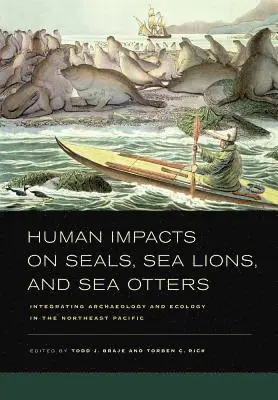
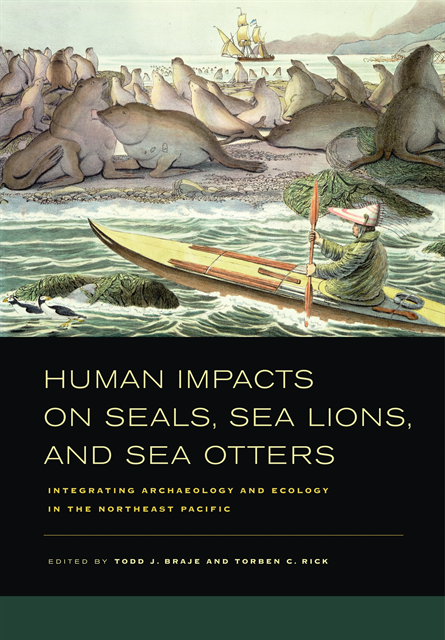
Human Impacts on Seals, Sea Lions, and Sea Otters
Integrating Archaeology and Ecology in the Northeast Pacific
Inbunden, Engelska, 2011
695 kr
Skickas inom 7-10 vardagar
For more than ten thousand years, Native Americans from Alaska to southern California relied on aquatic animals such as seals, sea lions, and sea otters for food and raw materials. Archaeological research on the interactions between people and these marine mammals has made great advances recently and provides a unique lens for understanding the human and ecological past. Archaeological research is also emerging as a crucial source of information on contemporary environmental issues as we improve our understanding of the ancient abundance, ecology, and natural history of these species. This groundbreaking interdisciplinary volume brings together archaeologists, biologists, and other scientists to consider how archaeology can inform the conservation and management of pinnipeds and other marine mammals along the Pacific Coast.
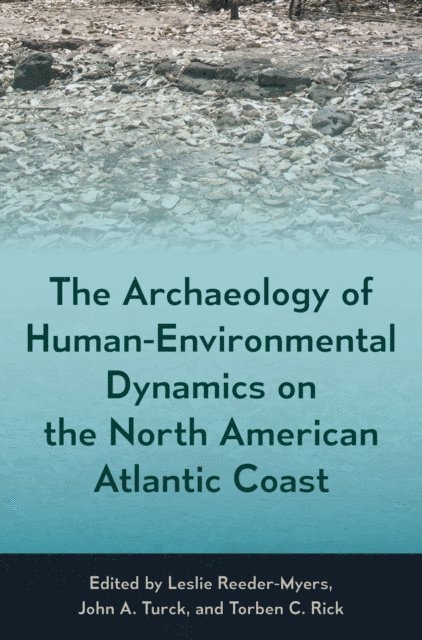
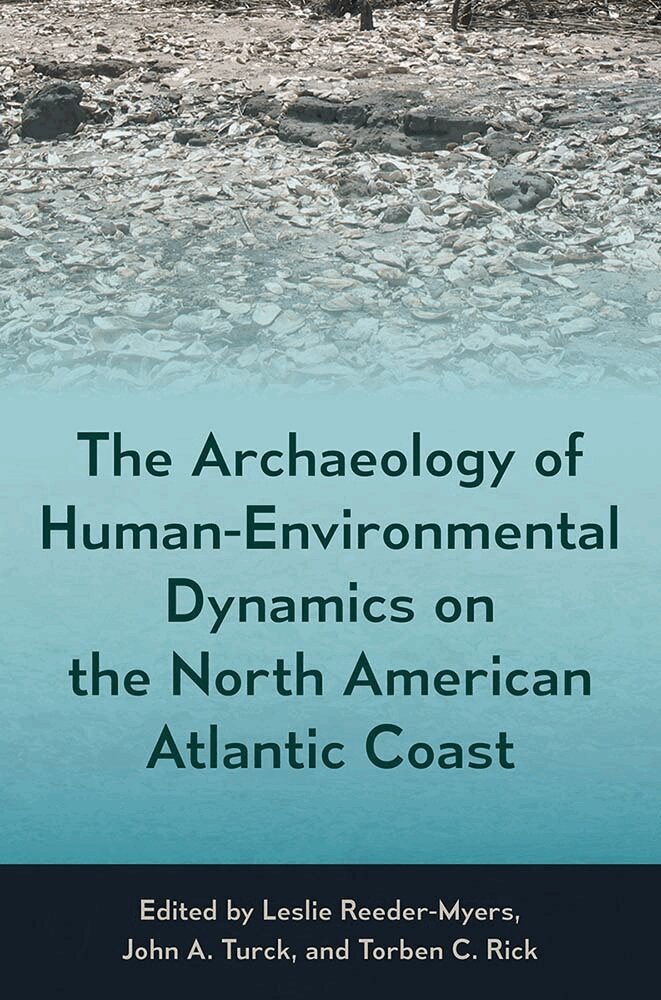
Archaeology of Human-Environmental Dynamics on the North American Atlantic Coast
Inbunden, Engelska, 2019
1 104 kr
Skickas inom 10-15 vardagar
Using archaeology as a tool for understanding long-term ecological and climatic change, this volume synthesizes current knowledge about the ways Native Americans interacted with their environments along the Atlantic Coast of North America over the past 10,000 years. Leading scholars discuss how the region's indigenous peoples grappled with significant changes to shorelines and estuaries, from sea level rise to shifting plant and animal distributions to European settlement and urbanization. Together, they provide a valuable perspective spanning millennia on the diverse marine and nearshore ecosystems of the entire Eastern Seaboard—the icy waters of Newfoundland and the Gulf of Maine, the Middle Atlantic regions of the New York Bight and the Chesapeake Bay, and the warm shallows of the St. Johns River and the Florida Keys. This broad comparative outlook brings together populations and areas previously studied in isolation. Today, the Atlantic Coast is home to tens of millions of people who inhabit ecosystems that are in dramatic decline. The research in this volume not only illuminates the past, but also provides important tools for managing coastal environments into an uncertain future. A volume in the series Society and Ecology in Island and Coastal Archaeology, edited by Victor D. Thompson
486 kr
Skickas inom 5-8 vardagar
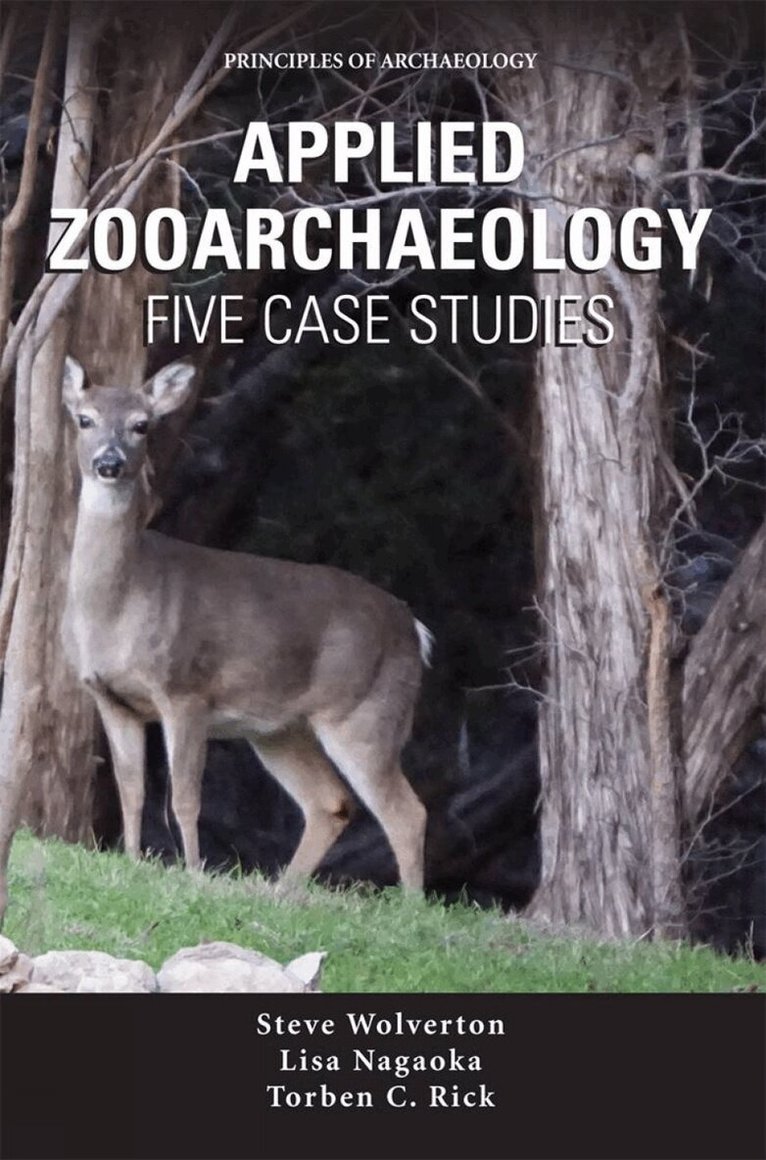
During the last two decades, zooarchaeologists have increasingly focused aspects of their work on conservation biology.Zooarchaeological data represents an empirical record of past human-animal interactions, which provides conservation with a deep temporal perspective. There are many challenges that face the archaeologist as conservation biologist, however, that have little to do with deep time, faunal remains, and zooarchaeological method and theory.This book uses a series of case studies with which each of the authors has relevant personal experience to explore the types of interdisciplinary challenges that zooarchaeologists face when crossing into the world of environmental management and animal conservation. Never has there been a greater need for multi-vocal perspectives in conservation biology. This book shows zooarchaeologists how to use zooarchaeological perspectives to help meet those needs, while crossing traditional academic disciplinary boundaries.
Islands through Time
A Human and Ecological History of California's Northern Channel Islands
Inbunden, Engelska, 2021
502 kr
Skickas inom 10-15 vardagar
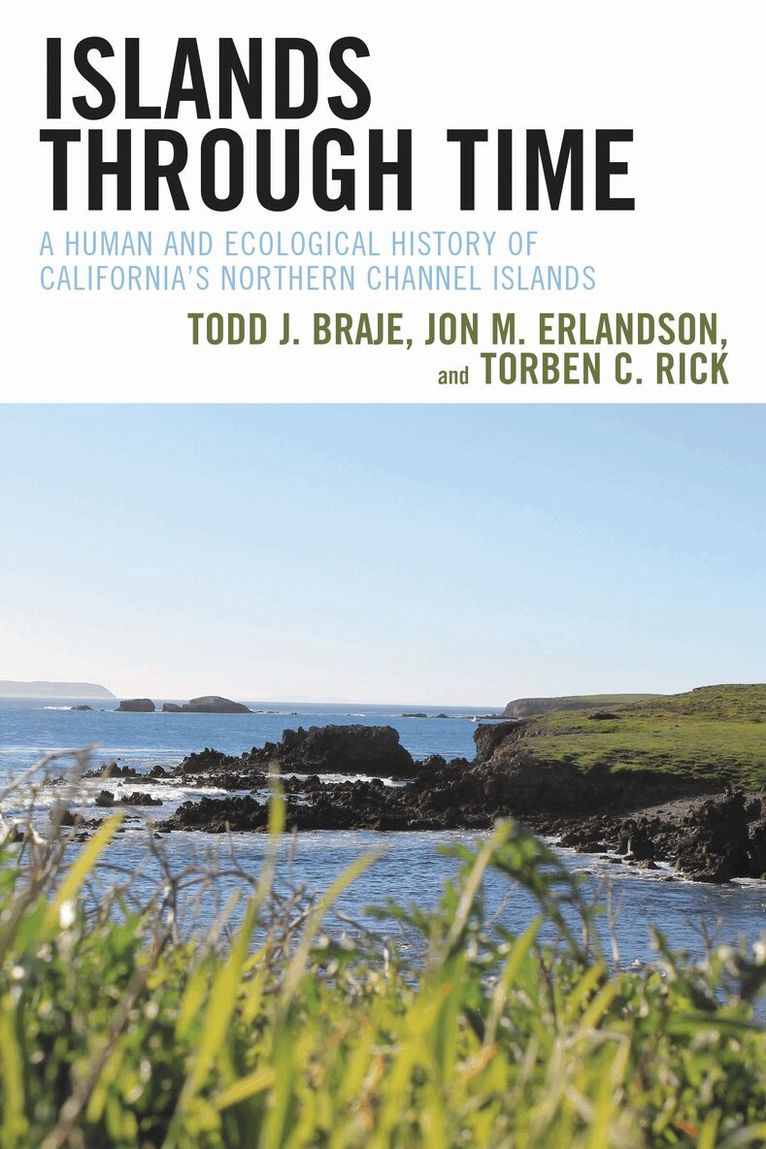
Explore the remarkable history of one of the jewels of the US National Park systemCalifornia’s Northern Channel Islands, sometimes called the American Galápagos and one of the jewels of the US National Park system, are a located between 20 and 44 km off the southern California mainland coast. Celebrated as a trip back in time where tourists can capture glimpses of California prior to modern development, the islands are often portrayed as frozen moments in history where ecosystems developed in virtual isolation for tens of thousands of years. This could not, however, be further from the truth.For at least 13,000 years, the Chumash and their ancestors occupied the Northern Channel Islands, leaving behind an archaeological record that is one of the longest and best preserved in the Americas. From ephemeral hunting and gathering camps to densely populated coastal villages and Euro-American and Chinese historical sites, archaeologists have studied the Channel Island environments and material culture records for over 100 years. They have pieced together a fascinating story of initial settlement by mobile hunter-gatherers to the development of one of the world’s most complex hunter-gatherer societies ever recorded, followed by the devastating effects of European contact and settlement. Likely arriving by boat along a “kelp highway,” Paleocoastal migrants found not four offshore islands, but a single super island, Santarosae. For millennia, the Chumash and their predecessors survived dramatic changes to their land- and seascapes, climatic fluctuations, and ever-evolving social and cultural systems.Islands Through Time is the remarkable story of the human and ecological history of California’s Northern Channel Islands. We weave the tale of how the Chumash and their ancestors shaped and were shaped by their island homes. Their story is one of adaptation to shifting land- and seascapes, growing populations, fluctuating subsistence resources, and the innovation of new technologies, subsistence strategies, and socio-political systems. Islands Through Time demonstrates that to truly understand and preserve the Channel Islands National Park today, archaeology and deep history are critically important. The lessons of history can act as a guide for building sustainable strategies into the future. The resilience of the Chumash and Channel Island ecosystems provides a story of hope for a world increasingly threatened by climate change, declining biodiversity, and geopolitical instability.
Islands through Time
A Human and Ecological History of California's Northern Channel Islands
Häftad, Engelska, 2023
282 kr
Skickas inom 10-15 vardagar
Explore the remarkable history of one of the jewels of the US National Park systemCalifornia’s Northern Channel Islands, sometimes called the American Galápagos and one of the jewels of the US National Park system, are a located between 20 and 44 km off the southern California mainland coast. Celebrated as a trip back in time where tourists can capture glimpses of California prior to modern development, the islands are often portrayed as frozen moments in history where ecosystems developed in virtual isolation for tens of thousands of years. This could not, however, be further from the truth.For at least 13,000 years, the Chumash and their ancestors occupied the Northern Channel Islands, leaving behind an archaeological record that is one of the longest and best preserved in the Americas. From ephemeral hunting and gathering camps to densely populated coastal villages and Euro-American and Chinese historical sites, archaeologists have studied the Channel Island environments and material culture records for over 100 years. They have pieced together a fascinating story of initial settlement by mobile hunter-gatherers to the development of one of the world’s most complex hunter-gatherer societies ever recorded, followed by the devastating effects of European contact and settlement. Likely arriving by boat along a “kelp highway,” Paleocoastal migrants found not four offshore islands, but a single super island, Santarosae. For millennia, the Chumash and their predecessors survived dramatic changes to their land- and seascapes, climatic fluctuations, and ever-evolving social and cultural systems.Islands Through Time is the remarkable story of the human and ecological history of California’s Northern Channel Islands. We weave the tale of how the Chumash and their ancestors shaped and were shaped by their island homes. Their story is one of adaptation to shifting land- and seascapes, growing populations, fluctuating subsistence resources, and the innovation of new technologies, subsistence strategies, and socio-political systems. Islands Through Time demonstrates that to truly understand and preserve the Channel Islands National Park today, archaeology and deep history are critically important. The lessons of history can act as a guide for building sustainable strategies into the future. The resilience of the Chumash and Channel Island ecosystems provides a story of hope for a world increasingly threatened by climate change, declining biodiversity, and geopolitical instability.
Del 8 - Perspectives in California Archaeology
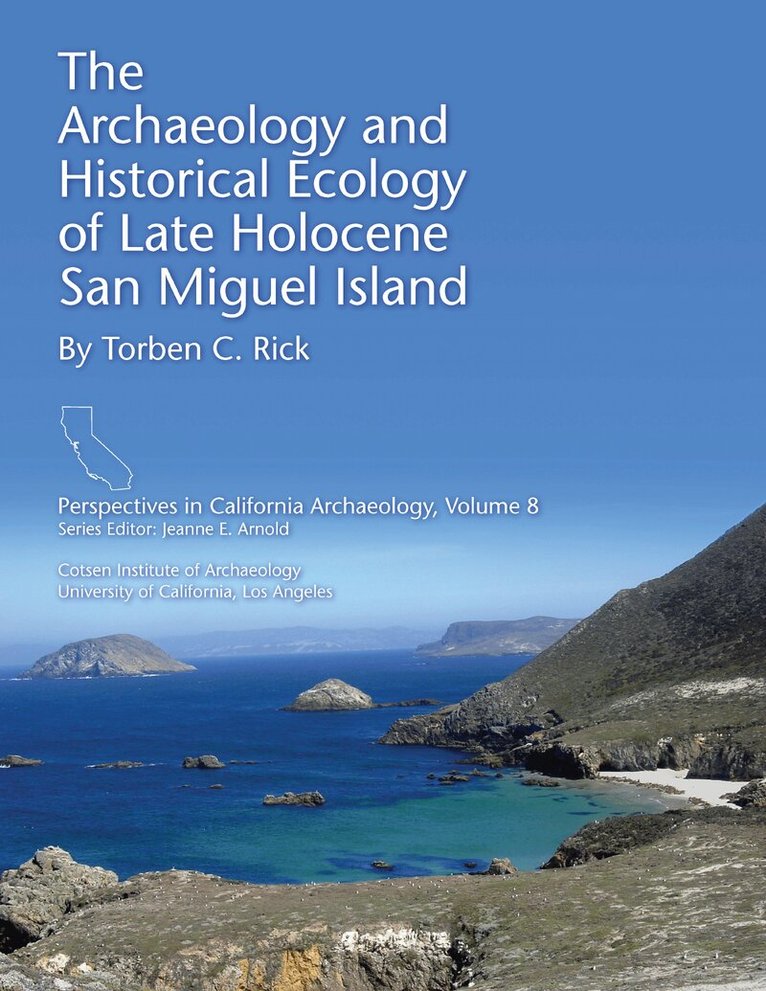
Archaeology and Historical Ecology of Late Holocene San Miguel Island
Häftad, Engelska, 2007
175 kr
Skickas inom 5-8 vardagar
California's northern Channel Islands have one of the longest and best-preserved archaeological records in the Americas, spanning some 13,000 calendar years. When European explorers first travelled to the area, these islands were inhabited by the Chumash, some of the most populous and culturally complex hunter-gatherers known. Chumash society was characterised by hereditary leaders, sophisticated exchange networks and interaction spheres, and diverse maritime economies. Focusing on the archaeology of five sites dated to the last 3,000 years, this book examines the archaeology and historical ecology of San Miguel Island, the westernmost and most isolated of the northern Channel Islands. Detailed faunal, artefact, and other data are woven together in a diachronic analysis that investigates the interplay of social and ecological developments on this unique island. The first to focus solely on San Miguel Island archaeology, this book examines issues ranging from coastal adaptations to emergent cultural complexity to historical ecology and human impacts on ancient environments.
Del 8 - Perspectives in California Archaeology
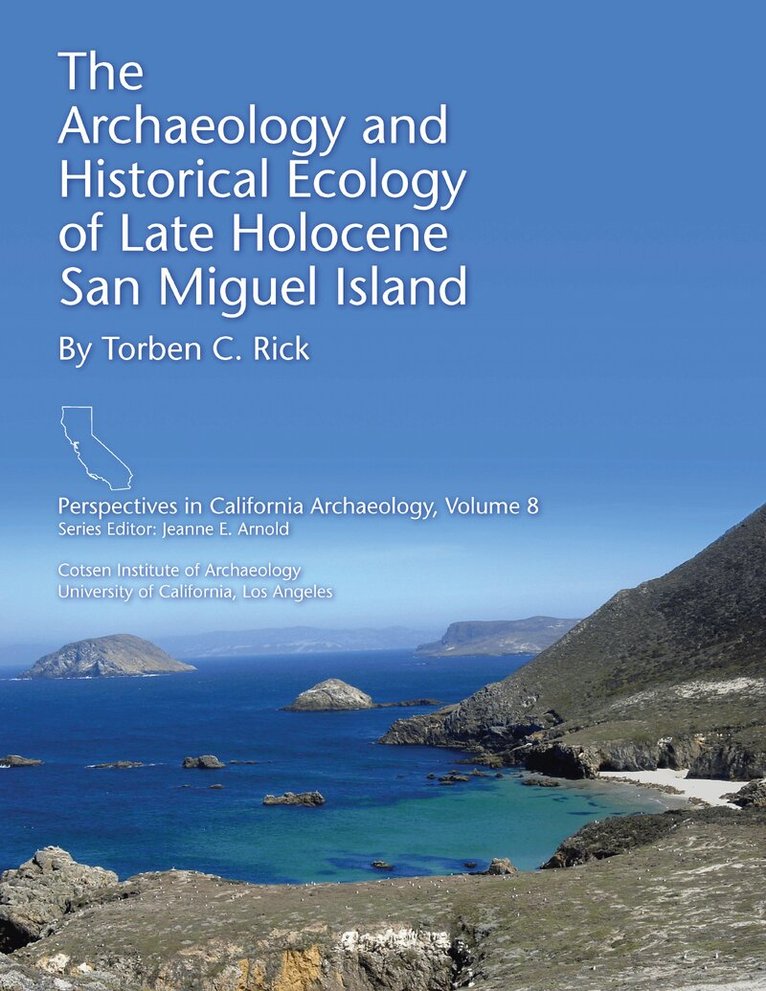
Archaeology and Historical Ecology of Late Holocene San Miguel Island
Inbunden, Engelska, 2007
246 kr
Skickas inom 5-8 vardagar
California's northern Channel Islands have one of the longest and best-preserved archaeological records in the Americas, spanning some 13,000 calendar years. When European explorers first travelled to the area, these islands were inhabited by the Chumash, some of the most populous and culturally complex hunter-gatherers known. Chumash society was characterised by hereditary leaders, sophisticated exchange networks and interaction spheres, and diverse maritime economies. Focusing on the archaeology of five sites dated to the last 3,000 years, this book examines the archaeology and historical ecology of San Miguel Island, the westernmost and most isolated of the northern Channel Islands. Detailed faunal, artefact, and other data are woven together in a diachronic analysis that investigates the interplay of social and ecological developments on this unique island. The first to focus solely on San Miguel Island archaeology, this book examines issues ranging from coastal adaptations to emergent cultural complexity to historical ecology and human impacts on ancient environments.