Toshihiro Higuchi - Böcker
Visar alla böcker från författaren Toshihiro Higuchi. Handla med fri frakt och snabb leverans.
3 produkter
3 produkter
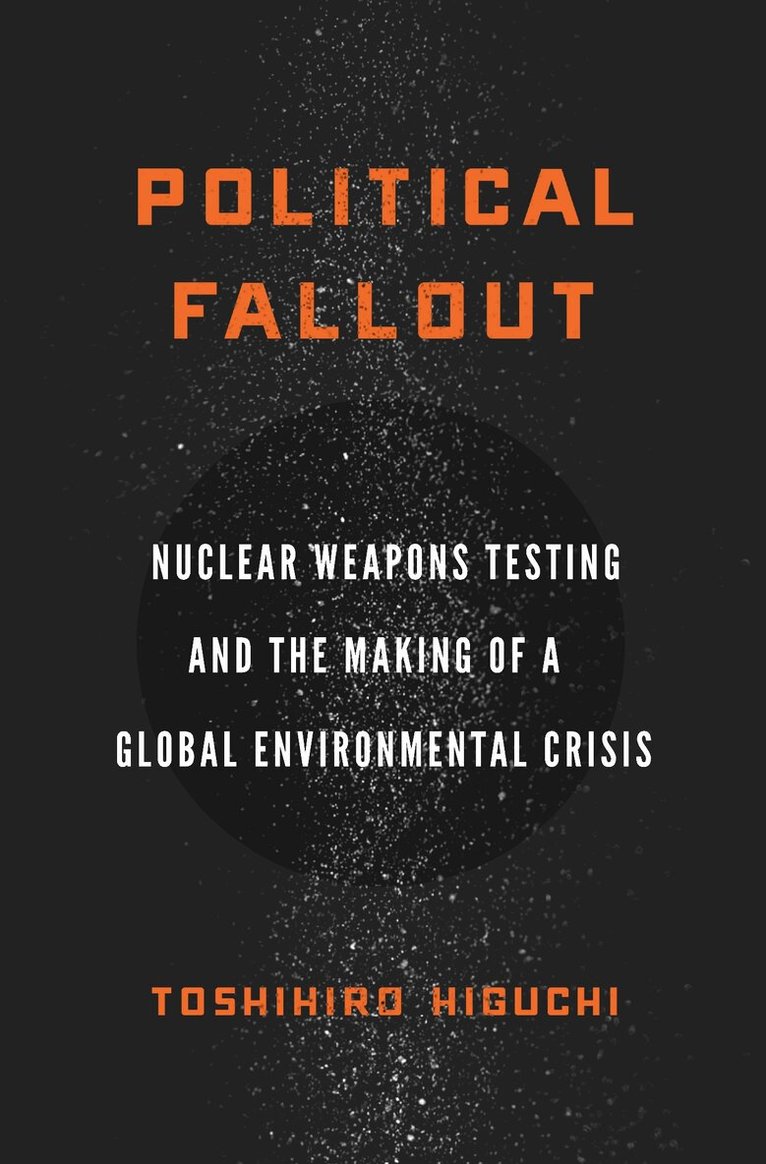
Political Fallout
Nuclear Weapons Testing and the Making of a Global Environmental Crisis
Inbunden, Engelska, 2020
1 300 kr
Skickas inom 7-10 vardagar
Political Fallout is the story of one of the first human-driven, truly global environmental crises—radioactive fallout from nuclear weapons testing during the Cold War—and the international response. Beginning in 1945, the United States, Britain, and the Soviet Union detonated hundreds of nuclear weapons in the atmosphere, scattering a massive amount of radioactivity across the globe. The scale of contamination was so vast, and radioactive decay so slow, that the cumulative effect on humans and the environment is still difficult to fully comprehend. The international debate over nuclear fallout turned global radioactive contamination into an environmental issue, eventually leading the nuclear superpowers to sign the landmark Partial Test Ban Treaty (PTBT) in 1963. Bringing together environmental history and Cold War history, Toshihiro Higuchi argues that the PTBT, originally proposed as an arms control measure, transformed into a dual-purpose initiative to check the nuclear arms race and radioactive pollution simultaneously. Higuchi draws on sources in English, Russian, and Japanese, considering both the epistemic differences that emerged in different scientific communities in the 1950s and the way that public consciousness around the risks of radioactive fallout influenced policy in turn. Political Fallout addresses the implications of science and policymaking in the Anthropocene—an era in which humans are confronting environmental changes of their own making.
815 kr
Skickas inom 7-10 vardagar
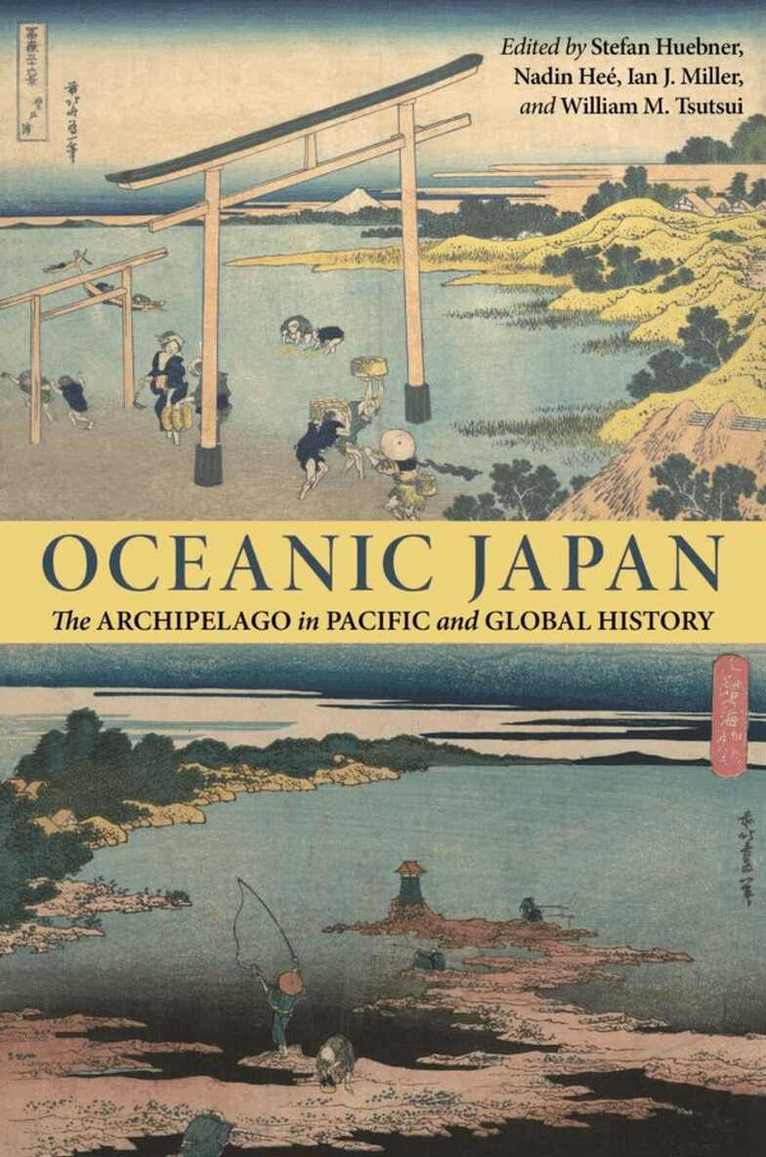
Japan’s oceans demand our attention. Violent, prolific, and changeful, they define life and death on the archipelago: pushing the shore under the rush of tsunami, charging typhoon circulation, feeding millions, and seeding conflicts over territory and resources. And yet, Japan studies remains largely beholden to a terrestrial view of the world that is at odds with the importance of the sea. This “terrestrial bias” also means that on those occasions when oceans are recognized they are most often presented as dividers or connectors—spaces in between rather than rich ecologies and meaningful sites. Oceanic Japan>/i> is meant to help readers re-envision Japanese history in order to show how the seas created the country that we know today.The book convenes a diverse, multinational, multidisciplinary group of scholars to expand the scope of Japan studies and the field of environmental humanities. The chapters draw from the broader turn to the sea—characterized by new oceanic and terraqueous perspectives—developing within these fields and in areas such as Pacific history and Indian Ocean studies. The volume editors’ vision is bifocal. On one hand, they aim to reorient East Asian studies and Japan studies to the sea, underlining how oceans have shaped dynamics from the Tokugawa Era forward into the age of empire and the crisis of the Anthropocene. On the other hand, they argue for a more nuanced environmental approach within the burgeoning field of Oceanic studies. Seeing oceanic spaces as more than entrepots or political spheres requires thinking in new, often vertical, volumetric ways. The chapters follow human and non-human actors to recognize the variegation of watery ecologies through winds, tides, coasts, seabeds, and currents such as the Kuroshio and Oyashio, which have always shaped life on the archipelago.
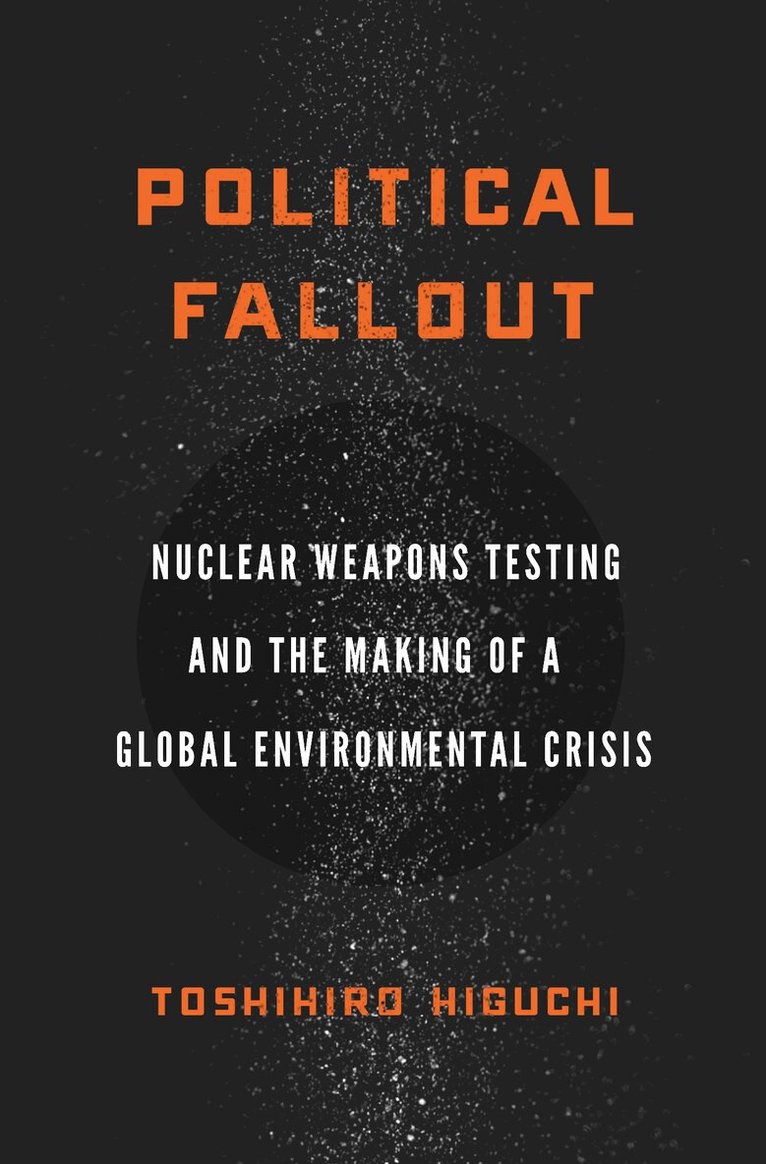
Political Fallout
Nuclear Weapons Testing and the Making of a Global Environmental Crisis
Häftad, Engelska, 2020
317 kr
Skickas inom 7-10 vardagar
Political Fallout is the story of one of the first human-driven, truly global environmental crises—radioactive fallout from nuclear weapons testing during the Cold War—and the international response. Beginning in 1945, the United States, Britain, and the Soviet Union detonated hundreds of nuclear weapons in the atmosphere, scattering a massive amount of radioactivity across the globe. The scale of contamination was so vast, and radioactive decay so slow, that the cumulative effect on humans and the environment is still difficult to fully comprehend. The international debate over nuclear fallout turned global radioactive contamination into an environmental issue, eventually leading the nuclear superpowers to sign the landmark Partial Test Ban Treaty (PTBT) in 1963. Bringing together environmental history and Cold War history, Toshihiro Higuchi argues that the PTBT, originally proposed as an arms control measure, transformed into a dual-purpose initiative to check the nuclear arms race and radioactive pollution simultaneously. Higuchi draws on sources in English, Russian, and Japanese, considering both the epistemic differences that emerged in different scientific communities in the 1950s and the way that public consciousness around the risks of radioactive fallout influenced policy in turn. Political Fallout addresses the implications of science and policymaking in the Anthropocene—an era in which humans are confronting environmental changes of their own making.