Traci C West - Böcker
Visar alla böcker från författaren Traci C West. Handla med fri frakt och snabb leverans.
8 produkter
8 produkter
Public Theology and Violent Rhetoric Examined in a Queer Womanist Critical Ethnography
Häftad, Engelska, 2025
297 kr
Skickas inom 7-10 vardagar
Public theology is an emerging constructive tool. In its inception, public theology was largely contextualized as the ‘public church.’ However, this thoughtful and empathetic book situates our publics everywhere. Smallwood contends that those who have been harmed by violent rhetoric from speech actors who would ‘other’ them retain the capacity to have and hold a theology. This different entry point allows for people of faith, those who are and those who are not associated with a particular communion of faith or denominational affiliation to claim public space for theologizing. Here, public theology is about the capacity of those who are ‘othered’ to affirmatively express their faith and to critically engage with those who would deny and denigrate their ontology. ‘Enduring hardship as a good soldier’ does not mean exposing oneself to verbal abuse week after week. Many LGBTQIA+ persons are assaulted, degraded, humiliated, and derogated from the pulpits and podiums of places of worship. This abuse caused many to turn away from their faith. Those who withstood protracted verbal abuse turned it inward and began to hate themselves. Through ethnography, Smallwood tackles these tough truths and engages with LGBTQIA+ persons. This book critically examines both the harm done to them and the help that is to come from a paradigmatic shift in care. Smallwood emphasises how spiritual self-assessment, ritual, and indigenous spiritual practices offer a way to wholeness and healing. Drawing from Yoruba epistemology, this work offers a framework for rebirth, renewal, and reclamation.
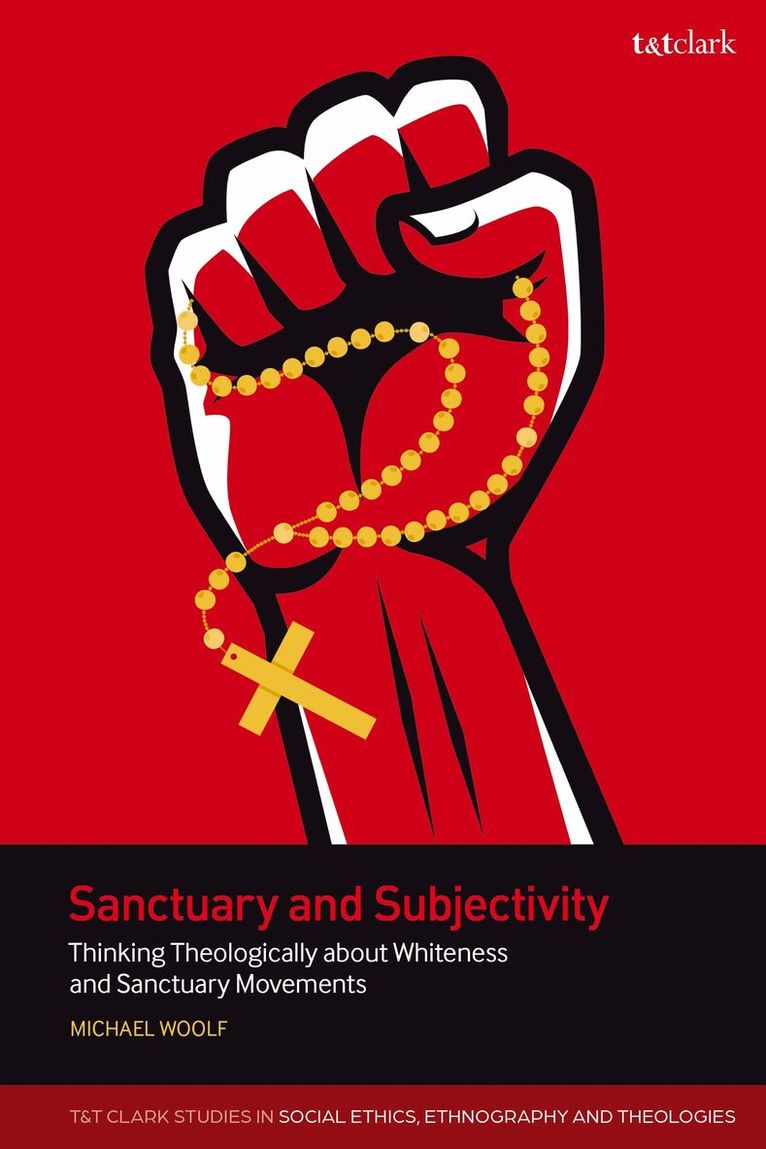
Sanctuary and Subjectivity
Thinking Theologically about Whiteness and Sanctuary Movements
Häftad, Engelska, 2023
271 kr
Skickas
The Sanctuary Movement of the 1980s was a movement led by white religious liberals that housed Central Americans fleeing dictatorships supported by the United States government, giving them a platform to speak about the situation in their countries of origin. This book focuses on the movement’s whiteness by centering the voices of recipients of sanctuary and taking their critiques seriously. The result is an account of the movement that takes seriously the agential limitations of sanctuary and the struggles for agency by recipients. Using interviews with participants in the movement as well auto-ethnographic research as the white pastor of a church in the New Sanctuary Movement, this book situates the sanctuary as site for theological reflection on some of the most pressing issues facing the Church today – the possibilities of testimony, the Holy Spirit, ecclesiology, and mercy. In doing so, it proposes a new theoretical framework for thinking about practice by introducing readers to Judith Butler’s theories of subjectivation and arguing for ethnographically engaged theology that is able to think beyond virtue and excellence towards an understanding of fugitivity.
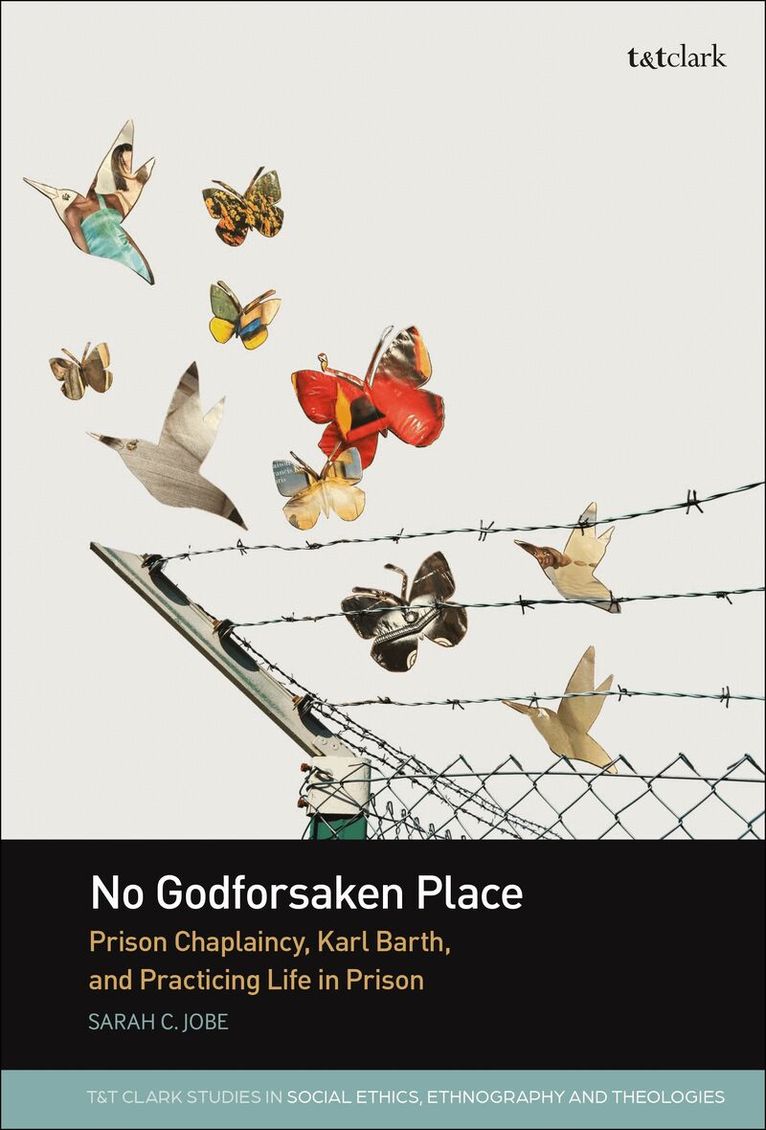
No Godforsaken Place
Prison Chaplaincy, Karl Barth, and Practicing Life in Prison
Häftad, Engelska, 2025
297 kr
Skickas inom 7-10 vardagar
How does the life, arrest, trial, conviction, execution, and release from state-supervision of Jesus Christ enact the salvation of the cosmos? How does that one carceral life-in-death link up with life in the face of prison death today?Jobe explores the spiritual and religious life contained within America’s prison systems as it shows up in the profession of prison chaplaincy. The theological foundations of the text coherently link Barth’s experience of prison chaplaincy and his Christological theology with the theological understandings in the chaplains' interviews; and Jobe’s “practical soteriology” emerges in a thoroughly intricate and compelling contextualized vision. This book weaves careful ethnographic work, the systematic theology of Karl Barth, and biblical interpretation to craft a textured exploration of life-after-death work.
1 406 kr
Kommande
This is an ethnographic study of Palestinian liberation theology, focusing on the role of women and laypeople in shaping the work of Sabeel, a centre based in Jerusalem. Utilizing ethnographic methods, this book moves beyond scholarly commentary on texts published by Palestinian theologians in order to uncover the significant contributions of the laypeople, particularly laywomen, who co-founded Palestinian liberation theology. Klassen explores the vital stories, spiritual practices, and activism of women who shaped Palestinian liberation theology and continue to develop this theology today. Through extended interviews with the laypeople who shaped this movement, the voices of women take center stage. Mary, Mother of God, emerges as a female exemplar and resource for liberation. This book further traces what a Marian approach to Palestinian liberation theology would entail. The final chapters consider how Palestinian liberation theology is re-interpreted and put into practice amid shifting politics in Israel-Palestine. From COVID-19, to sustaining an ever-shrinking Christian population, to the devastation of Gaza—Palestinian Christians continue to wrestle with what liberation theology means in their present context. The insights and practices of this theological movement are essential not only for establishing a just peace in Israel-Palestine, they also challenge the broader church by calling her to solidarity.
420 kr
Skickas inom 3-6 vardagar
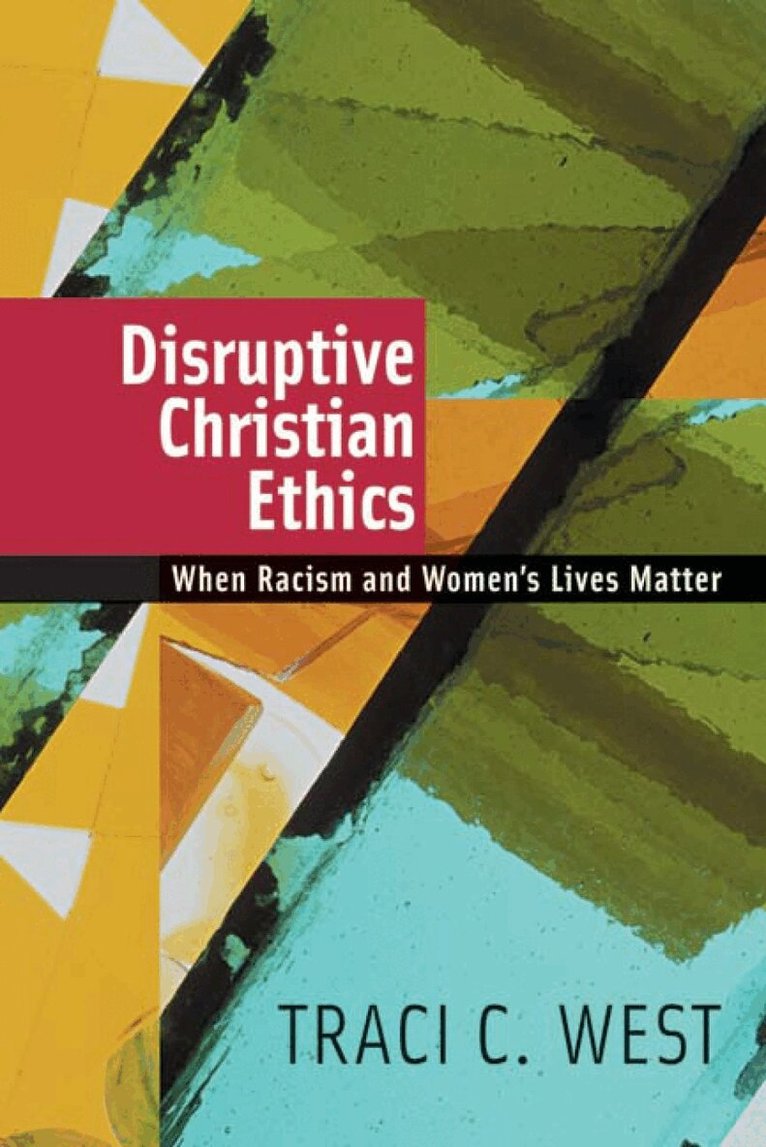
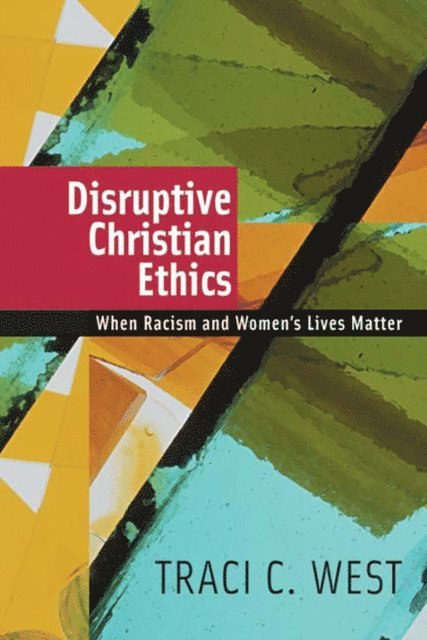
This book brings to the fore the difficult realities of racism and the sexual violation of women. Traci West argues for a liberative method of Christian social ethics in which the discussion begins not with generic philosophical concepts but in the concrete realities of the lives of the socially and economically marginalized.
402 kr
Skickas inom 7-10 vardagar
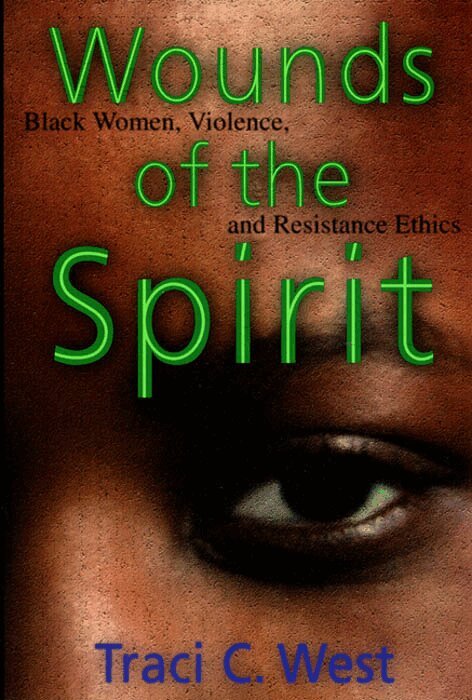
A collection of first-person accounts documenting a historical legacy of violence against black women in the U.S.In Wounds of the Spirit, Traci West employs first person accounts-from slave narratives to contemporary interviews to Tina Turner's autobiography-to document a historical legacy of violence against black women in the United States. West, a black feminist Christian ethicist, situates spiritual matters within a discussion of the psycho-social impact of intimate assault against African American women.Distinctive for its treatment of the role of the church in response to violence against African American women, the book identifies specific social mechanisms which contribute to the reproduction of intimate violence. West insists that cultural beliefs as well as institutional practices must be altered if we are to combat the reproduction of violence, and suggests methods of resistance which can be utilized by victim-survivors, those in the helping professions, and the church.Interrogating the dynamics of black women's experiences of emotional and spiritual trauma through the diverse disciplines of psychology, sociology, and theology, this important work will be of interest and practical use to those in women's studies, African American studies, Christian ethics, feminist and womanist theology, women's health, family counseling, and pastoral care.
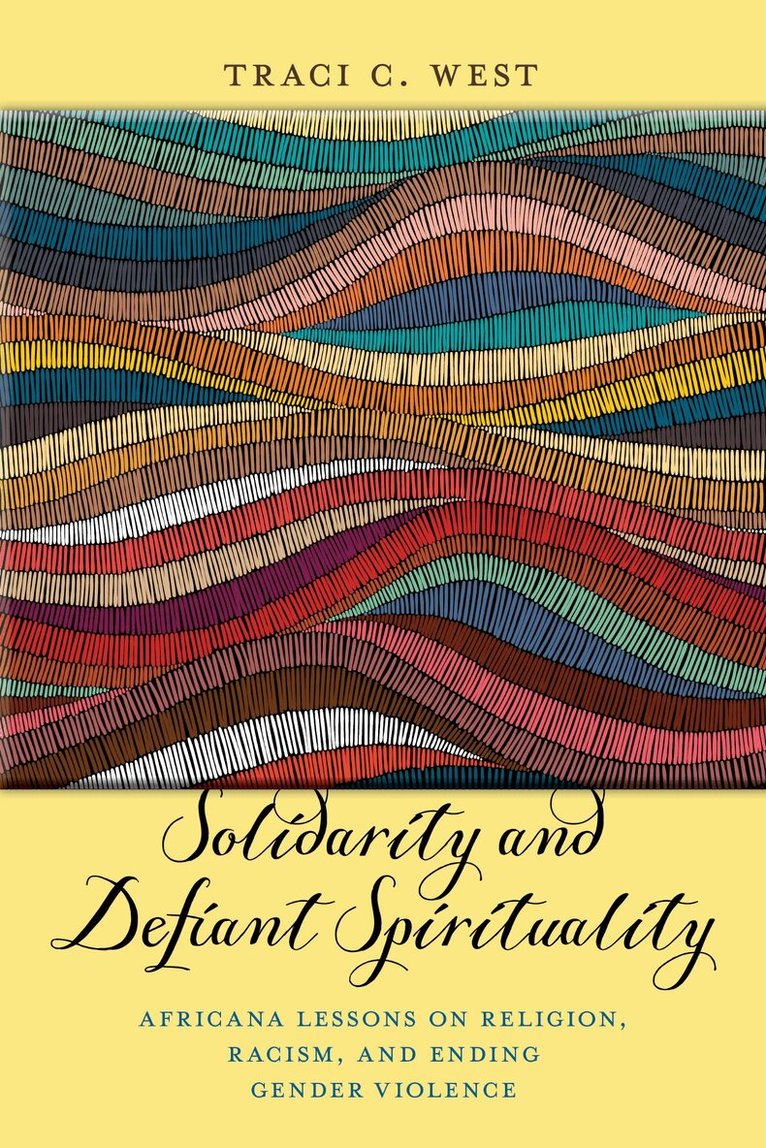
Solidarity and Defiant Spirituality
Africana Lessons on Religion, Racism, and Ending Gender Violence
Häftad, Engelska, 2019
429 kr
Skickas inom 7-10 vardagar
How activists in Ghana, South Africa, and Brazil provide inspiration and strategies for combating the gender violence epidemic in the United States How can the U.S. learn from the perspectives of anti-gender violence activists in South America and Africa as we seek to end intimate violence in this country? The U.S. has consistently positioned itself as a moral exemplar, seeking to export its philosophy and values to other societies. Yet in this book, Traci C. West argues that the U.S. has much to learn from other countries when it comes to addressing gender-based violence. West traveled to Ghana, South Africa, and Brazil to interview activists involved in the struggle against gender violence. In each of these places, as in the United States, Christianity and anti-black racism have been implicated in violence against women. In Ghana and Brazil, in particular, their Christian colonial and trans-Atlantic slave trade histories directly connect with the socioeconomic development of the Americas and historic incidents of rape of black slave women. With a transnational focus on religion and racism, West brings a new perspective to efforts to systemically combat gender violence. Calling attention to forms of violence in the U.S. and international settings, such as marital rape, sex trafficking of women and girls, domestic violence, and the targeting of lesbians, the book offers an expansive and nuanced view of how to form activist solidarity in tackling this violence. It features bold and inspiring approaches by black women leaders working in each setting to uproot the myriad forms of violence against women and girls. Ultimately, West calls for us to learn from the lessons of Africana activists, drawing on a defiant Africana spirituality as an invaluable resource in the quest to combat the seemingly chronic problem of gender-based violence.
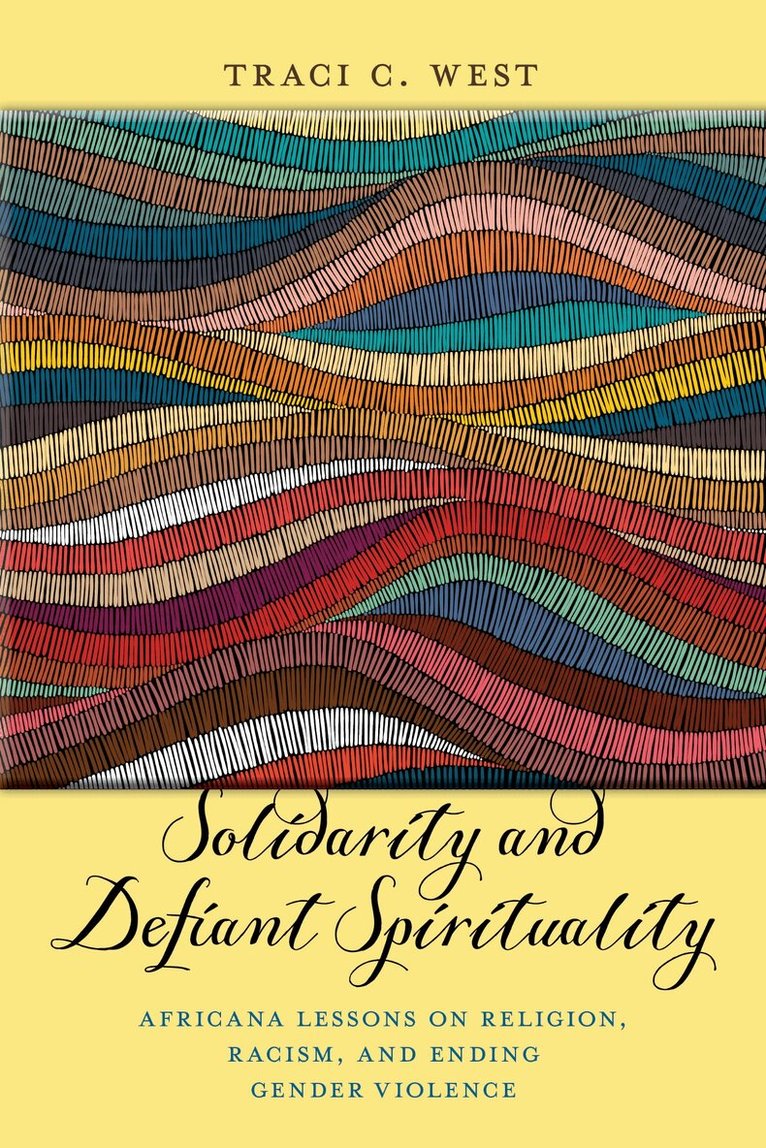
Solidarity and Defiant Spirituality
Africana Lessons on Religion, Racism, and Ending Gender Violence
Inbunden, Engelska, 2019
1 170 kr
Skickas inom 10-15 vardagar
How activists in Ghana, South Africa, and Brazil provide inspiration and strategies for combating the gender violence epidemic in the United States How can the U.S. learn from the perspectives of anti-gender violence activists in South America and Africa as we seek to end intimate violence in this country? The U.S. has consistently positioned itself as a moral exemplar, seeking to export its philosophy and values to other societies. Yet in this book, Traci C. West argues that the U.S. has much to learn from other countries when it comes to addressing gender-based violence. West traveled to Ghana, South Africa, and Brazil to interview activists involved in the struggle against gender violence. In each of these places, as in the United States, Christianity and anti-black racism have been implicated in violence against women. In Ghana and Brazil, in particular, their Christian colonial and trans-Atlantic slave trade histories directly connect with the socioeconomic development of the Americas and historic incidents of rape of black slave women. With a transnational focus on religion and racism, West brings a new perspective to efforts to systemically combat gender violence. Calling attention to forms of violence in the U.S. and international settings, such as marital rape, sex trafficking of women and girls, domestic violence, and the targeting of lesbians, the book offers an expansive and nuanced view of how to form activist solidarity in tackling this violence. It features bold and inspiring approaches by black women leaders working in each setting to uproot the myriad forms of violence against women and girls. Ultimately, West calls for us to learn from the lessons of Africana activists, drawing on a defiant Africana spirituality as an invaluable resource in the quest to combat the seemingly chronic problem of gender-based violence.