Trevor Griffiths - Böcker
Visar alla böcker från författaren Trevor Griffiths. Handla med fri frakt och snabb leverans.
20 produkter
20 produkter
1 060 kr
Skickas inom 7-10 vardagar
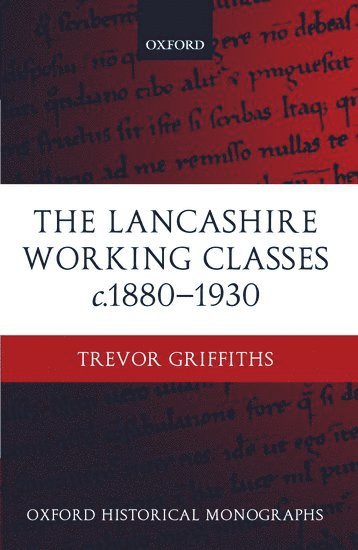
This book examines the experiences and values which shaped working-class life in Britain in the half-century from 1880. It takes as its focus a region, Lancashire, which was central to the social and political changes of the period. The discussion centres on two towns, Bolton and Wigan, which, while they were geographically close, differed significantly in their industrial fortunes and their electoral development. The formation of class identity is traced through developments in the world of work, from the impact of technological and managerial innovations to the elaboration of collective-bargaining procedures. Beyond work, particular attention is paid to the dynamics of neighbourhood and family life, the latter emerging as an important source of continuity in working-class life. The broader impact of such influences are traced through a close examination of the electoral politics of the period.Dr Griffiths' conclusions fundamentally challenge the notion that the fifty years around the turn of the century witnessed the emergence of a working class more culturally and politically united than at any other time, either before or since. Rather, an alternative narrative of class development is offered, in which broad continuities in working-class life, in particular the survival of religious, ethnic, and occupational points of division, are emphasised. Despite the presence of strong and stable labour institutions, from trade unions to Co-operative and Friendly Societies, the picture emerges of a working class more individualist than collectivist in outlook, more flexible in response to economic change, and less constrained by the broader solidarities of work and neighbourhood than has previously been supposed.
135 kr
Skickas
'The setting is a schoolroom near Manchester where an evening class of budding comics congregate for a final briefing from their tutor before facing an agent's man from London. Telling jokes for money offers an escape from the building site or the milk round. But the humour is a deadly serious business that also involves anger, pain and truth.' Financial Times 'Trevor Griffiths has not shown his brilliance as a writer more clearly than in Comedians.' Daily Telegraph
257 kr
Skickas inom 3-6 vardagar
1 422 kr
Tillfälligt slut
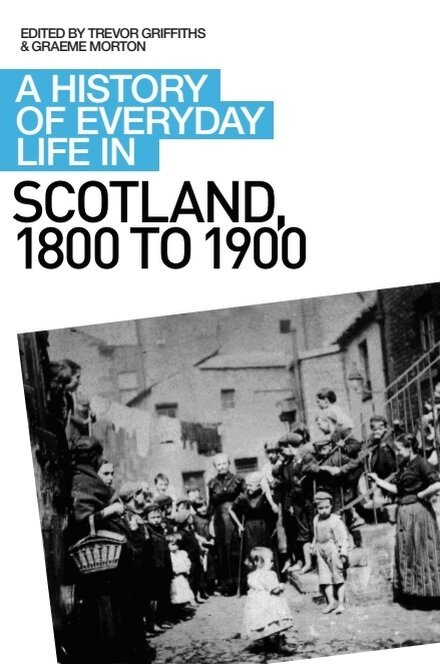
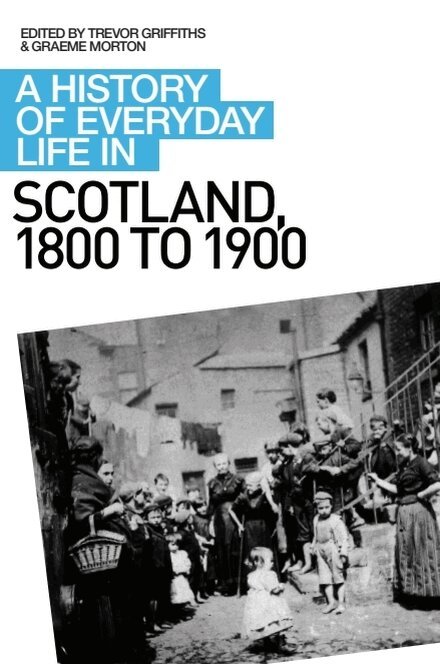
The nineteenth century was a period of profound change in Scottish history. Industrialisation, improved communications, agricultural transformation, country to town migration, upheavals in the church, increased trade, and imperialism – all these affected the pace and rhythm of everyday life across the country. At the same time increased literacy helped to generate new patterns of identity, extending beyond the local to encompass the nation, which challenged certainties of how the world was viewed. With new styles of living came new dangers to the physical and moral health of the population, and increased apprehension of crime and disorder. Industrialisation created opportunities for consumption and recreation but with tangible environmental and economic costs. Rural Scotland adjusted to changes in farming practice and the traumas of population loss and began to look to the opportunities presented by recreation and tourism. The large-scale creation and survival of documentary evidence and records make the study of everyday life during this period practicable in depth for the first time. This volume presents a vivid account that includes the experiences of all the people of Scotland. It draws on every kind of available evidence and on work in social and cultural history, sociology and anthropology.The series will be complete in four volumes. x and x are already available. x is forthcoming.
414 kr
Skickas
The nineteenth century was a period of profound change in Scottish history. Industrialisation, improved communications, agricultural transformation, country to town migration, upheavals in the church, increased trade, and imperialism – all these affected the pace and rhythm of everyday life across the country. At the same time increased literacy helped to generate new patterns of identity, extending beyond the local to encompass the nation, which challenged certainties of how the world was viewed. With new styles of living came new dangers to the physical and moral health of the population, and increased apprehension of crime and disorder. Industrialisation created opportunities for consumption and recreation but with tangible environmental and economic costs. Rural Scotland adjusted to changes in farming practice and the traumas of population loss and began to look to the opportunities presented by recreation and tourism. The large-scale creation and survival of documentary evidence and records make the study of everyday life during this period practicable in depth for the first time. This volume presents a vivid account that includes the experiences of all the people of Scotland. It draws on every kind of available evidence and on work in social and cultural history, sociology and anthropology.The series will be complete in four volumes. x and x are already available. x is forthcoming.
1 303 kr
Skickas inom 7-10 vardagar
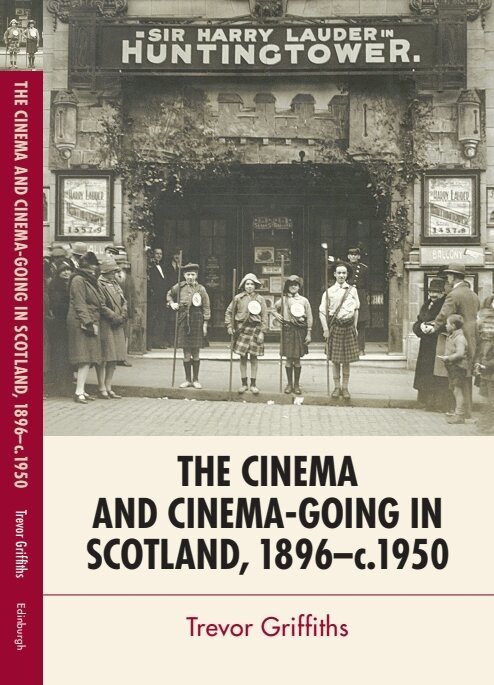
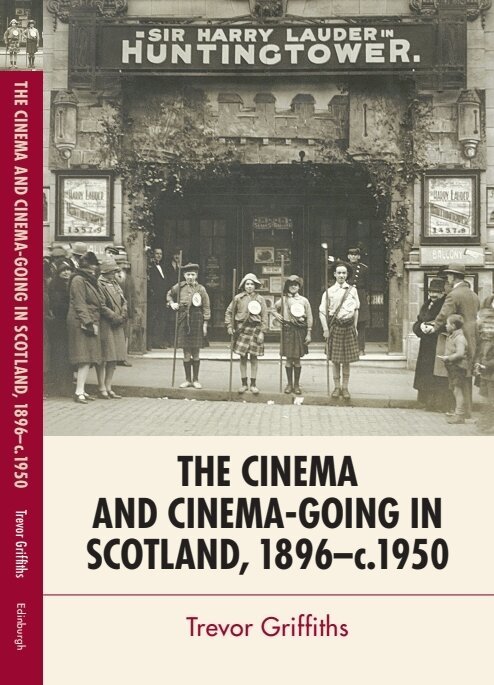
What did our Scottish grandparents and great grandparents see at the cinema? What thrilled them on the silver screen?This is the first scholarly work to document the cinema habits of early twentieth-century Scots, exploring the growth of early cinema-going and integrating the study of cinema into wider debates in social and economic history. The author draws extensively on archival resources concerning the cinema as a business, on documentation kept by cinema managers, and on the diaries and recollections of cinema-goers. He considers patterns of cinema-going and attendance levels, as well as changes in audience preferences for different genres, stars or national origins of films. The thematic chapters broaden out the discussion of cinema-going to consider the wider social and cultural impact of this early form of mass leisure. Trevor Griffiths’ book is a major contribution to the growing body of work on the history and significance of British filmKey FeaturesFirst major study of early Scottish filmNew archives and researchFascinating diary entriesEarly cinema as businessImportant addition to Scottish film studies Key words: cinema, Scotland, history, cinema-going, society, films, Scottish
318 kr
Skickas inom 11-20 vardagar
What did our Scottish grandparents and great grandparents see at the cinema? What thrilled them on the silver screen?This is the first scholarly work to document the cinema habits of early twentieth-century Scots, exploring the growth of early cinema-going and integrating the study of cinema into wider debates in social and economic history. The author draws extensively on archival resources concerning the cinema as a business, on documentation kept by cinema managers, and on the diaries and recollections of cinema-goers. He considers patterns of cinema-going and attendance levels, as well as changes in audience preferences for different genres, stars or national origins of films. The thematic chapters broaden out the discussion of cinema-going to consider the wider social and cultural impact of this early form of mass leisure. Trevor Griffiths’ book is a major contribution to the growing body of work on the history and significance of British filmKey FeaturesFirst major study of early Scottish filmNew archives and researchFascinating diary entriesEarly cinema as businessImportant addition to Scottish film studies Key words: cinema, Scotland, history, cinema-going, society, films, Scottish
292 kr
Tillfälligt slut
254 kr
Tillfälligt slut
275 kr
Tillfälligt slut
94 kr
Tillfälligt slut
316 kr
Tillfälligt slut
2 002 kr
Skickas inom 3-6 vardagar
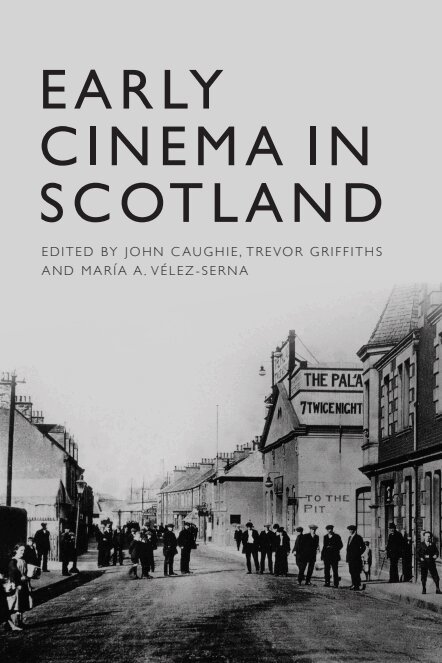
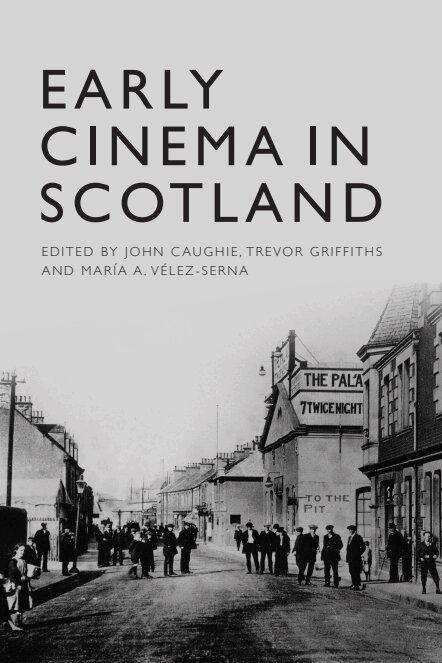
Examines the history of early cinema in Scotland from its inception in 1896 until the 1930sThe popularity of cinema and cinema-going in Scotland was exceptional. By 1929 Glasgow had 127 cinemas, and by 1939 it claimed more cinema seats per capita than any other city in the world. Focusing on the social experience of cinema and cinema-going, this collection of essays provides a detailed context for the history of early cinema in Scotland, from its inception in 1896 until the arrival of sound in the early 1930s. Tracing the movement from travelling fairground shows to the establishment of permanent cinemas in major cities and small towns across the country, the book examines the attempts to establish a sustainable feature film production sector and the significance of an imaginary version of Scotland in international cinema.With case studies of key productions like 'Rob Roy' (1911), early cinema in small towns like Bo'ness, Lerwick and Oban, as well as of the employment patterns in Scottish cinemas, the collection also includes the most complete account of Scottish-themed films produced in Scotland, England, Europe and the USA from 1896 to 1927.Key FeaturesExplores cinema-going in cities and towns across Scotland, large and smallEngages with international debates on the social history of cinemaIncludes a filmography of Scottish-themed films produced in Scotland, England, Europe and the USA from 1896 to 1927
378 kr
Skickas
The popularity of cinema and cinema-going in Scotland was exceptional. By 1929 Glasgow had 127 cinemas, and by 1939 it claimed more cinema seats per capita than any other city in the world. Focusing on the social experience of cinema and cinema-going, this collection of essays provides a detailed context for the history of early cinema in Scotland, from its inception in 1896 until the arrival of sound in the early 1930s. Tracing the movement from travelling fairground shows to the establishment of permanent cinemas in major cities and small towns across the country, the book examines the attempts to establish a sustainable feature film production sector and the significance of an imaginary version of Scotland in international cinema.With case studies of key productions like Rob Roy (1911), early cinema in small towns like Bo’ness, Lerwick and Oban, as well as of the employment patterns in Scottish cinemas, the collection also includes the most complete account of Scottish-themed films produced in Scotland, England, Europe and the USA from 1896 to 1927.
217 kr
Skickas
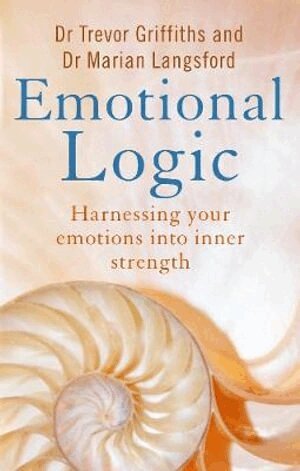
Two former GPs provide a refreshing and liberating medical view of the useful purposes of our unpleasant emotions to move life on with healthy adjustments (E-motion = energy in motion). They show through true stories how anxiety, anger, guilty self-questioning and depressive emptiness, when viewed in a totally different light, are not negative, but are the vital evidence we need to name our hidden personal values. Harnessing emotion into values-based action plans renews inner strength, prevents illness and transforms setbacks, disappointments and hurts into paths to come through stronger.
232 kr
Skickas inom 7-10 vardagar
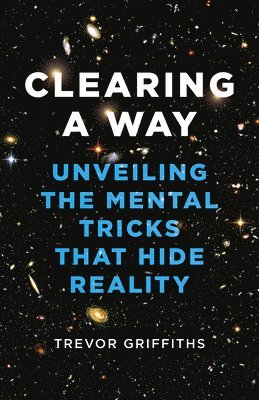
How to make better life-enhancing choices when environments crumble and population shifts disrupt our ways of living? Dr Griffiths takes a deep look at how our brains trick us into seeing the surface of things so that we lose sight of the deep relatedness on which our survival as groups will increasingly depend. Many astonishing insights follow. Body-mind dualism dissolves, as the ecological person moves with others in a renewed group-approach to thriving. Dilemmas in the standard quantum view of matter and spirituality resolve so that groups of people are empowered by the same fusion energy burning in stars to renew their power of creative choice. Human inner heart is restored over mind, to its central place, as personal values reshape the future.
208 kr
Skickas inom 10-15 vardagar
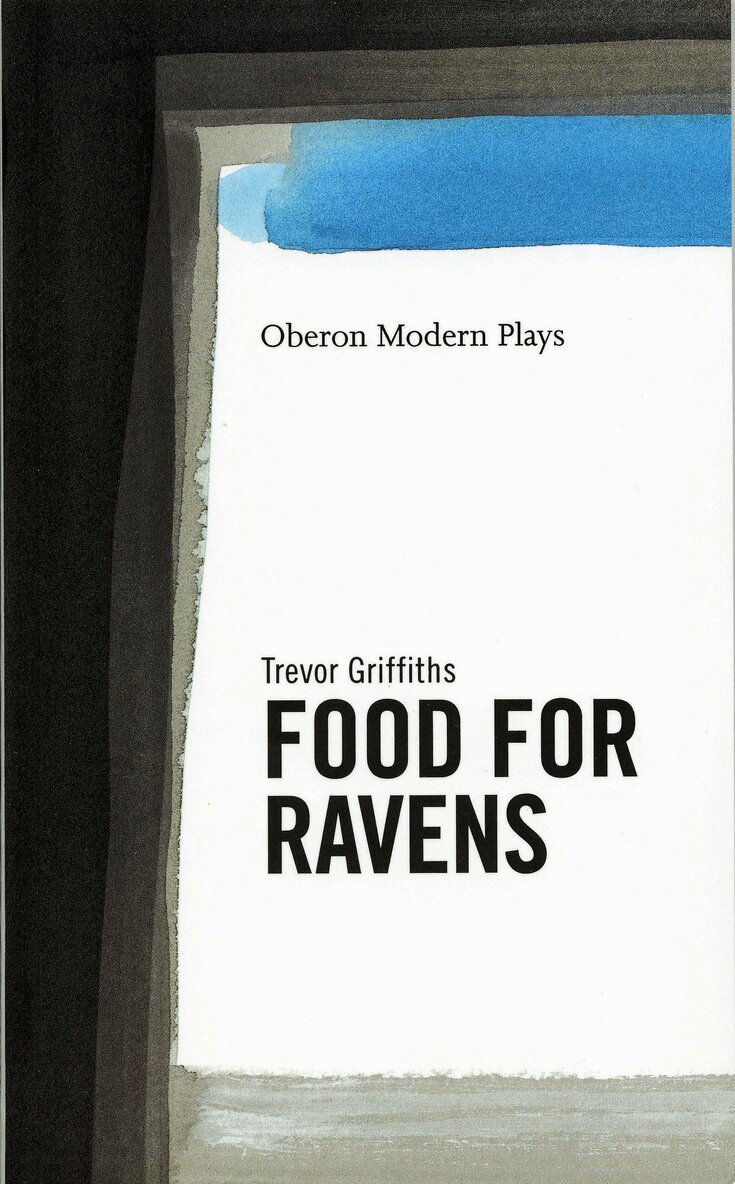
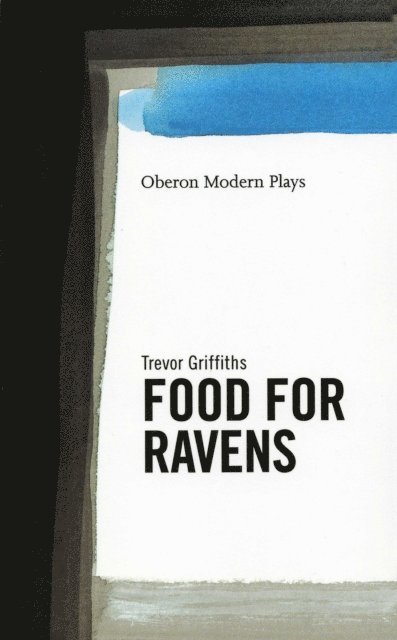
Winner of a Royal Television Society Award, this is the text of the television drama broadcast by the BBC starring Brian Cox and Sinead Cusack. Food for Ravens is a powerful political drama about one of the great politicians of the Twentieth Century, Aneurin (Nye) Bevan.
73 kr
Skickas inom 7-10 vardagar
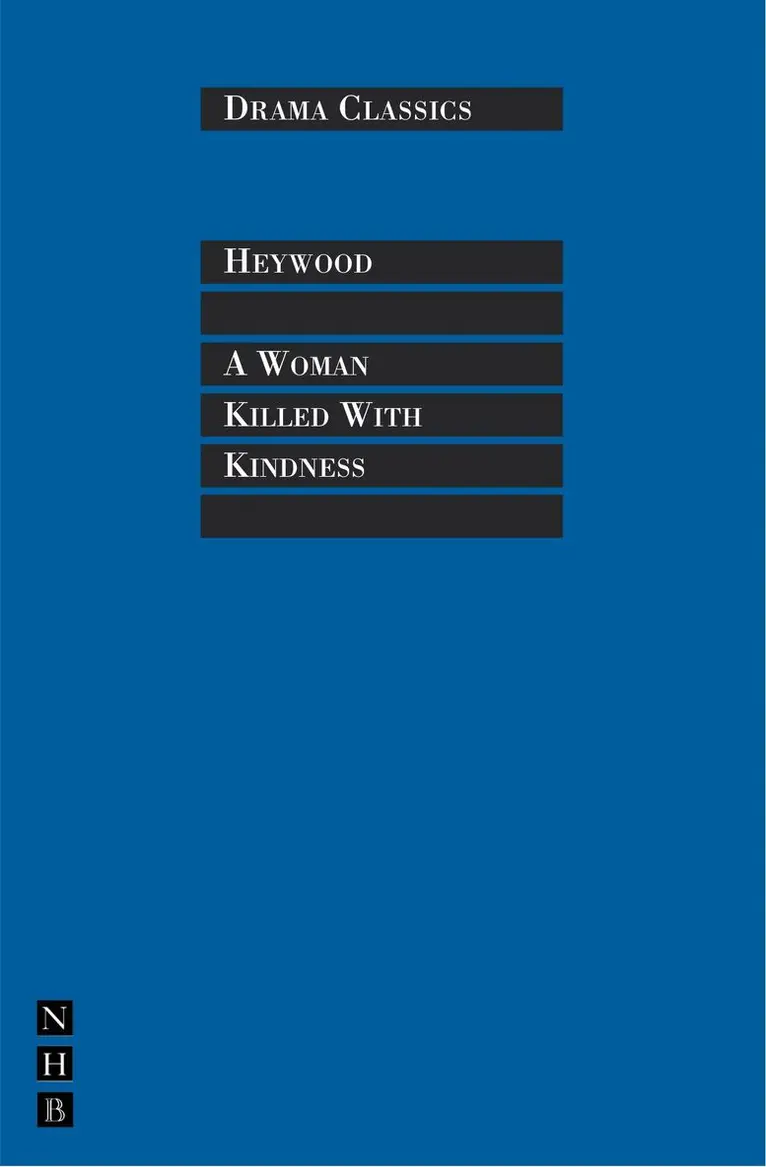
Drama Classics: The World's Great Plays at a Great Little PriceA startling domestic thriller from the seventeenth century, one of the first tragedies ever to be written about ordinary people.Thomas Heywood's play A Woman Killed with Kindness strips bare two women's lives, with forensic realism. It was first performed by Worcester's Men in 1603.This edition, in the Nick Hern Books Drama Classics series, is edited and introduced by Trevor Griffiths.
80 kr
Skickas inom 7-10 vardagar
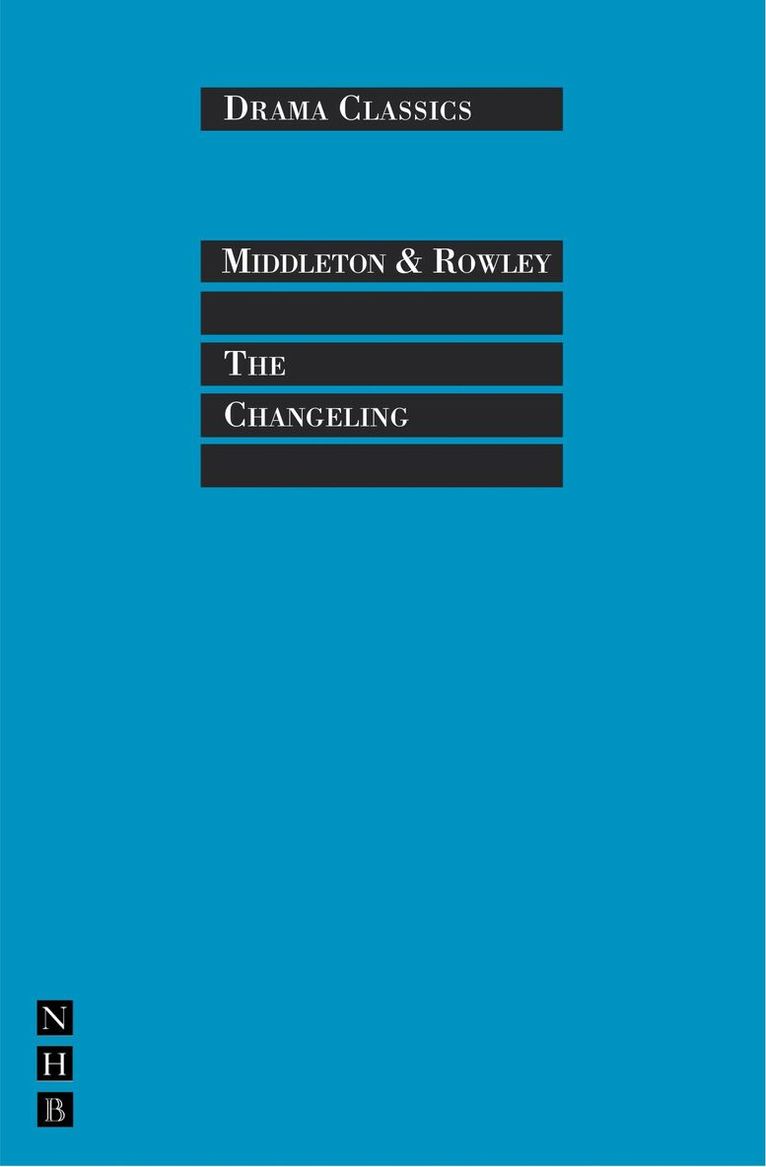
Drama Classics: The World's Great Plays at a Great Little PriceMiddleton and Rowley's masterpiece, a tale of murder, lust, seduction and blackmail in the seventeenth century.Alsemero has fallen in love with the beautiful Beatrice after a chance meeting in a church – but Beatrice has already been promised to another man. Unable to marry the man she loves, she employs the hated De Flores, her father's servant, to murder the man her father bids her marry. As payment, De Flores demands Beatrice. And then things get worse...Thomas Middleton and William Rowley's play The Changeling was mostly likely first performed in 1622.This edition of the play in the Nick Hern Books Drama Classics series is edited and introduced by Trevor Griffiths.Set Text >> The Changeling is a set text for AQA Drama and Theatre Studies A/AS Level, AQA English Literature A/AS Level, OCR English Literature A/AS Level and WJEC English Literature A/AS Level.
80 kr
Skickas inom 7-10 vardagar
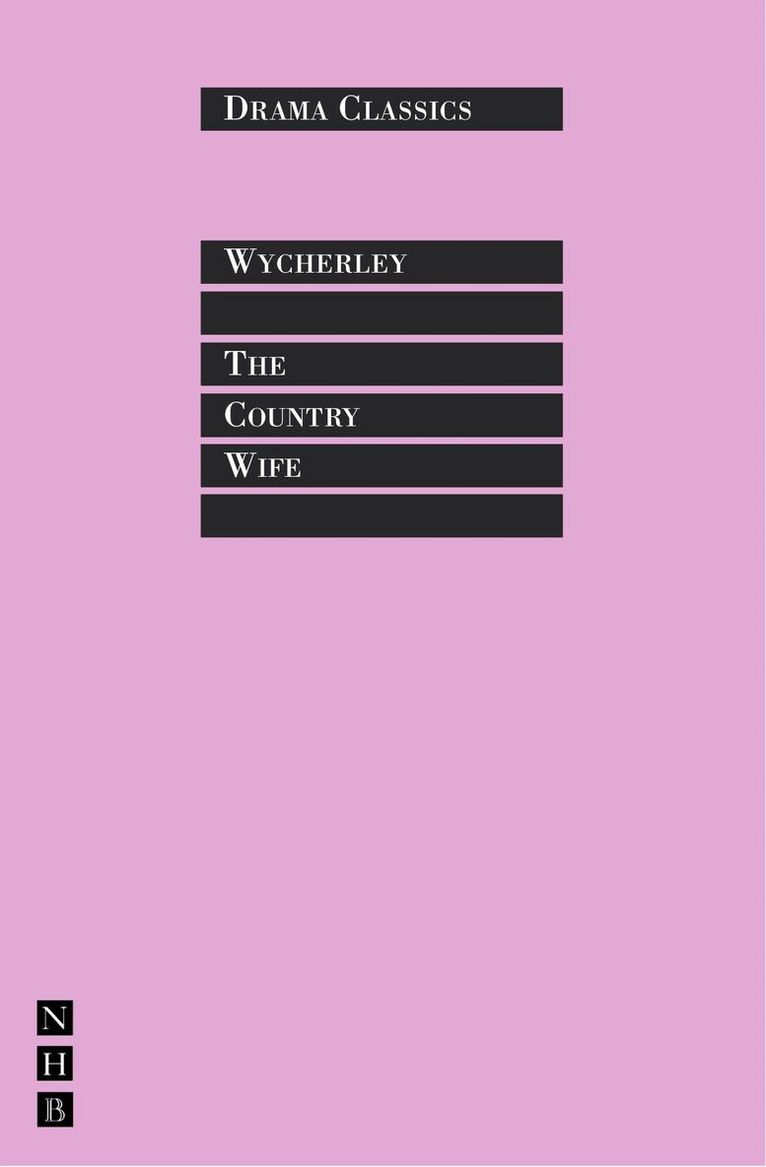
Drama Classics: The World's Great Plays at a Great Little PriceA classically bawdy Restoration Comedy, widely regarded as one of the filthiest and funniest plays ever written.The City of London in the seventeenth century. Harry Horner wants to seduce as many women as possible, but he needs to convince their husbands that he’s physically incapable of any such thing. Cannily, his faux impotence also allows him to sniff out and unmask those respectably virtuous ladies who secretly ache for him.William Wycherley's The Country Wife was first performed in January 1675, by the King's Company, at the Theatre Royal, Drury Lane.