Graeme Morton - Böcker
Visar alla böcker från författaren Graeme Morton. Handla med fri frakt och snabb leverans.
13 produkter
13 produkter
1 943 kr
Skickas inom 10-15 vardagar
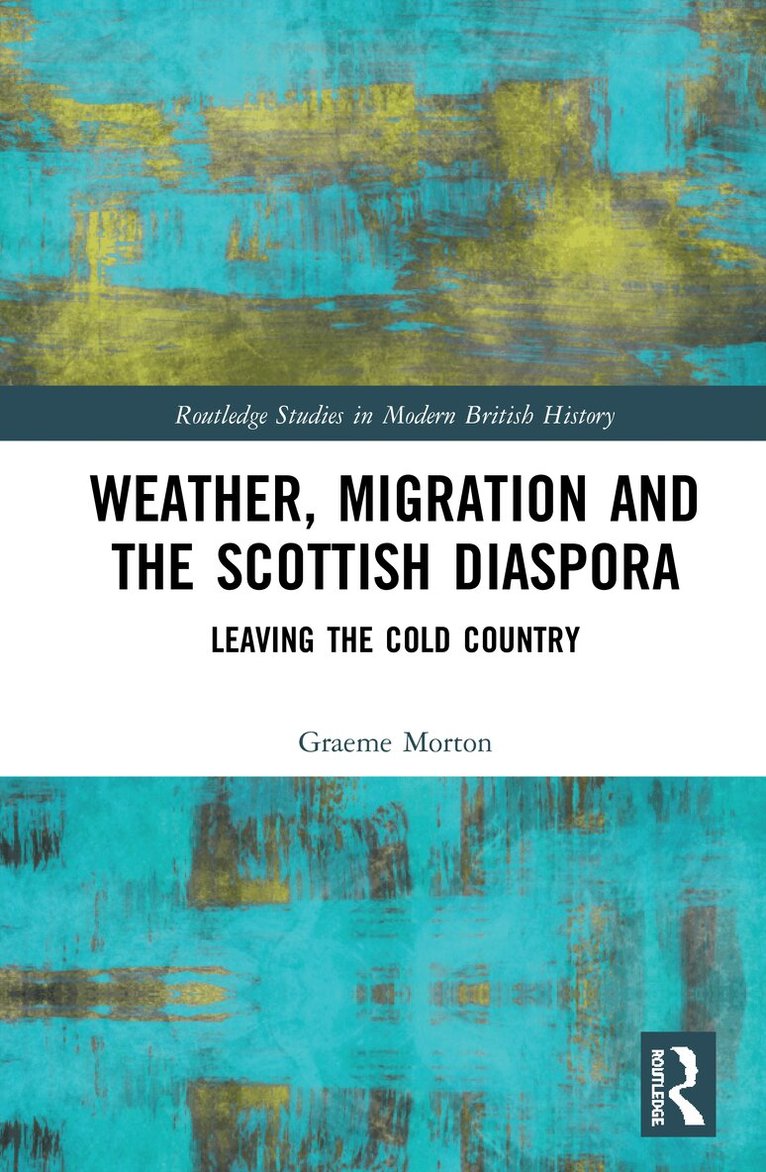
Why did large numbers of Scots leave a temperate climate to live permanently in parts of the world where greater temperature extreme was the norm? The long nineteenth century was a period consistently cooler than now, and Scotland remains the coldest of the British nations. Nineteenth-century meteorologists turned to environmental determinism to explain the persistence of agricultural shortage and to identify the atmospheric conditions that exacerbated the incidence of death and disease in the towns. In these cases, the logic of emigration and the benefits of an alternative climate were compelling. Emigration agents portrayed their favoured climate in order to pull migrants in their direction. The climate reasons, pressures and incentives that resulted in the movement of people have been neither straightforward nor uniform. There are known structural features that contextualize the migration experience, chief among them being economic and demographic factors. By building on the work of historical climatologists, and the availability of long-run climate data, for the first time the emigration history of Scotland is examined through the lens of the nation’s climate. In significant per capita numbers, the Scots left the cold country behind; yet the ‘homeland’ remained an unbreakable connection for the diaspora.
649 kr
Skickas inom 10-15 vardagar
Why did large numbers of Scots leave a temperate climate to live permanently in parts of the world where greater temperature extreme was the norm? The long nineteenth century was a period consistently cooler than now, and Scotland remains the coldest of the British nations. Nineteenth-century meteorologists turned to environmental determinism to explain the persistence of agricultural shortage and to identify the atmospheric conditions that exacerbated the incidence of death and disease in the towns. In these cases, the logic of emigration and the benefits of an alternative climate were compelling. Emigration agents portrayed their favoured climate in order to pull migrants in their direction. The climate reasons, pressures and incentives that resulted in the movement of people have been neither straightforward nor uniform. There are known structural features that contextualize the migration experience, chief among them being economic and demographic factors. By building on the work of historical climatologists, and the availability of long-run climate data, for the first time the emigration history of Scotland is examined through the lens of the nation’s climate. In significant per capita numbers, the Scots left the cold country behind; yet the ‘homeland’ remained an unbreakable connection for the diaspora.
1 799 kr
Skickas inom 3-6 vardagar
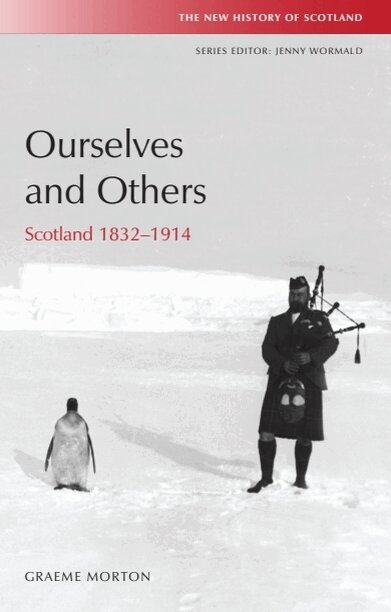
This revised and updated volume in the New History of Scotland series is a blended history of the Scots in a period of major transformation during the industrial era from 1832 to 1914. Examining Scottish society through the lens of development as part of that new identity, Graeme Morton examines the changing nature of society within Scotland and the relentless eddy of historical developments from home and away. Where previous histories of this period have focused on industry, this book will take a closer look at the people that helped to innovate and forge Scottish national identity through technology and opportunity. Identity was a key element in explaining Industrial Scotland and cultural and technological innovations were melded in this foundry of a confident and self-determined nation.Key FeaturesCompletely updated and revised with new researchCharts the birth of the modern Scottish identity in the Victorian and Edwardian eras A social history that discusses sport, leisure, consumption, and material culture of childhood
318 kr
Skickas inom 11-20 vardagar
This revised and updated volume in the New History of Scotland series is a blended history of the Scots in a period of major transformation during the industrial era from 1832 to 1914. Examining Scottish society through the lens of development as part of that new identity, Graeme Morton examines the changing nature of society within Scotland and the relentless eddy of historical developments from home and away. Where previous histories of this period have focused on industry, this book will take a closer look at the people that helped to innovate and forge Scottish national identity through technology and opportunity. Identity was a key element in explaining Industrial Scotland and cultural and technological innovations were melded in this foundry of a confident and self-determined nation.Key FeaturesCompletely updated and revised with new research Charts the birth of the modern Scottish identity in the Victorian and Edwardian eras A social history that discusses sport, leisure, consumption, and material culture of childhood
1 422 kr
Tillfälligt slut
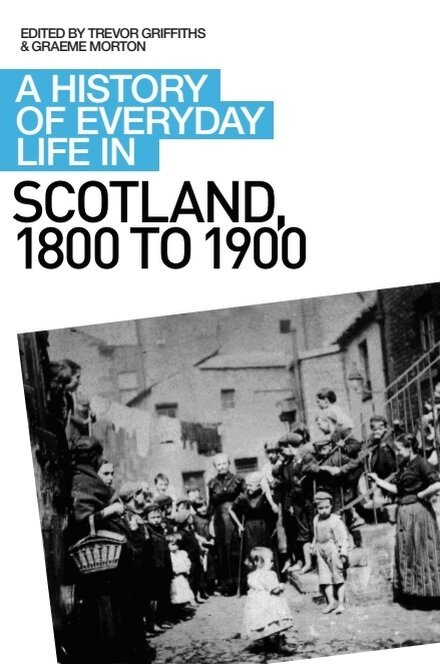
The nineteenth century was a period of profound change in Scottish history. Industrialisation, improved communications, agricultural transformation, country to town migration, upheavals in the church, increased trade, and imperialism – all these affected the pace and rhythm of everyday life across the country. At the same time increased literacy helped to generate new patterns of identity, extending beyond the local to encompass the nation, which challenged certainties of how the world was viewed. With new styles of living came new dangers to the physical and moral health of the population, and increased apprehension of crime and disorder. Industrialisation created opportunities for consumption and recreation but with tangible environmental and economic costs. Rural Scotland adjusted to changes in farming practice and the traumas of population loss and began to look to the opportunities presented by recreation and tourism. The large-scale creation and survival of documentary evidence and records make the study of everyday life during this period practicable in depth for the first time. This volume presents a vivid account that includes the experiences of all the people of Scotland. It draws on every kind of available evidence and on work in social and cultural history, sociology and anthropology.The series will be complete in four volumes. x and x are already available. x is forthcoming.
414 kr
Skickas
The nineteenth century was a period of profound change in Scottish history. Industrialisation, improved communications, agricultural transformation, country to town migration, upheavals in the church, increased trade, and imperialism – all these affected the pace and rhythm of everyday life across the country. At the same time increased literacy helped to generate new patterns of identity, extending beyond the local to encompass the nation, which challenged certainties of how the world was viewed. With new styles of living came new dangers to the physical and moral health of the population, and increased apprehension of crime and disorder. Industrialisation created opportunities for consumption and recreation but with tangible environmental and economic costs. Rural Scotland adjusted to changes in farming practice and the traumas of population loss and began to look to the opportunities presented by recreation and tourism. The large-scale creation and survival of documentary evidence and records make the study of everyday life during this period practicable in depth for the first time. This volume presents a vivid account that includes the experiences of all the people of Scotland. It draws on every kind of available evidence and on work in social and cultural history, sociology and anthropology.The series will be complete in four volumes. x and x are already available. x is forthcoming.
669 kr
Skickas inom 3-6 vardagar
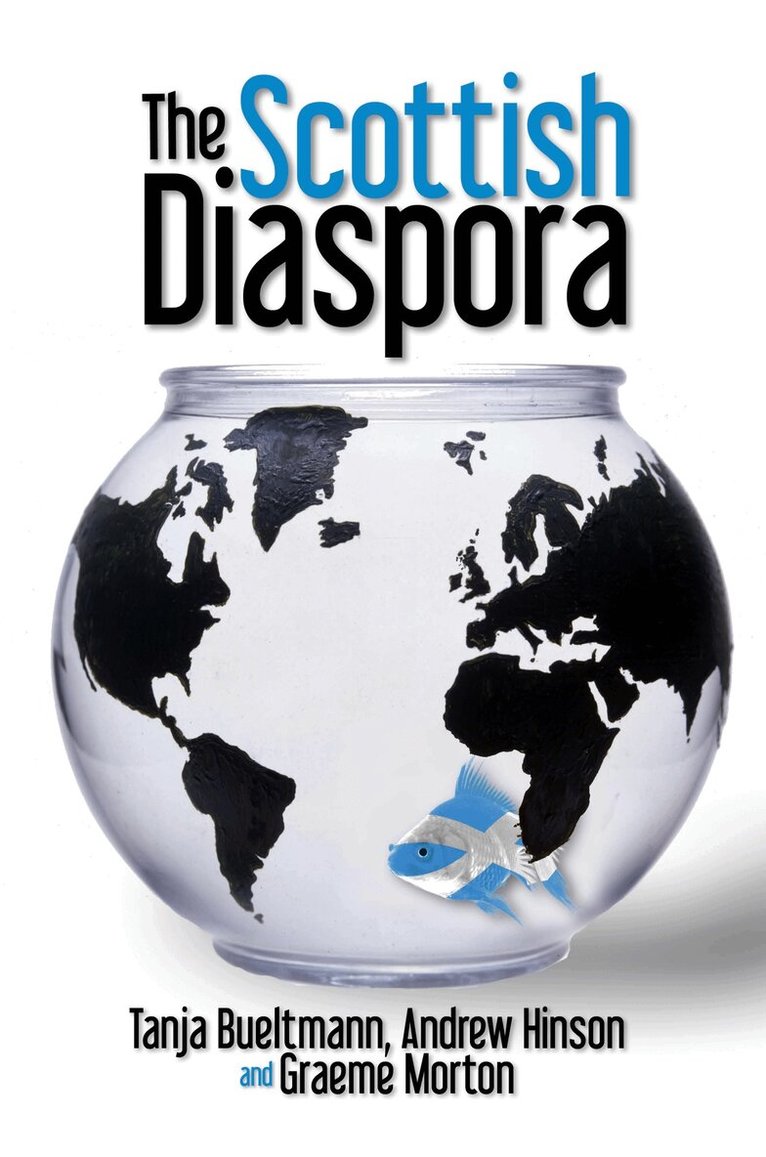
A history of the Scottish diaspora from c.1700 to 1945Did you know that Scotland was one of Europe's main population exporters in the age of mass migration? Or that the Scottish Honours System was introduced as far afield as New Zealand? This comprehensive introductory history of the Scottish diaspora examines these and related issues, exploring the migration of Scots overseas, their experiences in the new worlds in which they settled and the impact of the diaspora on Scotland. Global in scope, the book's distinctive feature is its focus on both the geographies of the Scottish diaspora and key theories, concepts and themes, including associationalism and return migration. By revisiting these themes throughout the chapters, the multifaceted characteristics of 'Scottishness' abroad are unravelled, transcending narrow interpretations that define the Scottish diaspora primarily in terms of the movement of people. Readers will gain an understanding of migration flows and destination countries, but also the imprints and legacies of émigré Scots overseas and at home.Key FeaturesComprehensive overview of Scottish diaspora historySections explaining themes and geographiesInternational in scopeConceptual case studies: England & Ireland; United States; Canada; Africa; Asia; Australia & New Zealand (the Antipodes)
1 174 kr
Skickas inom 7-10 vardagar
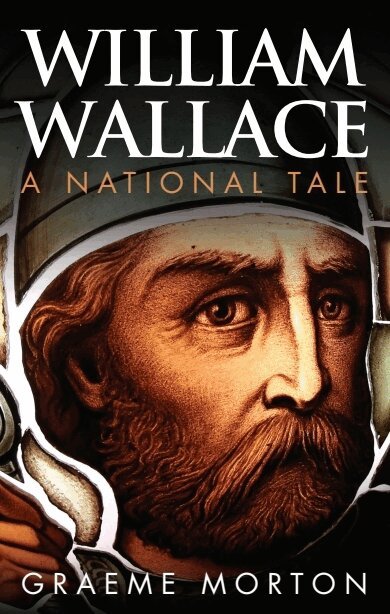
A deconstruction of the national biography and mythology of William WallaceFreed from the historian’s bedrock of empiricism by a lack of corroborative sources, the biography of this short-lived late-medieval patriot has long been incorporated into the ideology of nationalism. It is to explain this assimilation, and to deconstruct the myriad ways that Wallace’s biography has been endlessly refreshed as a national narrative, over many generations, that forms this investigation.William Wallace: A National Tale examines the elision of Wallace’s after-life into narrative ascendency, dominating the ideology and politics of nationalism in Scotland. This narrative is conceptualised as the national tale, a term taken out of its literary moorings to scrutinise how the personal biography of a medieval patriot has been evoked and presented as the nation’s biography over seven centuries of time. Through the verse of Blind Hary, the romance of Jane Porter, to the historical imaginations of Braveheart and Brave, Scotland’s national tale has been forged. This is a fresh, engaging and timely exploration into Wallace’s hold over Scotland’s national mythology.Key FeaturesReappraises William Wallace as a national figureBrings Wallace into the 2014 debateExplores Wallace variously as: A Protestant; A Scottish Chief; A Romantic Hero; a Hollywood HeroExamines Scotland’s obsession with the need for a national hero
344 kr
Skickas inom 7-10 vardagar
A deconstruction of the national biography and mythology of William WallaceFreed from the historian’s bedrock of empiricism by a lack of corroborative sources, the biography of this short-lived late-medieval patriot has long been incorporated into the ideology of nationalism. It is to explain this assimilation, and to deconstruct the myriad ways that Wallace’s biography has been endlessly refreshed as a national narrative, over many generations, that forms this investigation.William Wallace: A National Tale examines the elision of Wallace’s after-life into narrative ascendency, dominating the ideology and politics of nationalism in Scotland. This narrative is conceptualised as the national tale, a term taken out of its literary moorings to scrutinise how the personal biography of a medieval patriot has been evoked and presented as the nation’s biography over seven centuries of time. Through the verse of Blind Hary, the romance of Jane Porter, to the historical imaginations of Braveheart and Brave, Scotland’s national tale has been forged. This is a fresh, engaging and timely exploration into Wallace’s hold over Scotland’s national mythology.Key FeaturesReappraises William Wallace as a national figureBrings Wallace into the 2014 debateExplores Wallace variously as: A Protestant; A Scottish Chief; A Romantic Hero; a Hollywood HeroExamines Scotland’s obsession with the need for a national hero
111 kr
Tillfälligt slut
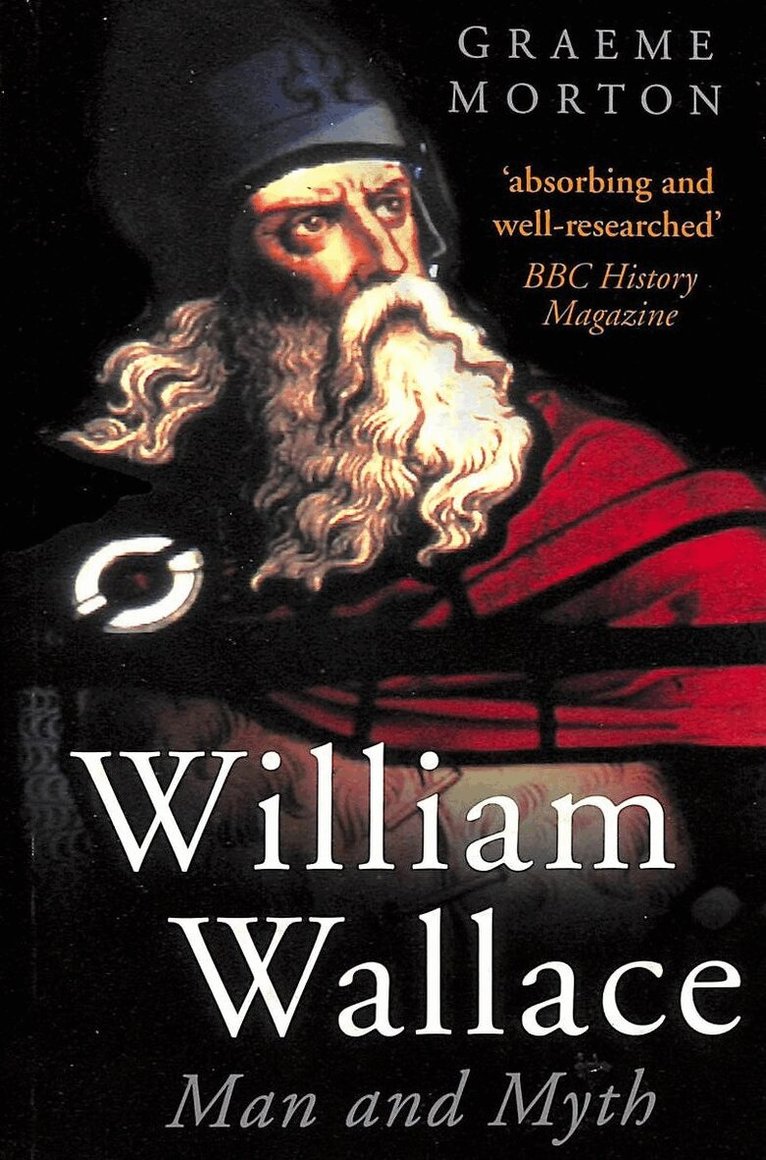
William Wallace is truly prime myth material. The champion of the independence of Scotland, defeated by Edward I and eventually hanged, drawn and quartered in London, he is revered to this day as Scotland's foremost patriot. Since his death, the Wallace cult has travelled far beyond Scotland itself. Yet Wallace's life is little known. The sources are few and have been distorted over nearly seven centuries through a rush of ballads, penny histories and poems.This book, based on the original research of Scottish historian Graeme Morton, examines both the contemporary sources available and the way the many strands of the Wallace myth have been constructed, communicated and appropriated from his death right up to the present day.
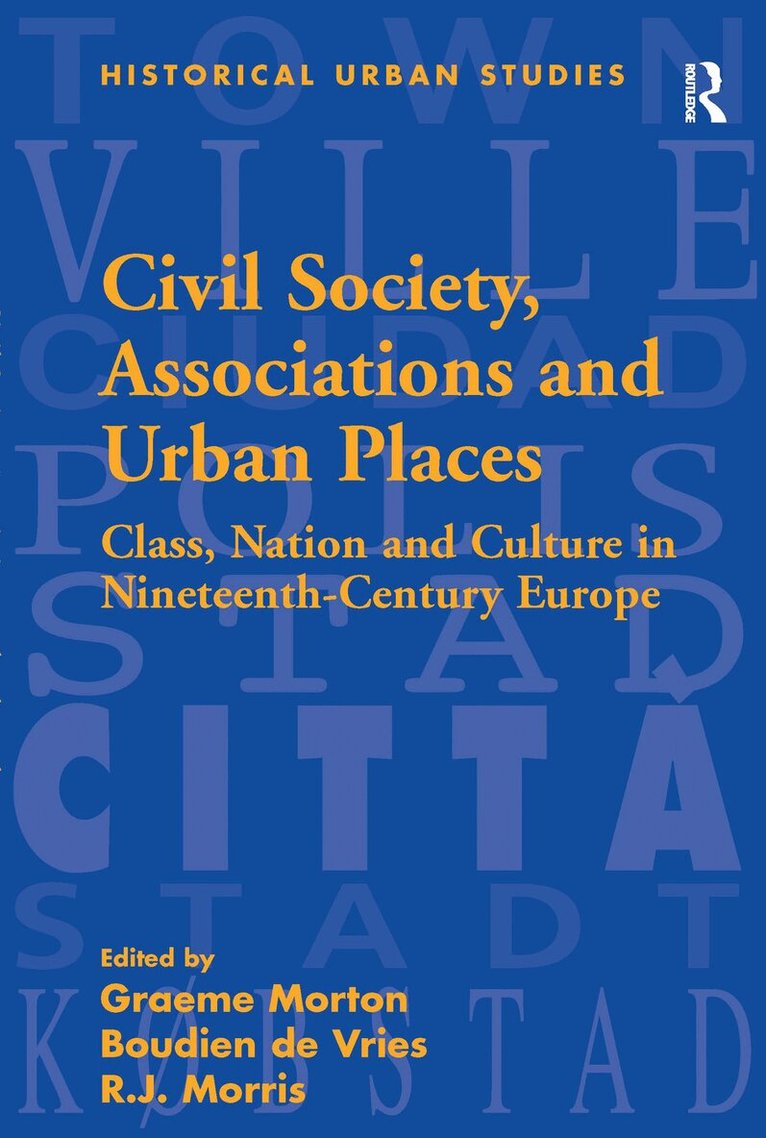
Civil Society, Associations and Urban Places
Class, Nation and Culture in Nineteenth-Century Europe
Inbunden, Engelska, 2006
2 220 kr
Skickas inom 10-15 vardagar
In recent years the concept of 'civil society' has become central to the historian's understanding of class, cultural and political power in the nineteenth-century town and city. Increasingly clubs and voluntary societies have been regarded as an important step in the formation of formal political parties, particularly for the working and middle classes. The result of this is the assertion that the more associations existing in a particular society, the deeper democracy becomes entrenched. In order to test this hypothesis, this volume brings together essays by an international group of urban historians who examine the construction of civil society from associational activity in the urban place. From their studies, it soon becomes clear that such simple propositions do not adequately reflect the dynamics of nineteenth-century urban society and politics. Urban associations were ideological in purpose and deliberately discriminatory and as such set the boundaries of civil society. Thus competing and segmented associations were not only an indication of pluralism and strength, but also highlighted a fundamental weakness when faced down by the interests of the state. Through a wide array of urban associations in a broad range of settings, comprising Austria and Bratislava, France and Italy, the Netherlands, Austro-Hungary, England, Scotland and the US, this volume reflects on the construction of class, nation and culture in the associations of the nineteenth-century urban place. In so doing it shows that a deep and interlocking civil society does not automatically lead to a rise in democratic activity. Expansion of the networks of urban association could equally result in greater subdivision and to the fragmentation and isolation of certain groups. Partition as much as coherence is our understanding of civil society and associations in the nineteenth-century urban place.
2 151 kr
Skickas inom 10-15 vardagar
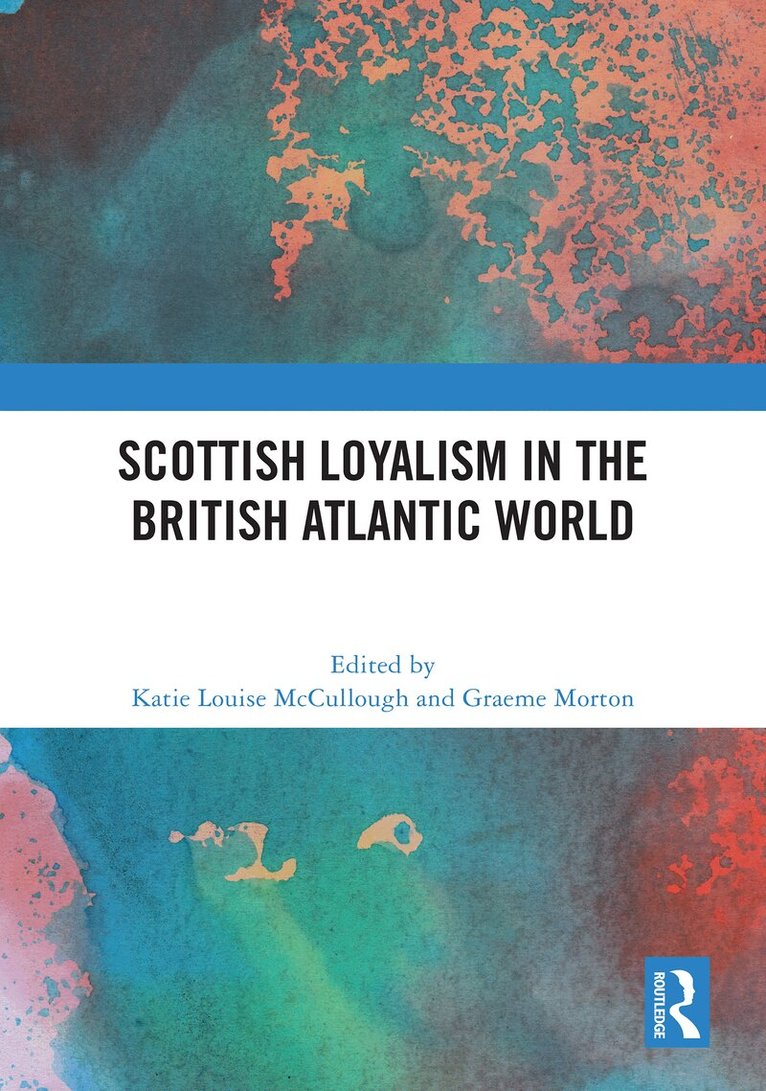
Using recent work on loyalism in Britain, Ireland, and the British Atlantic as a foundation, this book offers a pioneering exploration of Scottish loyalism and explores the many ways in which Scottish loyalists shaped the British Atlantic world in the eighteenth and nineteenth centuries.Scots have yet to be examined as a particular ethnic group in the context of loyalism in the British Atlantic world. However, like many other Britons and other imperial subjects, Scots demonstrated their support for Crown and empire in myriad ways and for myriad reasons. What often united Scottish loyalists was a commitment to counterrevolution and constitutionalism. Yet the story is not so simple. Scottish loyalties, like others, were complex and often antithetical to perceptions about Scots invented by outsiders. Many Scottish loyalists challenged the traditional narrative as they included those who were assumed to be enemies of the Crown such as Highlanders, Catholics, and people for whom neutrality was a failed political strategy. Through a detailed examination of Scottish loyalism, the chapters in this volume highlight the multifaceted nature of Scottish political engagement and identity in an increasingly volatile political age. By examining these different strands of Scottish loyalism, this volume reveals the new histories of Scots and those of Scottish heritage and the contributions they made to a broad and popular political movement on both sides of the Atlantic.The book will be relevant for students and researchers of Scottish history, British imperial studies, loyalism, and Atlantic history. The chapters in this book were originally published as a special issue in Atlantic Studies and are supplemented by a new Preface and Conclusion.
Civil Society, Associations and Urban Places
Class, Nation and Culture in Nineteenth-Century Europe
Häftad, Engelska, 2016
789 kr
Skickas inom 10-15 vardagar
In recent years the concept of 'civil society' has become central to the historian's understanding of class, cultural and political power in the nineteenth-century town and city. Increasingly clubs and voluntary societies have been regarded as an important step in the formation of formal political parties, particularly for the working and middle classes. The result of this is the assertion that the more associations existing in a particular society, the deeper democracy becomes entrenched. In order to test this hypothesis, this volume brings together essays by an international group of urban historians who examine the construction of civil society from associational activity in the urban place. From their studies, it soon becomes clear that such simple propositions do not adequately reflect the dynamics of nineteenth-century urban society and politics. Urban associations were ideological in purpose and deliberately discriminatory and as such set the boundaries of civil society. Thus competing and segmented associations were not only an indication of pluralism and strength, but also highlighted a fundamental weakness when faced down by the interests of the state. Through a wide array of urban associations in a broad range of settings, comprising Austria and Bratislava, France and Italy, the Netherlands, Austro-Hungary, England, Scotland and the US, this volume reflects on the construction of class, nation and culture in the associations of the nineteenth-century urban place. In so doing it shows that a deep and interlocking civil society does not automatically lead to a rise in democratic activity. Expansion of the networks of urban association could equally result in greater subdivision and to the fragmentation and isolation of certain groups. Partition as much as coherence is our understanding of civil society and associations in the nineteenth-century urban place.