Trevor Ngwane - Böcker
Visar alla böcker från författaren Trevor Ngwane. Handla med fri frakt och snabb leverans.
3 produkter
3 produkter
867 kr
Skickas inom 7-10 vardagar
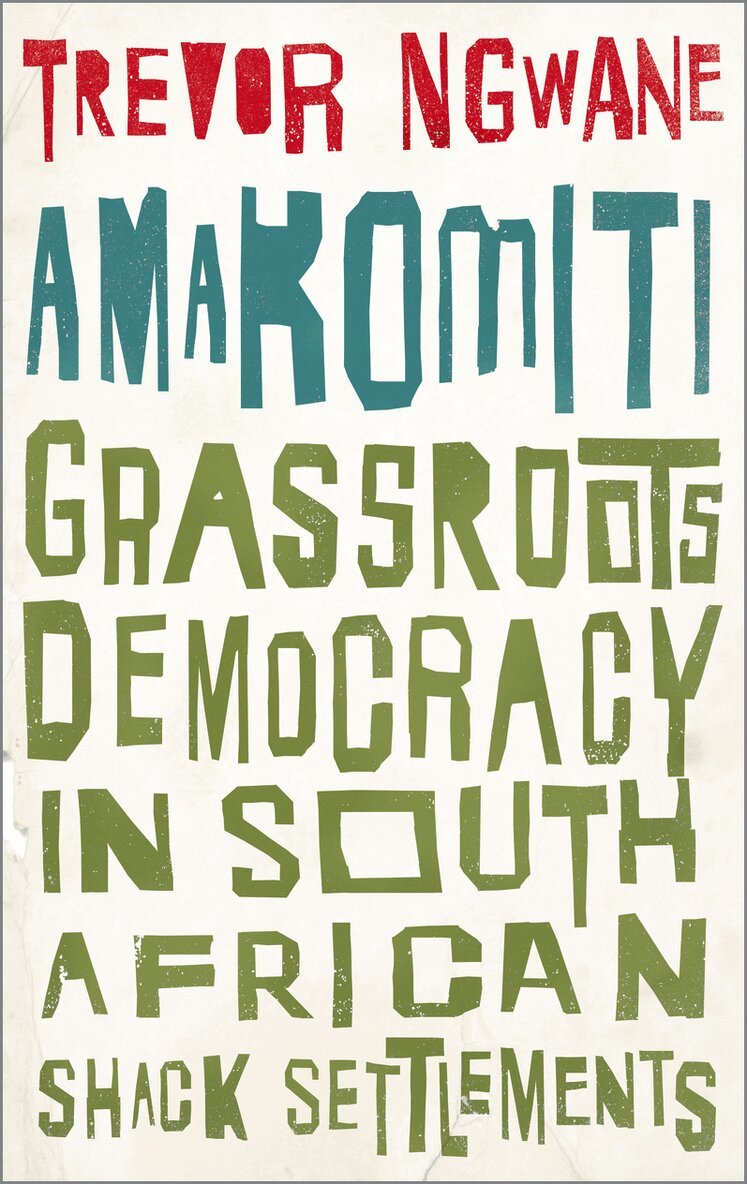
'One of the most exciting and provocative books that I've read in a long time' - Mike Davis, author of Planet of the SlumsCan people who live in shantytowns, shacks and favelas teach us anything about democracy? About how to govern society in a way that is inclusive, participatory and addresses popular needs? This book argues that they can. In a study conducted in dozens of South Africa's shack settlements, where more than 9 million people live, Trevor Ngwane finds thriving shack dwellers' committees that govern local life, are responsive to popular needs and provide a voice for the community. These committees, called 'amakomiti' in the Zulu language, organise the provision of basic services such as water, sanitation, public works and crime prevention especially during settlement establishment. Amakomiti argues that, contrary to common perception, slum dwellers are in fact an essential part of the urban population, whose political agency must be recognised and respected. In a world searching for democratic alternatives that serve the many and not the few, it is to the shantytowns, rather than the seats of political power, that we should turn.
246 kr
Skickas inom 7-10 vardagar
Can people who live in shantytowns, shacks and favelas teach us anything about democracy? About how to govern society in a way that is inclusive, participatory and addresses popular needs? This book argues that they can. In a study conducted in dozens of South Africa's shack settlements, where more than 9 million people live, Trevor Ngwane finds thriving shack dwellers' committees that govern local life, are responsive to popular needs and provide a voice for the community. These committees, called 'amakomiti' in the Zulu language, organise the provision of basic services such as water, sanitation, public works and crime prevention especially during settlement establishment. Amakomiti argues that, contrary to common perception, slum dwellers are in fact an essential part of the urban population, whose political agency must be recognised and respected. In a world searching for democratic alternatives that serve the many and not the few, it is to the shantytowns, rather than the seats of political power, that we should turn.
186 kr
Tillfälligt slut
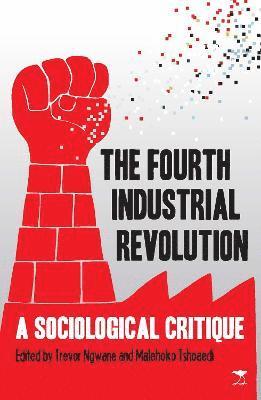
One of the chief concerns regarding the Fourth Industrial Revolution (4IR) technologies is that they are owned and monopolised by advanced capitalist countries. Both between countries and within countries we find ‘the digital divide’. Most of humanity, having little or no access to widespread means of communication and access to information via the internet, will not benefit from the 4IR. The promotion and adoption of these technologies without a plan to address this will lead to a more unequal world. The talk about people changing careers or learning new skills in the face of technologically driven job losses does not consider the differential skills and potentialities among people. Importantly, countries are told to do everything in their power not to be left behind by the 4IR. They are told that they must adopt these technologies come what may, without properly assessing country-specific and class-specific implications, threats and needs. Is there any guarantee that agreeing to and adoption of the Fourth Industrial Revolution technologies by, say, African countries, will not have the same result – leaving them exploited and dominated by those who wield and own the new technologies?