Tsim D. Schneider - Böcker
Visar alla böcker från författaren Tsim D. Schneider. Handla med fri frakt och snabb leverans.
4 produkter
4 produkter
1 051 kr
Skickas inom 10-15 vardagar
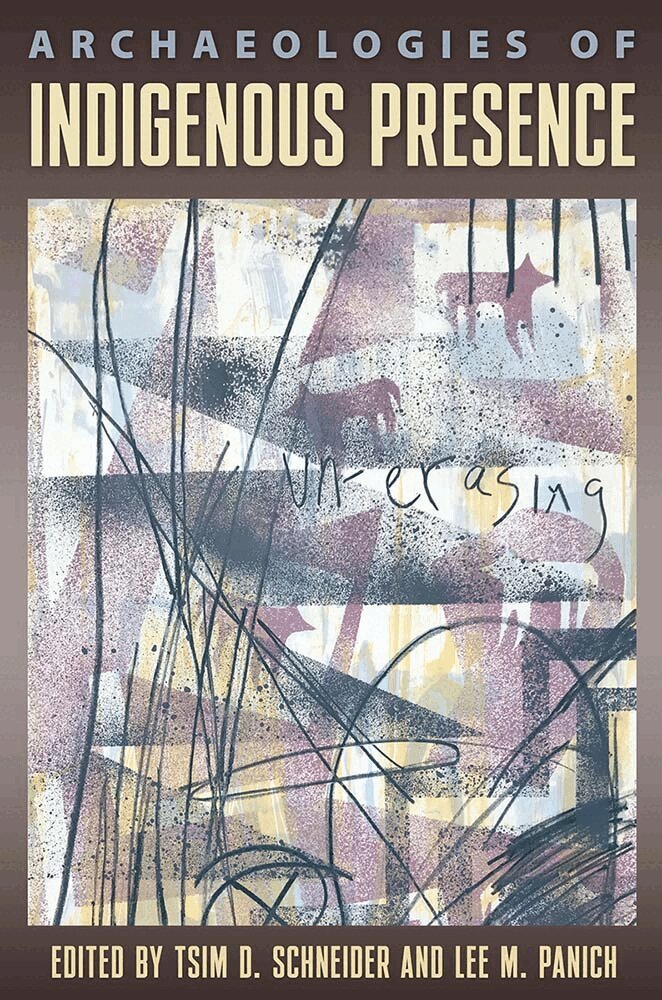
Challenging narratives of Indigenous cultural loss and disappearance that are still prevalent in the archaeological study of colonization, this book highlights collaborative research and efforts to center the enduring histories of Native peoples in North America through case studies from several regions across the continent.The contributors to this volume, including Indigenous scholars and Tribal resource managers, examine different ways that archaeologists can center long-term Indigenous presence in the practices of fieldwork, laboratory analysis, scholarly communication, and public interpretation. These conversations range from ways to reframe colonial encounters in light of Indigenous persistence to the practicalities of identifying poorly documented sites dating to the late nineteenth century.In recognizing Indigenous presence in the centuries after 1492, this volume counters continued patterns of unknowing in archaeology and offers new perspectives on decolonizing the field. These essays show how this approach can help expose silenced histories, modeling research practices that acknowledge Tribes as living entities with their own rights, interests, and epistemologies.
296 kr
Skickas inom 10-15 vardagar
Highlighting collaborative archaeological research that centers the enduring histories of Native peoples in North AmericaChallenging narratives of Indigenous cultural loss and disappearance that are still prevalent in the archaeological study of colonization, this book highlights collaborative research and efforts to center the enduring histories of Native peoples in North America through case studies from several regions across the continent.The contributors to this volume, including Indigenous scholars and Tribal resource managers, examine different ways that archaeologists can center long-term Indigenous presence in the practices of fieldwork, laboratory analysis, scholarly communication, and public interpretation. These conversations range from ways to reframe colonial encounters in light of Indigenous persistence to the practicalities of identifying poorly documented sites dating to the late nineteenth century.In recognizing Indigenous presence in the centuries after 1492, this volume counters continued patterns of unknowing in archaeology and offers new perspectives on decolonizing the field. These essays show how this approach can help expose silenced histories, modeling research practices that acknowledge Tribes as living entities with their own rights, interests, and epistemologies.
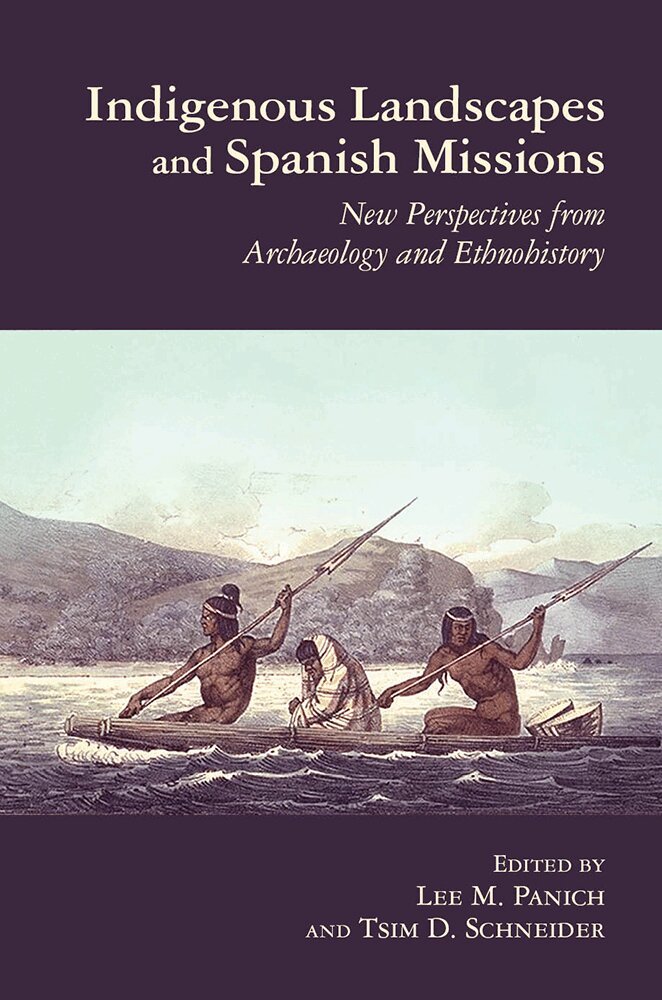
Indigenous Landscapes and Spanish Missions
New Perspectives from Archaeology and Ethnohistory
Inbunden, Engelska, 2014
630 kr
Skickas inom 7-10 vardagar
Spanish missions in North America were once viewed as confining and stagnant communities, with native peoples on the margins of the colonial enterprise. Recent archaeological and ethnohistorical research challenges that notion. Indigenous Landscapes and Spanish Missions considers how native peoples actively incorporated the mission system into their own dynamic existence. The book, written by diverse scholars and edited by Lee M. Panich and Tsim D. Schneider, covers missions in the Spanish borderlands from California to Texas to Georgia.Offering thoughtful arguments and innovative perspectives, the editors organized the book around three interrelated themes. The first section explores power, politics, and belief, recognizing that Spanish missions were established within indigenous landscapes with pre-existing tensions, alliances, and belief systems. The second part, addressing missions from the perspective of indigenous inhabitants, focuses on their social, economic, and historical connections to the surrounding landscapes. The final section considers the varied connections between mission communities and the world beyond the mission walls, including examinations of how mission neophytes, missionaries, and colonial elites vied for land and natural resources.Indigenous Landscapes and Spanish Missions offers a holistic view on the consequences of missionisation and the active negotiation of missions by indigenous peoples, revealing cross-cutting perspectives into the complex and contested histories of the Spanish borderlands. This volume challenges readers to examine deeply the ways in which native peoples negotiated colonialism not just inside the missions themselves but also within broader indigenous landscapes. This book will be of interest to archaeologists, historians, tribal scholars, and anyone interested in indigenous encounters with colonial institutions.
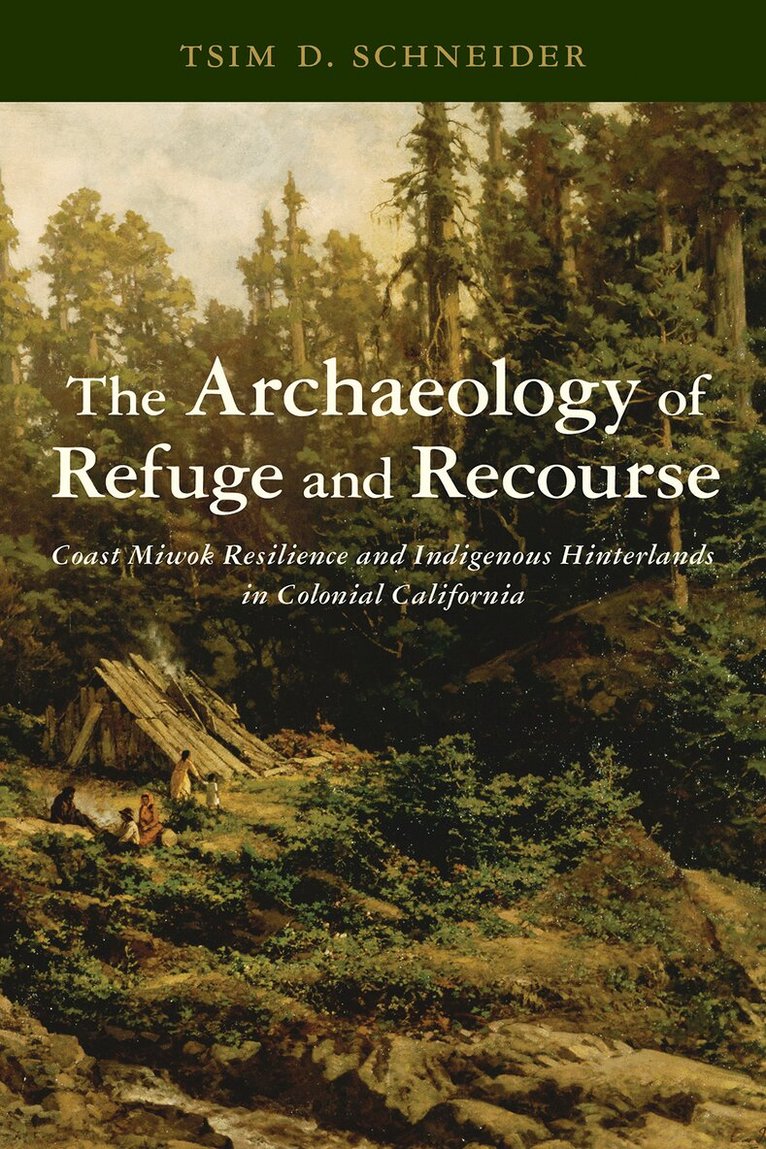
Archaeology of Refuge and Recourse
Coast Miwok Resilience and Indigenous Hinterlands in Colonial California
Häftad, Engelska, 2022
332 kr
Skickas inom 7-10 vardagar
The Archaeology of Refuge and Recourse explores the dual practices of refuge and recourse among Indigenous peoples of California. From the eighteenth to the twentieth century, Indigenous Coast Miwok communities in California persisted throughout multiple waves of colonial intrusion. But to what ends?Applying theories of place and landscape, social memory, and mobility to the analysis of six archaeological sites, Tsim D. Schneider argues for a new direction in the archaeology of colonialism. This book offers insight about the critical and ongoing relationships Indigenous people maintained to their homelands despite colonization and systematic destruction of their cultural sites.Schneider is a citizen of the Federated Indians of Graton Rancheria, the sovereign and federally recognized tribe of Coast Miwok and Southern Pomo people whose ancestral homelands and homewaters are the central focus of The Archaeology of Refuge and Recourse. Viewing this colonial narrative from an Indigenous perspective, Schneider focuses on the nearly one quarter of Coast Miwok people who survived the missions and created outlets within and beyond colonial settlements to resist and endure colonialism.Fleeing these colonial missions and other establishments and taking refuge around the San Francisco Bay Area, Coast Miwok people sought to protect their identities by remaining connected to culturally and historically significant places. Mobility and a sense of place further enabled Coast Miwok people to find recourse and make decisions about their future through selective participation in colonial projects. In this book, Tsim D. Schneider argues that these distancing and familiarizing efforts contribute to the resilience of Coast Miwok communities and a sense of relevance and belonging to stolen lands and waters. Facing death, violence, and the pervading uncertainty of change, Indigenous people of the Marin Peninsula balanced the pull and persistence of place against the unknown possibilities of a dynamic colonial landscape and the forward-thinking required to survive. History, change, and the future can be read in the story of Coast Miwok people.