Tzvi Novick – författare
Visar alla böcker från författaren Tzvi Novick. Handla med fri frakt och snabb leverans.
5 produkter
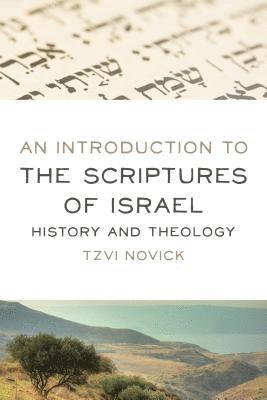
Introduction to the Scriptures of Israel
History and Theology
Av Tzvi Novick
Häftad, 2018
322 kr
Lägg i varukorg
In this distinctive textbook for Hebrew Bible courses, author Tzvi Novick’s approach is thematic rather than chronological. Sorting the books according to their historical context, theological claims, and literary conventions, Novick examines and elucidates the historical and intellectual …
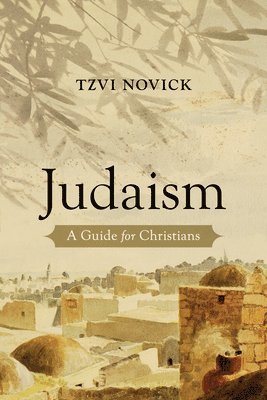
Judaism
A Guide for Christians
Av Tzvi Novick
Häftad, 2025
335 kr
Lägg i varukorg
An innovative introduction to Judaism and the Jewish people for Christian readers In this fascinating and highly original book, Tzvi Novick introduces readers to foundational features of Jewish theology by explaining its similarities to and differences from Christian theology. Novick also leads …
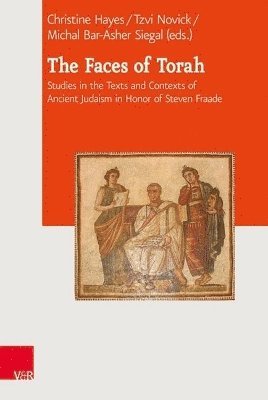
Faces of Torah
Studies in the Texts and Contexts of Ancient Judaism in Honor of Steven Fraade
Av Christine Hayes, Tzvi Novick m. fl.
Inbunden, 2021
2635 kr
Lägg i varukorg
This volume is a festschrift in honor of Steven Fraade, the Mark Taper Professor of the History of Judaism at Yale University. The contributions to the volume, written by colleagues and former students of Professor Fraade, reflect many of his scholarly interests. The scholarly credentials of the …
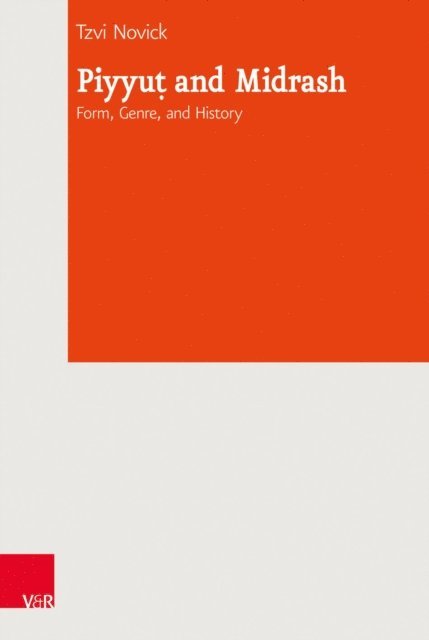
Piyyuṭ and Midrash
Form, Genre, and History
Av Tzvi Novick
Inbunden, 2018
1726 kr
Lägg i varukorg
Novick studies the relationship between rabbinic midrash and classical (and to a lesser extent pre-classical) piyyut?. The first focuses on features of piyyut? that distinguish it, at least prima facie, from rabbinic midrash: its performative character, its formal constraints, and its character as …
Piyyut and Midrash
Form, Genre, and History
Av Tzvi Novick
E-bok, 2018
1121 kr
Lägg i varukorg
Novick studies the relationship between rabbinic midrash and classical (and to a lesser extent pre-classical) piyyut?. The first focuses on features of piyyut? that distinguish it, at least prima facie, from rabbinic midrash: its performative character, its formal constraints, and its character as …