Ulrich Meve - Böcker
Visar alla böcker från författaren Ulrich Meve. Handla med fri frakt och snabb leverans.
3 produkter
3 produkter
1 130 kr
Skickas inom 10-15 vardagar
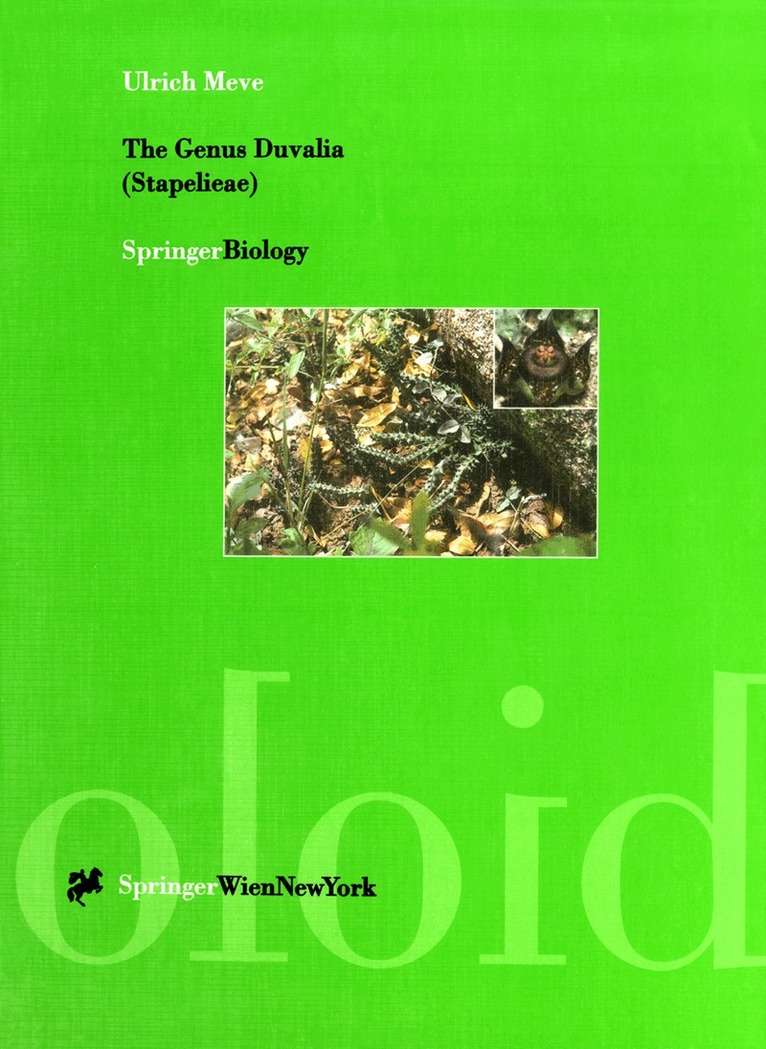
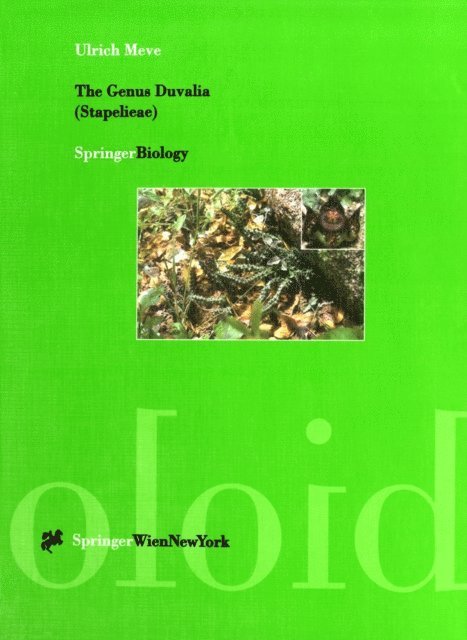
Dr ULRICH MEVE'S book on Duvalia, one of the 30 genera comprising the group of stem-succulent Asclepiadaceae, is a piece of well-done research. The text is supported by excellent illustrations comprising full-page drawings and photo graphs making this monograph a very practicable contribution for both profes sional and amateur botanists. Dr MEVE'S species delimitations are mainly based on morphological, karyological and biogeographical studies, and therefore easy to follow. His taxonomic and well-established biogeographic conclusions have been supported by field observations in southern and eastern Africa. Without doubt, this book represents one of the best and most intensive monographs ever published for the Asclepiadaceae. The studies of Dr MEVE were initiated at my former chair of systematic botany in Kiel, the former work place of the renowned succulent plants specialist Dr H. JACOBSEN and the karyologist Prof. G. REEsE. Dr MEVE has been involved with Asclepiadaceae research for more than ten years, and his work is characterized by a meticulousness typical of him. He has made himself a name amongst colleagues as well as plant lovers by his remarkable number of scientific and popular publications, which are not restricted to succulent Asclepiadaceae.
3 149 kr
Skickas inom 10-15 vardagar
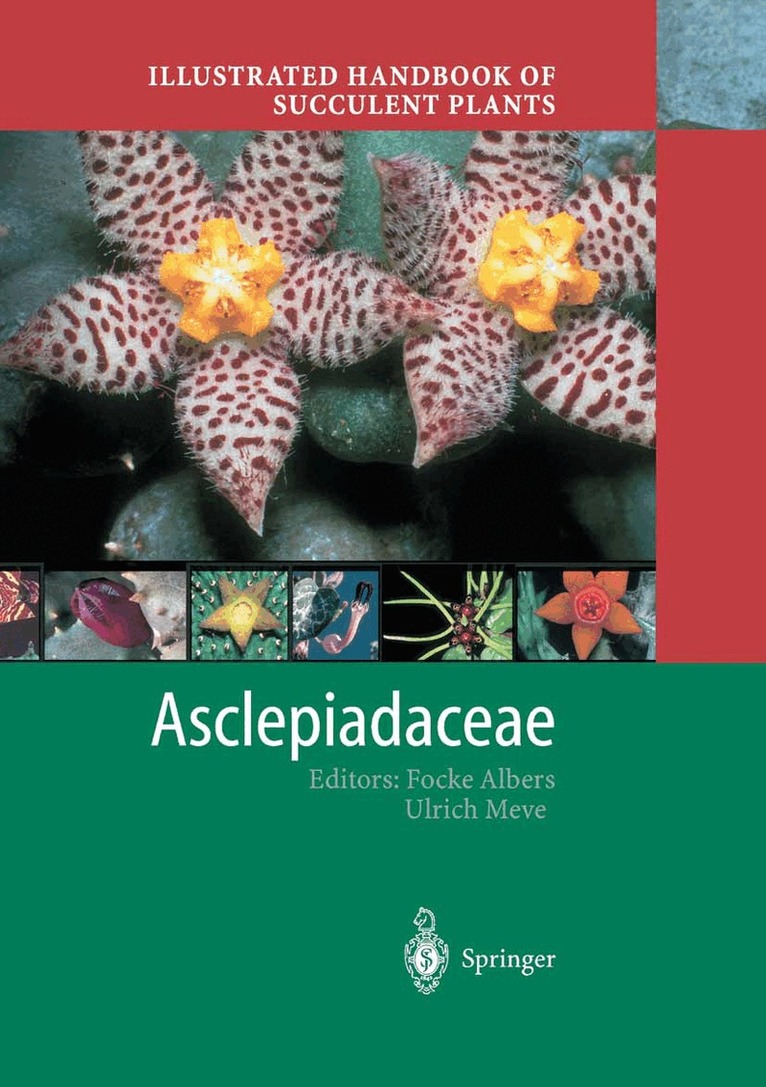
With theconstant flow of plant species that reached Europe inthetimes of the great expeditions th th inthe 18 and 19 century,the demandf for anyf form of cataloguing thesteadily growingdiv- sity became unevitable. Succulent plants always fascinated plant-loving people above average, th and the first handbooks devoted to succulents were publishedin the19 century. Initially, h- ever,interest was focussed on the Cactaceae. It was only in 1954/55 when Herman Jacobsen (1898 - 1978), the former curator of the Botanic Garden of Kiel,madeavailablea first handbook devoted to succulents (excl. Cactaceae),the "Handbuchder sukkulenten Pflanzen". An abridged version of this handbook was publishedby Jacobsen as "Sukkulentenlexikon" in 1970. It included descriptions,synonymies and numerous illustrations. The"Sukkulentenlexikon" represented the long-awaited reference work supportingboth Botanical Gardens as well as amateur or prof- sionalgrowers inthe navigation through succulent plant diversity. AnEnglish edition followedin 1975 as "Succulent Lexicon", and a revised German edition was publishedin 1981.This second edition hadbeen finished by Jacobsen's successor inKiel,Klaus Hesselbarth,who,with regard to the Asclepiadaceae, was supportedby the senior editor of the present publication. Over twentyyears have passed since then, and the knowlegdeof succulent plants has increased permanently. Wesaw monographsoff formerly little-known groups and many revisions and - revisions, which often change the taxonomy withinsingle groups considerably. A large amount of new taxa has been published on one hand, and on the other hand, many taxa have been sunk into synonymy.
2 101 kr
Skickas inom 10-15 vardagar
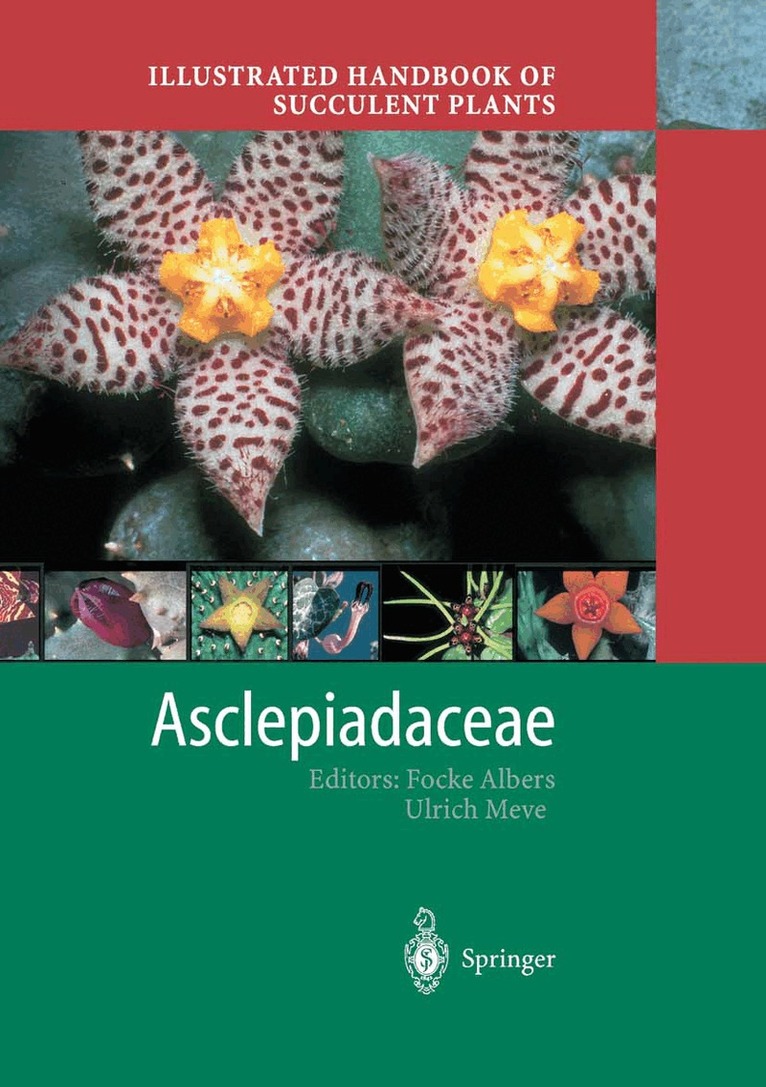
With theconstant flow of plant species that reached Europe inthetimes of the great expeditions th th inthe 18 and 19 century,the demandf for anyf form of cataloguing thesteadily growingdiv- sity became unevitable. Succulent plants always fascinated plant-loving people above average, th and the first handbooks devoted to succulents were publishedin the19 century. Initially, h- ever,interest was focussed on the Cactaceae. It was only in 1954/55 when Herman Jacobsen (1898 - 1978), the former curator of the Botanic Garden of Kiel,madeavailablea first handbook devoted to succulents (excl. Cactaceae),the "Handbuchder sukkulenten Pflanzen". An abridged version of this handbook was publishedby Jacobsen as "Sukkulentenlexikon" in 1970. It included descriptions,synonymies and numerous illustrations. The"Sukkulentenlexikon" represented the long-awaited reference work supportingboth Botanical Gardens as well as amateur or prof- sionalgrowers inthe navigation through succulent plant diversity. AnEnglish edition followedin 1975 as "Succulent Lexicon", and a revised German edition was publishedin 1981.This second edition hadbeen finished by Jacobsen's successor inKiel,Klaus Hesselbarth,who,with regard to the Asclepiadaceae, was supportedby the senior editor of the present publication. Over twentyyears have passed since then, and the knowlegdeof succulent plants has increased permanently. Wesaw monographsoff formerly little-known groups and many revisions and - revisions, which often change the taxonomy withinsingle groups considerably. A large amount of new taxa has been published on one hand, and on the other hand, many taxa have been sunk into synonymy.