Ute Lotz-Heumann - Böcker
Visar alla böcker från författaren Ute Lotz-Heumann. Handla med fri frakt och snabb leverans.
5 produkter
5 produkter
2 176 kr
Skickas inom 10-15 vardagar
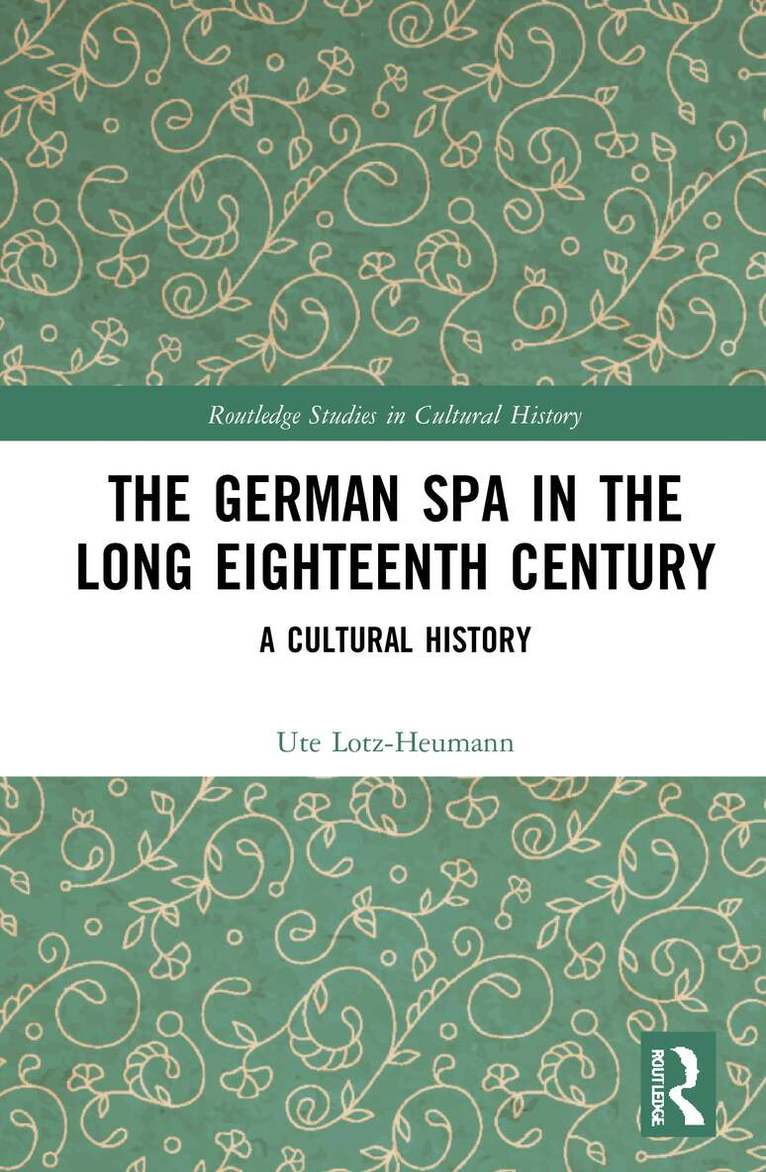
Shifting the focus from the medical use of spas to their cultural and social functions, this study shows that eighteenth- and early nineteenth-century German spas served a vital role as spaces where new ways of perceiving the natural environment and conceptualizing society were disseminated. Although spas continued to be places of health and healing, their function and perception in central Europe changed fundamentally around the middle of the eighteenth century. This transformation of the role of the spa occurred in two ways. First, the spa popularized a new perception of the landscape with a preference for mountains and the seacoast, forming the basis for the cultural assumptions underlying modern tourism. Second, contemporaries perceived spas as meeting places comparable to institutions of Enlightenment sociability like coffeehouses, salons, and Masonic lodges. Spas were conceived as spaces where the nobility and the bourgeoisie could interact on an equal footing, thereby overcoming the constraints of early modern social boundaries. These changes were negotiated through both personal interactions at spas and an increasingly sophisticated published spa discourse. The late eighteenth- and early nineteenth-century German spa thus helped to bring about social and cultural modernity.
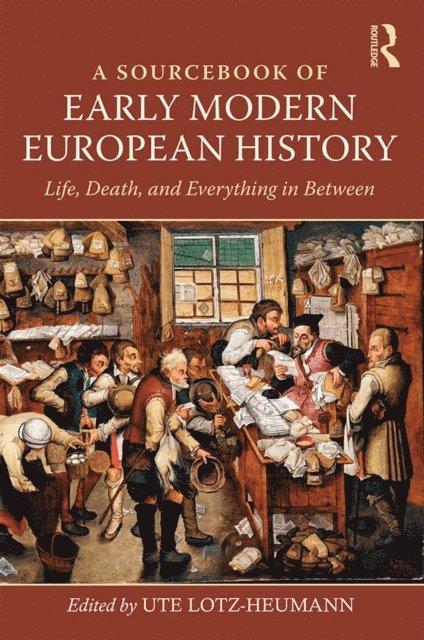
Sourcebook of Early Modern European History
Life, Death, and Everything in Between
Inbunden, Engelska, 2019
2 176 kr
Skickas inom 10-15 vardagar
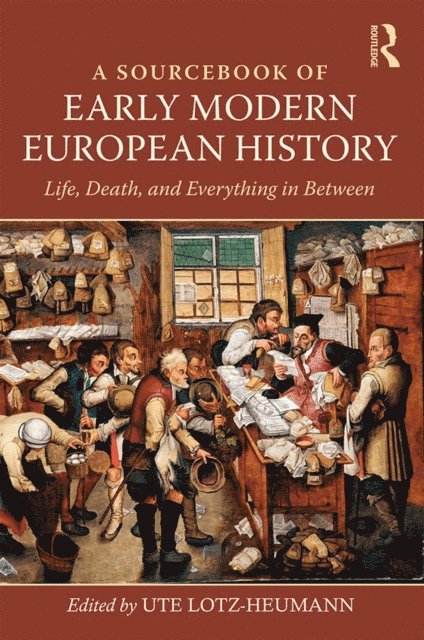
A Sourcebook of Early Modern European History not only provides instructors with primary sources of a manageable length and translated into English, it also offers students a concise explanation of their context and meaning.By covering different areas of early modern life through the lens of contemporaries’ experiences, this book serves as an introduction to the early modern European world in a way that a narrative history of the period cannot. It is divided into six subject areas, each comprising between twelve and fourteen explicated sources: I. The fabric of communities: Social interaction and social control; II. Social spaces: Experiencing and negotiating encounters; III. Propriety, legitimacy, fi delity: Gender, marriage, and the family; IV. Expressions of faith: Offi cial and popular religion; V. Realms intertwined: Religion and politics; and, VI. Defining the religious other: Identities and conflicts.Spanning the period from c. 1450 to c. 1750 and including primary sources from across early modern Europe, from Spain to Transylvania, Italy to Iceland, and the European colonies, this book provides an excellent sense of the diversity and complexity of human experience during this time whilst drawing attention to key themes and events of the period. It is ideal for students of early modern history, and of early modern Europe in particular.
Sourcebook of Early Modern European History
Life, Death, and Everything in Between
Häftad, Engelska, 2019
651 kr
Skickas inom 10-15 vardagar
A Sourcebook of Early Modern European History not only provides instructors with primary sources of a manageable length and translated into English, it also offers students a concise explanation of their context and meaning.By covering different areas of early modern life through the lens of contemporaries’ experiences, this book serves as an introduction to the early modern European world in a way that a narrative history of the period cannot. It is divided into six subject areas, each comprising between twelve and fourteen explicated sources: I. The fabric of communities: Social interaction and social control; II. Social spaces: Experiencing and negotiating encounters; III. Propriety, legitimacy, fi delity: Gender, marriage, and the family; IV. Expressions of faith: Offi cial and popular religion; V. Realms intertwined: Religion and politics; and, VI. Defining the religious other: Identities and conflicts.Spanning the period from c. 1450 to c. 1750 and including primary sources from across early modern Europe, from Spain to Transylvania, Italy to Iceland, and the European colonies, this book provides an excellent sense of the diversity and complexity of human experience during this time whilst drawing attention to key themes and events of the period. It is ideal for students of early modern history, and of early modern Europe in particular.
595 kr
Skickas inom 10-15 vardagar
Shifting the focus from the medical use of spas to their cultural and social functions, this study shows that eighteenth- and early nineteenth-century German spas served a vital role as spaces where new ways of perceiving the natural environment and conceptualizing society were disseminated. Although spas continued to be places of health and healing, their function and perception in central Europe changed fundamentally around the middle of the eighteenth century. This transformation of the role of the spa occurred in two ways. First, the spa popularized a new perception of the landscape with a preference for mountains and the seacoast, forming the basis for the cultural assumptions underlying modern tourism. Second, contemporaries perceived spas as meeting places comparable to institutions of Enlightenment sociability like coffeehouses, salons, and Masonic lodges. Spas were conceived as spaces where the nobility and the bourgeoisie could interact on an equal footing, thereby overcoming the constraints of early modern social boundaries. These changes were negotiated through both personal interactions at spas and an increasingly sophisticated published spa discourse. The late eighteenth- and early nineteenth-century German spa thus helped to bring about social and cultural modernity.
Del 13 - Spätmittelalter, Humanismus, Reformation / Studies in the Late Middle Ages, Humanism, and the Reformation
Die doppelte Konfessionalisierung in Irland
Konflikt und Koexistenz im 16. und in der ersten Hälfte des 17. Jahrhunderts
Inbunden, Tyska, 2000
2 358 kr
Tillfälligt slut
Ute Lotz-Heumann untersucht die irische Geschichte des 16. und der ersten Hälfte des 17. Jahrhunderts aus dem Blickwinkel der Konfessionalisierung. In Irland stieß seit dem späten 16. Jahrhundert eine von der protestantischen Staatskirche und dem englischen Staat getragene 'Konfessionalisierung von oben' auf eine von den gälischen und altenglischen Eliten und der katholischen Untergrundkirche getragene 'Konfessionalisierung von unten'. Diese doppelte Konfessionalisierung Irlands hatte zur Folge, daß zwei Konfessionalisierungsprozesse in einem politischen Raum aufeinander trafen und gewissermaßen aneinander scheiterten. Die irische Geschichte der ersten Hälfte der Frühen Neuzeit verlief infolge dessen zwischen den beiden Polen 'Konflikt' und 'Koexistenz'. Zuerst untersucht und periodisiert Ute Lotz-Heumann die Wechselwirkung zwischen den Konfessionsbildungen und dem von England an Irland herangetragenen Staatsbildungsprozeß, der in Kolonialisierung umschlug. Anschließend erörtert sie den Prozeß der doppelten Konfessionalisierung anhand der folgenden Teilbereiche: Identität, Sprache, Propaganda und Geschichtsschreibung - Multiplikatoren und soziale Netzwerke - Erziehung, Bildung und Bildungsinstitutionen - Konfessionsbildung und Disziplinierung in einer konfessionellen Konkurrenzsituation.