Utkarsh Jain – författare
Visar alla böcker från författaren Utkarsh Jain. Handla med fri frakt och snabb leverans.
5 produkter
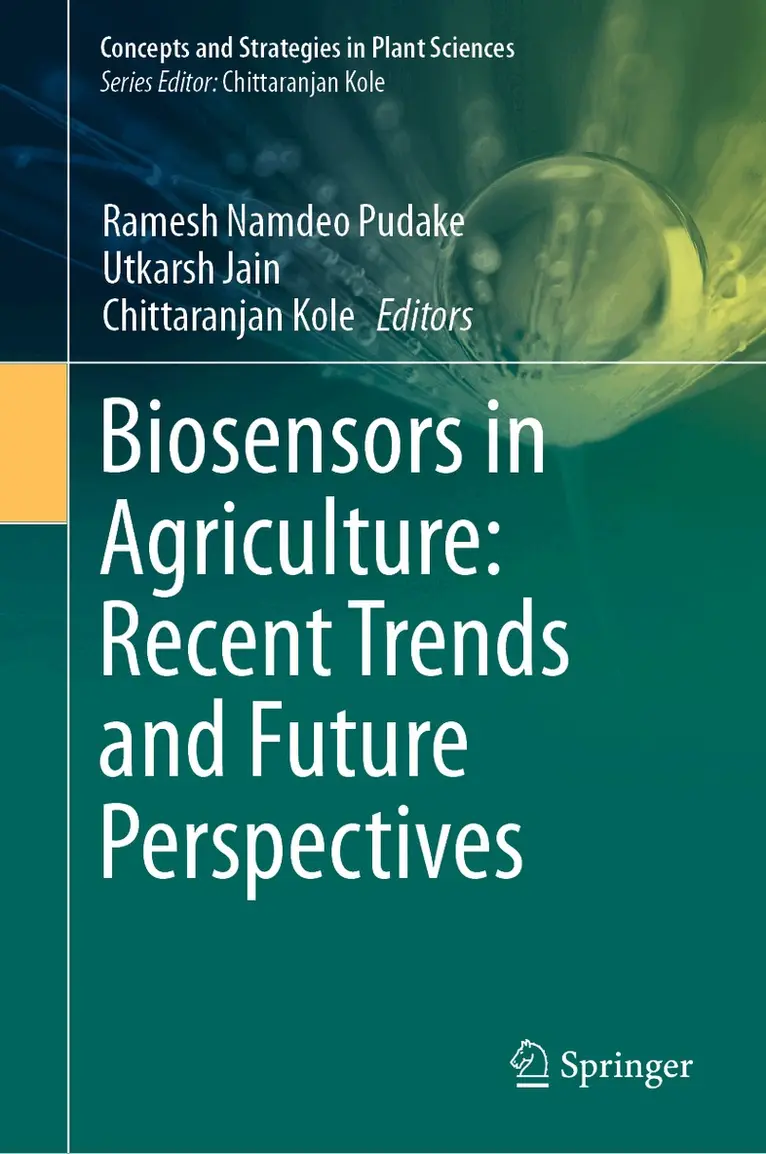
Biosensors in Agriculture: Recent Trends and Future Perspectives
Av Ramesh Namdeo Pudake, Utkarsh Jain m. fl.
Inbunden, 2021
2185 kr
Lägg i varukorg
This book reviews the application of nanosensors in food and agriculture. Nanotechnology has the potential to become transformative technology that will impact almost all sectors. Tools like nanosensors, which detect specific molecular interactions, can be used for on-site, in-situ and online …
Biosensors in Agriculture: Recent Trends and Future Perspectives
Av Ramesh Namdeo Pudake, Utkarsh Jain m. fl.
Häftad, 2022
2185 kr
Lägg i varukorg
This book reviews the application of nanosensors in food and agriculture. Nanotechnology has the potential to become transformative technology that will impact almost all sectors. Tools like nanosensors, which detect specific molecular interactions, can be used for on-site, in-situ and online …
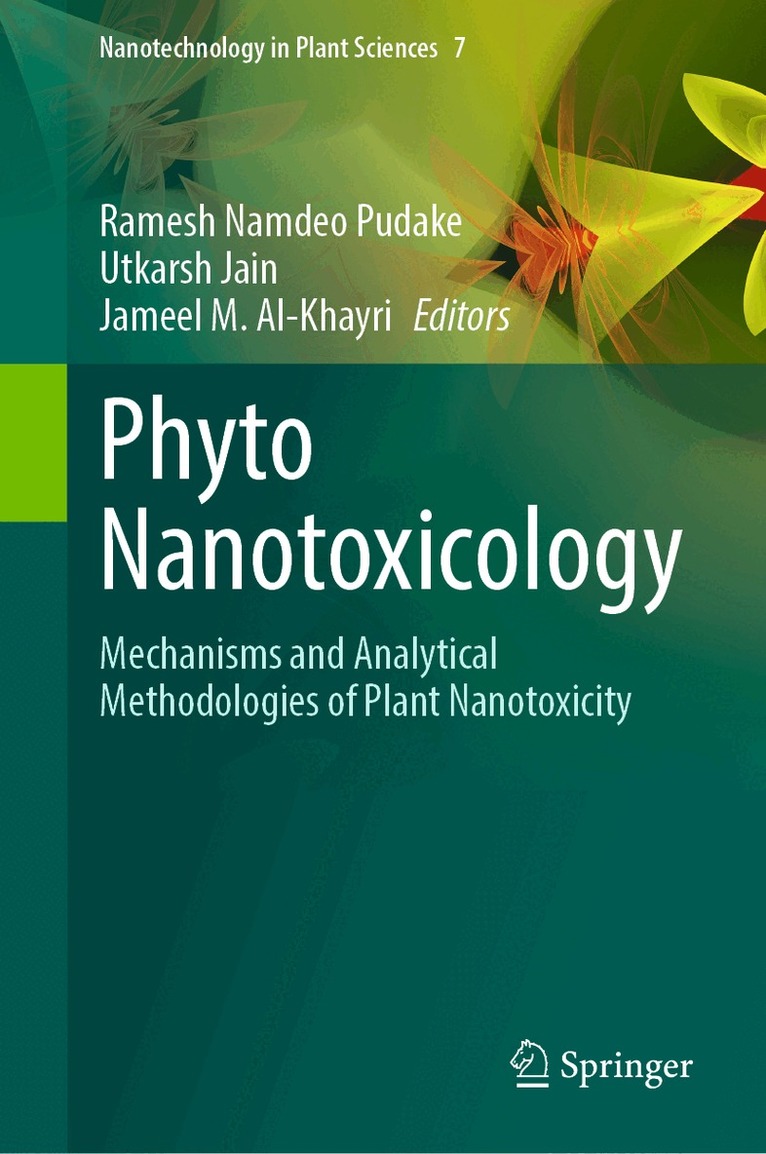
Phyto Nanotoxicology
Mechanisms and Analytical Methodologies of Plant Nanotoxicity
Av Ramesh Namdeo Pudake, Utkarsh Jain m. fl.
Inbunden, 2026
1967 kr
Lägg i varukorg
Engineered nanomaterials have become relevant in large-scale industrial applications and are used in many common devices and products. Their intentional and non-intentional release into the environment may have negative effects in terms of the health of humans and plants. There is increasing …
Phyto Nanotoxicology
Mechanisms and Analytical Methodologies of Plant Nanotoxicity
Av Jameel M. Al-Khayri, Utkarsh Jain m. fl.
E-bok, 2026
2543 kr
Lägg i varukorg
Engineered nanomaterials have become relevant in large-scale industrial applications and are used in many common devices and products. Their intentional and non-intentional release into the environment may have negative effects in terms of the health of humans and plants. There is increasing …
Phyto Nanotoxicology
Plant Responses to Nanoparticles Toxicity
Av Ramesh Namdeo Pudake, Utkarsh Jain m. fl.
Inbunden, 2027
2143 kr
Kommande
Phyto nanotoxicology is the branch of toxicology responsible for describing the effects of nanomaterials on plants and assessing the consequences resulting from their use. This second volume explores the mechanisms and biochemical changes that have occurred in plants when exposed to an overdose of …