V. Mitch McEwen - Böcker
Visar alla böcker från författaren V. Mitch McEwen. Handla med fri frakt och snabb leverans.
4 produkter
4 produkter
231 kr
Skickas inom 7-10 vardagar
1 106 kr
Skickas inom 7-10 vardagar
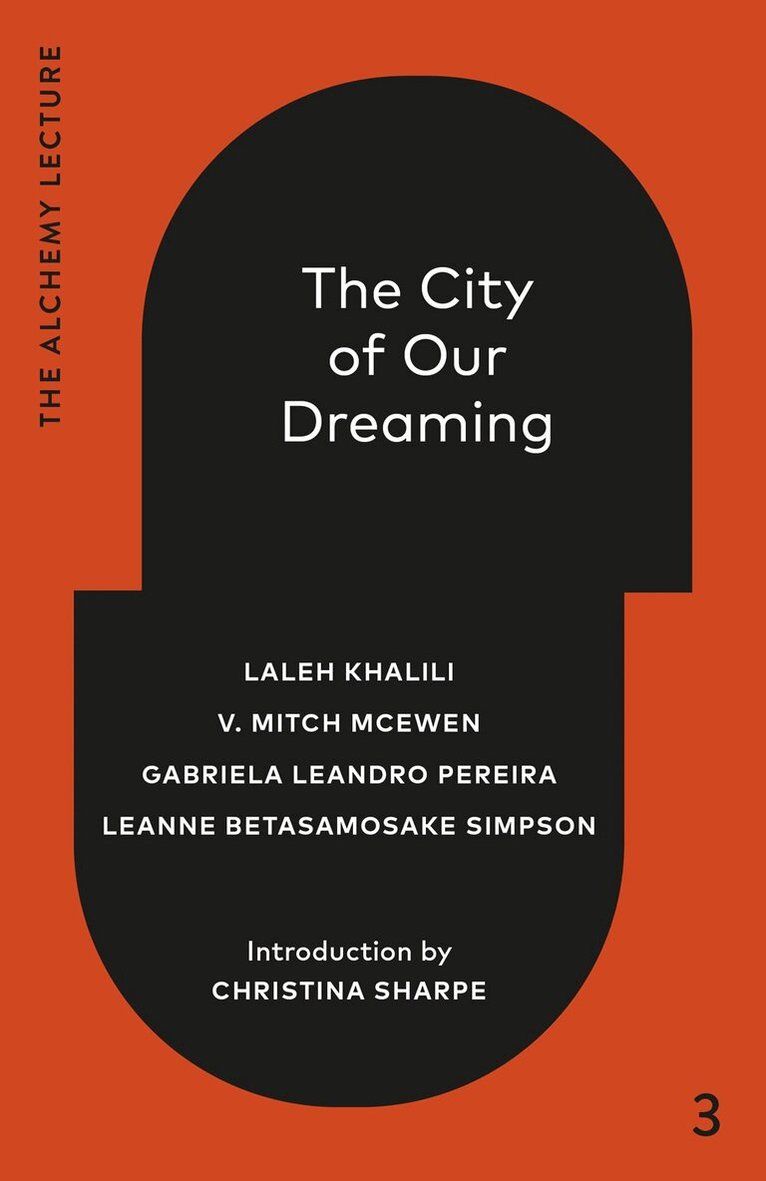
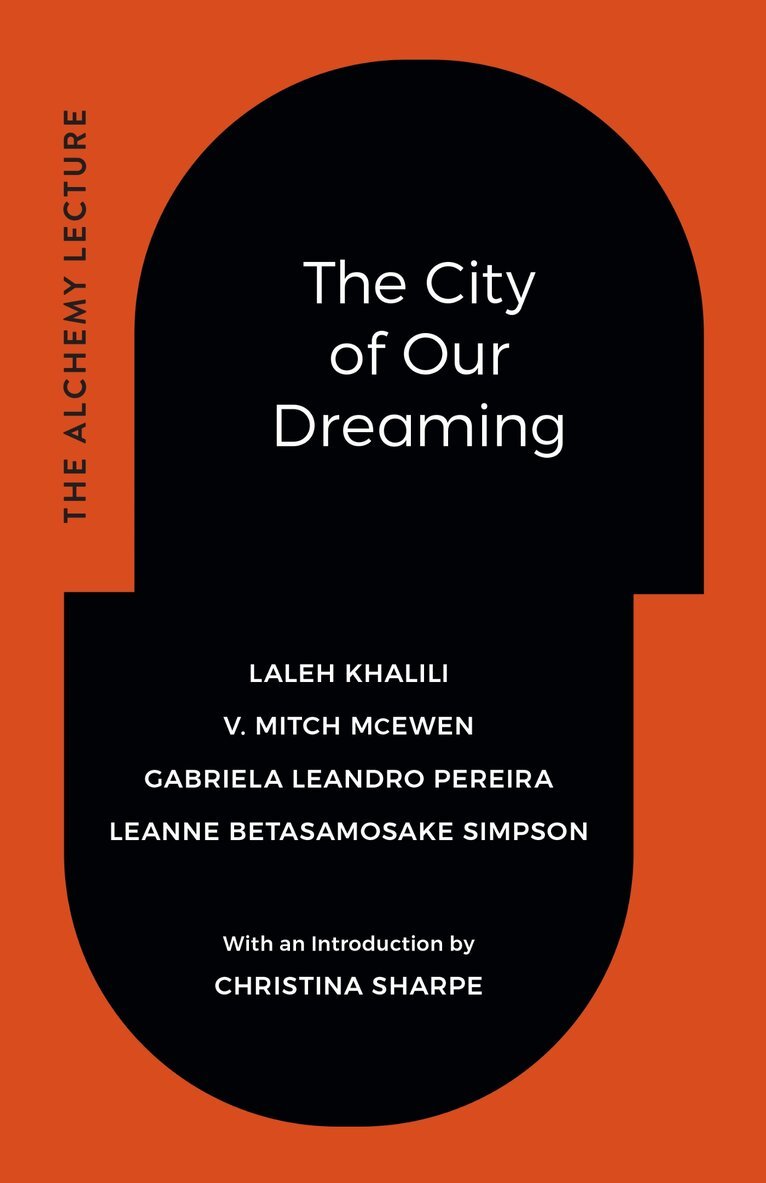
The second annual Alchemy Lecture brought together four “Alchemists”—thinkers and practitioners working across disciplines and geographies—to share a constellation of ideas for the future. Their urgent, poignant and inventive lectures comprise The City of Our Dreaming, which shares their ideas for cities and how to shape them according to community needs. Together, V. Mitch McEwen, Laleh Khalili, Gabriela Leandro Pereira, and Michi Saagiig Nishnaabeg writer and musician Leanne Betasamosake Simpson, offer new models for crafting architectures of freedom in disparate imaginative spaces. From suggesting a city modeled on buoyancy that reconsiders displacement and a dream of radical kinship and bonds through reciprocal giving, to “projects paved by the audacity to inhabit” that are built from dreams—the site from which all Black emancipation begins—and the ways collectives form at the thresholds between things, The City of our Dreaming is a clarion calls for new conceptions of city life. The Alchemists imagine the architectures and infrastructures that make possible, inevitable and irresistible gestures of freedom, modes of sustenance, and the necessity and pleasure of breaking bread, together.
272 kr
Skickas inom 7-10 vardagar
197 kr
Skickas inom 7-10 vardagar
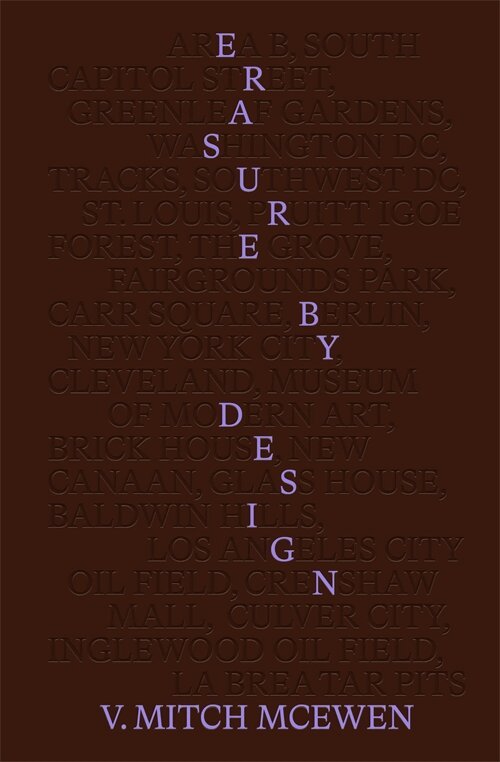
How has erasure formed the space around us? How do we come to know it, so that we can design differently? Erasure by Design tracks the methods, terms, and racial protocols that continue to do the work of displacement, demolition, and extraction into the present day. This book travels back and forth in time through scenes of erasure at three primary locations—Southwest, Washington DC (displacement); North St Louis (demolition), and South Los Angeles (extraction). Erasure by Design shares first person narratives of growing up in the wake of slum clearance—that is, “urban renewal”—in Southwest, Washington DC, while assembling archival references that narrate racialized erasure and its legal and spatial precedents. It traces a military complex under construction, where St Louis’s cleared grounds and blacked out sites are also defined by satellites, body experiments, explosions, and emptiness. It moves through specific grounds in Los Angeles—dirt walls, hills, oil fields, gas lines, and houses in the forest—to trace how those grounds matter and how their holding intersects with maps that plan erasure, inhabitation, and extraction. Between these three scenes, Erasure by Design takes on the aesthetics of bad design and good design, as innovated within the intellectual domain of modern architecture at the Museum of Modern Art and Philip Johnson’s Glass House. Through a curated cockroach at MoMA—and even the humor, rumors, and gossip about this roach—Erasure by Design reads the role that the museum invents for exhibiting, curating, and re-shaping policy, worldview, and the built environment, as well as how protocols of erasure, demolition, and design conscript the modern built environment into the policing of human and subhuman. In this nuanced reading, the Glass House and its twin, the Brick House, stage a haunting allegory of total violence.