Valdimar Tr. Hafstein – författare
Visar alla böcker från författaren Valdimar Tr. Hafstein. Handla med fri frakt och snabb leverans.
5 produkter
Heirloom Cultures and Heritage Branding
The Creamy Case of Icelandic Skyr
Av Jon Þor Petursson, Valdimar Tr. Hafstein
E-bok, 2026
303 kr
Lägg i varukorg
Heirloom Cultures and Heritage Branding
The Creamy Case of Icelandic Skyr
Av Valdimar Tr. Hafstein, Jón Þór Pétursson
Häftad, 2026
317 kr
Lägg i varukorg
Heritage branding and heirloom cultures are twin strategies for building brands in global markets. In this Element, the authors analyze these strategies through skyr; a traditional, sour dairy from Iceland. They explore how live microbial cultures in skyr have been 'heritagized' as heirloom …
Heirloom Cultures and Heritage Branding
The Creamy Case of Icelandic Skyr
Av Jon Þor Petursson, Valdimar Tr. Hafstein
E-bok, 2026
303 kr
Lägg i varukorg
Heirloom Cultures and Heritage Branding
The Creamy Case of Icelandic Skyr
Av Valdimar Tr. Hafstein, Jón Þór Pétursson
Inbunden, 2026
938 kr
Lägg i varukorg
Heritage branding and heirloom cultures are twin strategies for building brands in global markets. In this Element, the authors analyze these strategies through skyr; a traditional, sour dairy from Iceland. They explore how live microbial cultures in skyr have been 'heritagized' as heirloom …
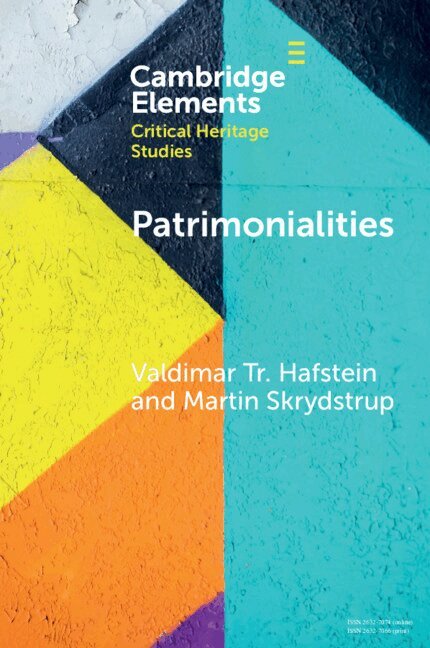
Patrimonialities
Heritage vs. Property
Av Valdimar Tr. Hafstein, Martin Skrydstrup
Häftad, 2020
317 kr
Lägg i varukorg
With empirical touchstones from Europe, North America, Africa, Asia and the Pacific, the authors argue that heritage and property represent different approaches to subject formation, produce distinct bodies of expertise, and belong to different rationalities of government in a global patrimonial …