Vasco Azevedo - Böcker
Visar alla böcker från författaren Vasco Azevedo. Handla med fri frakt och snabb leverans.
3 produkter
3 produkter
1 221 kr
Skickas inom 10-15 vardagar
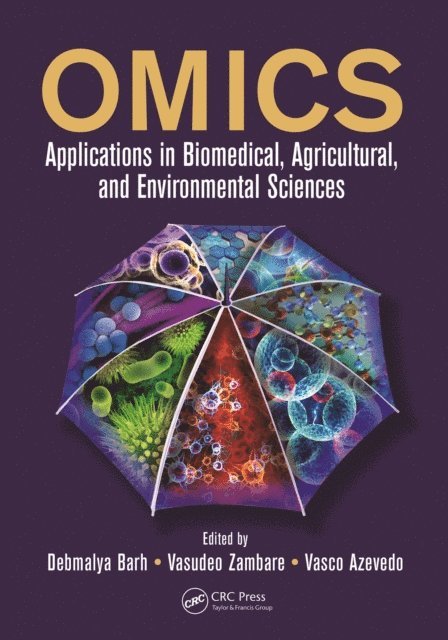
With the advent of new technologies and acquired knowledge, the number of fields in omics and their applications in diverse areas are rapidly increasing in the postgenomics era. Such emerging fields—including pharmacogenomics, toxicogenomics, regulomics, spliceomics, metagenomics, and environomics—present budding solutions to combat global challenges in biomedicine, agriculture, and the environment. OMICS: Applications in Biomedical, Agricultural, and Environmental Sciences provides valuable insights into the applications of modern omics technologies to real-world problems in the life sciences. Filling a gap in the literature, it offers a broad, multidisciplinary view of current and emerging applications of omics in a single volume.Written by highly experienced active researchers, each chapter describes a particular area of omics and the associated technologies and applications. Topics covered include:Proteomics, epigenomics, and pharmacogenomicsToxicogenomics and the assessment of environmental pollutantsApplications of plant metabolomicsNutrigenomics and its therapeutic applicationsMicroalgal omics and omics approaches in biofuel production Next-generation sequencing and omics technology for transgenic plant analysisOmics approaches in crop improvement Engineering dark-operative chlorophyll synthesis Computational regulomicsOmics techniques for the analysis of RNA splicingNew fields, including metagenomics, glycomics, and miRNABreast cancer biomarkers for early detectionEnvironomics strategies for environmental sustainabilityThis timely book explores a wide range of omics application areas in the biomedical, agricultural, and environmental sciences. Throughout, it highlights working solutions as well as open problems and future challenges. Demonstrating the diversity of omics, it introduces readers to state-of-the-art developments and trends in omics-driven research.
3 048 kr
Skickas inom 10-15 vardagar
With the advent of new technologies and acquired knowledge, the number of fields in omics and their applications in diverse areas are rapidly increasing in the postgenomics era. Such emerging fields—including pharmacogenomics, toxicogenomics, regulomics, spliceomics, metagenomics, and environomics—present budding solutions to combat global challenges in biomedicine, agriculture, and the environment. OMICS: Applications in Biomedical, Agricultural, and Environmental Sciences provides valuable insights into the applications of modern omics technologies to real-world problems in the life sciences. Filling a gap in the literature, it offers a broad, multidisciplinary view of current and emerging applications of omics in a single volume.Written by highly experienced active researchers, each chapter describes a particular area of omics and the associated technologies and applications. Topics covered include:Proteomics, epigenomics, and pharmacogenomicsToxicogenomics and the assessment of environmental pollutantsApplications of plant metabolomicsNutrigenomics and its therapeutic applicationsMicroalgal omics and omics approaches in biofuel production Next-generation sequencing and omics technology for transgenic plant analysisOmics approaches in crop improvement Engineering dark-operative chlorophyll synthesis Computational regulomicsOmics techniques for the analysis of RNA splicingNew fields, including metagenomics, glycomics, and miRNABreast cancer biomarkers for early detectionEnvironomics strategies for environmental sustainabilityThis timely book explores a wide range of omics application areas in the biomedical, agricultural, and environmental sciences. Throughout, it highlights working solutions as well as open problems and future challenges. Demonstrating the diversity of omics, it introduces readers to state-of-the-art developments and trends in omics-driven research.
1 774 kr
Skickas inom 7-10 vardagar
Fermentation is one of the oldest and most widely used methods for enhancing the nutritional value of food. From an early point in the development of agriculture and animal husbandry, microbial fermentation has been used to preserve grains, dairy, fish and meat products from bacterial contamination, to extend their shelf life and to enrich their flavour. While the creation of traditional functional foods such as yogurt, cheese, sauerkraut, pickles and fermented grain dishes and beverages (including beer) have a long history, more modern scientific research has analysed the microbial species responsible for these processes and established the value of probiotic bacteria due to the production of health-promoting metabolites. This book discusses the history of the origin and evolution of fermented foods, giving an overview of the microorganisms involved in food fermentation and their physiological and metabolic properties. Different chapters are devoted to the major fermented foods produced around the world with coverage including microbiological and technological features for the manufacture of these foods, such as cereal-based foods and beverages, legume-based foods, fish fermentation, fermented vegetables, fermented milk and dairy products, kombucha fermentation and more. Additional chapters cover the safety aspects of fermented foods, the health benefits of fermented food consumption related to healthy gut microbiota, the microbiota-gut-brain axis, mental health and the management of metabolic disorders. The use of innovative packaging technology for fermented foods and beverages is also covered. Aimed at those dedicated to studying fermented food technology and those with a more general interest in the area, this book is a must have for anyone wanting to increase their knowledge of fermented foods and the benefits of their consumption.