Ramesh C. Ray – författare
Visar alla böcker från författaren Ramesh C. Ray. Handla med fri frakt och snabb leverans.
66 produkter
Bioethanol Production from Food Crops
Sustainable Sources, Interventions, and Challenges
Av Ramesh C. Ray, S Ramachandran
Häftad, 2018
1483 kr
Lägg i varukorg
Bioethanol Production from Food Crops: Sustainable Sources, Interventions and Challenges comprehensively covers the global scenario of ethanol production from both food and non-food crops and other sources. The book guides readers through the balancing of the debate on food vs. fuel, giving …
Bioethanol Production from Food Crops
Sustainable Sources, Interventions, and Challenges
Av S Ramachandran, Ramesh C. Ray
E-bok, 2018
2109 kr
Lägg i varukorg
Bioethanol Production from Food Crops: Sustainable Sources, Interventions and Challenges comprehensively covers the global scenario of ethanol production from both food and non-food crops and other sources. The book guides readers through the balancing of the debate on food vs. fuel, giving …
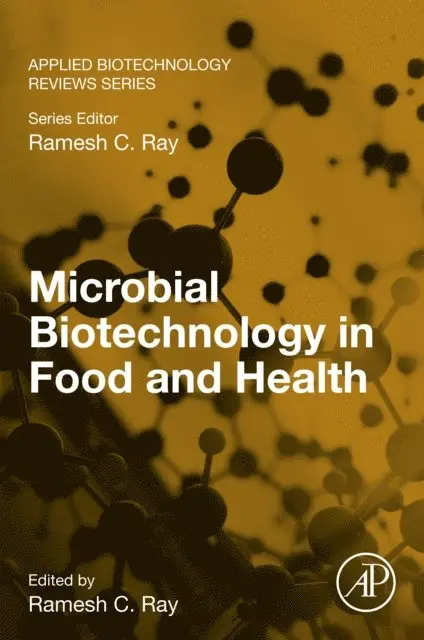
Microbial Biotechnology in Food and Health
Av Ray,Ramesh C, Ramesh C. Ray
Häftad, 2020
2266 kr
Lägg i varukorg
Microbial Biotechnology in Food and Health Science, volume one in the Applied Biotechnology Reviews series, offers two unique sections within the theme of genomics and bioprocessing and the bioengineering of microorganisms in the role of food science and human health. This volume provides review …
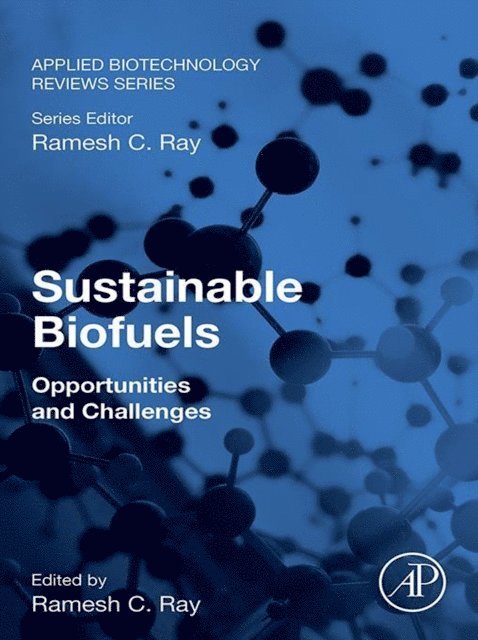
Sustainable Biofuels
Opportunities and Challenges
Häftad, 2021
1778 kr
Lägg i varukorg
Sustainable Biofuels: Opportunities and challenges, a volume�in the "Applied Biotechnology Reviews� series, explores the state-of-the-art in research and applied technology for the conversion of all types of biofuels. Its chapters span a broad spectrum of knowledge, from fundamentals and technical …
Sustainable Biofuels
Opportunities and Challenges
E-bok, 2021
2530 kr
Lägg i varukorg
Sustainable Biofuels: Opportunities and challenges, a volume in the "Applied Biotechnology Reviews series, explores the state-of-the-art in research and applied technology for the conversion of all types of biofuels. Its chapters span a broad spectrum of knowledge, from fundamentals and technical …
Microbial Biotechnology in Food and Health
E-bok, 2020
3208 kr
Lägg i varukorg
Microbial Biotechnology in Food and Health Science, volume one in the Applied Biotechnology Reviews series, offers two unique sections within the theme of genomics and bioprocessing and the bioengineering of microorganisms in the role of food science and human health. This volume provides review …
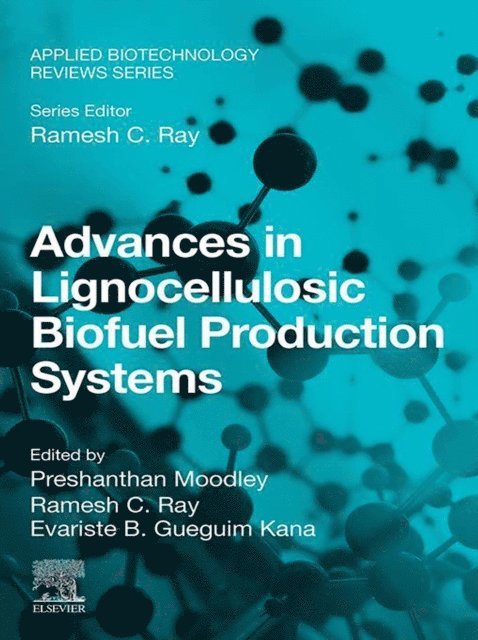
Advances in Lignocellulosic Biofuel Production Systems
Av Preshanthan Moodley, Ramesh C. Ray m. fl.
Häftad, 2023
1739 kr
Lägg i varukorg
Advances in Lignocellulosic Biofuel Production Systems focuses on general topics such as novel pretreatment strategies, lignocellulosic biomass as a suitable feedstock for biofuels, lifecycle assessment and integrated biorefineries. Furthermore, the book focuses on more advanced topics such as …
Advances in Lignocellulosic Biofuel Production Systems
Av Evariste B. Gueguim Kana, Ramesh C. Ray m. fl.
E-bok, 2023
2475 kr
Lägg i varukorg
Advances in Lignocellulosic Biofuel Production Systems focuses on general topics such as novel pretreatment strategies, lignocellulosic biomass as a suitable feedstock for biofuels, lifecycle assessment and integrated biorefineries. Furthermore, the book focuses on more advanced topics such as …
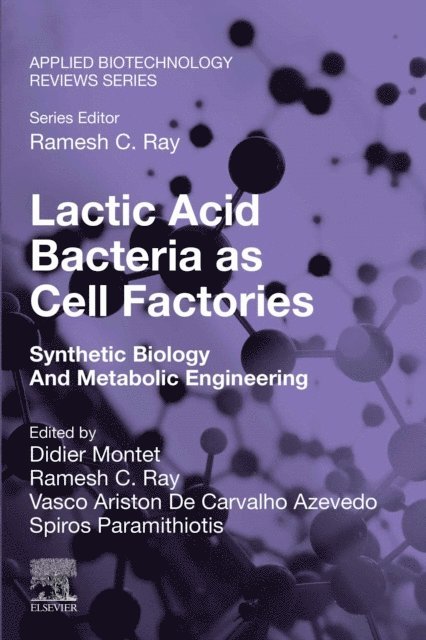
Lactic Acid Bacteria as Cell Factories
Synthetic Biology and Metabolic Engineering
Av Spiros Paramithiotis, Vasco Ariston De Carvalho Azevedo m. fl.
E-bok, 2023
2842 kr
Lägg i varukorg
Lactic Acid Bacteria as Cell Factories: Synthetic Biology and Metabolic Engineering describes the most recent developments on the metabolic engineering and synthetic biology of Lactic Acid Bacteria (LAB) for production of biologically active biomolecules (enzymes, organic acids, bacteriocins, …
Lactic Acid Bacteria as Cell Factories
Synthetic Biology and Metabolic Engineering
Av Didier Montet, Ramesh C. Ray m. fl.
Häftad, 2023
1996 kr
Lägg i varukorg
Lactic Acid Bacteria as Cell Factories: Synthetic Biology and Metabolic Engineering describes the most recent developments on the metabolic engineering and synthetic biology of Lactic Acid Bacteria (LAB) for production of biologically active biomolecules (enzymes, organic acids, bacteriocins, …
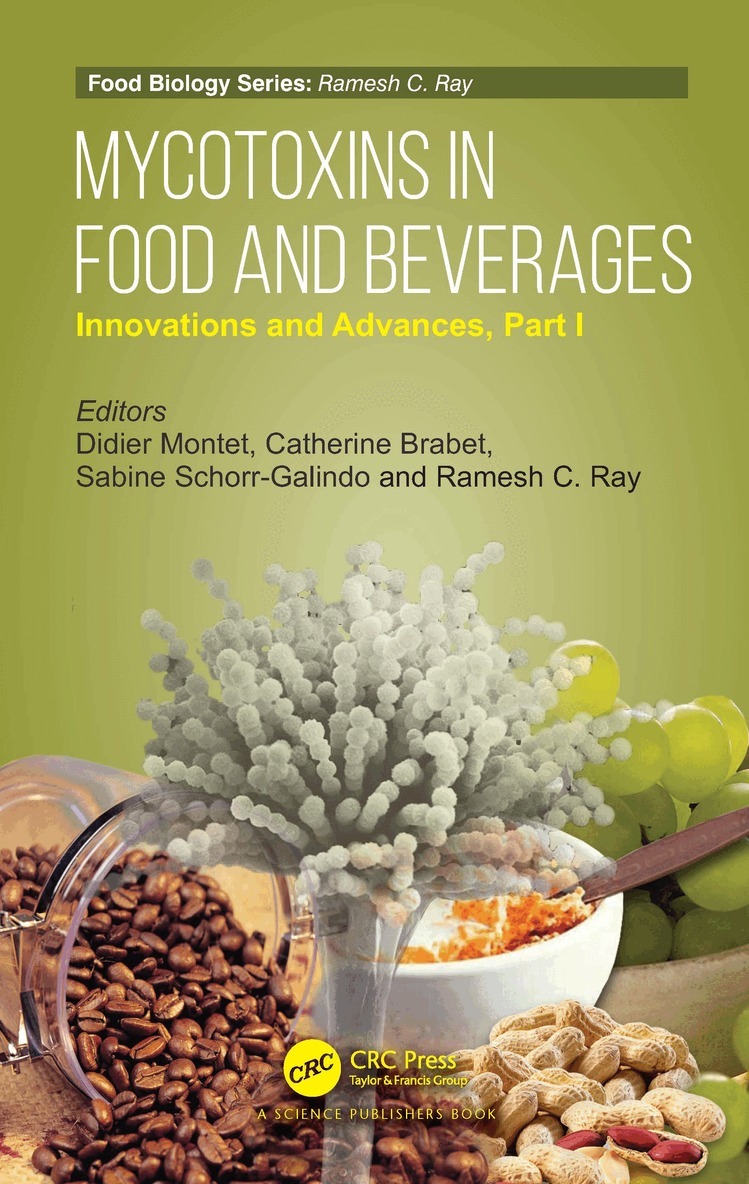
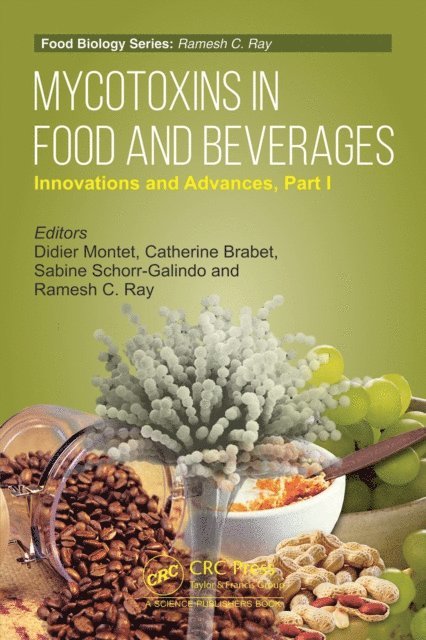
Mycotoxins in Food and Beverages
Innovations and Advances Part I
Av Didier Montet, Catherine Brabet m. fl.
Inbunden, 2021
2754 kr
Lägg i varukorg
Mycotoxins are secondary metabolites produced by fungi in a wide range of foods (cereals, peanut, tree nuts, dried fruits, coffee, cocoa, grapes, spices…) both in the field and after harvest, particularly during storage. They can also be found in processed foods of plant origin, or by transfer, in …
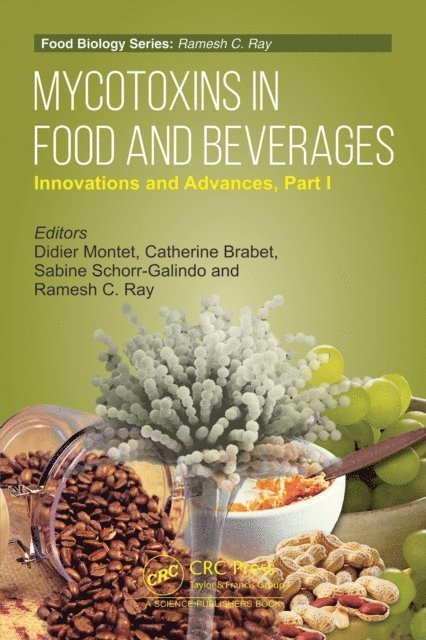
Mycotoxins in Food and Beverages
Innovations and Advances Part I
Av Didier Montet, Catherine Brabet m. fl.
Häftad, 2023
1086 kr
Lägg i varukorg
Mycotoxins are secondary metabolites produced by fungi in a wide range of foods (cereals, peanut, tree nuts, dried fruits, coffee, cocoa, grapes, spices…) both in the field and after harvest, particularly during storage. They can also be found in processed foods of plant origin, or by transfer, in …
Winemaking
Basics and Applied Aspects
Häftad, 2022
1451 kr
Lägg i varukorg
Wine is one of the oldest forms of alcoholic beverages known to man. Estimates date its origins back to 6000 B.C. Ever since, it has occupied a significant role in our lives, be it for consumption, social virtues, therapeutic value, its flavoring in foods, etc. A study of wine production and the …
Fermented Foods, Part I
Biochemistry and Biotechnology
Av Didier Montet, Ramesh C. Ray
Häftad, 2020
795 kr
Lägg i varukorg
Traditional fermented foods are not only the staple food for most of developing countries but also the key healthy food for developed countries. As the healthy functions of these foods are gradually discovered, more high throughput biotechnologies are being used to promote the fermented food …
Food Traceability and Authenticity
Analytical Techniques
Av Didier Montet, Ramesh C. Ray
Häftad, 2021
795 kr
Lägg i varukorg
Food traceability is a growing consumer concern worldwide. Traceability is undertaken primarily at the administrative level, where the use of advanced analytical tools is not available. Nevertheless, the determination of geographical origin is a requirement of the traceability system for the import …
Fermented Foods, Part II
Technological Interventions
Av Ramesh C. Ray, Didier Montet
Häftad, 2021
795 kr
Lägg i varukorg
This book reviews the use of fermentation to develop healthy and functional foods and beverages and the commercialization of fermented food products through the use of biotechnology. The first two sections cover the health and functional benefits of fermented foods and the latter two sections …
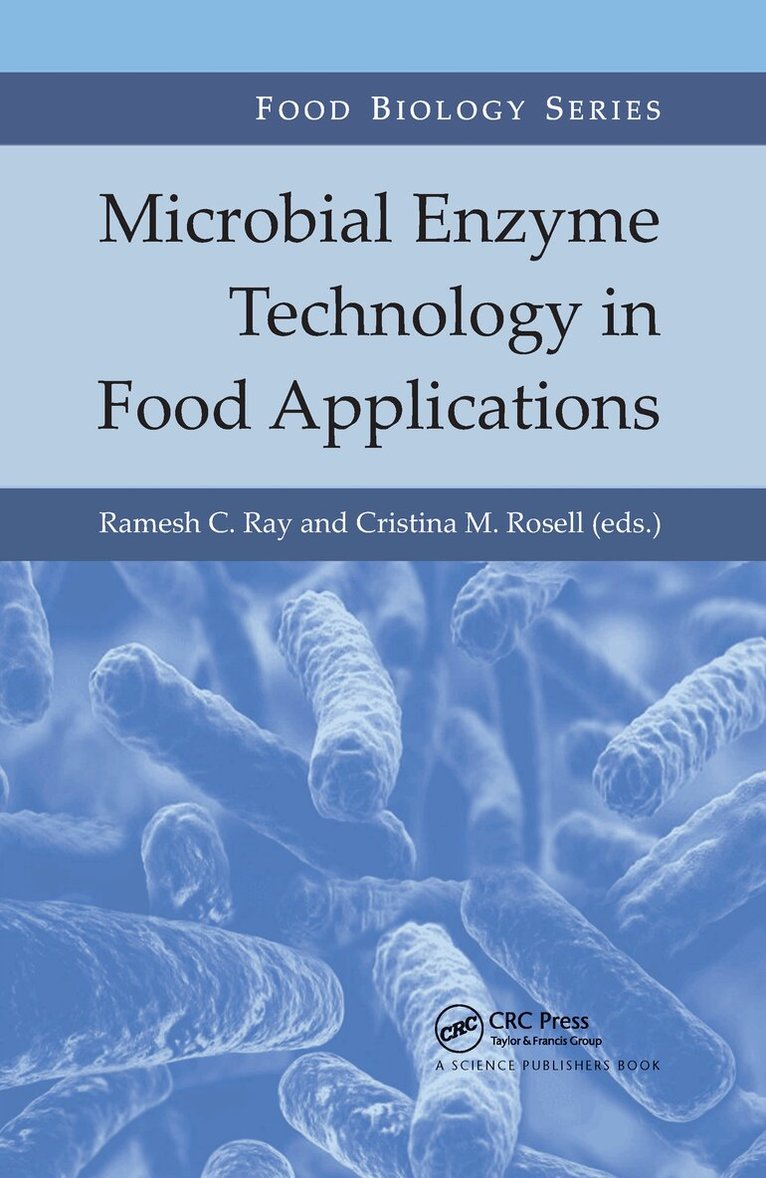
Microbial Enzyme Technology in Food Applications
Av Ramesh C. Ray, Cristina M. Rosell
Häftad, 2021
795 kr
Lägg i varukorg
The aim of food processing is to produce food that is palatable and tastes good, extend its shelf-life, increase the variety, and maintain the nutritional and healthcare quality of food. To achieve favorable processing conditions and for the safety of the food to be consumed, use of food grade …
Mycotoxins in Food and Beverages
Innovations and Advances Part I
Av Sabine Galindo, Ramesh C. Ray m. fl.
E-bok, 2021
1281 kr
Lägg i varukorg
Mycotoxins are secondary metabolites produced by fungi in a wide range of foods (cereals, peanut, tree nuts, dried fruits, coffee, cocoa, grapes, spices…) both in the field and after harvest, particularly during storage. They can also be found in processed foods of plant origin, or by transfer, …
Mycotoxins in Food and Beverages
Innovations and Advances Part I
Av Sabine Galindo, Ramesh C. Ray m. fl.
E-bok, 2021
1254 kr
Lägg i varukorg
Mycotoxins are secondary metabolites produced by fungi in a wide range of foods (cereals, peanut, tree nuts, dried fruits, coffee, cocoa, grapes, spices…) both in the field and after harvest, particularly during storage. They can also be found in processed foods of plant origin, or by transfer, …
Mycotoxins in Food and Beverages
Innovations and Advances, Part II
Av Ramesh C. Ray, Sabine Schorr-Galindo m. fl.
E-bok, 2021
1230 kr
Lägg i varukorg
Mycotoxins are secondary metabolites produced by fungi in a wide range of foods (cereals, peanut, tree nuts, dried fruits, coffee, cocoa, grapes, spices…) both in the field and after harvest, particularly during storage. They can also be found in processed foods of plant origin, or by transfer, in …
Mycotoxins in Food and Beverages
Innovations and Advances, Part II
Av Ramesh C. Ray, Sabine Schorr-Galindo m. fl.
E-bok, 2021
1230 kr
Lägg i varukorg
Mycotoxins are secondary metabolites produced by fungi in a wide range of foods (cereals, peanut, tree nuts, dried fruits, coffee, cocoa, grapes, spices…) both in the field and after harvest, particularly during storage. They can also be found in processed foods of plant origin, or by transfer, in …
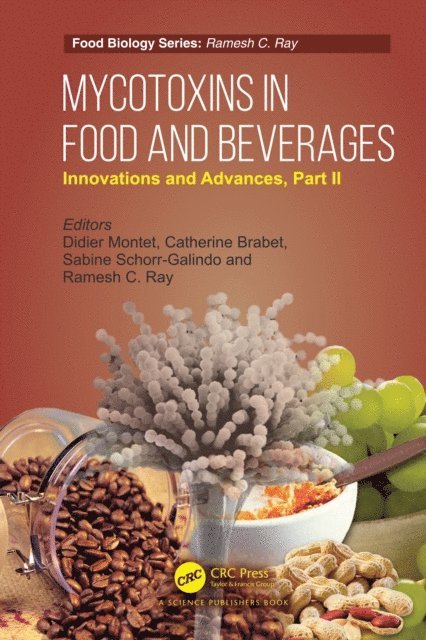
Mycotoxins in Food and Beverages
Innovations and Advances, Part II
Av Didier Montet, Catherine Brabet m. fl.
Inbunden, 2021
3076 kr
Lägg i varukorg
Mycotoxins are secondary metabolites produced by fungi in a wide range of foods (cereals, peanut, tree nuts, dried fruits, coffee, cocoa, grapes, spices…) both in the field and after harvest, particularly during storage. They can also be found in processed foods of plant origin, or by transfer, in …
Mycotoxins in Food and Beverages
Innovations and Advances, Part II
Av Didier Montet, Catherine Brabet m. fl.
Häftad, 2023
1045 kr
Lägg i varukorg
Mycotoxins are secondary metabolites produced by fungi in a wide range of foods (cereals, peanut, tree nuts, dried fruits, coffee, cocoa, grapes, spices…) both in the field and after harvest, particularly during storage. They can also be found in processed foods of plant origin, or by transfer, in …
Agri-Food Waste Valorization in a Circular Economy
Biomolecules and Bioproducts
Av Hrudayanath Thatoi, Gargi Ghoshal m. fl.
E-bok, 2026
3065 kr
Lägg i varukorg
Agri-food processing residues are end products emerging after food and industrial processing operations. These waste products are a goldmine, as they possess valuable organic matter such as complex carbohydrates, proteins, and phenolic compounds that can be diverted toward high-value products.This …
Agri-Food Waste Valorization in a Circular Economy
Biomolecules and Bioproducts
Av Hrudayanath Thatoi, Gargi Ghoshal m. fl.
E-bok, 2026
2998 kr
Lägg i varukorg
Agri-food processing residues are end products emerging after food and industrial processing operations. These waste products are a goldmine, as they possess valuable organic matter such as complex carbohydrates, proteins, and phenolic compounds that can be diverted toward high-value products.This …
Agri-Food Waste Valorization in a Circular Economy
Biomolecules and Bioproducts
Av Ramesh C. Ray, Gargi Ghoshal m. fl.
Inbunden, 2026
2749 kr
Lägg i varukorg
Agri-food processing residues are end products emerging after food and industrial processing operations. These waste products are a goldmine, as they possess valuable organic matter such as complex carbohydrates, proteins, and phenolic compounds that can be diverted toward high-value products.This …
Aquaculture Microbiology and Biotechnology, Volume Two
Av Didier Montet, Ramesh C. Ray
Häftad, 2017
1291 kr
Lägg i varukorg
Fish and shrimp producing industries generate huge amounts of wastes in form of viscera, scales, waste water, etc. Applications of microorganisms and/or microbesbased products have contributed significantly in solving many of these problems associated with aquaculture and waste management. This …
Winemaking
Basics and Applied Aspects
Inbunden, 2021
3799 kr
Lägg i varukorg
Wine is one of the oldest forms of alcoholic beverages known to man. Estimates date its origins back to 6000 B.C. Ever since, it has occupied a significant role in our lives, be it for consumption, social virtues, therapeutic value, its flavoring in foods, etc. A study of wine production and the …
Fermented Foods, Part II
Technological Interventions
Av Ramesh C. Ray, Didier Montet
Inbunden, 2017
3753 kr
Lägg i varukorg
This book reviews the use of fermentation to develop healthy and functional foods and beverages and the commercialization of fermented food products through the use of biotechnology. The first two sections cover the health and functional benefits of fermented foods and the latter two sections …
Microbial Enzyme Technology in Food Applications
Av Cristina M. Rosell, Ramesh C. Ray
E-bok, 2017
935 kr
Lägg i varukorg
The aim of food processing is to produce food that is palatable and tastes good, extend its shelf-life, increase the variety, and maintain the nutritional and healthcare quality of food. To achieve favorable processing conditions and for the safety of the food to be consumed, use of food grade …