Cristina M. Rosell – författare
Visar alla böcker från författaren Cristina M. Rosell. Handla med fri frakt och snabb leverans.
8 produkter
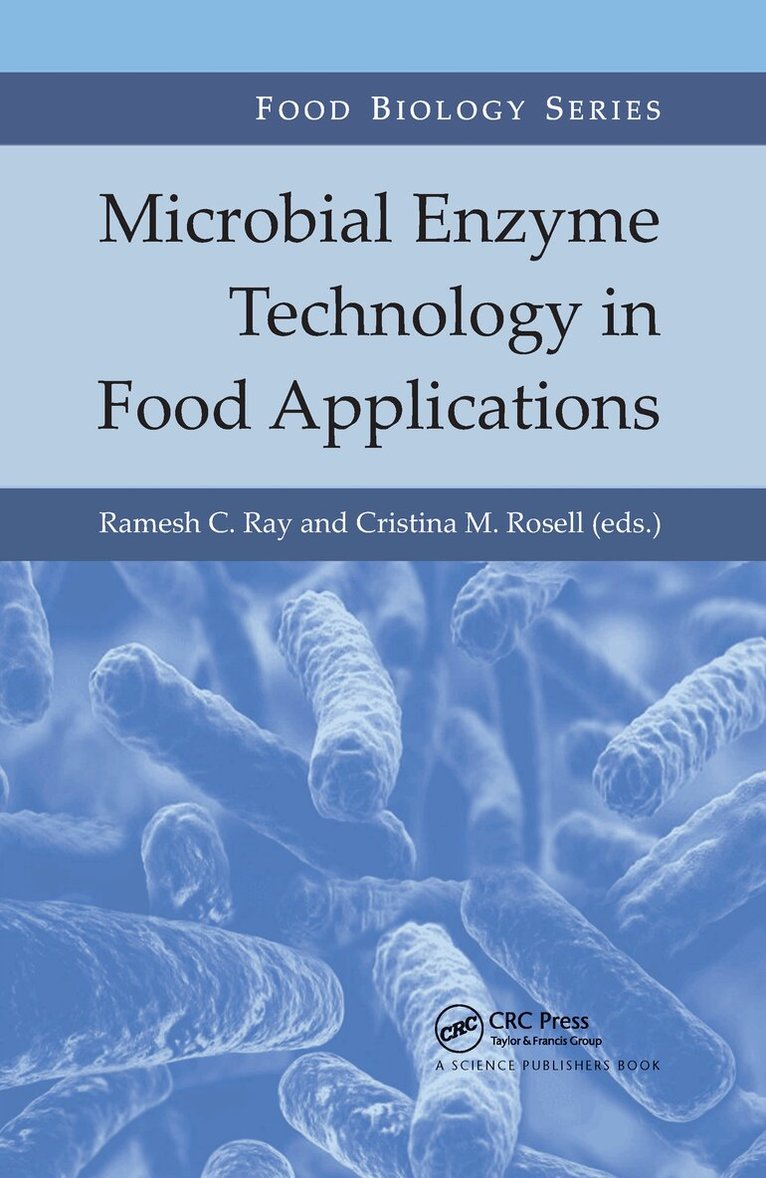
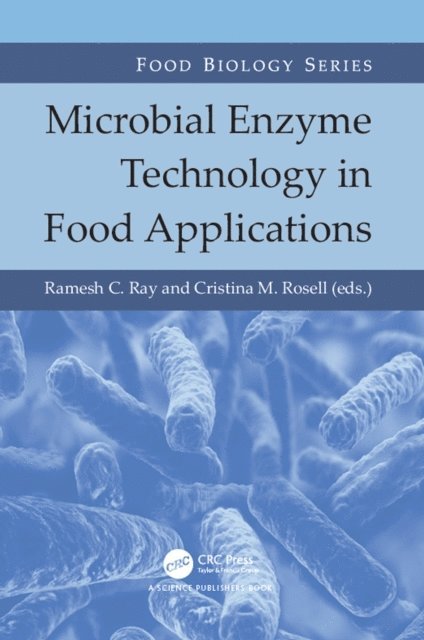
Microbial Enzyme Technology in Food Applications
Av Ramesh C. Ray, Cristina M. Rosell
Häftad, 2021
793 kr
Lägg i varukorg
The aim of food processing is to produce food that is palatable and tastes good, extend its shelf-life, increase the variety, and maintain the nutritional and healthcare quality of food. To achieve favorable processing conditions and for the safety of the food to be consumed, use of food grade …
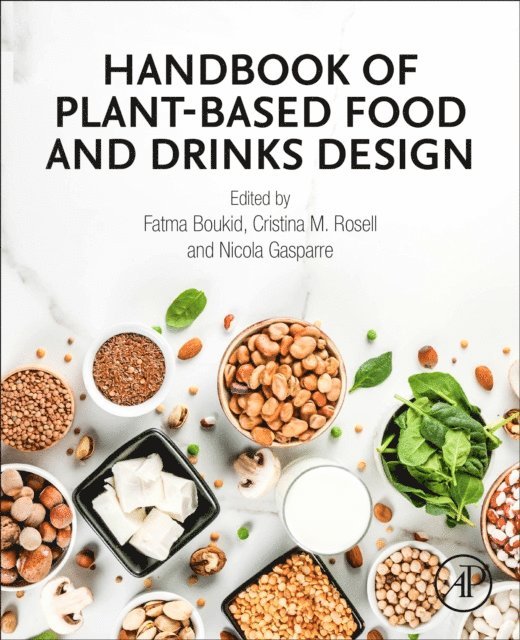
Handbook of Plant-Based Food and Drinks Design
Av Fatma Boukid, Cristina M. Rosell m. fl.
Häftad, 2024
1996 kr
Lägg i varukorg
Handbook of Plant-Based Food and Drinks Design discusses conventional and emerging technologies for plant-based ingredient improvement (yield, nutritional composition and functional properties) while considering food safety, sustainability, and social impact to explore current and potential markets …
Handbook of Plant-Based Food and Drinks Design
Av Nicola Gasparre, Cristina M. Rosell m. fl.
E-bok, 2024
2842 kr
Lägg i varukorg
Handbook of Plant-Based Food and Drinks Design discusses conventional and emerging technologies for plant-based ingredient improvement (yield, nutritional composition and functional properties) while considering food safety, sustainability, and social impact to explore current and potential markets …
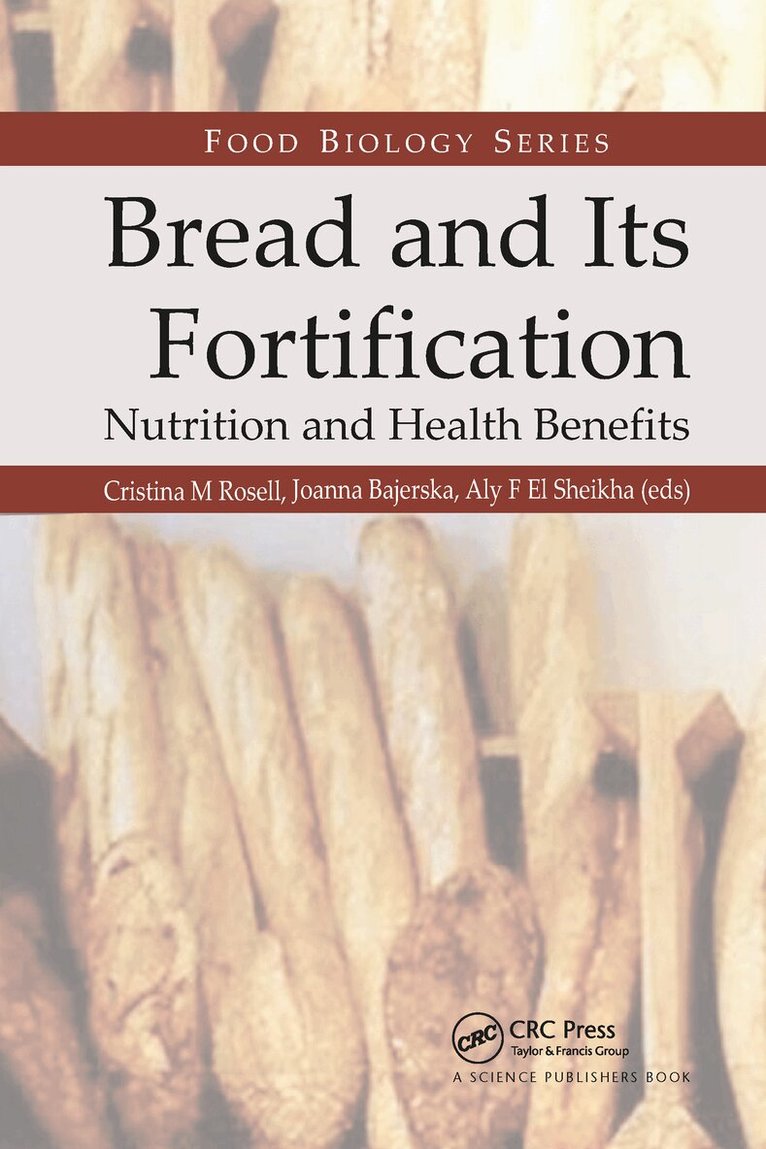
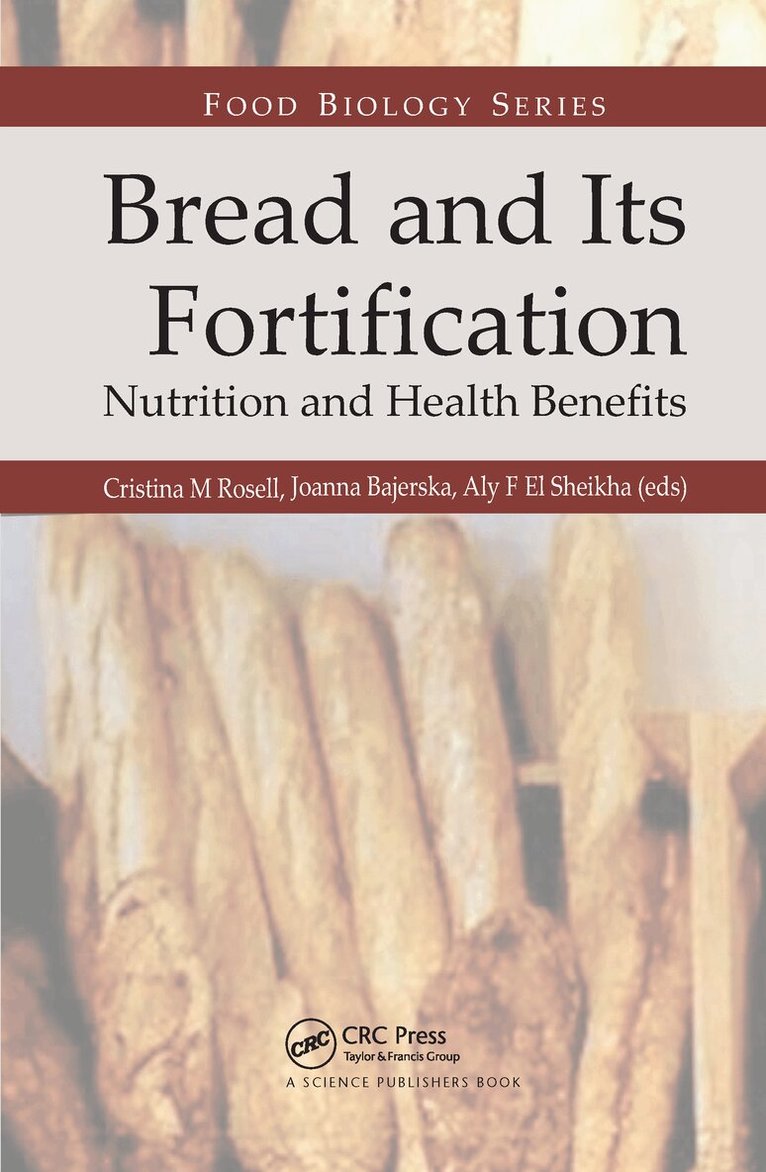
Bread and Its Fortification
Nutrition and Health Benefits
Av Cristina M. Rosell, Joanna Bajerska m. fl.
Häftad, 2021
816 kr
Lägg i varukorg
Today, bread supplies over half of the caloric intake of the world’s population including a high proportion of the intake of Vitamins B and E. Bread therefore is a major food of the world. Bread was the main stables of the ancient Egyptian diet. Around 7,000 BC humans (probably Egyptians) somehow …
Microbial Enzyme Technology in Food Applications
Av Cristina M. Rosell, Ramesh C. Ray
E-bok, 2017
935 kr
Lägg i varukorg
The aim of food processing is to produce food that is palatable and tastes good, extend its shelf-life, increase the variety, and maintain the nutritional and healthcare quality of food. To achieve favorable processing conditions and for the safety of the food to be consumed, use of food grade …
Bread and Its Fortification
Nutrition and Health Benefits
Av Cristina M. Rosell, Joanna Bajerska m. fl.
Inbunden, 2015
3158 kr
Lägg i varukorg
Today, bread supplies over half of the caloric intake of the world’s population including a high proportion of the intake of Vitamins B and E. Bread therefore is a major food of the world. Bread was the main stables of the ancient Egyptian diet. Around 7,000 BC humans (probably Egyptians) somehow …
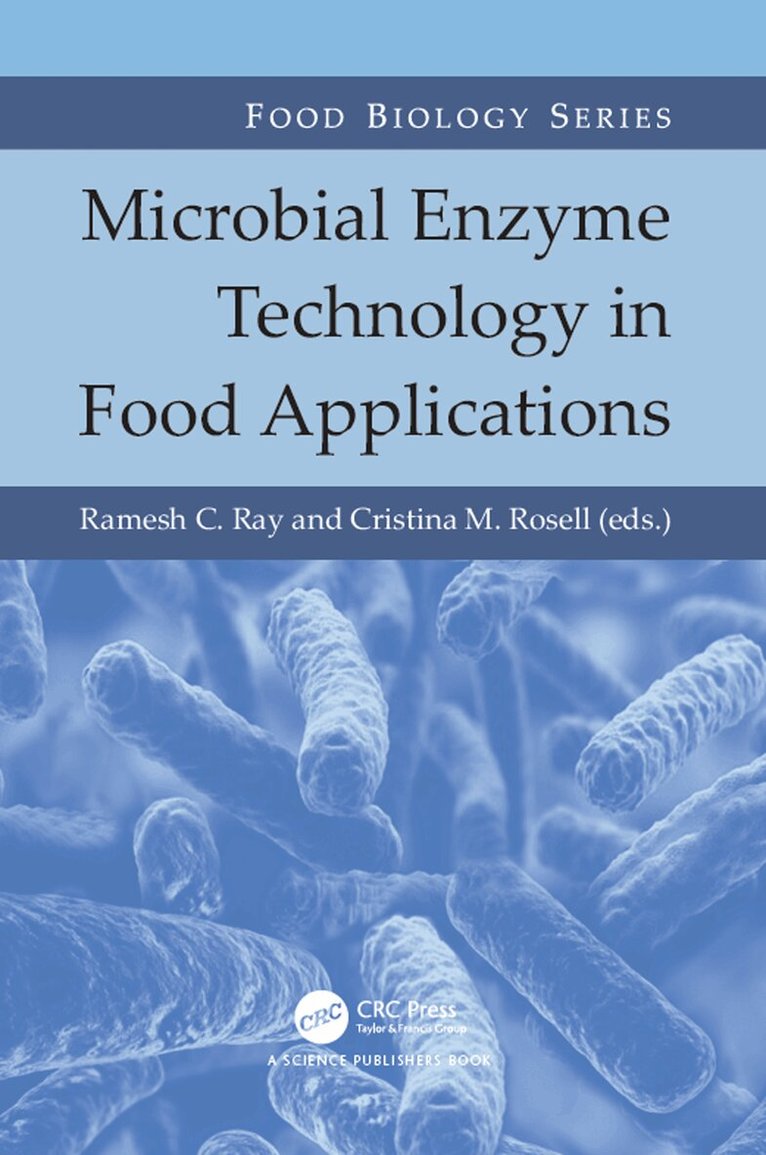
Microbial Enzyme Technology in Food Applications
Av Ramesh C. Ray, Cristina M. Rosell
Inbunden, 2016
3379 kr
Lägg i varukorg
The aim of food processing is to produce food that is palatable and tastes good, extend its shelf-life, increase the variety, and maintain the nutritional and healthcare quality of food. To achieve favorable processing conditions and for the safety of the food to be consumed, use of food grade …
Microbial Enzyme Technology in Food Applications
Av Cristina M. Rosell, Ramesh C. Ray
E-bok, 2017
906 kr
Lägg i varukorg
The aim of food processing is to produce food that is palatable and tastes good, extend its shelf-life, increase the variety, and maintain the nutritional and healthcare quality of food. To achieve favorable processing conditions and for the safety of the food to be consumed, use of food grade …