Didier Montet – författare
Visar alla böcker från författaren Didier Montet. Handla med fri frakt och snabb leverans.
29 produkter
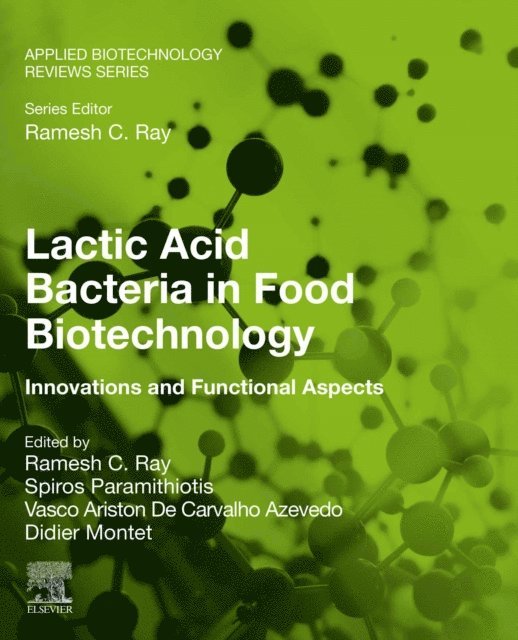
Lactic Acid Bacteria in Food Biotechnology
Innovations and Functional Aspects
Av Didier Montet, Vasco Ariston De Carvalho Azevedo m. fl.
E-bok, 2022
2842 kr
Lägg i varukorg
Lactic Acid Bacteria in Food Biotechnology: Innovations and Functional Aspects describes the latest advancements in LAB applications in the development of functional foods and fermented foods, biotechnological products using LAB, i.e., bio chemicals (organic acids, bacteriocins, etc.), bioactive …
Lactic Acid Bacteria in Food Biotechnology
Innovations and Functional Aspects
Av Spiros Paramithiotis, Vasco Ariston De Carvalho Azevedo m. fl.
Häftad, 2022
1996 kr
Lägg i varukorg
Lactic Acid Bacteria in Food Biotechnology: Innovations and Functional Aspects describes the latest advancements in LAB applications in the development of functional foods and fermented foods, biotechnological products using LAB, i.e., bio chemicals (organic acids, bacteriocins, etc.), bioactive …
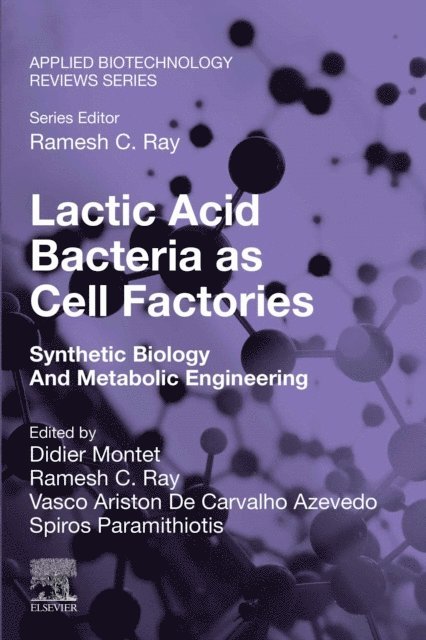
Lactic Acid Bacteria as Cell Factories
Synthetic Biology and Metabolic Engineering
Av Spiros Paramithiotis, Vasco Ariston De Carvalho Azevedo m. fl.
E-bok, 2023
2842 kr
Lägg i varukorg
Lactic Acid Bacteria as Cell Factories: Synthetic Biology and Metabolic Engineering describes the most recent developments on the metabolic engineering and synthetic biology of Lactic Acid Bacteria (LAB) for production of biologically active biomolecules (enzymes, organic acids, bacteriocins, …
Lactic Acid Bacteria as Cell Factories
Synthetic Biology and Metabolic Engineering
Av Didier Montet, Ramesh C. Ray m. fl.
Häftad, 2023
1996 kr
Lägg i varukorg
Lactic Acid Bacteria as Cell Factories: Synthetic Biology and Metabolic Engineering describes the most recent developments on the metabolic engineering and synthetic biology of Lactic Acid Bacteria (LAB) for production of biologically active biomolecules (enzymes, organic acids, bacteriocins, …
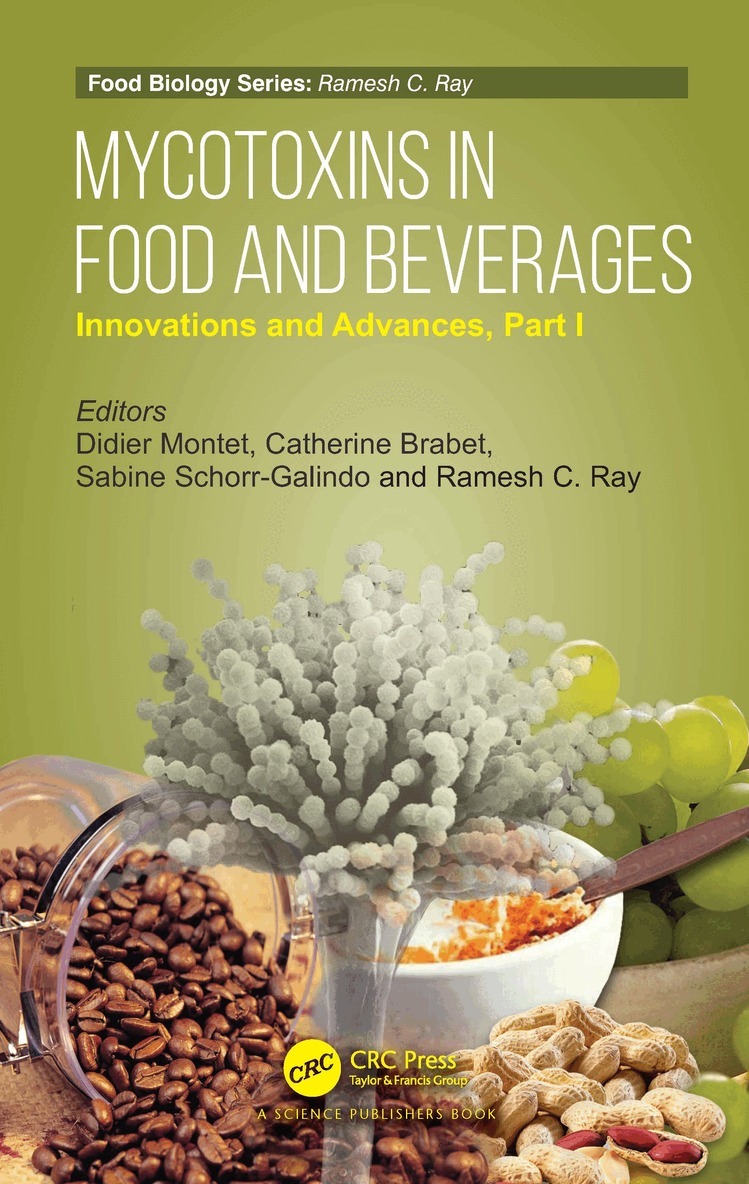
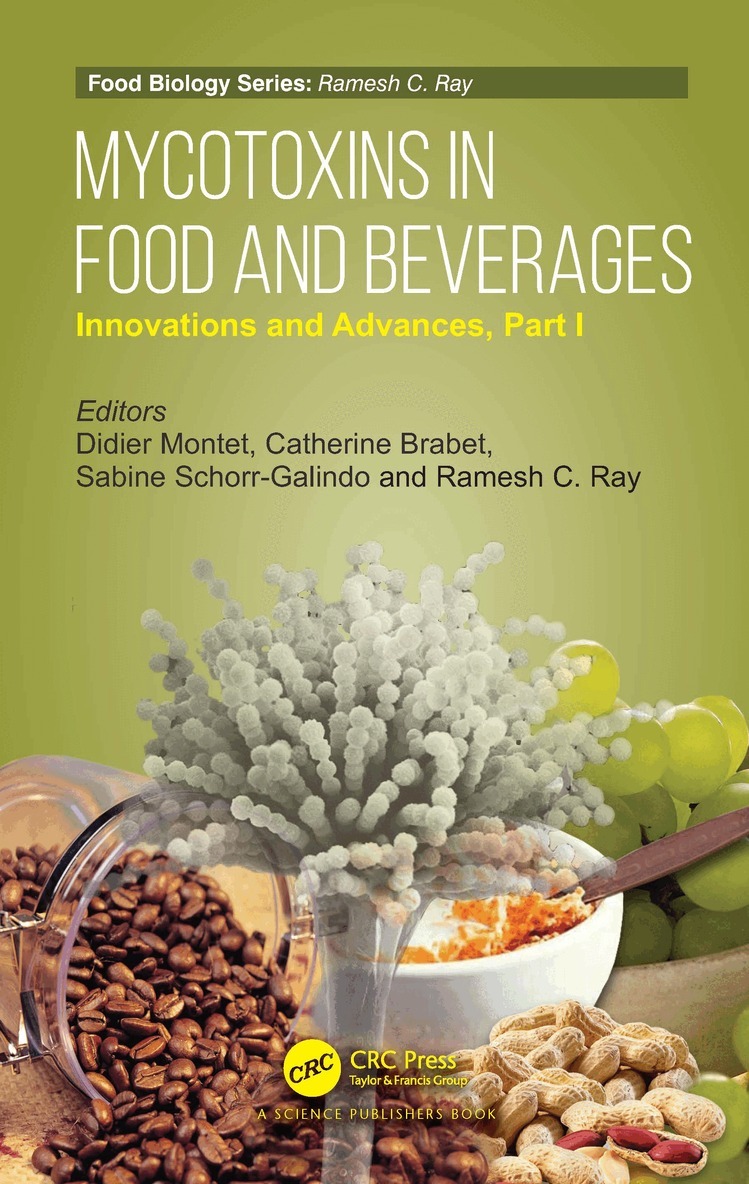
Mycotoxins in Food and Beverages
Innovations and Advances Part I
Av Didier Montet, Catherine Brabet m. fl.
Inbunden, 2021
2752 kr
Lägg i varukorg
Mycotoxins are secondary metabolites produced by fungi in a wide range of foods (cereals, peanut, tree nuts, dried fruits, coffee, cocoa, grapes, spices…) both in the field and after harvest, particularly during storage. They can also be found in processed foods of plant origin, or by transfer, in …
Mycotoxins in Food and Beverages
Innovations and Advances Part I
Av Didier Montet, Catherine Brabet m. fl.
Häftad, 2023
1081 kr
Lägg i varukorg
Mycotoxins are secondary metabolites produced by fungi in a wide range of foods (cereals, peanut, tree nuts, dried fruits, coffee, cocoa, grapes, spices…) both in the field and after harvest, particularly during storage. They can also be found in processed foods of plant origin, or by transfer, in …
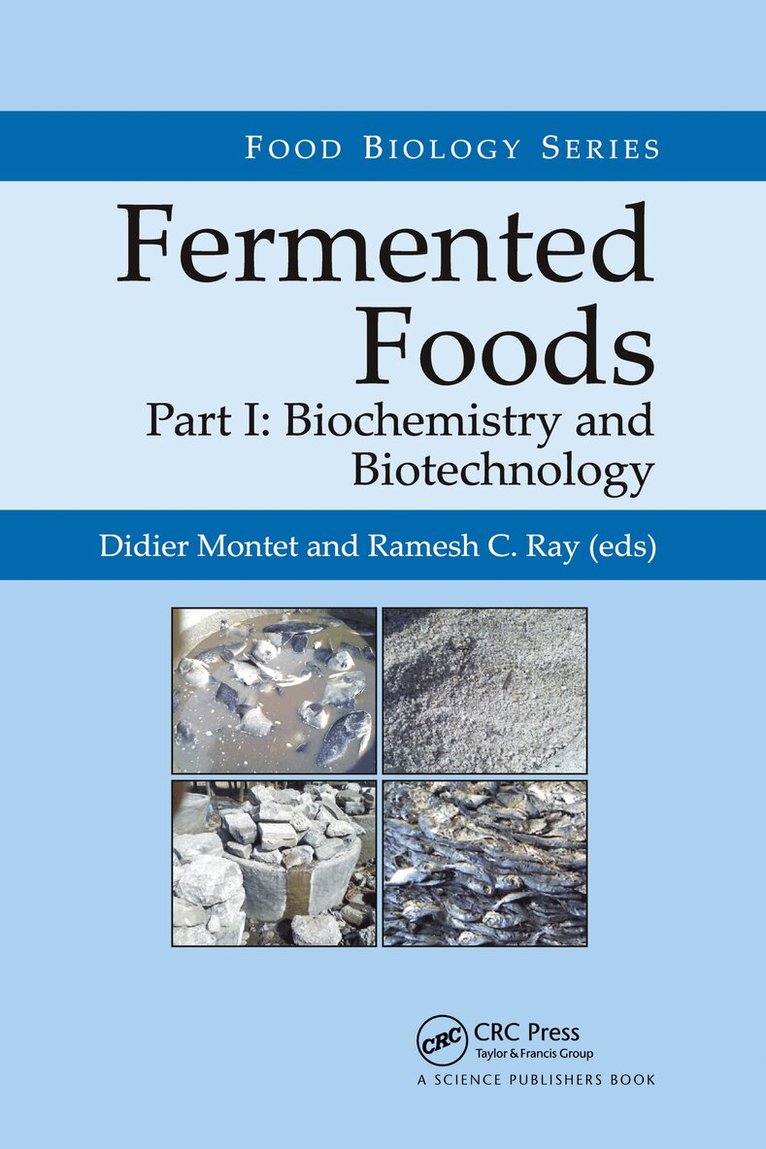
Fermented Foods, Part I
Biochemistry and Biotechnology
Av Didier Montet, Ramesh C. Ray
Häftad, 2020
791 kr
Lägg i varukorg
Traditional fermented foods are not only the staple food for most of developing countries but also the key healthy food for developed countries. As the healthy functions of these foods are gradually discovered, more high throughput biotechnologies are being used to promote the fermented food …
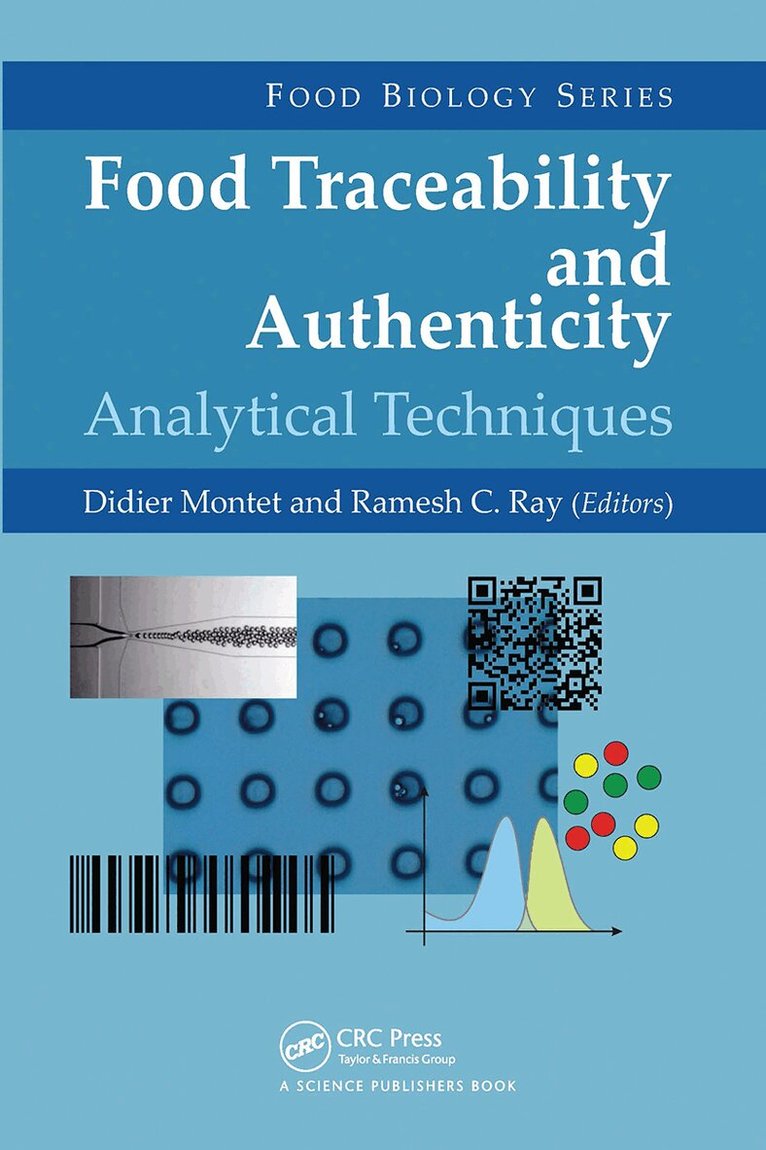
Food Traceability and Authenticity
Analytical Techniques
Av Didier Montet, Ramesh C. Ray
Häftad, 2021
791 kr
Lägg i varukorg
Food traceability is a growing consumer concern worldwide. Traceability is undertaken primarily at the administrative level, where the use of advanced analytical tools is not available. Nevertheless, the determination of geographical origin is a requirement of the traceability system for the import …
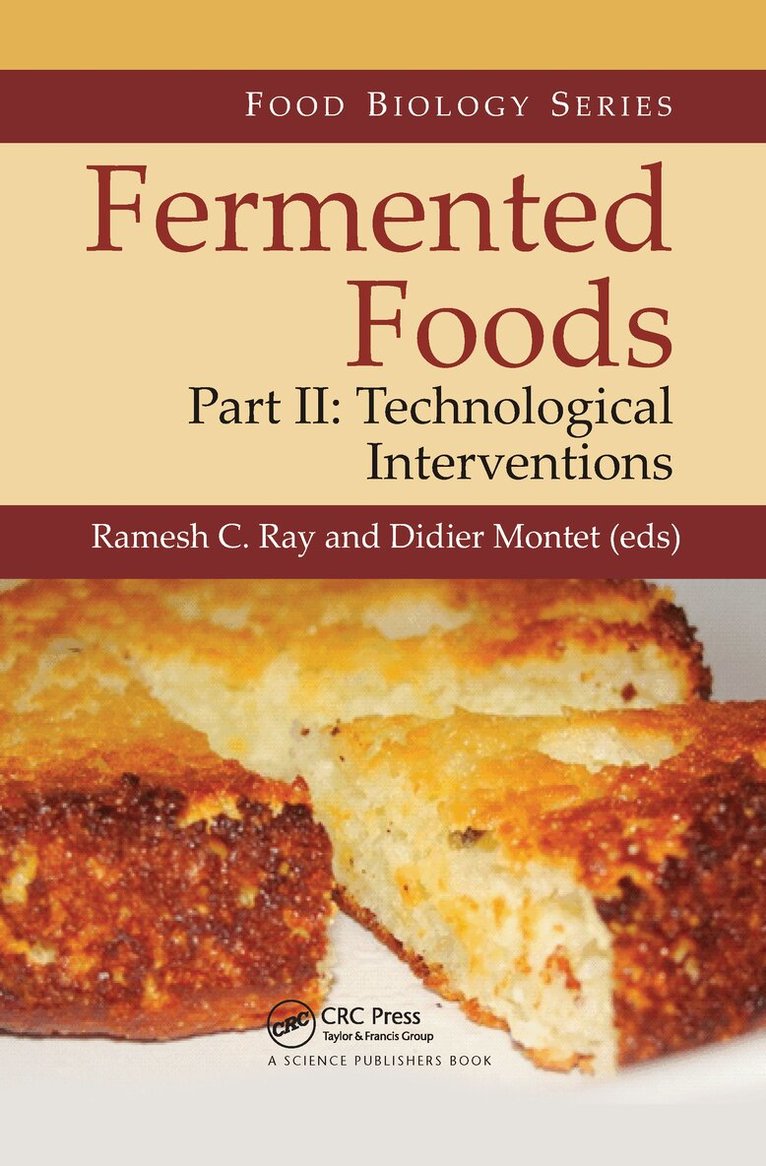
Fermented Foods, Part II
Technological Interventions
Av Ramesh C. Ray, Didier Montet
Häftad, 2021
791 kr
Lägg i varukorg
This book reviews the use of fermentation to develop healthy and functional foods and beverages and the commercialization of fermented food products through the use of biotechnology. The first two sections cover the health and functional benefits of fermented foods and the latter two sections …
Mycotoxins in Food and Beverages
Innovations and Advances Part I
Av Sabine Galindo, Ramesh C. Ray m. fl.
E-bok, 2021
1281 kr
Lägg i varukorg
Mycotoxins are secondary metabolites produced by fungi in a wide range of foods (cereals, peanut, tree nuts, dried fruits, coffee, cocoa, grapes, spices…) both in the field and after harvest, particularly during storage. They can also be found in processed foods of plant origin, or by transfer, …
Mycotoxins in Food and Beverages
Innovations and Advances Part I
Av Sabine Galindo, Ramesh C. Ray m. fl.
E-bok, 2021
1254 kr
Lägg i varukorg
Mycotoxins are secondary metabolites produced by fungi in a wide range of foods (cereals, peanut, tree nuts, dried fruits, coffee, cocoa, grapes, spices…) both in the field and after harvest, particularly during storage. They can also be found in processed foods of plant origin, or by transfer, …
Mycotoxins in Food and Beverages
Innovations and Advances, Part II
Av Ramesh C. Ray, Sabine Schorr-Galindo m. fl.
E-bok, 2021
1230 kr
Lägg i varukorg
Mycotoxins are secondary metabolites produced by fungi in a wide range of foods (cereals, peanut, tree nuts, dried fruits, coffee, cocoa, grapes, spices…) both in the field and after harvest, particularly during storage. They can also be found in processed foods of plant origin, or by transfer, in …
Mycotoxins in Food and Beverages
Innovations and Advances, Part II
Av Ramesh C. Ray, Sabine Schorr-Galindo m. fl.
E-bok, 2021
1230 kr
Lägg i varukorg
Mycotoxins are secondary metabolites produced by fungi in a wide range of foods (cereals, peanut, tree nuts, dried fruits, coffee, cocoa, grapes, spices…) both in the field and after harvest, particularly during storage. They can also be found in processed foods of plant origin, or by transfer, in …
Mycotoxins in Food and Beverages
Innovations and Advances, Part II
Av Didier Montet, Catherine Brabet m. fl.
Inbunden, 2021
3074 kr
Lägg i varukorg
Mycotoxins are secondary metabolites produced by fungi in a wide range of foods (cereals, peanut, tree nuts, dried fruits, coffee, cocoa, grapes, spices…) both in the field and after harvest, particularly during storage. They can also be found in processed foods of plant origin, or by transfer, in …
Mycotoxins in Food and Beverages
Innovations and Advances, Part II
Av Didier Montet, Catherine Brabet m. fl.
Häftad, 2023
1044 kr
Lägg i varukorg
Mycotoxins are secondary metabolites produced by fungi in a wide range of foods (cereals, peanut, tree nuts, dried fruits, coffee, cocoa, grapes, spices…) both in the field and after harvest, particularly during storage. They can also be found in processed foods of plant origin, or by transfer, in …
Aquaculture Microbiology and Biotechnology, Volume Two
Av Didier Montet, Ramesh C. Ray
Häftad, 2017
1292 kr
Lägg i varukorg
Fish and shrimp producing industries generate huge amounts of wastes in form of viscera, scales, waste water, etc. Applications of microorganisms and/or microbesbased products have contributed significantly in solving many of these problems associated with aquaculture and waste management. This …
Aquaculture Microbiology and Biotechnology, Vol. 1
Häftad, 2017
1292 kr
Lägg i varukorg
Aquaculture is currently one of the fastest growing production sectors in the world. It now accounts for nearly half (45%) of the worlds food fish (which refers to production of aquatic animals: fish, crustaceans, molluscs, amphibians) and this increase is expected to reach 50% in 2015. Genetic …
Fermented Foods, Part II
Technological Interventions
Av Ramesh C. Ray, Didier Montet
Inbunden, 2017
3750 kr
Lägg i varukorg
This book reviews the use of fermentation to develop healthy and functional foods and beverages and the commercialization of fermented food products through the use of biotechnology. The first two sections cover the health and functional benefits of fermented foods and the latter two sections …
Food Traceability and Authenticity
Analytical Techniques
Av Ramesh C. Ray, Didier Montet
E-bok, 2017
860 kr
Lägg i varukorg
Food traceability is a growing consumer concern worldwide. Traceability is undertaken primarily at the administrative level, where the use of advanced analytical tools is not available. Nevertheless, the determination of geographical origin is a requirement of the traceability system for the import …
Fermented Foods, Part II
Technological Interventions
Av Didier Montet, Ramesh C. Ray
E-bok, 2017
908 kr
Lägg i varukorg
This book reviews the use of fermentation to develop healthy and functional foods and beverages and the commercialization of fermented food products through the use of biotechnology. The first two sections cover the health and functional benefits of fermented foods and the latter two sections …
Fermented Foods, Part II
Technological Interventions
Av Didier Montet, Ramesh C. Ray
E-bok, 2017
935 kr
Lägg i varukorg
This book reviews the use of fermentation to develop healthy and functional foods and beverages and the commercialization of fermented food products through the use of biotechnology. The first two sections cover the health and functional benefits of fermented foods and the latter two sections …
Aquaculture Microbiology and Biotechnology, Volume Two
Av Didier Montet, Ramesh C. Ray
E-bok, 2011
1524 kr
Lägg i varukorg
Fish and shrimp producing industries generate huge amounts of wastes in form of viscera, scales, waste water, etc. Applications of microorganisms and/or microbesbased products have contributed significantly in solving many of these problems associated with aquaculture and waste management. This …
Fermented Foods, Part I
Biochemistry and Biotechnology
Av Didier Montet, Ramesh C. Ray
Inbunden, 2015
3030 kr
Lägg i varukorg
Traditional fermented foods are not only the staple food for most of developing countries but also the key healthy food for developed countries. As the healthy functions of these foods are gradually discovered, more high throughput biotechnologies are being used to promote the fermented food …
Fermented Foods, Part I
Biochemistry and Biotechnology
Av Ramesh C. Ray, Didier Montet
E-bok, 2016
935 kr
Lägg i varukorg
Traditional fermented foods are not only the staple food for most of developing countries but also the key healthy food for developed countries. As the healthy functions of these foods are gradually discovered, more high throughput biotechnologies are being used to promote the fermented food …
Food Traceability and Authenticity
Analytical Techniques
Av Didier Montet, Ramesh C. Ray
Inbunden, 2017
3499 kr
Lägg i varukorg
Food traceability is a growing consumer concern worldwide. Traceability is undertaken primarily at the administrative level, where the use of advanced analytical tools is not available. Nevertheless, the determination of geographical origin is a requirement of the traceability system for the import …
Food Traceability and Authenticity
Analytical Techniques
Av Ramesh C. Ray, Didier Montet
E-bok, 2017
842 kr
Lägg i varukorg
Food traceability is a growing consumer concern worldwide. Traceability is undertaken primarily at the administrative level, where the use of advanced analytical tools is not available. Nevertheless, the determination of geographical origin is a requirement of the traceability system for the import …
Aquaculture Microbiology and Biotechnology, Vol. 1
Inbunden, 2009
3804 kr
Lägg i varukorg
Aquaculture is currently one of the fastest growing production sectors in the world. It now accounts for nearly half (45%) of the worlds food fish (which refers to production of aquatic animals: fish, crustaceans, molluscs, amphibians) and this increase is expected to reach 50% in 2015. Genetic …
Aquaculture Microbiology and Biotechnology, Volume Two
Av Didier Montet, Ramesh C. Ray
Inbunden, 2011
3439 kr
Lägg i varukorg
Fish and shrimp producing industries generate huge amounts of wastes in form of viscera, scales, waste water, etc. Applications of microorganisms and/or microbesbased products have contributed significantly in solving many of these problems associated with aquaculture and waste management. This …
Fermented Milk and Dairy Products
Global Perspectives on the History, Science and Practice
Av Didier Montet, Gargi Dey m. fl.
Inbunden, 2026
1761 kr
Kommande
Fermented dairy products, like yoghurt and cheese, have been staples of the human diet for many thousands of years and not only offer obvious nutritional benefits but also play a significant role in gut health, immunity and overall well-being. Resulting from the transformation of milk by lactic …