Veronica Marie Gregg - Böcker
Visar alla böcker från författaren Veronica Marie Gregg. Handla med fri frakt och snabb leverans.
3 produkter
3 produkter
625 kr
Skickas inom 5-8 vardagar
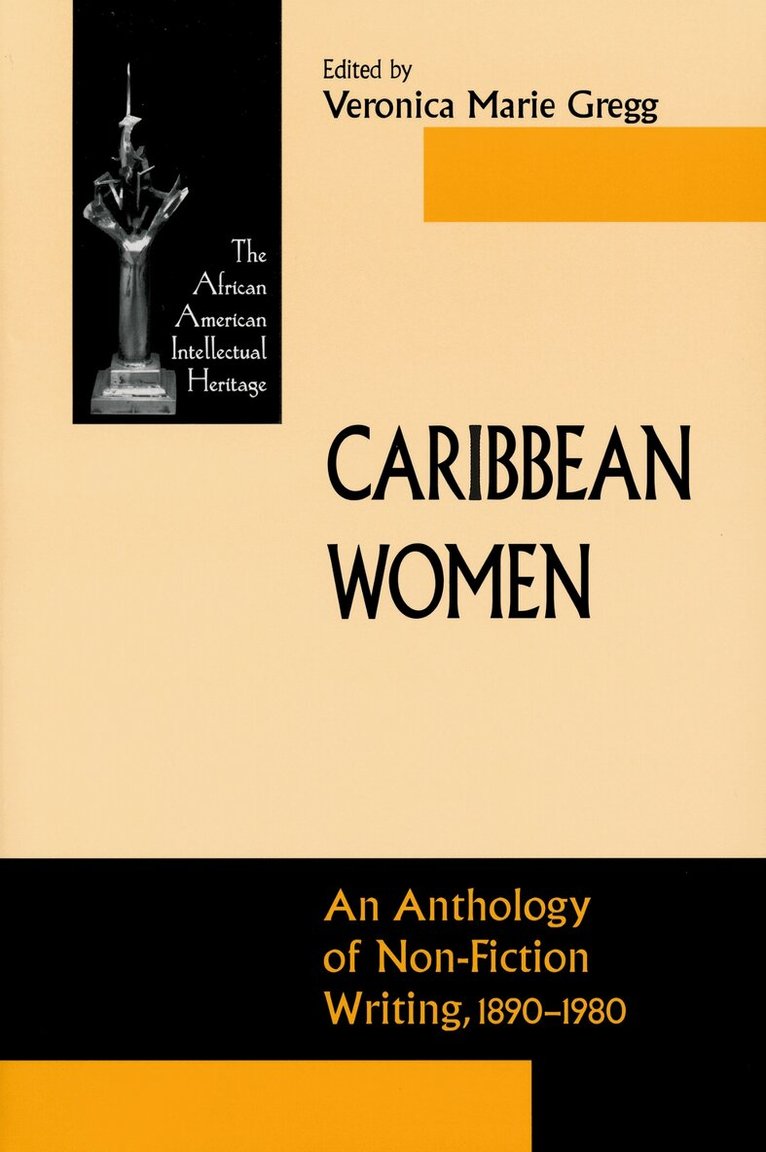
In this volume, the first in a two-part anthology of non-fiction writings by Caribbean women, Veronica Marie Gregg has collected works written from the turn of the nineteenth century to 1980. Her selections are guided by a search for answers to the questions: What have West Indian women contributed to the creation of Anglophone Caribbean society, politics, cultures, and intellectual traditions? How is Caribbean womanhood defined and articulated? Beginning with the writings of generations of women born after slavery ended, the anthology builds on existing bodies of knowledge and forms of inquiry into Caribbean women's lives through its presentation of some of their many important contributions to the creation and development of Caribbean intellectual history.This volume is divided into two sections that are broadly shaped by major historical flashpoints: the postemancipation and decolonization struggles (1890–1945), and the postwar period marked by a movement toward nation building, constitutional independence, and cultural nationalism (1945–1980). The volume begins with some of the (so far) earliest known writing by native born West Indian women on political and social issues and ends at the point where sustained Caribbean feminist scholarship begins. Writings in the first section are drawn primarily from newspapers, pamphlets, and occasional publications. They address key issues such as voting rights, political equality, colonialism, race, work, and social welfare. The second section includes the work of some of the women who were part of the first and second generations of professional academic women at the University of the West Indies, established in 1948. Their selections challenge many of the prevailing intellectual models used to define Caribbean societies and identities.This distinctive collection is an excellent resource for students and professors in the fields of Caribbean Studies, African American Studies, and women's studies.
420 kr
Skickas inom 10-15 vardagar
In this volume, the first in a two-part anthology of non-fiction writings by Caribbean women, Veronica Marie Gregg has collected works written from the turn of the nineteenth century to 1980. Her selections are guided by a search for answers to the questions: What have West Indian women contributed to the creation of Anglophone Caribbean society, politics, cultures, and intellectual traditions? How is Caribbean womanhood defined and articulated? Beginning with the writings of generations of women born after slavery ended, the anthology builds on existing bodies of knowledge and forms of inquiry into Caribbean women's lives through its presentation of some of their many important contributions to the creation and development of Caribbean intellectual history.This volume is divided into two sections that are broadly shaped by major historical flashpoints: the postemancipation and decolonization struggles (1890–1945), and the postwar period marked by a movement toward nation building, constitutional independence, and cultural nationalism (1945–1980). The volume begins with some of the (so far) earliest known writing by native born West Indian women on political and social issues and ends at the point where sustained Caribbean feminist scholarship begins. Writings in the first section are drawn primarily from newspapers, pamphlets, and occasional publications. They address key issues such as voting rights, political equality, colonialism, race, work, and social welfare. The second section includes the work of some of the women who were part of the first and second generations of professional academic women at the University of the West Indies, established in 1948. Their selections challenge many of the prevailing intellectual models used to define Caribbean societies and identities.This distinctive collection is an excellent resource for students and professors in the fields of Caribbean Studies, African American Studies, and women's studies.
572 kr
Skickas inom 10-15 vardagar
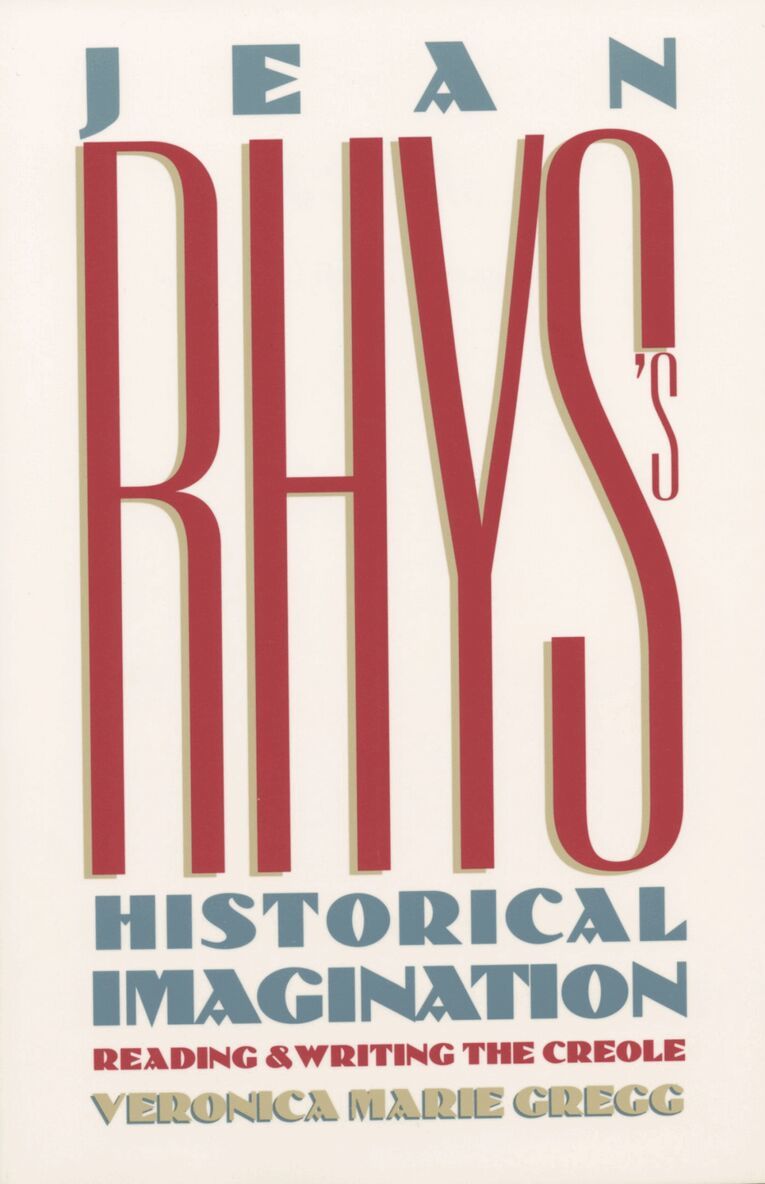
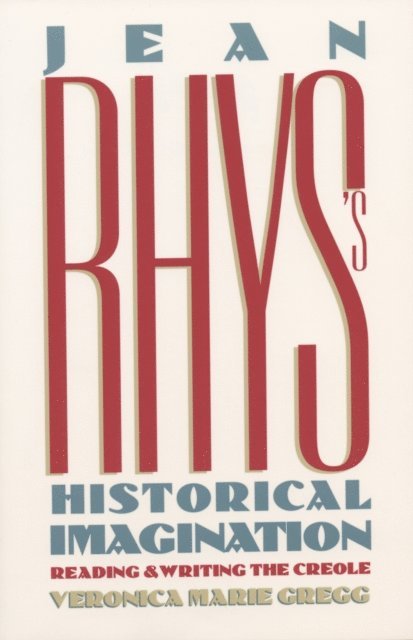
As the foremost white West Indian writer of this century and author of the widely acclaimed novel Wide Sargasso Sea , Jean Rhys (1890-1979) has attracted much critical attention, most often from the perspective of gender analysis. Veronica Gregg extends our critical appreciation of Rhys by analyzing the complex relationship between Rhys's identity and the structures of her fiction, and she reveals the ways in which this relationship is connected to the history of British colonization of the West Indies. Gregg focuses on Rhys as a writer--a Creole woman analyzing the question of identity through literary investigations of race, gender, and colonialism. Arguing that history itself can be a site where different narratives collide and compete, she explores Rhys's rewriting of the historical discourses of the West Indies and of European canonical texts, such as Rhys's treatment of Jane Eyre in Wide Sargasso Sea . Gregg's analysis also reveals the precision with which Rhys crafted her work and her preoccupation with writing as performance.