Vicky Davis – författare
Visar alla böcker från författaren Vicky Davis. Handla med fri frakt och snabb leverans.
9 produkter
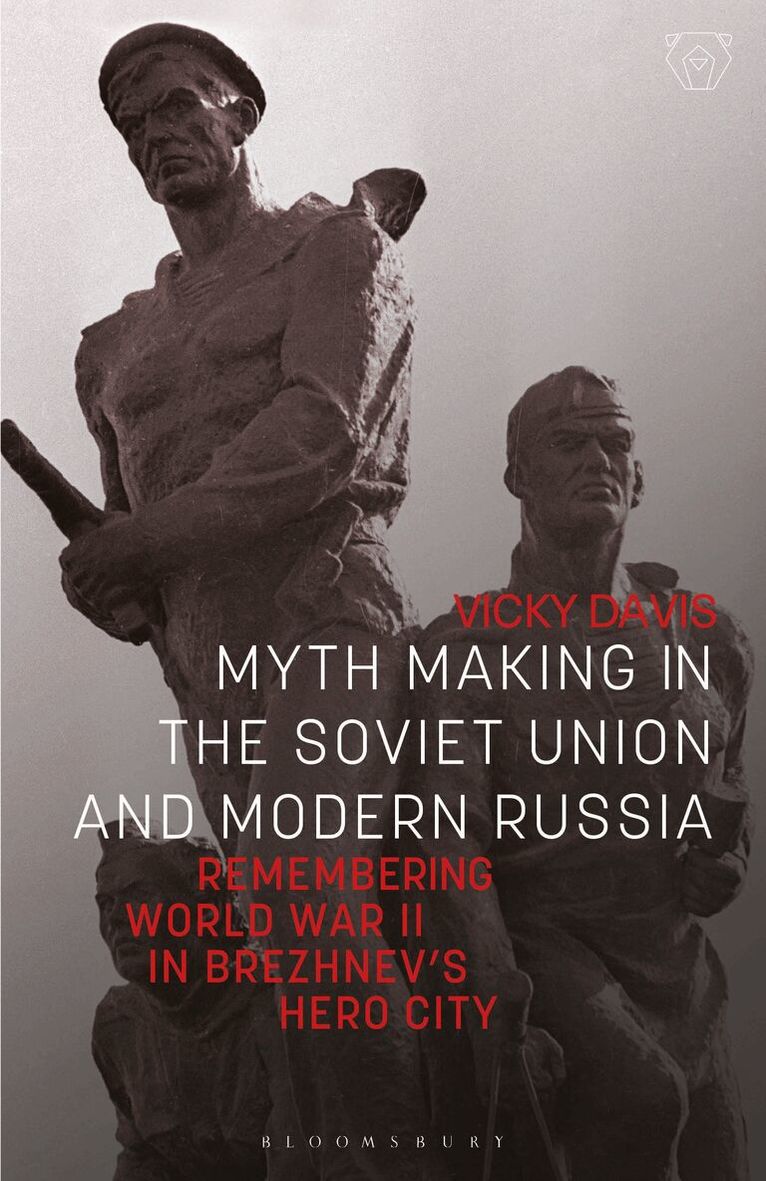
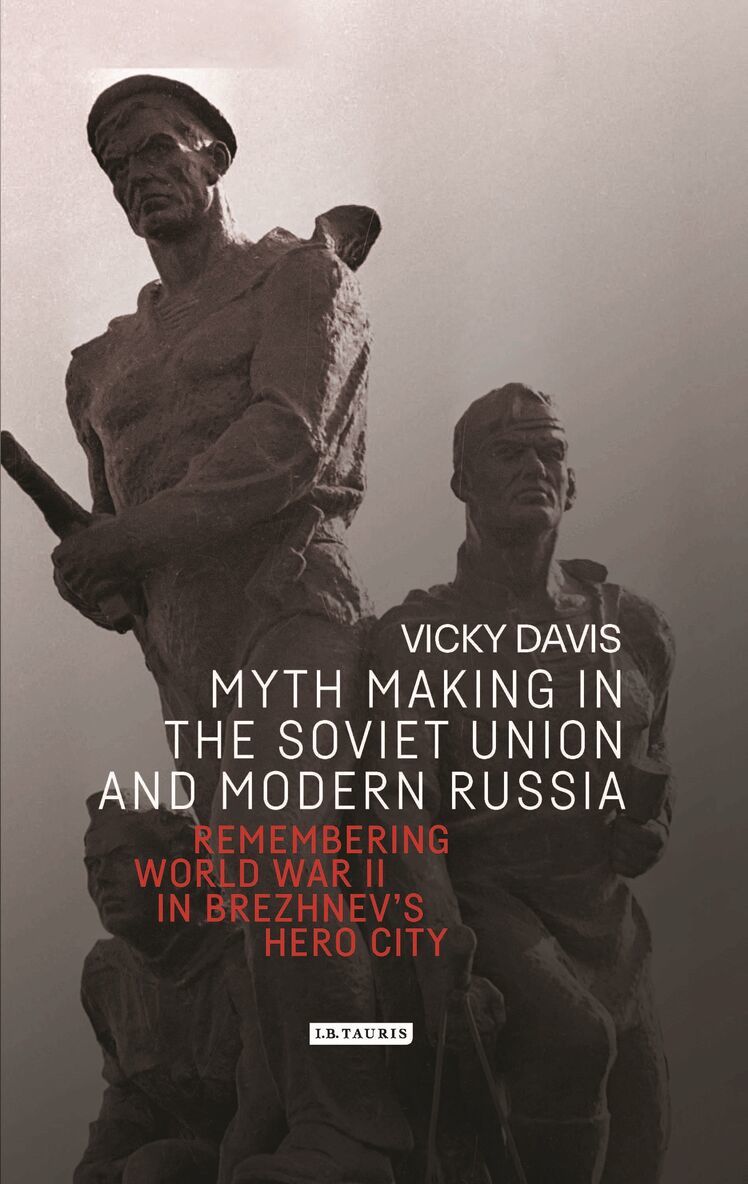
Myth Making in the Soviet Union and Modern Russia
Remembering World War II in Brezhnev’s Hero City
Av Vicky Davis
Häftad, 2020
503 kr
Lägg i varukorg
The 1943 battle to free the Soviet Black Sea port of Novorossiisk from German occupation was fought from the beach head of Malaia zemlia, where the young Colonel Leonid Brezhnev saw action. Despite widespread scepticism of the state's appropriation and inflation of this historical event, the heroes …
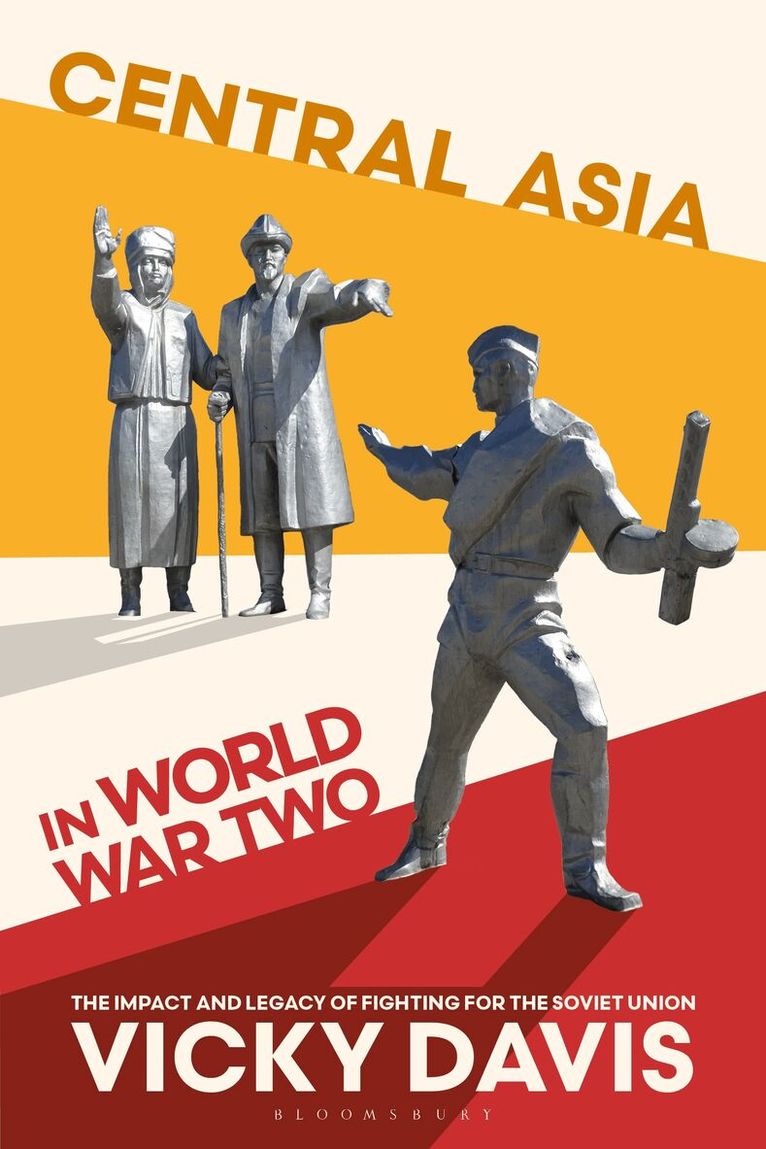
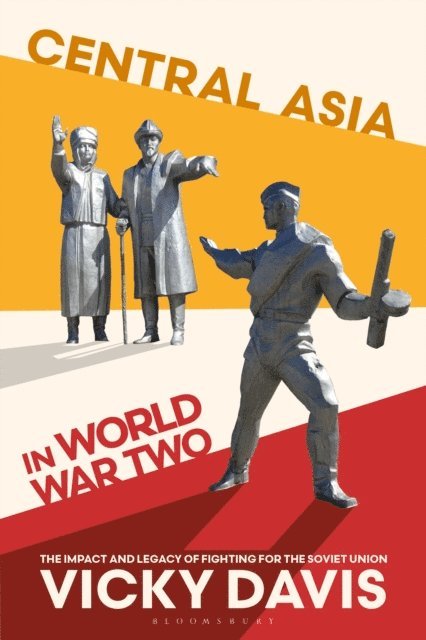
Central Asia in World War Two
The Impact and Legacy of Fighting for the Soviet Union
Av Vicky Davis
Häftad, 2024
368 kr
Lägg i varukorg
Central Asia has long been situated at the geographical crossroads of East and West, once strategically located on the ancient Silk Road. The envy of the expanding Russian empire, it was colonized in the 19th century by Cossacks and traders from the north. This book examines how Central Asia, by …
Central Asia in World War Two
The Impact and Legacy of Fighting for the Soviet Union
Av Vicky Davis
Inbunden, 2024
1174 kr
Lägg i varukorg
Central Asia has long been situated at the geographical crossroads of East and West, once strategically located on the ancient Silk Road. The envy of the expanding Russian empire, it was colonized in the 19th century by Cossacks and traders from the north. This book examines how Central Asia, by …
Central Asia in World War Two
The Impact and Legacy of Fighting for the Soviet Union
Av Vicky Davis
E-bok, 2023
401 kr
Lägg i varukorg
Central Asia has long been situated at the geographical crossroads of East and West, once strategically located on the ancient Silk Road. The envy of the expanding Russian empire, it was colonized in the 19th century by Cossacks and traders from the north. This book examines how Central Asia, by …
Central Asia in World War Two
The Impact and Legacy of Fighting for the Soviet Union
Av Vicky Davis
E-bok, 2023
401 kr
Lägg i varukorg
Central Asia has long been situated at the geographical crossroads of East and West, once strategically located on the ancient Silk Road. The envy of the expanding Russian empire, it was colonized in the 19th century by Cossacks and traders from the north. This book examines how Central Asia, by …
Myth Making in the Soviet Union and Modern Russia
Remembering World War II in Brezhnev’s Hero City
Av Vicky Davis
Inbunden, 2017
2050 kr
Lägg i varukorg
The 1943 battle to free the Soviet Black Sea port of Novorossiisk from German occupation was fought from the beach head of Malaia zemlia, where the young Colonel Leonid Brezhnev saw action. Despite widespread scepticism of the state's appropriation and inflation of this historical event, the heroes …
Myth Making in the Soviet Union and Modern Russia
Remembering World War II in Brezhnev’s Hero City
Av Vicky Davis
E-bok, 2017
546 kr
Lägg i varukorg
The 1943 battle to free the Soviet Black Sea port of Novorossiisk from German occupation was fought from the beach head of Malaia zemlia, where the young Colonel Leonid Brezhnev saw action. Despite widespread scepticism of the state's appropriation and inflation of this historical event, the heroes …
Myth Making in the Soviet Union and Modern Russia
Remembering World War II in Brezhnev’s Hero City
Av Vicky Davis
E-bok, 2017
534 kr
Lägg i varukorg
The 1943 battle to free the Soviet Black Sea port of Novorossiisk from German occupation was fought from the beach head of Malaia zemlia, where the young Colonel Leonid Brezhnev saw action. Despite widespread scepticism of the state's appropriation and inflation of this historical event, the heroes …