Viktor Pál – författare
Visar alla böcker från författaren Viktor Pál. Handla med fri frakt och snabb leverans.
16 produkter
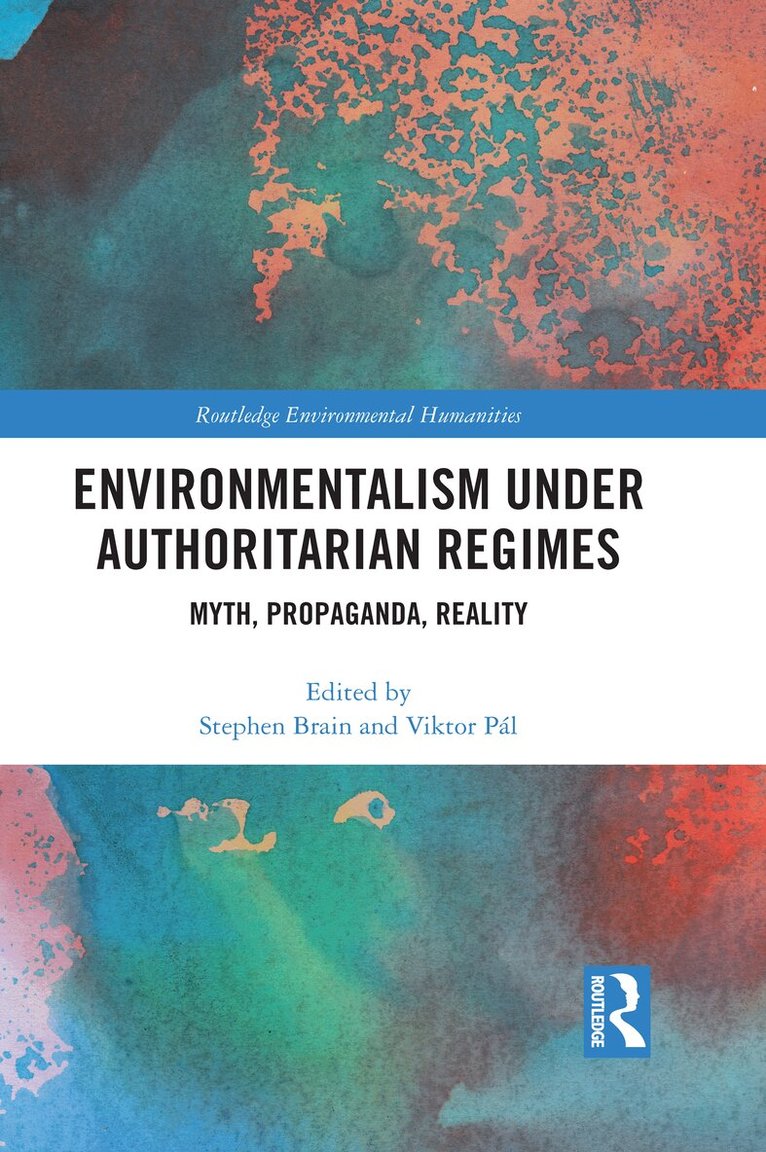
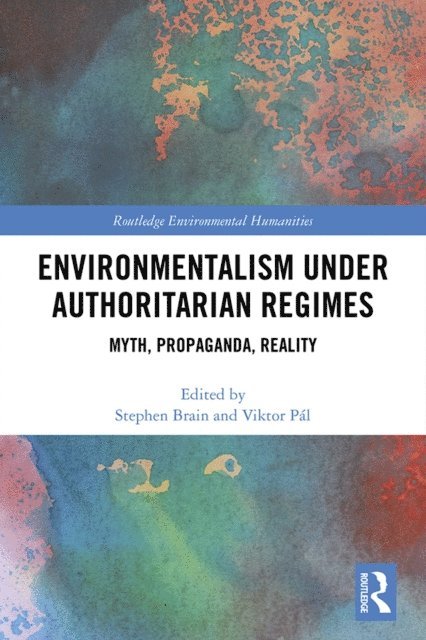
Environmentalism under Authoritarian Regimes
Myth, Propaganda, Reality
Häftad, 2020
720 kr
Lägg i varukorg
Since the early 2000s, authoritarianism has risen as an increasingly powerful global phenomenon. This shift has not only social and political implications, but also environmental implications: authoritarian leaders seek to recast the relationship between society and the government in every aspect …
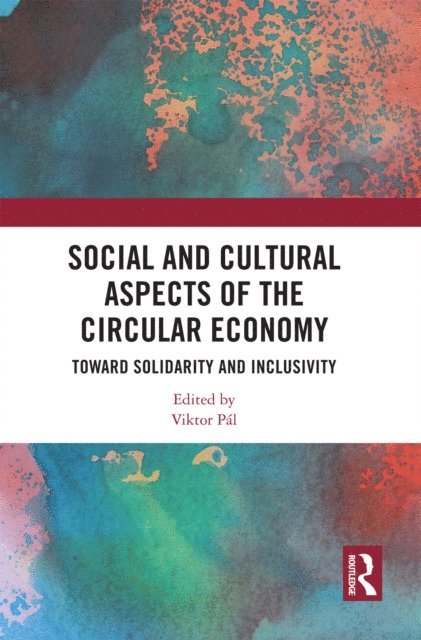
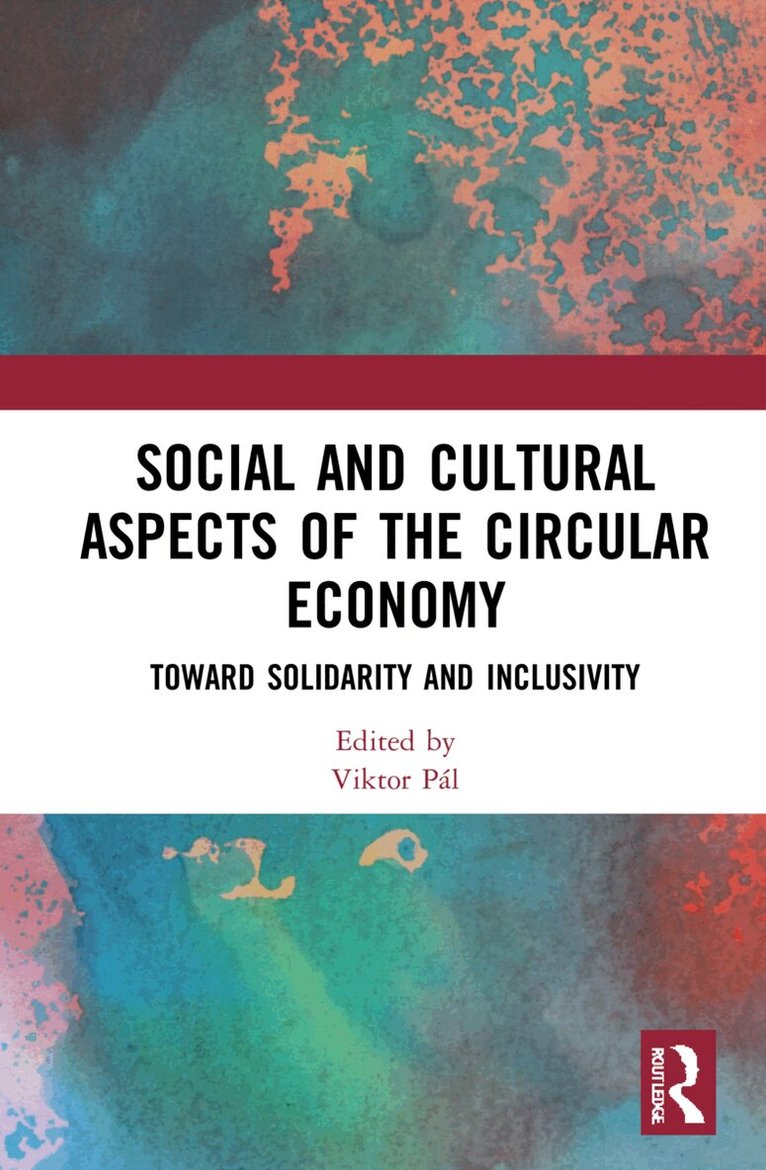
Social and Cultural Aspects of the Circular Economy
Toward Solidarity and Inclusivity
Av Viktor Pal
E-bok, 2022
814 kr
Lägg i varukorg
This collection of essays brings together discussions arguing that the circular economy must be linked to society and culture in order to create a viable concept for remodelling the economy. Covering a diverse range of topics and regions, including cities and living, food and human waste, packaging …
Social and Cultural Aspects of the Circular Economy
Toward Solidarity and Inclusivity
Av Viktor Pal
E-bok, 2022
814 kr
Lägg i varukorg
This collection of essays brings together discussions arguing that the circular economy must be linked to society and culture in order to create a viable concept for remodelling the economy. Covering a diverse range of topics and regions, including cities and living, food and human waste, packaging …
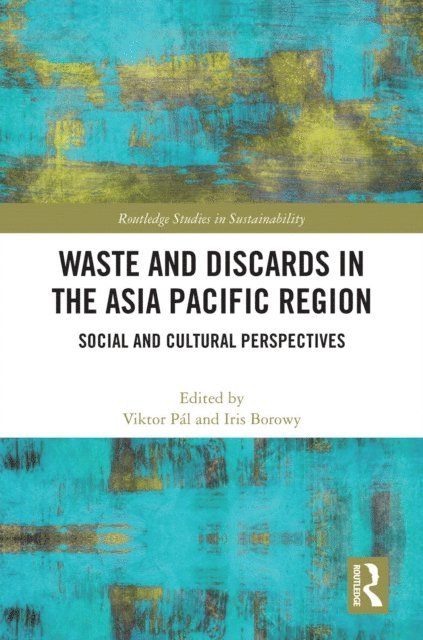
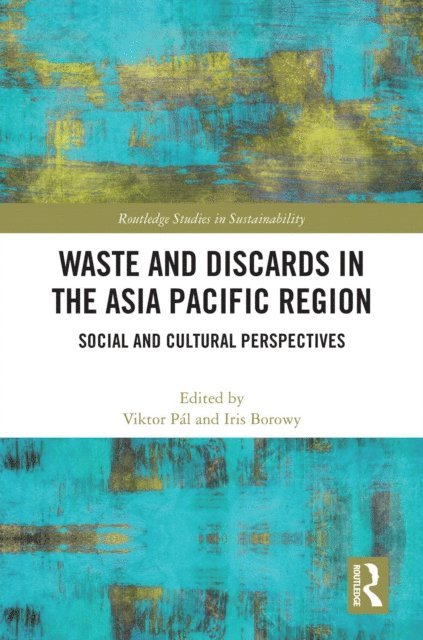
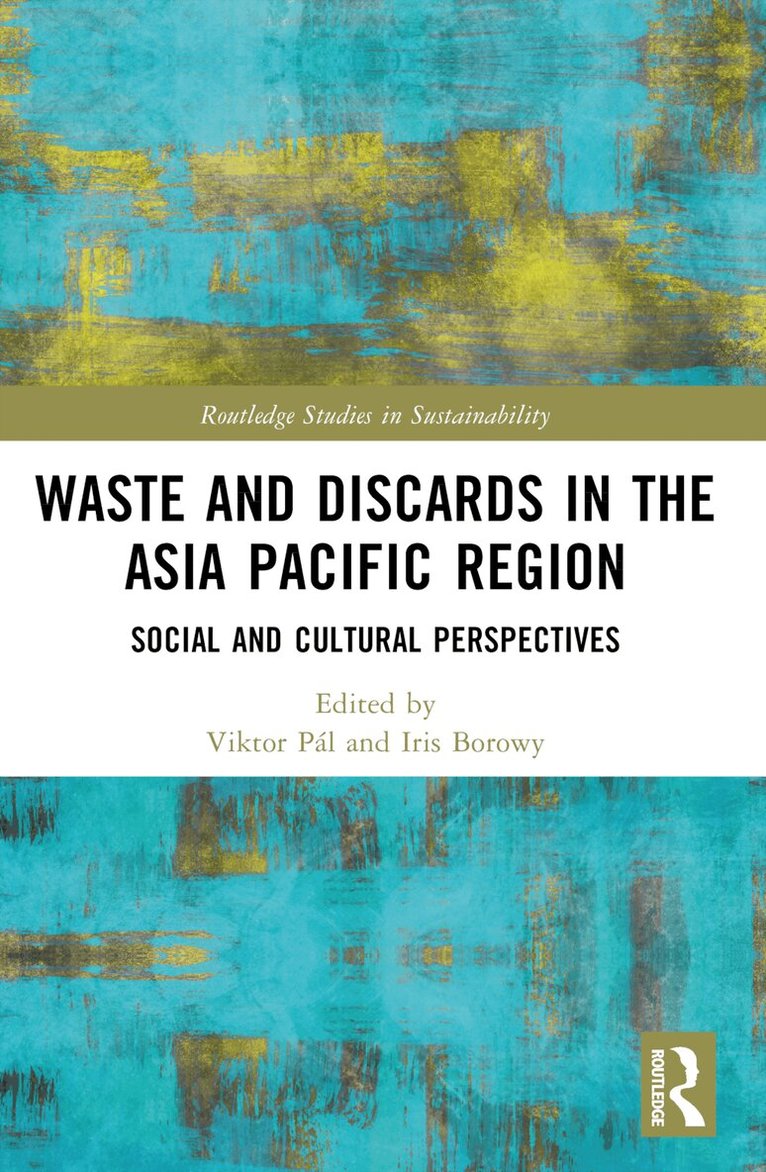
Waste and Discards in the Asia Pacific Region
Social and Cultural Perspectives
E-bok, 2023
762 kr
Lägg i varukorg
This book uncovers, explores and analyses the cultural and social factors and values that lie behind waste making, recycling and disposal in the Asia Pacific region, where impressive economic growth has led to significant increases in production, consumption and concomitant waste production. This …
Waste and Discards in the Asia Pacific Region
Social and Cultural Perspectives
E-bok, 2023
746 kr
Lägg i varukorg
This book uncovers, explores and analyses the cultural and social factors and values that lie behind waste making, recycling and disposal in the Asia Pacific region, where impressive economic growth has led to significant increases in production, consumption and concomitant waste production. This …
Social and Cultural Aspects of the Circular Economy
Toward Solidarity and Inclusivity
Av Viktor Pál
Inbunden, 2022
2512 kr
Lägg i varukorg
This collection of essays brings together discussions arguing that the circular economy must be linked to society and culture in order to create a viable concept for remodelling the economy. Covering a diverse range of topics and regions, including cities and living, food and human waste, packaging …
Social and Cultural Aspects of the Circular Economy
Toward Solidarity and Inclusivity
Av Viktor Pál
Häftad, 2024
691 kr
Lägg i varukorg
This collection of essays brings together discussions arguing that the circular economy must be linked to society and culture in order to create a viable concept for remodelling the economy. Covering a diverse range of topics and regions, including cities and living, food and human waste, packaging …
Waste and Discards in the Asia Pacific Region
Social and Cultural Perspectives
Inbunden, 2023
2586 kr
Lägg i varukorg
This book uncovers, explores and analyses the cultural and social factors and values that lie behind waste making, recycling and disposal in the Asia Pacific region, where impressive economic growth has led to significant increases in production, consumption and concomitant waste production.This …
Waste and Discards in the Asia Pacific Region
Social and Cultural Perspectives
Häftad, 2024
648 kr
Lägg i varukorg
This book uncovers, explores and analyses the cultural and social factors and values that lie behind waste making, recycling and disposal in the Asia Pacific region, where impressive economic growth has led to significant increases in production, consumption and concomitant waste production.This …
Environmentalism under Authoritarian Regimes
Myth, Propaganda, Reality
Inbunden, 2018
2586 kr
Lägg i varukorg
Since the early 2000s, authoritarianism has risen as an increasingly powerful global phenomenon. This shift has not only social and political implications, but also environmental implications: authoritarian leaders seek to recast the relationship between society and the government in every aspect …
Environmentalism under Authoritarian Regimes
Myth, Propaganda, Reality
E-bok, 2018
849 kr
Lägg i varukorg
Since the early 2000s, authoritarianism has risen as an increasingly powerful global phenomenon. This shift has not only social and political implications, but also environmental implications: authoritarian leaders seek to recast the relationship between society and the government in every aspect …
Environmentalism under Authoritarian Regimes
Myth, Propaganda, Reality
E-bok, 2018
849 kr
Lägg i varukorg
Since the early 2000s, authoritarianism has risen as an increasingly powerful global phenomenon. This shift has not only social and political implications, but also environmental implications: authoritarian leaders seek to recast the relationship between society and the government in every aspect …
Green Development or Greenwashing?
Environmental Histories of Finland
Av Viktor Pal, Tuomas Räsänen m. fl.
Häftad, 2023
520 kr
Lägg i varukorg
Finland has often been labelled a 'green superpower', lauded as one of the world's cleanest and greenest countries. Nordic countries in general have tended to be idealised as 'pristine and green', in contrast to the rest of the rapidly contaminating world where the race for markets and profits has …
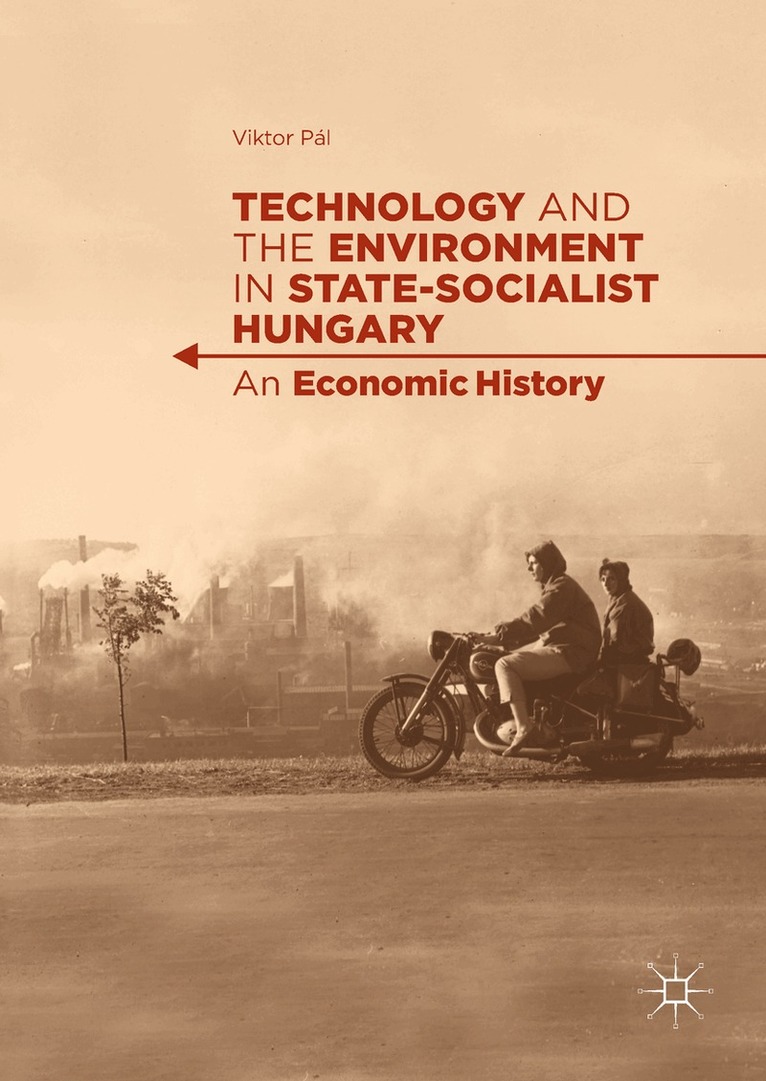
Technology and the Environment in State-Socialist Hungary
An Economic History
Av Viktor Pál
Inbunden, 2017
1355 kr
Lägg i varukorg
This book explains how and why the state-socialist regime in Hungary used technology and propaganda to foster industrialization and the conservation of natural resources simultaneously. Further, this book explains why this process was ultimately a failure. By exploring the environmental pre-history …
Technology and the Environment in State-Socialist Hungary
An Economic History
Av Viktor Pal
E-bok, 2017
1838 kr
Lägg i varukorg
This book explains how and why the state-socialist regime in Hungary used technology and propaganda to foster industrialization and the conservation of natural resources simultaneously. Further, this book explains why this process was ultimately a failure. By exploring the environmental pre-history …
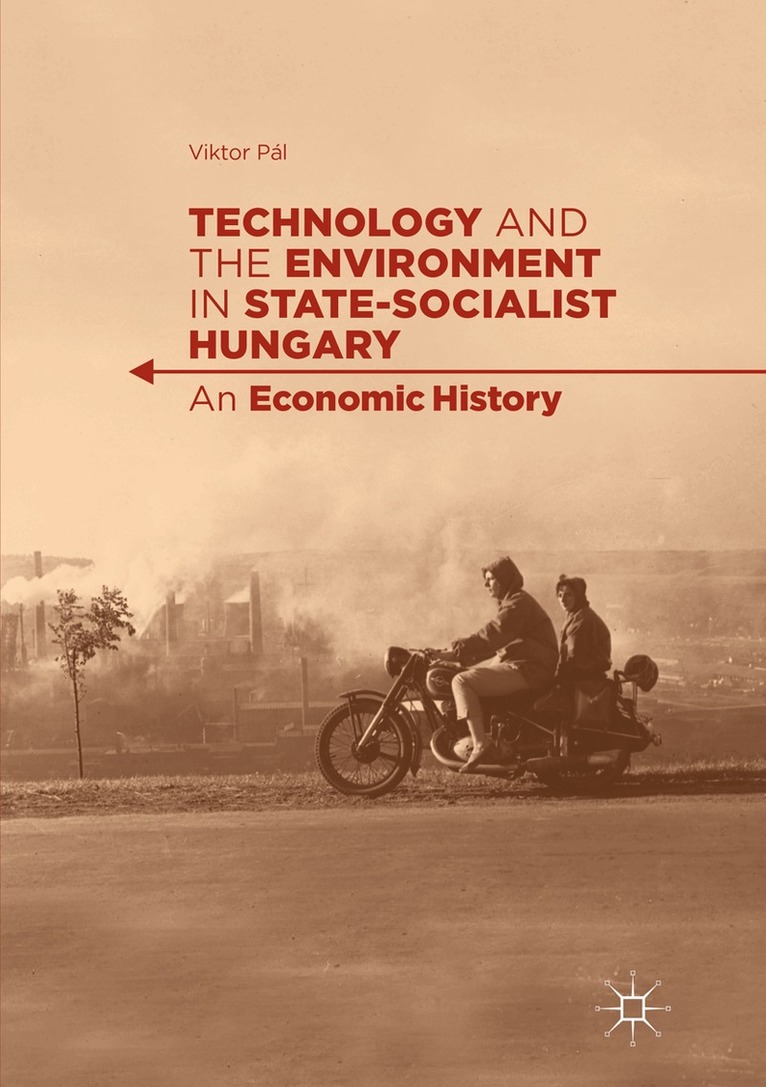
Technology and the Environment in State-Socialist Hungary
An Economic History
Av Viktor Pál
Häftad, 2018
1355 kr
Lägg i varukorg
This book explains how and why the state-socialist regime in Hungary used technology and propaganda to foster industrialization and the conservation of natural resources simultaneously. Further, this book explains why this process was ultimately a failure. By exploring the environmental pre-history …